Imagine enjoying delicious, flavorful meals that not only satisfy your taste buds but also transform your health from the inside out. This is the promise of combining Mediterranean cuisine with low-glycemic eating principles.

The Mediterranean diet has long been celebrated as one of the world’s healthiest eating patterns, while low-GI foods help stabilize blood sugar levels and promote sustained energy throughout the day. When you merge these two powerful nutritional approaches, you create a sustainable way of eating that supports weight management, reduces inflammation, enhances heart health, and keeps you feeling satisfied. This isn’t about restrictive dieting or bland food—it’s about savoring every bite while nourishing your body with wholesome ingredients that have sustained populations for centuries.
🌊 Understanding the Mediterranean Low-GI Advantage
The Mediterranean dietary pattern originates from countries bordering the Mediterranean Sea, where people have historically enjoyed longer lifespans and lower rates of chronic disease. This eating style emphasizes whole grains, fresh vegetables, fruits, legumes, nuts, olive oil, and moderate amounts of fish and poultry. When combined with low-glycemic index principles, which focus on foods that release glucose slowly into the bloodstream, you get a nutritional powerhouse that addresses modern health challenges.
The glycemic index measures how quickly foods raise blood sugar levels after eating. Low-GI foods (those with a GI of 55 or less) prevent the blood sugar spikes and crashes that lead to energy slumps, cravings, and over time, insulin resistance. Mediterranean staples like legumes, non-starchy vegetables, whole grains such as barley and bulgur, and healthy fats naturally fall into the low-GI category, making this fusion approach remarkably intuitive.
Health Benefits You Can Expect
Research consistently demonstrates that Mediterranean eating patterns reduce cardiovascular disease risk by up to 30%. The addition of low-GI principles amplifies these benefits by improving glycemic control, supporting healthy weight maintenance, and reducing markers of inflammation. Together, they create a dietary approach that supports hormonal balance, cognitive function, and digestive health while being incredibly satisfying and sustainable long-term.
🍽️ Building Your Weekly Mediterranean Low-GI Meal Plan
Creating a weekly meal plan removes the daily stress of deciding what to eat while ensuring nutritional variety and balance. The key is selecting recipes that feature predominantly low-GI carbohydrates, abundant vegetables, quality proteins, and healthy fats—particularly extra virgin olive oil, which is rich in polyphenols and monounsaturated fats.
Monday: Fresh Start to the Week
Breakfast: Greek yogurt parfait with walnuts, chia seeds, and fresh berries. Greek yogurt provides protein and probiotics, while berries offer antioxidants with a low glycemic impact. The healthy fats from walnuts and chia seeds slow digestion further, keeping you satisfied until lunch.
Lunch: Quinoa tabbouleh salad with chickpeas, cucumber, tomatoes, parsley, and lemon-olive oil dressing. Quinoa and chickpeas deliver complete protein and fiber, while the abundant fresh herbs provide phytonutrients that support detoxification pathways.
Dinner: Grilled salmon with roasted vegetables (zucchini, bell peppers, eggplant) and a side of lentils seasoned with garlic and rosemary. Salmon provides omega-3 fatty acids crucial for brain health and inflammation reduction, while lentils offer low-GI carbohydrates that stabilize blood sugar.
Tuesday: Flavor-Packed Nourishment
Breakfast: Vegetable frittata made with spinach, tomatoes, and feta cheese, served with a small portion of whole grain sourdough toast. Eggs provide high-quality protein and nutrients like choline, essential for brain function.
Lunch: White bean and kale soup with a drizzle of extra virgin olive oil and a side of mixed green salad. Beans are nutritional powerhouses offering protein, fiber, and resistant starch that feeds beneficial gut bacteria.
Dinner: Chicken souvlaki with tzatziki sauce, served over cauliflower rice with a Greek salad. Replacing traditional rice with cauliflower rice dramatically lowers the glycemic load while adding cruciferous vegetables that support detoxification.
Wednesday: Midweek Mediterranean Magic
Breakfast: Steel-cut oats cooked with cinnamon, topped with sliced almonds and diced apple. Steel-cut oats have a lower GI than instant varieties due to minimal processing, providing sustained energy release.
Lunch: Mediterranean tuna salad with mixed greens, olives, artichoke hearts, cherry tomatoes, and a balsamic vinaigrette. Tuna offers lean protein and selenium, an important antioxidant mineral.
Dinner: Baked cod with herb crust, served with roasted Brussels sprouts and pearl barley pilaf. Barley has one of the lowest glycemic indices among grains and contains beta-glucan fiber that supports heart health.
🥗 Thursday Through Sunday: Sustaining the Mediterranean Rhythm
Thursday: Vegetarian Delight
Breakfast: Smoothie bowl made with unsweetened almond milk, spinach, half a banana, protein powder, topped with pumpkin seeds and coconut flakes. This nutrient-dense breakfast combines greens, healthy fats, and protein for balanced morning fuel.
Lunch: Stuffed bell peppers with brown rice, black beans, tomatoes, and spices, topped with a dollop of Greek yogurt. Bell peppers provide vitamin C, which enhances iron absorption from the beans.
Dinner: Eggplant moussaka made with lentils instead of traditional meat, topped with a light béchamel sauce and served with a crisp cucumber salad. This vegetarian twist maintains authentic flavors while increasing fiber content.
Friday: Seafood Celebration
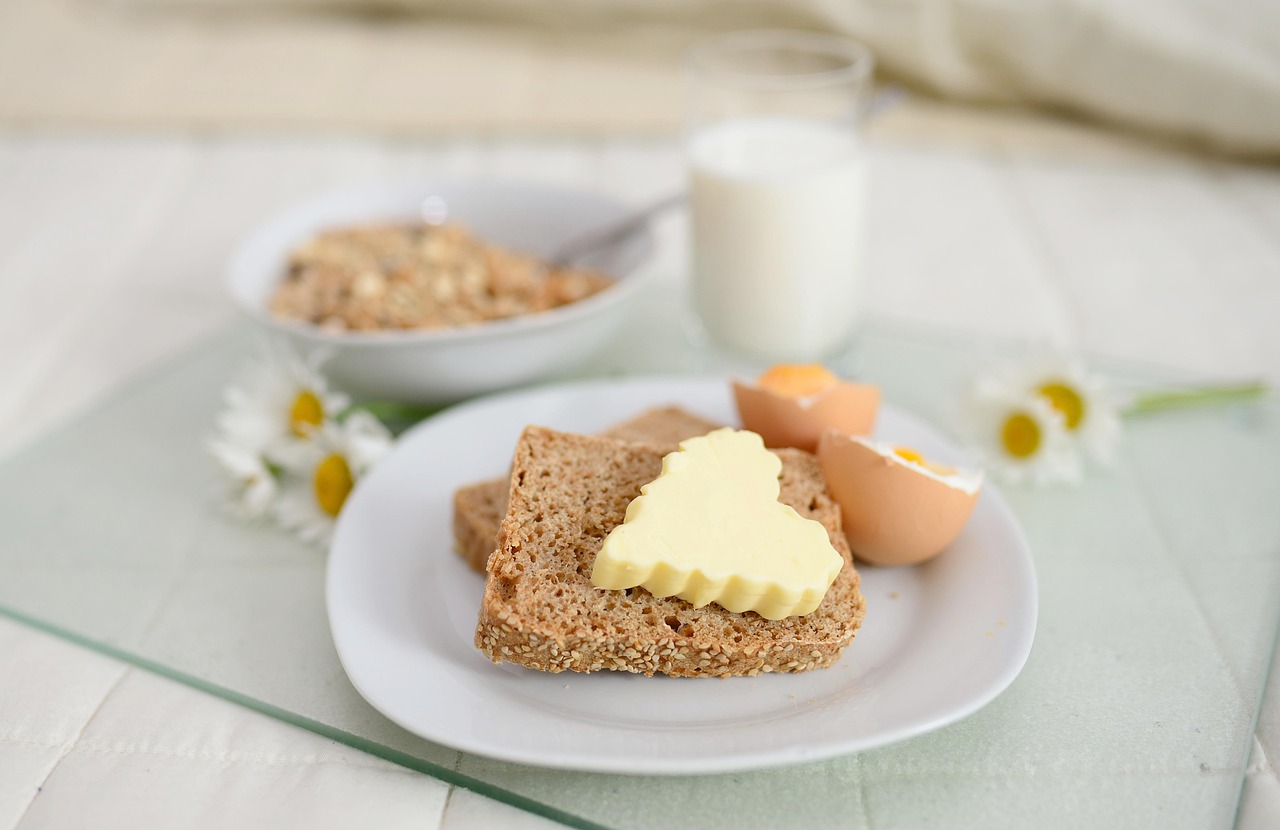
Breakfast: Whole grain crackers with hummus, sliced cucumber, and cherry tomatoes. This savory breakfast option provides plant protein and keeps blood sugar stable.
Lunch: Mediterranean grain bowl with farro, roasted vegetables, chickpeas, tahini dressing, and fresh herbs. Farro is an ancient grain with a pleasantly chewy texture and moderate GI.
Dinner: Grilled sardines or mackerel with lemon, served alongside roasted sweet potato wedges and sautéed spinach with garlic. Small fish like sardines are sustainability champions and provide exceptional omega-3 content.
Weekend Wisdom: Saturday and Sunday
Saturday Breakfast: Shakshuka—eggs poached in spiced tomato sauce with bell peppers and onions, served with whole grain pita. This North African-Mediterranean dish is incredibly satisfying and nutrient-rich.
Saturday Lunch: Greek-style grilled vegetable wrap with whole wheat tortilla, hummus, grilled zucchini, peppers, onions, and feta. Portable and delicious for active weekends.
Saturday Dinner: Slow-cooked lamb shanks with white beans, tomatoes, and aromatic herbs, served with steamed broccoli. This hearty meal showcases how Mediterranean cooking transforms simple ingredients into extraordinary dishes.
Sunday Breakfast: Ricotta pancakes made with almond flour, topped with fresh berries and a drizzle of honey. Almond flour provides protein and healthy fats while keeping the glycemic response lower than traditional pancakes.
Sunday Lunch: Lentil and vegetable soup with a side of mixed olives and whole grain bread. Sunday soups are perfect for meal prep, providing leftovers for busy weekdays.
Sunday Dinner: Grilled chicken with Mediterranean herb marinade, roasted root vegetables (carrots, parsnips, beets), and quinoa. This colorful plate delivers diverse nutrients and antioxidants from the rainbow of vegetables.
🛒 Smart Shopping for Mediterranean Low-GI Success
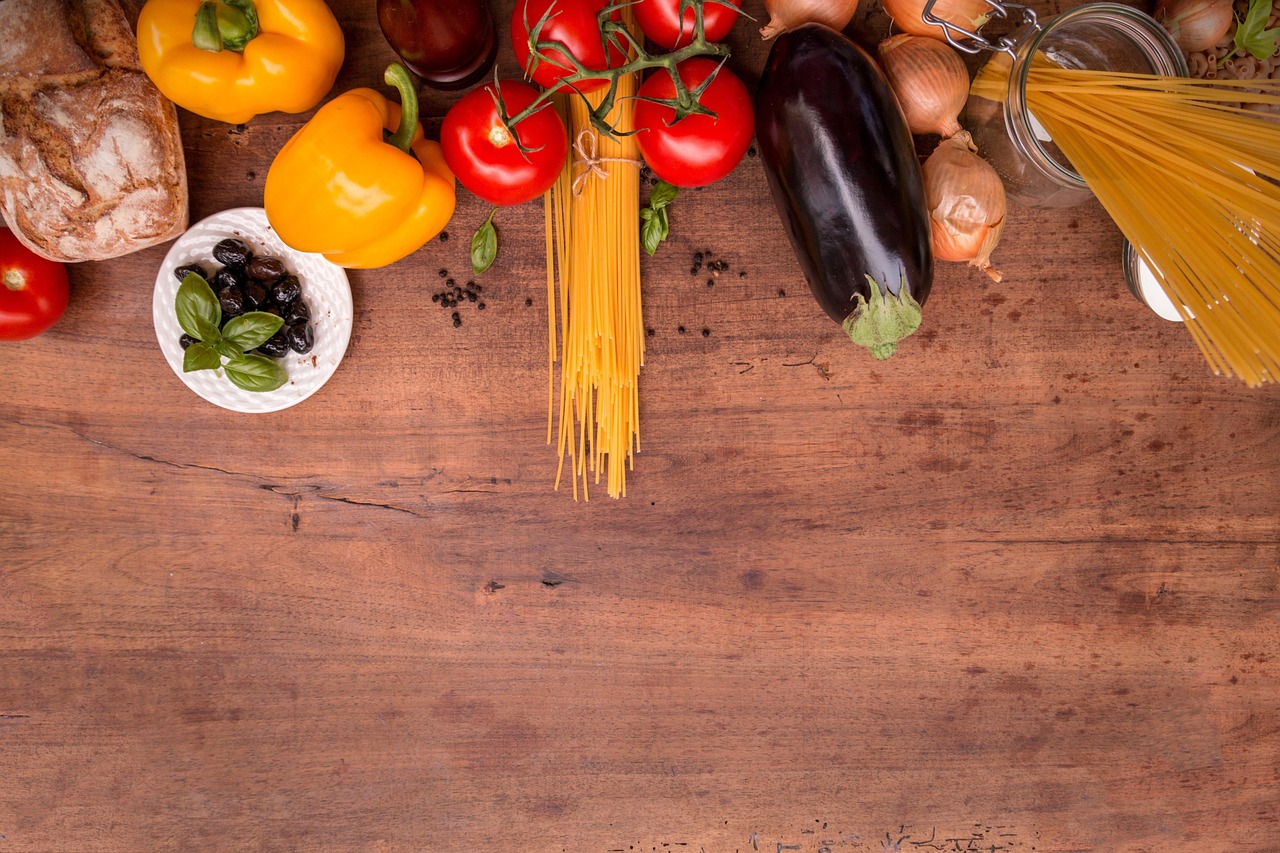
Successful meal planning begins with strategic shopping. Stock your pantry with Mediterranean staples including extra virgin olive oil, canned tomatoes, legumes (chickpeas, lentils, white beans), whole grains (quinoa, barley, farro, bulgur), nuts, seeds, and an array of dried herbs and spices like oregano, basil, rosemary, and za’atar.
Your weekly fresh shopping should prioritize seasonal vegetables, leafy greens, tomatoes, cucumbers, bell peppers, eggplant, zucchini, fresh herbs, lemons, and moderate amounts of fresh fruit focusing on berries, apples, and pears. For protein, select wild-caught fish, organic poultry, eggs, and Greek yogurt. Quality matters—choosing organic produce when possible and grass-fed or pasture-raised animal products enhances the nutritional profile of your meals.
Pantry Essentials Checklist
- Extra virgin olive oil (cold-pressed, in dark glass bottles)
- Variety of dried legumes and canned options (low-sodium)
- Ancient grains: quinoa, farro, bulgur, barley
- Raw nuts and seeds: almonds, walnuts, pumpkin seeds, chia seeds
- Natural nut butters (tahini, almond butter)
- Tomato products: canned whole tomatoes, tomato paste
- Vinegars: balsamic, red wine, apple cider
- Herbs and spices: oregano, basil, rosemary, cumin, cinnamon
- Olives and capers
- Whole grain products with minimal processing
🍳 Practical Tips for Meal Prep Mastery
Dedicating a few hours on Sunday to meal preparation dramatically simplifies weekday eating. Cook large batches of grains like quinoa, barley, or farro that can be portioned and refrigerated for up to five days. Prep vegetables by washing, chopping, and storing them in clear containers so they’re ready to use. Make large pots of soup or stew that improve in flavor over several days.
Marinate proteins in advance using Mediterranean herb blends with olive oil, lemon juice, and garlic. These can sit in the refrigerator for 24-48 hours, developing deeper flavors. Prepare homemade dressings and sauces like tzatziki, hummus, or tahini dressing in larger quantities—they keep well and transform simple ingredients into satisfying meals.
Time-Saving Cooking Strategies
Embrace batch cooking by doubling recipes and freezing portions for future meals. Soups, stews, and casseroles freeze exceptionally well. Use your oven efficiently by roasting multiple trays of vegetables at once—they can be used in various dishes throughout the week. Invest in quality storage containers that keep food fresh and make grabbing healthy options easy when you’re rushed.
⚖️ Balancing Macronutrients the Mediterranean Way
The beauty of Mediterranean eating is its natural balance without requiring meticulous tracking. Each meal should contain a quality protein source (fish, poultry, legumes, eggs, or Greek yogurt), abundant non-starchy vegetables, a moderate portion of low-GI carbohydrates, and healthy fats primarily from olive oil, nuts, seeds, and fatty fish.
A general guideline is filling half your plate with colorful vegetables, one-quarter with protein, and one-quarter with low-GI carbohydrates. Don’t fear healthy fats—they’re essential for nutrient absorption, hormone production, and satiety. The Mediterranean diet derives 35-40% of calories from fat, primarily from monounsaturated sources, which supports heart health when replacing saturated fats.
🌟 Overcoming Common Challenges
Many people worry that Mediterranean eating is expensive, but it can be quite economical when you focus on plant-based proteins like legumes, buy seasonal produce, and choose frozen vegetables which are nutritionally comparable to fresh. Buying whole grains in bulk and preparing meals at home rather than eating out significantly reduces costs.
Time constraints are another common concern. The meal prep strategies mentioned earlier address this directly. Additionally, many Mediterranean dishes are simple one-pot meals or sheet pan dinners that require minimal active cooking time. A slow cooker or pressure cooker can be invaluable for preparing hearty stews and bean dishes with minimal effort.
Dining Out While Staying on Track
When eating at restaurants, Mediterranean and Middle Eastern establishments naturally align with this eating pattern. Greek, Turkish, Lebanese, and Spanish restaurants offer abundant options. Look for grilled fish or chicken, vegetable-based dishes, salads with olive oil dressings, and legume dishes. Request extra vegetables in place of bread or rice to lower the glycemic load of your meal.
💪 Enhancing Results with Lifestyle Factors
Diet is only one component of the Mediterranean lifestyle. Traditional Mediterranean cultures emphasize regular physical activity, adequate sleep, stress management, and strong social connections—all factors that significantly impact health outcomes. Aim for daily movement, whether structured exercise or simply walking after meals, which has been shown to improve glycemic control.
Prioritize 7-9 hours of quality sleep, as sleep deprivation disrupts hunger hormones and impairs glucose metabolism. Practice stress-reduction techniques like meditation, deep breathing, or spending time in nature. Share meals with family and friends when possible—the social aspect of eating is a cornerstone of Mediterranean culture and contributes to both psychological wellbeing and mindful eating.
🎯 Measuring Your Progress Beyond the Scale
While many adopt this eating pattern for weight management, the benefits extend far beyond numbers on a scale. Track improvements in energy levels, sleep quality, mental clarity, digestion, skin appearance, and mood stability. Many people notice reduced joint pain and inflammation within weeks of adopting Mediterranean low-GI eating.
If you have diabetes or prediabetes, monitor your blood glucose readings and HbA1c levels with your healthcare provider. Those with cardiovascular concerns should track blood pressure and lipid panels. Most people see measurable improvements in these markers within three to six months of consistent Mediterranean eating.
🌈 Embracing Food as Medicine
The Mediterranean low-GI approach represents a fundamental shift from viewing food merely as calories to understanding it as information that influences every cellular process in your body. The polyphenols in extra virgin olive oil reduce inflammation. The omega-3 fatty acids in fatty fish support brain health and mood regulation. The fiber in legumes and vegetables feeds beneficial gut bacteria that influence everything from immunity to mental health.
This is eating for vitality, longevity, and pleasure—a sustainable approach that doesn’t require deprivation or complicated rules. By focusing on whole, minimally processed foods that humans have thrived on for millennia, you align your modern life with ancestral nutritional wisdom backed by contemporary science.
As you embark on this Mediterranean low-GI journey, remember that perfection isn’t the goal—consistency and enjoyment are. Allow yourself flexibility, savor each meal mindfully, and celebrate the incredible gift you’re giving your body with every nourishing bite. The transformation extends beyond physical health to encompass a more connected, intentional relationship with food and the profound pleasure of eating well. Your future self will thank you for making this delicious investment in lifelong health and vitality.