Balancing family meals with a healthy, low-glycemic index approach doesn’t have to be complicated. With smart planning and simple rotations, you can keep everyone satisfied and energized throughout the week.

Modern families face unique challenges when it comes to dinner preparation. Between work schedules, school activities, and personal commitments, finding time to cook nutritious meals can feel overwhelming. Yet the quality of our evening meals directly impacts energy levels, sleep quality, and overall health. Choosing low-GI foods helps stabilize blood sugar, reduces energy crashes, and supports sustained vitality for the entire family.
Understanding the Low-GI Advantage for Family Dinners 🍽️
The glycemic index measures how quickly foods raise blood sugar levels after eating. Low-GI foods release glucose gradually into the bloodstream, providing steady energy rather than sharp spikes followed by crashes. This makes them ideal for dinner, especially for families with children who need consistent energy for homework, activities, and restful sleep.
Foods with a GI of 55 or lower are considered low-GI options. These include most vegetables, legumes, whole grains like quinoa and barley, lean proteins, and many fruits. By centering your dinner rotations around these ingredients, you create meals that naturally support stable blood sugar levels without requiring complicated calculations or restrictive dieting.
The benefits extend beyond just energy management. Low-GI eating patterns have been linked to better weight management, reduced risk of type 2 diabetes, improved heart health, and enhanced cognitive function. For growing children, these meals support concentration, mood stability, and healthy development.
Building Your Foundation: Essential Low-GI Ingredients
Stocking your kitchen with versatile low-GI staples makes meal planning significantly easier. Focus on ingredients that serve multiple purposes across different recipes, reducing both shopping time and food waste.
Protein Powerhouses
Lean proteins form the cornerstone of satisfying low-GI dinners. Chicken breast, turkey, fish, eggs, tofu, and legumes all have minimal impact on blood sugar while providing essential amino acids. Keeping frozen chicken breasts, canned beans, and eggs on hand ensures you always have protein options available, even on the busiest evenings.
Fatty fish like salmon and mackerel deserve special mention. Beyond being low-GI, they provide omega-3 fatty acids that support brain health and reduce inflammation. Aim to include fish in your rotation at least twice weekly for maximum nutritional benefit.
Complex Carbohydrates That Deliver
Not all carbohydrates are created equal. While white rice and regular pasta spike blood sugar quickly, alternatives like brown rice, quinoa, barley, sweet potatoes, and whole grain pasta release energy slowly. These complex carbohydrates provide fiber, vitamins, and minerals alongside their energizing properties.
Legumes deserve special recognition as nutritional superstars. Lentils, chickpeas, black beans, and kidney beans combine protein, fiber, and low-GI carbohydrates in one affordable package. They’re incredibly versatile, working equally well in soups, salads, curries, and side dishes.
Vegetables: The Ultimate Volume Food
Most non-starchy vegetables have such low glycemic impact that you can enjoy them freely. Leafy greens, broccoli, cauliflower, peppers, zucchini, mushrooms, and tomatoes add volume, nutrients, and satisfaction to meals without raising blood sugar significantly.
Even starchy vegetables like sweet potatoes and corn, when eaten in reasonable portions alongside protein and healthy fats, fit comfortably within a low-GI approach. The key lies in balance rather than elimination.
The Weekly Rotation Strategy: Simplify Without Sacrificing Variety
Creating a reliable rotation of dinner ideas eliminates daily decision fatigue while ensuring nutritional variety. Rather than planning every meal from scratch each week, establish a flexible framework that accommodates your family’s preferences and schedule constraints.
A successful rotation typically includes 7-10 core recipes that you cycle through, making small variations to keep things interesting. This approach offers multiple advantages: streamlined grocery shopping, reduced mental load, skill development through repetition, and less food waste from impulse ingredient purchases.
Monday: Start Strong with Sheet Pan Dinners
Sheet pan meals combine protein and vegetables roasted together on a single tray, making both cooking and cleanup remarkably simple. Try lemon herb chicken with roasted Brussels sprouts and sweet potato chunks, or baked salmon with asparagus and cherry tomatoes. Season generously with herbs, garlic, and olive oil, then roast at 400°F for 25-30 minutes.
The beauty of sheet pan dinners lies in their flexibility. You can swap proteins, change vegetable combinations based on what’s in season or on sale, and adjust seasonings to match different flavor profiles from Mediterranean to Asian-inspired.
Tuesday: Embrace the Power of Stir-Fries
Stir-fries deliver maximum flavor with minimal cooking time. Use lean protein like chicken, shrimp, or tofu alongside colorful vegetables such as bell peppers, snap peas, broccoli, and carrots. Serve over cauliflower rice or a small portion of brown rice for a complete low-GI meal.
Prepare your sauce in advance using low-sodium soy sauce, ginger, garlic, and a touch of sesame oil. Having pre-cut vegetables ready in the refrigerator transforms stir-fry night into a 15-minute operation from start to finish.
Wednesday: Soup and Salad Combination
Midweek calls for comfort without heaviness. A hearty lentil soup or chicken vegetable soup paired with a substantial salad creates a satisfying, nutrient-dense meal. These components often taste even better as leftovers, making them perfect for batch cooking on weekends.
Build your salads with mixed greens, grilled chicken or chickpeas, colorful vegetables, nuts or seeds, and a homemade vinaigrette. The combination of warm soup and fresh salad provides textural variety that keeps the meal interesting.
Thursday: Grain Bowl Night 🥗
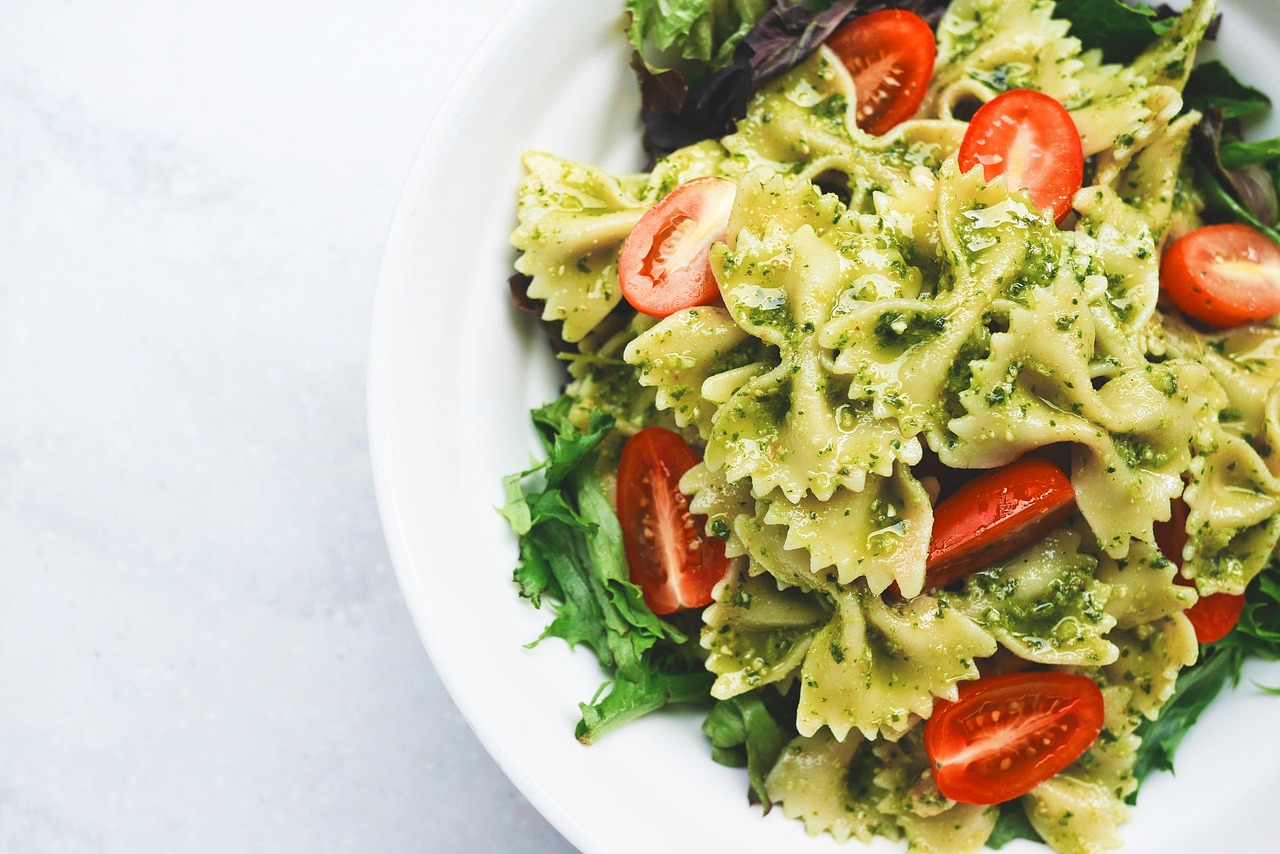
Grain bowls offer endless customization while maintaining a healthy foundation. Start with quinoa or barley as your base, add a protein source, pile on roasted or raw vegetables, and finish with a flavorful sauce or dressing.
The assembly-line approach works particularly well for families with different preferences. Set out all components and let each person build their own bowl according to individual tastes. This strategy reduces complaints while teaching children about balanced meal construction.
Friday: Protein-Packed Tacos or Wraps
End the week with interactive, fun meals that feel like a treat while maintaining nutritional integrity. Use whole grain tortillas or lettuce wraps filled with seasoned ground turkey, black beans, grilled fish, or chicken. Offer plenty of fresh toppings like salsa, avocado, shredded cabbage, and Greek yogurt in place of sour cream.
This approach transforms dinner into a social experience where family members can connect after a busy week while enjoying a meal that doesn’t spike blood sugar or leave anyone feeling sluggish.
Weekend Flexibility
Weekends often allow more time for cooking, making them ideal for trying new recipes, preparing ingredients for the week ahead, or enjoying slower-paced family meals. Consider experimenting with homemade veggie burgers on whole grain buns, Mediterranean-style grilled chicken with Greek salad, or a vegetable curry served with a small portion of brown basmati rice.
Time-Saving Preparation Strategies for Busy Families
Even with simple recipes, time constraints can derail healthy eating intentions. Strategic preparation transforms good intentions into consistent action.
The Power of Batch Cooking
Dedicating 1-2 hours on weekends to batch preparation pays dividends throughout the week. Cook a large pot of quinoa or brown rice, roast several trays of vegetables, prepare a big batch of soup, and marinate proteins for upcoming meals. These components become building blocks for quick assembly during busy evenings.
Similarly, washing and chopping vegetables immediately after grocery shopping removes friction from weeknight cooking. Store prepped vegetables in clear containers at eye level in your refrigerator to encourage their use.
Strategic Use of Kitchen Equipment
Modern kitchen tools can dramatically reduce active cooking time. Slow cookers and pressure cookers (like Instant Pots) allow you to prepare complete meals with minimal hands-on effort. Start a slow cooker meal in the morning, and return home to a ready dinner. Pressure cookers produce similar results in a fraction of the time.
Don’t overlook the value of a good set of sheet pans, a large skillet, and quality storage containers. These simple tools support efficient cooking and proper storage of leftovers.
Making Low-GI Eating Work for Picky Eaters 👨👩👧👦
Families with selective eaters face additional challenges when introducing healthier meal patterns. Success requires patience, creativity, and realistic expectations.
Start by modifying familiar favorites rather than completely overhauling your menu. Swap regular pasta for whole grain versions gradually, mixing them together initially if needed. Replace white rice with brown rice or cauliflower rice mixtures. These subtle changes allow taste buds to adjust without triggering resistance.
Involve children in meal planning and preparation when possible. Kids who help cook are more likely to try new foods. Even young children can wash vegetables, tear lettuce, or stir ingredients, creating investment in the meal’s success.
Present new foods alongside familiar favorites without pressure to eat everything. Research shows that repeated exposure without coercion eventually leads to acceptance. It may take 10-15 exposures before a child willingly tries a new food, so persistence matters more than immediate success.
Budget-Friendly Low-GI Shopping Tips 💰
Healthy eating shouldn’t strain family finances. With smart shopping strategies, low-GI meals can be remarkably affordable.
Buy seasonal produce when prices are lowest and quality is highest. Frozen vegetables offer excellent nutrition at consistent prices year-round, often with less waste than fresh options. They’re pre-washed and chopped, saving preparation time as well.
Dried beans and lentils cost a fraction of canned varieties while providing the same nutritional benefits. Cooking large batches and freezing portions in meal-sized containers creates convenient, budget-friendly protein sources.
Plan meals around weekly sales and seasonal availability rather than following recipes rigidly. If chicken thighs are on sale instead of breasts, adjust your plans accordingly. This flexibility maximizes value without compromising nutrition.
Store brands typically offer identical quality to name brands for staples like canned tomatoes, frozen vegetables, olive oil, and whole grains. Redirect those savings toward higher-quality proteins or fresh produce.
Tracking Progress and Staying Motivated
Maintaining new eating patterns requires awareness and motivation. Tracking meals, energy levels, and family feedback helps identify what works and what needs adjustment.
Consider using a meal planning app to organize recipes, generate shopping lists, and track which dinners receive the best reception from your family. Digital tools streamline the planning process while providing a reference library of successful meals.
Pay attention to how family members feel after different meals. Do certain combinations support better sleep? Which dinners leave everyone satisfied without feeling overly full? This feedback refines your rotation over time, creating increasingly personalized meal patterns.
Celebrate small victories and progress rather than fixating on perfection. Every low-GI dinner represents a positive choice, even if other meals throughout the day were less optimal. Consistency over time matters more than flawless execution every single day.
Adapting Your Rotation Across Seasons
The most sustainable meal rotations evolve with seasonal availability and family preferences. Summer naturally invites lighter meals featuring fresh tomatoes, zucchini, and grilled proteins. Winter calls for heartier soups, roasted root vegetables, and warming spices.
This seasonal approach offers practical and nutritional advantages. In-season produce tastes better, costs less, and provides the nutrients our bodies naturally need during different times of year. Local strawberries in June deliver vastly superior flavor compared to imported berries in January, making healthy choices more appealing.
Adjust cooking methods seasonally as well. Outdoor grilling keeps kitchens cool during summer, while slow-roasted dishes provide comforting warmth in winter. These natural rhythms make healthy eating feel aligned with the environment rather than imposed through willpower alone.
Building Long-Term Success: Beyond the First Month 🌟
The initial enthusiasm for new meal patterns eventually gives way to routine. Long-term success requires systems that support consistency without constant motivation.
After establishing your core rotation, continue adding one new recipe monthly. This gradual expansion prevents boredom while avoiding the overwhelm of too many new recipes simultaneously. Over time, you’ll develop an extensive repertoire of proven low-GI family dinners.
Create a master list of successful dinners with brief notes about what made each one work well. Include cooking time, difficulty level, and family ratings. This reference document becomes invaluable during busy weeks when decision-making feels impossible.
Remember that occasional deviations don’t derail progress. Family celebrations, dining out, and convenience meals have their place in a balanced approach to eating. What matters is the pattern established over weeks and months, not perfect execution every single evening.
Low-GI dinner rotations offer busy families a practical path toward better health without sacrificing time, budget, or satisfaction. By focusing on whole foods, strategic preparation, and flexible planning, you create sustainable habits that energize your family while reducing mealtime stress. Start with a few simple recipes, build your systems gradually, and watch as healthy dinners become your new normal rather than an ongoing struggle.