Modern life moves fast, and finding time to prepare nutritious meals can feel impossible. The good news is that eating well doesn’t require hours in the kitchen or complicated recipes that leave you exhausted before dinner even begins.

Low-glycemic index (GI) meals offer sustained energy without the blood sugar spikes and crashes that leave you reaching for snacks an hour after eating. When you combine this nutritional approach with quick preparation times, you create the perfect solution for busy weeknights. These 15-minute meals prove that healthy eating and convenience can coexist beautifully, giving you more time to enjoy your evening while keeping your energy levels stable throughout the day.
🥗 Understanding Why Low-GI Matters for Your Energy Levels
The glycemic index measures how quickly foods raise your blood sugar levels after eating. Low-GI foods (scoring 55 or below) release glucose slowly and steadily into your bloodstream, providing sustained energy rather than quick spikes followed by energy crashes. This makes them ideal for busy professionals, parents, and anyone looking to maintain consistent energy throughout their day.
When you consume high-GI foods like white bread or sugary snacks, your blood sugar spikes rapidly, triggering an insulin response that often leads to that familiar mid-afternoon slump. Low-GI alternatives like whole grains, legumes, non-starchy vegetables, and lean proteins keep you feeling fuller longer and help maintain mental clarity during those demanding evening hours when you need it most.
Research consistently shows that low-GI diets support weight management, improve concentration, reduce diabetes risk, and enhance athletic performance. For busy individuals, perhaps the most compelling benefit is simply feeling energized enough to enjoy your evening rather than collapsing on the couch after dinner.
⏰ The 15-Minute Meal Philosophy: Less Time, More Nutrition
The secret to successful 15-minute meals isn’t cutting corners on nutrition—it’s working smarter with your ingredients and preparation methods. This approach relies on several key principles that transform cooking from a time-consuming chore into an efficient process that fits seamlessly into your busy schedule.
First, strategic pantry stocking makes all the difference. When you keep low-GI staples like quinoa, canned beans, frozen vegetables, and lean proteins readily available, you eliminate the planning paralysis that often leads to ordering takeout. Second, embracing simple cooking techniques like quick sautéing, broiling, and raw preparations means you’re not waiting around for ovens to preheat or water to boil.
Finally, accepting that “from scratch” doesn’t always mean starting with raw ingredients frees you to use time-saving shortcuts like pre-washed greens, rotisserie chicken, or frozen brown rice without guilt. These convenience items aren’t cheating—they’re intelligent solutions that help you eat well consistently rather than perfectly on rare occasions.
🍳 Breakfast-for-Dinner Winners That Stabilize Blood Sugar
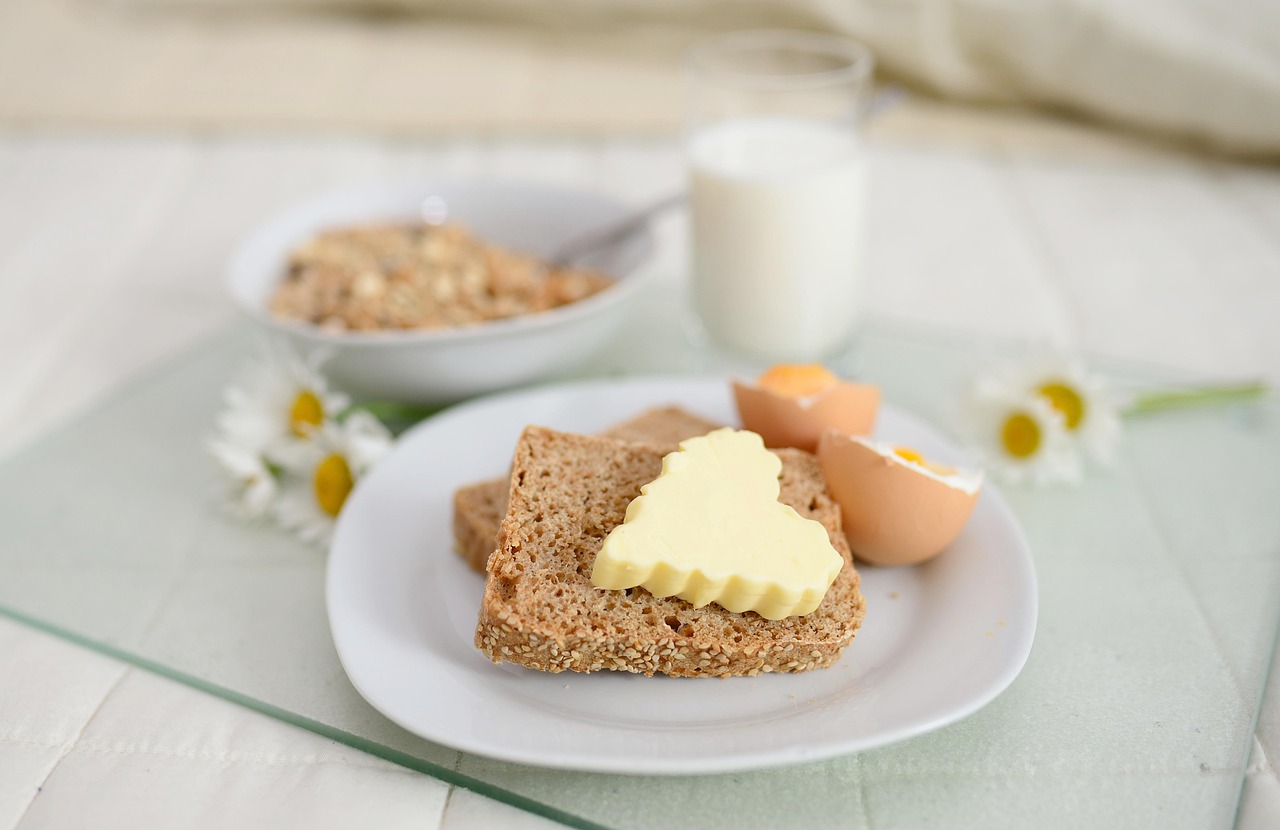
Breakfast foods make surprisingly excellent dinner options, especially when you’re short on time and energy. A veggie-packed omelet with mushrooms, spinach, tomatoes, and a sprinkle of feta cheese comes together in under ten minutes and provides complete protein alongside fiber-rich vegetables that keep your GI score low.
Greek yogurt bowls offer another breakfast-inspired dinner that works beautifully for rushed evenings. Layer plain Greek yogurt with nuts, seeds, berries, and a drizzle of honey for a meal that feels indulgent while delivering protein, healthy fats, and antioxidants. Add a side of whole grain toast with avocado to make it more substantial.
Scrambled eggs with black beans and salsa create a protein-rich meal that’s deeply satisfying without weighing you down. The combination of eggs and beans provides complementary amino acids while the fiber in the beans significantly lowers the overall glycemic impact of the meal. Wrap it in a small whole wheat tortilla if you prefer, or serve over greens for an even lower-GI option.
🥙 Power Bowls and Wraps: Customizable Speed Solutions
Bowl meals have revolutionized quick cooking because they’re endlessly adaptable to whatever you have available. Start with a low-GI base like cauliflower rice, quinoa, or mixed greens, add a protein source such as canned chickpeas, grilled chicken strips, or tofu, pile on raw or quickly sautéed vegetables, and finish with a flavorful dressing or sauce.
A Mediterranean bowl combines pre-cooked quinoa, canned chickpeas rinsed and drained, cucumber, tomatoes, red onion, kalamata olives, and a quick lemon-tahini dressing. Every component either requires zero cooking or uses convenience items, yet the finished product tastes restaurant-quality and keeps you satisfied for hours.
Asian-inspired bowls work equally well using edamame, shredded cabbage, julienned carrots, and leftover protein with a simple dressing of rice vinegar, sesame oil, and a touch of honey. The high fiber content from the vegetables and legumes combined with protein creates that magical low-GI combination that prevents blood sugar roller coasters.
Wraps follow the same template but offer portability if you’re eating on the run. Use whole grain or legume-based tortillas, spread with hummus or mashed avocado, layer with protein and vegetables, and roll tightly. A tuna salad wrap with white beans, celery, and mixed greens takes eight minutes from start to finish.
🍲 Soup and Salad Combinations That Actually Fill You Up
The soup-and-salad pairing gets dismissed as diet food, but when constructed thoughtfully, this combination delivers serious nutrition and satisfaction. The key is ensuring both components contain protein and fiber rather than relying on broth-based soups and lettuce-only salads.
A hearty lentil soup made from canned lentils (drained and heated with vegetable broth, diced tomatoes, and spices) pairs beautifully with a robust salad featuring mixed greens, walnuts, apple slices, and grilled chicken. The entire meal comes together in the time it takes to heat the soup and chop your salad ingredients.
White bean and kale soup offers another quick option—simply sauté garlic briefly, add canned white beans with their liquid, throw in chopped kale, and season with Italian herbs. Serve alongside a tomato-mozzarella salad with whole grain crackers for a complete meal that honors both convenience and nutrition.
Cold soups work wonderfully during warmer months. Gazpacho made in a blender takes five minutes and pairs perfectly with a chickpea salad dressed with lemon and herbs. These combinations prove that quick meals don’t need to involve heat at all.
🐟 Protein-Forward Plates That Come Together in Minutes
Quality protein forms the foundation of satisfying low-GI meals because it slows digestion and prevents rapid glucose absorption. The good news is that many protein sources cook remarkably quickly when prepared using high-heat methods or purchased pre-cooked.
Salmon fillets cook in just 8-10 minutes under a hot broiler or in a screaming-hot skillet. Season simply with lemon, garlic, and herbs, then serve over a bed of baby spinach that wilts slightly from the heat of the fish. Add cherry tomatoes and white beans tossed in balsamic vinegar for a complete meal that looks impressive despite requiring minimal effort.
Shrimp might be the ultimate quick-cooking protein, transforming from raw to perfectly cooked in just 3-4 minutes. Sauté with zucchini noodles, garlic, and a splash of white wine for a low-carb, low-GI dinner that feels restaurant-special. The zucchini provides volume and nutrients without spiking blood sugar.
Pre-cooked rotisserie chicken eliminates cooking time entirely while still providing lean protein. Shred it over a massive salad, use it to top cauliflower rice with pesto and sun-dried tomatoes, or wrap it with hummus and vegetables. This convenience product becomes your weeknight secret weapon.
🥗 Strategic Meal Prep Makes 15-Minute Dinners Even Easier
While this article focuses on quick preparation, spending 20-30 minutes on Sunday doing strategic prep work makes your weeknight meals come together in even less time. This isn’t full meal prep where you eat identical food all week—it’s simply creating components that assemble quickly into varied meals.
Cook a large batch of quinoa, brown rice, or lentils that you portion into containers for the week. Wash and chop vegetables so they’re grab-and-go ready. Prepare a couple of simple dressings or sauces that add flavor without adding time. These small investments multiply throughout the week.
Batch-cooking proteins also pays dividends. Grill several chicken breasts, hard-boil a dozen eggs, or roast a pan of tofu cubes. With these components ready, your 15-minute meals might actually take just 7-8 minutes of active assembly time.
Frozen vegetables deserve special mention as prep-free ingredients that retain excellent nutritional value. Bags of frozen broccoli, cauliflower, green beans, and mixed vegetables steam in minutes and work beautifully in stir-fries, curries, and side dishes without any washing or chopping required.
🌮 Quick Low-GI Dinners Kids Will Actually Eat
Parents face the additional challenge of preparing meals that meet nutritional standards while satisfying young palates. The good news is that many low-GI foods naturally appeal to children when presented in familiar formats.
Whole grain tortilla pizzas let kids customize their own dinner while you control the quality of ingredients. Use whole wheat tortillas as the base, spread with tomato sauce, add mozzarella cheese and vegetable toppings, then broil for 5-6 minutes. Pair with carrot sticks and hummus for a balanced, low-GI meal that feels like a treat.
DIY taco bars work similarly well—set out seasoned ground turkey or black beans, whole grain tortillas or lettuce wraps, and various toppings like cheese, tomatoes, avocado, and salsa. Kids enjoy the interactive element while you ensure everyone gets protein, fiber, and vegetables.
Smoothie bowls bridge the gap between meal and treat beautifully. Blend frozen berries, banana, Greek yogurt, and spinach (the berries mask the color), pour into bowls, and let kids top with granola, sliced fruit, and a drizzle of nut butter. This feels like dessert but delivers substantial nutrition with a low glycemic impact.
📱 Helpful Apps for Low-GI Meal Planning
Several smartphone applications can simplify your journey toward consistent low-GI eating by providing glycemic index databases, quick recipe ideas, and meal planning tools. The Glycemic Index app offers a comprehensive database of foods with their GI values, helping you make informed choices when grocery shopping or planning meals.
Recipe apps with filtering options allow you to search specifically for low-GI or diabetes-friendly meals with preparation times of 15 minutes or less. These digital tools remove the guesswork and provide inspiration when you’re stuck in a dinner rut, scrolling through your phone wondering what to make.
🛒 Smart Shopping for Quick Low-GI Cooking Success
Your grocery shopping strategy directly impacts how quickly you can prepare healthy meals. Shopping the perimeter of the store—where fresh produce, proteins, and dairy live—naturally steers you toward whole foods with lower glycemic values and fewer processed ingredients.
Stock your pantry with time-saving staples that don’t compromise nutrition. Canned beans, canned fish, jarred roasted peppers, quality olive oil, vinegars, and a variety of spices transform simple ingredients into flavorful meals. Frozen fruits and vegetables actually retain more nutrients than “fresh” produce that’s been sitting for days.
Learn to read labels efficiently, focusing on fiber content (higher is better for lowering GI) and ingredient lists (shorter is typically better). Products with whole grains listed as the first ingredient, minimal added sugars, and at least 3-4 grams of fiber per serving generally fall into the low-GI category.
💡 Troubleshooting Common Quick-Meal Challenges
Even with the best intentions, obstacles arise. One common issue is recipe fatigue—eating the same meals repeatedly because they’re familiar and quick. Combat this by introducing just one new recipe per week rather than overhauling your entire repertoire, which prevents overwhelm while gradually expanding your rotation.
Another challenge involves family members with different preferences or schedules. Build meals with customizable components rather than single-dish preparations. A taco bar, salad station, or bowl meal allows each person to select what they want while you prepare just once.
Time estimation difficulties often derail quick-meal plans—what the recipe calls 15 minutes somehow takes 35 in reality. Start by acknowledging that your first attempt at any recipe takes longer than subsequent ones. Also, prep ingredients before you start cooking rather than multitasking, which actually speeds the overall process.
🌟 Making Low-GI Quick Meals Your Sustainable Reality
The true measure of any eating approach isn’t how perfectly you execute it for a week but whether it becomes a sustainable part of your life over months and years. Quick low-GI meals succeed precisely because they don’t require perfection or extraordinary effort—they simply require a shift in how you think about dinner.
Start small by implementing just two or three quick low-GI meals this week, choosing ones that genuinely appeal to you rather than what you think you “should” eat. Success builds on success, and as these meals become familiar, they’ll actually take less than 15 minutes while your energy levels improve noticeably.
Remember that some nights will still involve takeout or something less nutritious, and that’s completely fine. The goal isn’t perfection but rather increasing the frequency of nourishing meals that support your energy and health without consuming all your time and mental bandwidth.
As you build this new approach to weeknight dinners, you’ll likely notice benefits extending beyond just saving time. Stable blood sugar means better mood regulation, improved sleep quality, sustained afternoon energy, and fewer cravings for sugary snacks. These positive changes reinforce your new habits, creating a virtuous cycle where healthy eating feels natural rather than forced.
Your busy nights don’t have to mean sacrificing nutrition or spending money on expensive takeout. With a well-stocked kitchen, a handful of reliable recipes, and an understanding of low-GI principles, you can consistently create meals that nourish your body, satisfy your taste buds, and leave you with energy to enjoy your evening—all in less time than delivery would take. That’s not just convenient; it’s transformative for how you experience daily life. 🌱