Managing your energy levels and keeping blood sugar stable doesn’t have to be complicated. With the right snack schedule, you can fuel your body, prevent crashes, and feel your best all day long.

Whether you’re dealing with afternoon slumps, sugar cravings, or just want to optimize your metabolism, understanding how to time and choose your snacks can transform your health. This comprehensive guide will walk you through creating a glucose-stabilizing snack schedule that works with your body’s natural rhythms.
🩸 Why Blood Sugar Balance Matters More Than You Think
Your blood sugar levels influence virtually every aspect of your daily functioning. When glucose levels spike and crash throughout the day, you experience more than just energy fluctuations. These rollercoaster patterns affect your mood, concentration, hormones, and long-term metabolic health.
Stable blood glucose creates a foundation for sustained energy, mental clarity, and reduced inflammation. When you eat foods that cause rapid spikes, your pancreas releases insulin to bring levels back down, often resulting in an overcorrection that leaves you tired, irritable, and craving more sugar.
The key to breaking this cycle lies in strategic snacking that maintains steady glucose levels between meals. This approach supports your body’s natural insulin sensitivity and prevents the metabolic stress associated with constant blood sugar swings.
Understanding Your Body’s Natural Energy Patterns ⏰
Your body operates on circadian rhythms that influence insulin sensitivity, hormone production, and energy utilization throughout the day. Recognizing these patterns helps you time your snacks for maximum benefit.
Morning hours typically feature higher cortisol levels, which naturally elevate blood sugar. Mid-morning through early afternoon is when most people experience peak insulin sensitivity, making this an ideal window for balanced snacks that include some natural carbohydrates.
The afternoon slump around 2-3 PM isn’t just about post-lunch digestion. It’s a natural dip in your circadian rhythm where blood sugar regulation becomes more challenging. This is precisely when strategic snacking becomes most important.
The Three Critical Snack Windows
Rather than constant grazing or ignoring hunger signals, focus on three strategic snack windows that support metabolic health:
- Mid-morning (10:00-10:30 AM): Bridges breakfast and lunch, preventing excessive hunger that leads to overeating
- Mid-afternoon (3:00-3:30 PM): Combats the natural energy dip and stabilizes glucose during lower insulin sensitivity
- Early evening (6:00-6:30 PM): Optional pre-dinner snack if dinner is delayed, preventing blood sugar drops
🥜 The Glucose-Stabilizing Formula for Perfect Snacks
Not all snacks are created equal when it comes to blood sugar management. The most effective glucose-stabilizing snacks follow a specific macronutrient formula that slows digestion and provides sustained energy.
Every blood sugar-friendly snack should include protein, healthy fats, and fiber. This combination slows glucose absorption, triggers satiety hormones, and prevents the insulin spike-crash cycle. Aim for snacks containing 5-10 grams of protein, 5-8 grams of healthy fats, and at least 3 grams of fiber.
The magic happens when these macronutrients work together. Protein stimulates insulin release in a gradual manner while also triggering glucagon, which helps maintain glucose levels. Fats slow gastric emptying, extending the release of glucose into your bloodstream. Fiber adds bulk and further slows digestion while feeding beneficial gut bacteria.
Power Combinations That Work
Here are tested snack combinations that deliver the perfect macronutrient balance:
- Greek yogurt with almonds and chia seeds
- Apple slices with almond butter and a sprinkle of cinnamon
- Hard-boiled eggs with cherry tomatoes and avocado slices
- Celery sticks with hummus and olives
- Mixed nuts with a small piece of dark chocolate (85% cacao or higher)
- Cottage cheese with cucumber slices and pumpkin seeds
- Turkey roll-ups with cheese and bell pepper strips
- Edamame with seaweed snacks
Your Ultimate Glucose-Stabilizing Snack Schedule 📅
Creating consistency with your snack timing helps regulate your metabolic hormones and trains your body to expect fuel at optimal intervals. This schedule works with most eating patterns and can be adjusted based on your meal timing.
Morning Protocol (10:00-10:30 AM)
If you eat breakfast around 7:00-8:00 AM, a mid-morning snack prevents the pre-lunch energy crash. This snack should be lighter than your afternoon option, around 150-200 calories, as insulin sensitivity is typically higher in the morning.
Ideal morning snacks include a small handful of raw almonds with berries, or Greek yogurt with ground flaxseed. These options provide sustained energy without overwhelming your system with calories when your body is still processing breakfast.
Afternoon Powerhouse (3:00-3:30 PM)
This is your most important snack of the day. The afternoon window is when blood sugar tends to drop and cravings intensify. A robust snack of 200-250 calories with balanced macronutrients can transform your energy levels and prevent evening overeating.
Consider this your metabolic reset button. Options like half an avocado with smoked salmon on cucumber rounds, or a protein-rich smoothie with spinach, protein powder, nut butter, and ice create a substantial mini-meal that stabilizes glucose for hours.
Evening Bridge (6:00-6:30 PM – Optional)
If dinner happens after 7:30 PM, an early evening snack prevents blood sugar from dropping too low. Keep this snack small and protein-focused, around 100-150 calories. A few slices of turkey with cheese or a small serving of cottage cheese works perfectly.
🎯 Customizing Your Schedule for Different Lifestyles
Your ideal snack schedule depends on your meal timing, activity level, and metabolic health status. Athletes, shift workers, and those managing diabetes or prediabetes need personalized approaches.
For Early Risers and Breakfast Lovers
If you eat breakfast at 6:00 AM and lunch at noon, you might need two morning snacks: one around 9:00 AM and another lighter option at 11:00 AM. Focus on smaller portions spread throughout the morning to maintain steady glucose levels across a longer timeframe.
For Intermittent Fasters
Those practicing time-restricted eating can still benefit from strategic snacking within their eating window. If your window is 12:00 PM to 8:00 PM, schedule snacks at 3:00 PM and 6:00 PM to prevent the tendency to overeat during the main meals.
For Active Individuals and Athletes
Physical activity depletes glycogen stores and increases insulin sensitivity. Time your most carbohydrate-inclusive snacks around workouts. A pre-workout snack 60-90 minutes before exercise might include fruit with nut butter, while post-workout snacks should emphasize protein with moderate carbs for recovery.
Foods to Prioritize for Maximum Blood Sugar Control 🥑
Certain foods have exceptional glucose-stabilizing properties due to their nutrient profiles, fiber content, or specific bioactive compounds. Building your snack schedule around these foods amplifies the benefits.
Protein Powerhouses
High-quality proteins should form the foundation of most snacks. Greek yogurt, cottage cheese, eggs, nuts, seeds, and lean meats provide essential amino acids while triggering satiety hormones that help regulate appetite and metabolism.
Healthy Fats That Satisfy
Avocados, nuts, seeds, olives, and olive oil slow digestion dramatically. These fats also support hormone production and nutrient absorption. Omega-3 rich options like walnuts, chia seeds, and fatty fish provide additional anti-inflammatory benefits that support insulin sensitivity.
Fiber-Rich Champions
Non-starchy vegetables, berries, chia seeds, flaxseeds, and legumes deliver fiber that feeds beneficial gut bacteria and slows glucose absorption. Aim for at least 3-5 grams of fiber in each snack to maximize blood sugar benefits.
Cinnamon and Other Metabolic Enhancers
Certain spices and foods contain compounds that support healthy glucose metabolism. Cinnamon improves insulin sensitivity, apple cider vinegar may reduce post-meal glucose spikes, and green tea provides catechins that support metabolic health. Incorporate these strategically into your snacks.
⚠️ Common Snacking Mistakes That Sabotage Blood Sugar
Even with good intentions, many people make snacking choices that work against their glucose control goals. Recognizing these pitfalls helps you avoid metabolic setbacks.
The Carb-Only Trap
Snacking exclusively on crackers, pretzels, fruit, or granola bars creates rapid glucose spikes followed by crashes. These foods lack the protein and fat necessary to moderate carbohydrate absorption. Always pair any carbohydrate-based snack with protein or healthy fats.
Portion Distortion
Even healthy snacks can destabilize blood sugar if portions are excessive. A snack should be just that—a bridge between meals, not a fourth meal. Pre-portion snacks to avoid mindlessly overeating, which can lead to glucose spikes and reduced insulin sensitivity over time.
Liquid Sugar Bombs
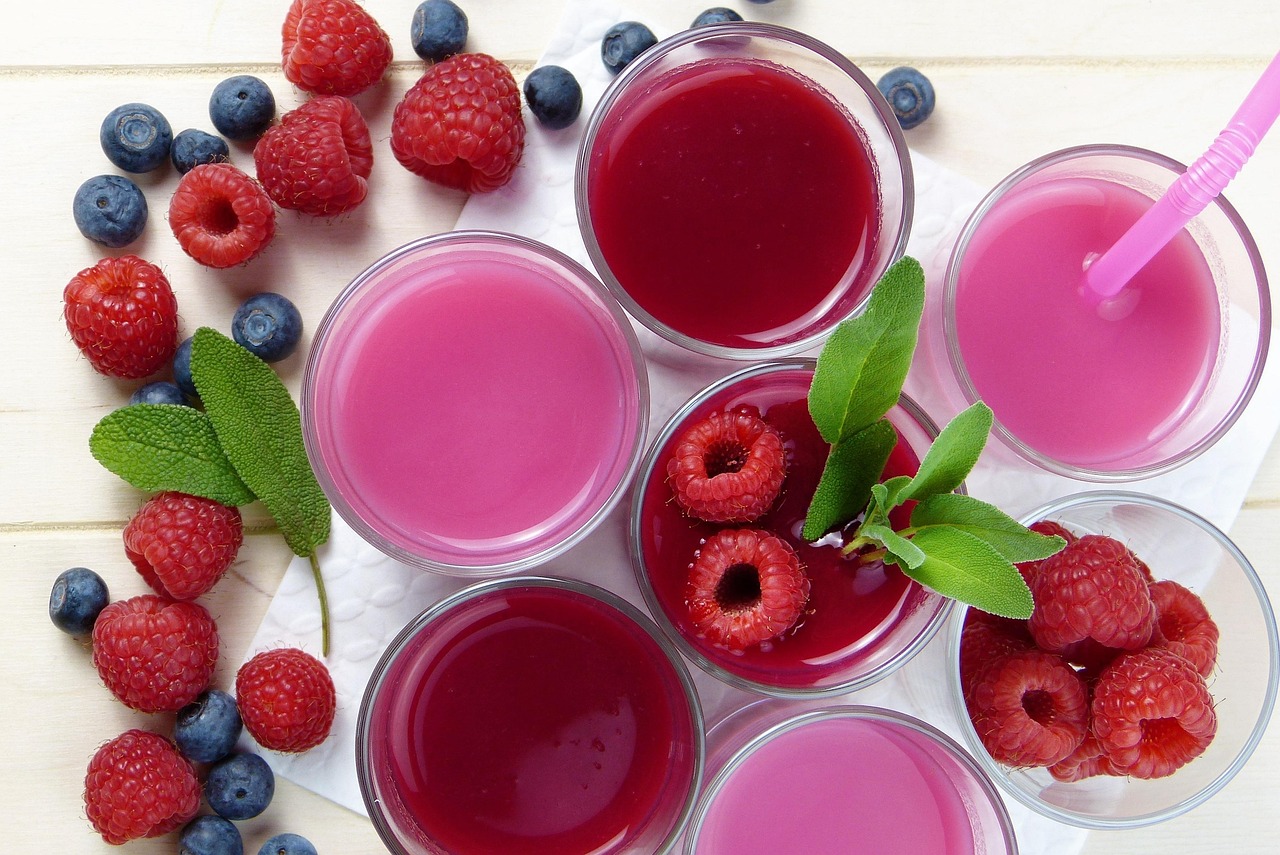
Fruit juices, sweetened coffee drinks, and smoothies loaded with multiple servings of fruit deliver concentrated sugar without adequate fiber or protein. These beverages cause some of the most dramatic blood sugar spikes. If you enjoy smoothies, build them around protein powder, leafy greens, and healthy fats with minimal fruit.
Ignoring Hunger Signals
Waiting until you’re ravenously hungry before snacking often leads to poor choices and overeating. Tuning into subtle hunger cues and snacking proactively helps maintain steady glucose levels and prevents the desperation that leads to grabbing whatever is convenient.
🔬 Monitoring and Adjusting Your Personal Response
Individual responses to foods vary based on genetics, gut microbiome composition, stress levels, sleep quality, and activity patterns. What stabilizes blood sugar for one person might cause spikes in another.
Consider tracking your energy levels, mood, and hunger patterns for two weeks while following your new snack schedule. Note which snack combinations leave you feeling satisfied and energized versus those that trigger cravings or energy crashes within an hour.
For those with diabetes or prediabetes, or anyone curious about their glucose response, continuous glucose monitors or regular finger-stick testing can provide valuable feedback. These tools reveal exactly how different snack choices and timing affect your individual blood sugar patterns.
Building Sustainable Habits That Last 💪
The most effective snack schedule is one you can maintain consistently. Preparation and planning transform good intentions into sustainable habits that support long-term metabolic health.
Prep Once, Snack All Week
Dedicate 30 minutes on Sunday to prepare snack components for the week. Hard-boil a dozen eggs, portion nuts into small containers, wash and cut vegetables, and prepare hummus or other dips. Having grab-and-go options eliminates the barriers to healthy snacking.
Stock Your Strategic Snack Stations
Keep glucose-stabilizing snacks accessible everywhere you spend time. Stock your office desk drawer, car, gym bag, and purse with non-perishable options like nuts, seeds, and protein bars with balanced macros. At home, arrange your refrigerator with prepared snacks at eye level.
Create If-Then Snacking Plans
Mental rehearsal strengthens your ability to stick with your schedule. Create specific if-then plans: “If it’s 3:00 PM, then I’ll eat my prepared apple with almond butter.” These conditional statements create automatic behaviors that don’t require willpower.
The Ripple Effects of Blood Sugar Stability 🌊
When you consistently follow a glucose-stabilizing snack schedule, the benefits extend far beyond steady energy. Improved blood sugar control influences multiple body systems and health markers.
Better glucose regulation reduces chronic inflammation, which underlies most age-related diseases. You’ll likely notice improved skin quality, as stable blood sugar reduces glycation—the process where excess glucose damages proteins like collagen.
Mood stability improves dramatically when blood sugar stops fluctuating wildly. The anxiety, irritability, and brain fog associated with glucose crashes diminish as your metabolic patterns stabilize. Sleep quality often improves as well, since nighttime blood sugar stability supports deeper, more restorative rest.
Long-term, this approach supports healthy weight management, reduces diabetes risk, protects cardiovascular health, and may even support cognitive function as you age. Every snack becomes an investment in your future health.
Your Action Plan for Starting Tomorrow 🚀
Ready to implement your glucose-stabilizing snack schedule? Here’s your practical roadmap for the first week:
Today: Clear your pantry of snacks that don’t fit the protein-fat-fiber formula. Make a shopping list of your favorite blood sugar-friendly snack components.
Tomorrow: Shop for your snack ingredients. Purchase a variety of options so you don’t get bored. Include both prepared options for convenience and whole-food components for homemade combinations.
Day 3: Prep your snacks for the week. Set three daily alarms on your phone for your designated snack times to build the habit.
Days 4-7: Follow your schedule consistently, even if you’re not particularly hungry at snack time. Your body needs time to adjust to the new pattern. Notice how you feel at different times of day.
Week 2: Refine your approach based on your first week’s experience. Adjust portion sizes or timing if needed. Experiment with new snack combinations to find your favorites.
Remember, consistency matters more than perfection. If you miss a snack or make a less-than-ideal choice, simply return to your schedule at the next opportunity. Every snack is a fresh chance to support your metabolic health and energy levels. With time, this schedule becomes second nature, and stable energy becomes your new normal.