Smart snacking doesn’t have to be expensive or unhealthy. With the right low-GI alternatives, you can satisfy your cravings while keeping your blood sugar stable and your wallet happy.

In today’s fast-paced world, snacking has become an essential part of our daily routine. However, many conventional snack options are loaded with refined sugars and high-glycemic ingredients that spike blood sugar levels, drain your energy, and contribute to long-term health issues. The good news is that making smarter snacking choices doesn’t require breaking the bank or sacrificing flavor. By understanding the glycemic index and incorporating budget-friendly low-GI alternatives into your diet, you can revolutionize your snacking habits and take control of your health journey.
🍎 Understanding the Glycemic Index and Why It Matters
The glycemic index (GI) is a measurement system that ranks carbohydrate-containing foods based on how quickly they raise blood glucose levels after consumption. Foods are scored on a scale from 0 to 100, with pure glucose serving as the reference point at 100. Low-GI foods (55 or below) are digested and absorbed more slowly, leading to gradual rises in blood sugar and insulin levels.
This gradual release provides sustained energy throughout the day, helps control appetite, reduces cravings, and supports better weight management. High-GI foods (70 or above), on the other hand, cause rapid spikes and subsequent crashes in blood sugar, leaving you feeling hungry, fatigued, and reaching for more snacks shortly after eating.
Understanding the glycemic index empowers you to make informed decisions about your snacking choices. When you consistently choose low-GI options, you’re investing in stable energy levels, improved concentration, better mood regulation, and reduced risk of developing type 2 diabetes and cardiovascular disease.
💰 The Financial Benefits of Low-GI Snacking
One of the most compelling reasons to embrace low-GI snacking is the positive impact on your budget. While processed, high-GI snacks may seem convenient and affordable initially, they create a cycle of frequent hunger and overconsumption that ultimately costs more money over time.
Low-GI snacks keep you satisfied for longer periods, reducing the frequency of snacking and the total amount of food you need to purchase. Whole foods like nuts, seeds, vegetables, and legumes provide more nutritional value per dollar spent compared to packaged processed snacks. By preparing your own low-GI snacks at home, you eliminate the markup associated with convenience foods and gain complete control over ingredients and portion sizes.
Additionally, investing in your health through better nutrition reduces future healthcare costs associated with obesity, diabetes, and other diet-related conditions. The money saved on medical expenses and lost productivity far outweighs any minimal additional cost of choosing quality low-GI ingredients.
🥜 Affordable Low-GI Snack Alternatives That Actually Taste Amazing
Transitioning to low-GI snacking doesn’t mean sacrificing flavor or variety. Numerous delicious and budget-friendly options can satisfy every craving while keeping your blood sugar stable and your finances intact.
Nuts and Seeds: Nature’s Perfect Portable Snack
Raw or dry-roasted nuts and seeds are excellent low-GI choices packed with healthy fats, protein, and fiber. Almonds, walnuts, cashews, pumpkin seeds, and sunflower seeds all have minimal impact on blood sugar. Buying these items in bulk from warehouse stores or online retailers significantly reduces cost per serving. A small handful (about 30 grams) provides lasting energy and satisfaction for just pennies per serving.
Create your own trail mix by combining nuts with unsweetened coconut flakes and a few dark chocolate chips for variety. This homemade version costs a fraction of pre-packaged trail mixes and allows you to control sugar content and portion sizes.
Vegetable Sticks with Homemade Dips
Fresh vegetables like carrots, celery, cucumber, bell peppers, and cherry tomatoes are incredibly low on the glycemic index and extremely affordable, especially when purchased in season or from local markets. Pair these crunchy vegetables with homemade hummus, Greek yogurt dips, or guacamole for added protein and healthy fats.
Making hummus at home requires only canned chickpeas, tahini, lemon juice, garlic, and olive oil—ingredients that cost significantly less than store-bought versions. A single batch can provide numerous servings of delicious, protein-rich dip that transforms simple vegetables into a satisfying snack.
Greek Yogurt Parfaits with Berries
Plain Greek yogurt is a low-GI powerhouse loaded with protein that keeps you full for hours. Berries, including strawberries, blueberries, raspberries, and blackberries, are among the lowest-GI fruits and contain beneficial antioxidants. Layer Greek yogurt with fresh or frozen berries and a sprinkle of ground flaxseed or chia seeds for added fiber and omega-3 fatty acids.
Purchasing larger containers of plain Greek yogurt and buying frozen berries in bulk dramatically reduces costs while providing all the nutritional benefits. Avoid flavored yogurts which contain added sugars that spike the glycemic load.
Hard-Boiled Eggs: The Ultimate Budget-Friendly Protein
Eggs have a glycemic index of zero and are one of the most affordable protein sources available. Hard-boil a dozen eggs at the beginning of the week for convenient grab-and-go snacks. Each egg contains approximately 6 grams of high-quality protein along with essential vitamins and minerals.
Sprinkle hard-boiled eggs with everything bagel seasoning, paprika, or hot sauce for variety. At roughly 15-30 cents per egg depending on your location, this snack delivers exceptional nutritional value for minimal cost.
🍿 Low-GI Alternatives to Your Favorite High-GI Snacks
Craving specific flavors or textures doesn’t mean you need to reach for high-GI processed foods. These strategic substitutions deliver similar satisfaction with superior nutritional profiles and lower costs.
Instead of Potato Chips: Air-Popped Popcorn or Roasted Chickpeas
Regular potato chips have a high glycemic index and provide little nutritional value. Air-popped popcorn offers a crunchy, satisfying alternative with fiber and whole grains at a fraction of the cost. Season with nutritional yeast, herbs, or spices for flavor without adding sugar or unhealthy fats.
Roasted chickpeas provide another excellent chip alternative. Drain and rinse canned chickpeas, toss with olive oil and seasonings, and bake until crispy. This protein-rich snack costs pennies per serving and delivers sustained energy.
Instead of Candy Bars: Dark Chocolate with Almonds
When sweet cravings strike, a small square of dark chocolate (70% cocoa or higher) paired with a few almonds provides satisfaction without the blood sugar rollercoaster. Dark chocolate has a lower glycemic index than milk chocolate and contains beneficial antioxidants.
Purchase dark chocolate in bulk bars and portion into small squares rather than buying individually wrapped candies. Combined with almonds, this snack delivers healthy fats, protein, and minerals while satisfying chocolate cravings.
Instead of Pretzels or Crackers: Apple Slices with Nut Butter
Refined grain crackers and pretzels rapidly convert to sugar in your bloodstream. Apple slices spread with natural almond or peanut butter provide fiber, protein, and healthy fats that stabilize blood sugar while delivering sweet and savory satisfaction.
Apples are affordable year-round, and natural nut butters purchased in larger containers cost significantly less per serving than single-serving packets or fancy branded versions. This combination costs roughly 50 cents to one dollar per snack depending on portion sizes.
📱 Technology Tools to Support Your Low-GI Journey
Tracking your food intake and understanding the glycemic impact of different foods becomes easier with smartphone applications designed specifically for this purpose. The MyFitnessPal app helps you log meals and snacks while providing nutritional information including carbohydrate content, which relates directly to glycemic load.
Using food tracking applications creates awareness of snacking patterns and helps identify opportunities to swap high-GI options for healthier alternatives. Many apps include barcode scanning features that make logging quick and convenient, removing barriers to consistent tracking.
🛒 Smart Shopping Strategies for Low-GI Snacking on a Budget
Where and how you shop significantly impacts both the quality of your snacks and their cost. Implementing strategic shopping habits maximizes nutritional value while minimizing expenses.
Buy in Bulk Whenever Possible
Warehouse stores and bulk sections of grocery stores offer dramatic savings on nuts, seeds, whole grains, and dried legumes. The cost per pound decreases substantially when purchasing larger quantities. Portion bulk purchases into smaller containers or bags for convenient grab-and-go access throughout the week.
Shop Seasonally and Locally
Fruits and vegetables cost significantly less when purchased in season from farmers markets or local produce stands. Seasonal produce also tends to taste better and contain more nutrients since it’s harvested at peak ripeness. Build relationships with local vendors who may offer discounts for regular customers or near-closing-time purchases.
Embrace Frozen Options
Frozen berries, vegetables, and even certain proteins offer identical nutritional profiles to fresh versions at substantially lower prices. Frozen produce is picked at peak ripeness and immediately frozen, preserving nutrients and flavor. Stock your freezer with low-GI frozen options for convenient snacking year-round without waste.
Prepare Snacks in Advance
Dedicating one hour weekly to snack preparation prevents impulse purchases and ensures healthy options are always available. Wash and cut vegetables, portion nuts into small containers, prepare hummus or dips, and hard-boil eggs. This investment of time saves money and makes healthy snacking as convenient as grabbing processed alternatives.
🥗 Creating Balanced Low-GI Snacks for Maximum Satisfaction
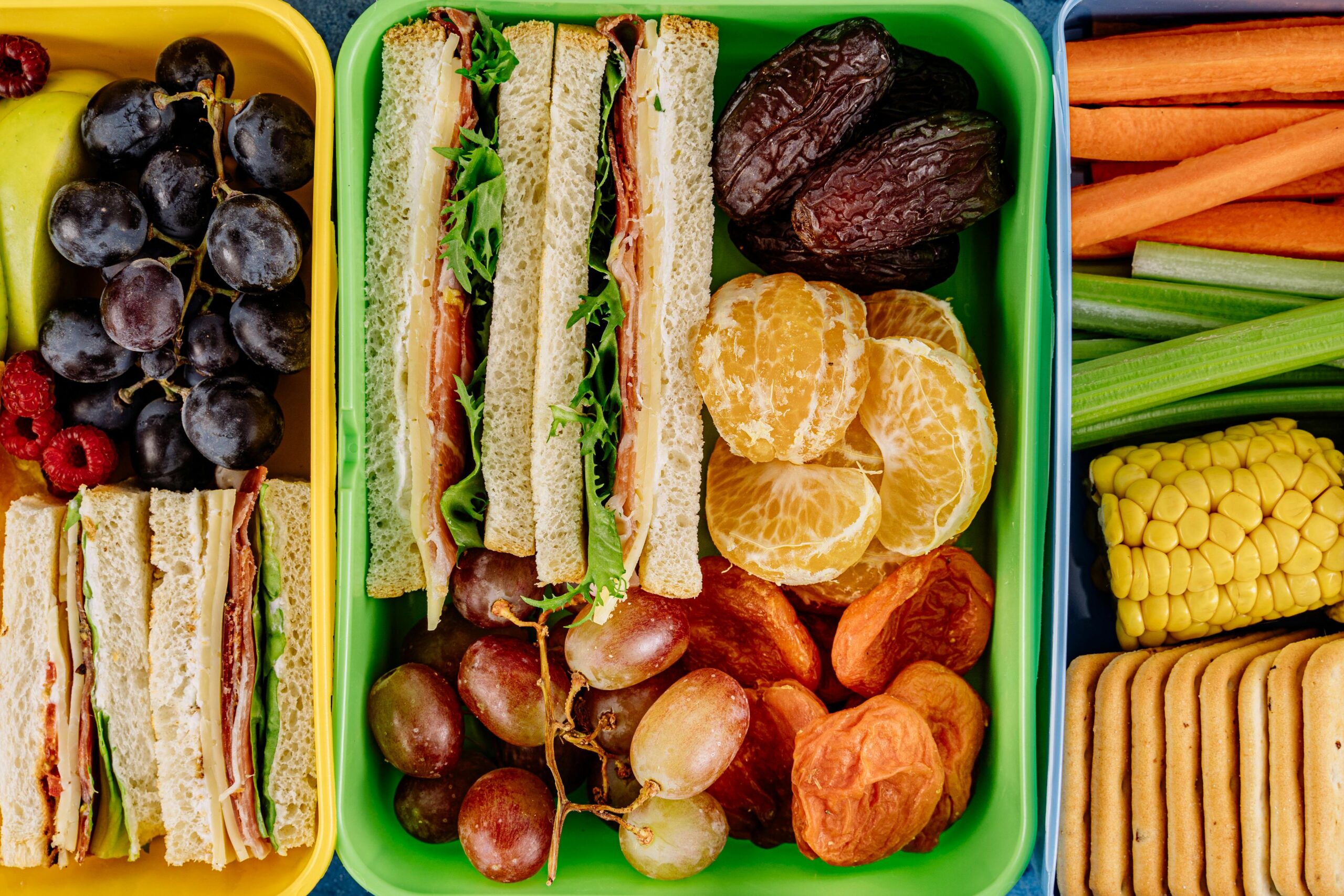
The most satisfying snacks combine multiple macronutrients—protein, healthy fats, and complex carbohydrates. This combination provides lasting energy, controls appetite, and delivers comprehensive nutrition.
When building your snacks, aim to include at least two of these three components. For example, pair carbohydrate sources like fruit or whole grain crackers with protein from nuts, cheese, or yogurt. Add healthy fats through avocado, seeds, or nut butters. This balanced approach lowers the overall glycemic impact of your snack while providing superior satisfaction compared to single-ingredient options.
Portion control remains important even with healthy low-GI foods. While nuts provide excellent nutrition, consuming an entire bag in one sitting adds unnecessary calories and costs. Pre-portioning snacks into appropriate serving sizes prevents overeating and stretches your food budget further.
🌟 Building Sustainable Healthy Snacking Habits
Transitioning to low-GI snacking represents a lifestyle change rather than a temporary diet. Sustainability requires gradual implementation, flexibility, and self-compassion when challenges arise.
Start by replacing one high-GI snack daily with a low-GI alternative. As this becomes habitual, gradually expand your repertoire of healthy options. Don’t aim for perfection—occasional indulgences in higher-GI treats won’t derail your progress when your foundation consists of predominantly low-GI choices.
Involve family members or housemates in your healthy snacking journey. When everyone participates, you eliminate temptation from the household and create accountability. Children especially benefit from developing healthy snacking habits early, establishing patterns that serve them throughout life.
Keep a variety of low-GI snacks readily accessible in your home, car, and workplace. When healthy options are convenient and visible, you’re far more likely to choose them over less nutritious alternatives. This environmental design approach removes willpower from the equation and makes healthy choices the path of least resistance.
💪 The Long-Term Health and Financial Rewards
Adopting low-GI snacking habits delivers compound benefits that extend far beyond immediate blood sugar control. Over months and years, this approach transforms your overall health profile and financial wellbeing in profound ways.
Stable blood sugar levels reduce inflammation throughout the body, decreasing risk factors for numerous chronic diseases including heart disease, stroke, certain cancers, and Alzheimer’s disease. Better appetite control supports healthy weight management without restrictive dieting or calorie counting. Improved energy levels enhance productivity at work and enjoyment of leisure activities.
From a financial perspective, the savings accumulate rapidly. Reducing consumption of expensive processed snacks, minimizing healthcare costs, and preventing lost income due to illness creates substantial economic advantages. Many people report saving $50-100 monthly simply by preparing low-GI snacks at home rather than purchasing convenience foods.
Perhaps most importantly, investing in your health through smart snacking choices models positive behaviors for children, partners, and friends. The ripple effects of your decisions extend throughout your social network, potentially improving the health outcomes of people you care about most.
🎯 Your Action Plan for Smart Snacking Success
Ready to transform your snacking habits? Begin with these practical steps that create immediate momentum toward healthier, more affordable choices.
First, audit your current snack inventory. Identify high-GI processed items and decide which you’ll replace immediately versus phasing out gradually. Donate unopened processed foods to local food banks rather than forcing yourself to consume them.
Second, create a shopping list of five low-GI snacks that appeal to you based on this article. Purchase these items during your next grocery trip and prepare them for easy access. Stock visible locations like your refrigerator front shelf, desk drawer, and car console with healthy options.
Third, establish a weekly meal prep routine that includes snack preparation. Sunday afternoons or Wednesday evenings work well for many people. Consistent timing builds habits more effectively than sporadic efforts.
Fourth, track your progress and celebrate small victories. Notice increased energy levels, improved mood stability, reduced afternoon slumps, and money saved. These positive reinforcements strengthen your commitment to sustainable change.
Smart snacking through low-GI alternatives represents one of the most accessible health interventions available. Unlike extreme diets or expensive supplements, this approach works with your body’s natural systems to promote optimal functioning. The combination of improved health outcomes and significant cost savings makes low-GI snacking a rare win-win strategy that delivers benefits immediately and compounds over time. Your future self will thank you for making these simple but powerful changes today. 🌈