Making smart food choices doesn’t have to mean choosing between your health and your wallet. Understanding how to balance glycemic load with cost efficiency can transform your grocery shopping experience and overall wellbeing.

The modern consumer faces a constant challenge: eating well while staying within budget. With rising food prices and increasing health concerns, finding the sweet spot between nutritional value and affordability has never been more critical. This comprehensive guide will help you navigate the complex relationship between glycemic load and cost efficiency, empowering you to make informed decisions that benefit both your body and your bank account.
🔍 Understanding Glycemic Load: More Than Just a Number
Glycemic load (GL) represents how much a specific food will raise your blood sugar levels, taking into account both the quality and quantity of carbohydrates. Unlike the glycemic index, which only measures the speed at which foods raise blood glucose, glycemic load provides a more practical, real-world measurement.
Foods with a low glycemic load (10 or less) cause minimal blood sugar spikes, while medium GL foods (11-19) create moderate increases, and high GL foods (20 or more) can trigger significant blood sugar elevations. This distinction matters tremendously for weight management, energy levels, diabetes prevention, and overall metabolic health.
The beauty of understanding glycemic load lies in its practical application. You don’t need to eliminate all high-carbohydrate foods; instead, you learn to choose wisely and control portions effectively. This knowledge becomes especially powerful when combined with cost considerations, creating a framework for sustainable, healthy eating on any budget.
💰 The Real Cost of Food: Beyond the Price Tag
When evaluating food costs, we must look beyond the sticker price. Cost efficiency involves considering the nutritional density, satiety factor, shelf life, and health impact of what we purchase. A cheap bag of white rice might seem economical initially, but its high glycemic load and limited nutritional profile tell a different story.
True cost efficiency factors in how food makes you feel, how long it keeps you satisfied, and its long-term impact on your health. Foods that stabilize blood sugar tend to reduce cravings and overeating, potentially saving money by reducing total food consumption. Meanwhile, preventing chronic diseases through smart food choices can save thousands in future medical expenses.
🥗 Low Glycemic Load Foods That Won’t Break the Bank
The intersection of low glycemic load and affordability offers numerous opportunities for budget-conscious health seekers. Many nutritious, blood-sugar-friendly foods are surprisingly economical, especially when purchased strategically.
Legumes: The Nutritional Powerhouses
Dried beans, lentils, and chickpeas represent perhaps the best value in nutrition. With a glycemic load ranging from 4 to 8 per serving, they provide sustained energy without blood sugar spikes. A one-pound bag of dried lentils costs roughly $2-3 and provides 10-12 servings of protein-rich, fiber-loaded nutrition.
Canned beans offer convenience at slightly higher costs but still remain exceptionally economical. Black beans, kidney beans, and pinto beans all maintain low glycemic loads while providing substantial protein, making them excellent meat substitutes that stretch food budgets considerably.
Eggs: Affordable Protein Perfection
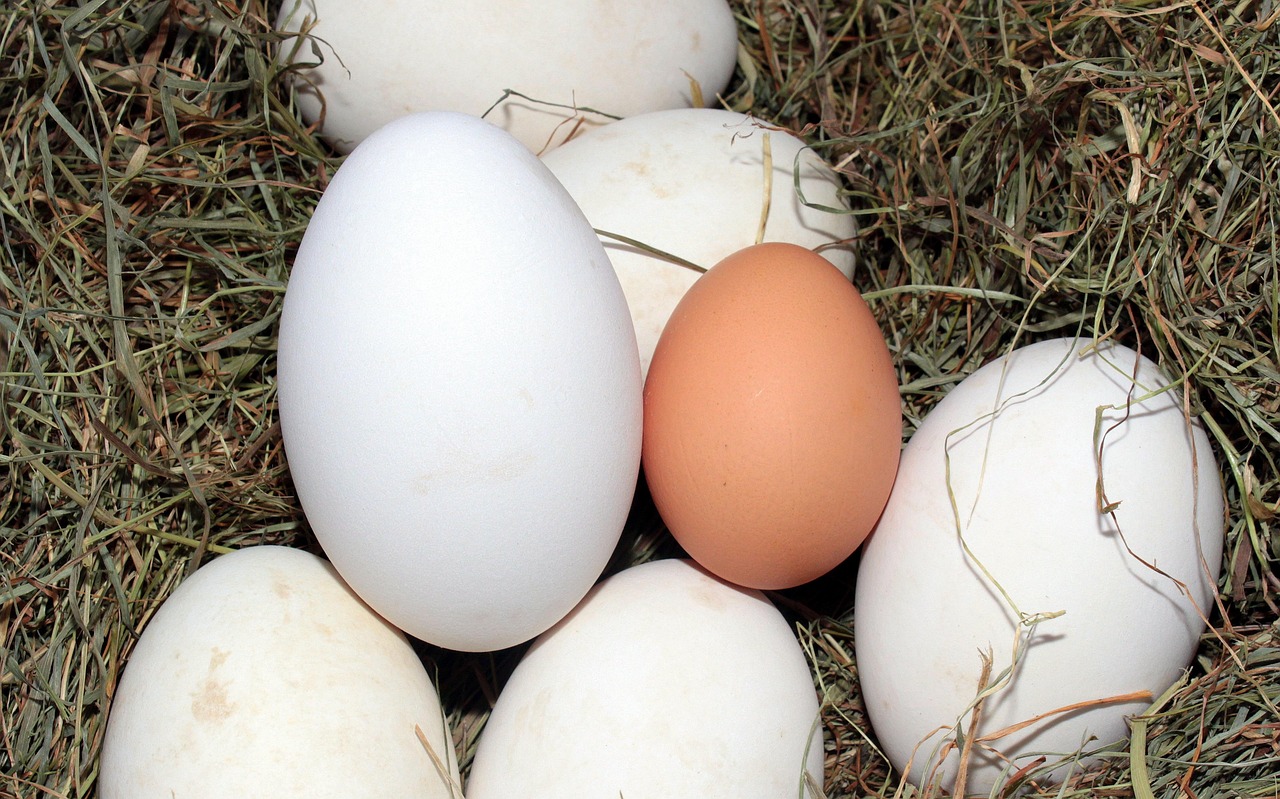
With a glycemic load of zero, eggs provide complete protein, healthy fats, and essential nutrients at minimal cost. Even organic, pasture-raised eggs typically cost less per serving than most meat options. Their versatility allows endless meal possibilities, from breakfast to dinner.
Seasonal Vegetables: Nature’s Budget Bargains
Most non-starchy vegetables have negligible glycemic loads and become remarkably affordable when purchased in season. Cabbage, carrots, onions, and leafy greens offer exceptional nutritional density for pennies per serving. Frozen vegetables provide year-round access to low-glycemic nutrition without premium prices.
Whole Grains in Bulk
Steel-cut oats, brown rice, and barley purchased in bulk sections offer substantial savings while maintaining moderate glycemic loads. Though higher than vegetables, their fiber content moderates blood sugar impact while providing filling, satisfying meals at under $0.50 per serving.
⚖️ Comparing Popular Foods: Glycemic Load vs Cost Analysis
Understanding specific food comparisons helps inform practical shopping decisions. Let’s examine how common foods stack up when considering both glycemic impact and economic value.
| Food Item | Glycemic Load (per serving) | Approximate Cost per Serving | Value Rating |
|---|---|---|---|
| White Bread (2 slices) | 20 | $0.30 | Poor |
| Whole Grain Bread (2 slices) | 14 | $0.50 | Good |
| White Rice (1 cup cooked) | 23 | $0.25 | Poor |
| Brown Rice (1 cup cooked) | 16 | $0.35 | Better |
| Lentils (1 cup cooked) | 7 | $0.25 | Excellent |
| Quinoa (1 cup cooked) | 13 | $1.20 | Fair |
| Sweet Potato (medium) | 17 | $0.75 | Good |
| Regular Potato (medium) | 21 | $0.40 | Fair |
| Apple (medium) | 6 | $0.50 | Excellent |
| Banana (medium) | 12 | $0.25 | Very Good |
🛒 Strategic Shopping: Maximizing Both Health and Savings
Implementing a strategic approach to grocery shopping amplifies the benefits of understanding glycemic load and cost efficiency. Several practical tactics can help you optimize both factors simultaneously.
Buy in Bulk Wisely
Purchasing staple low-glycemic foods in larger quantities dramatically reduces per-serving costs. Dried beans, whole grains, nuts, and seeds stored properly can last months while providing consistently healthy, economical meals. Warehouse stores and bulk sections offer significant savings on these items.
Embrace Meal Planning
Planning meals around affordable, low-glycemic ingredients reduces impulse purchases and food waste. Creating a weekly menu based on sale items and seasonal produce ensures you maximize both nutritional value and cost efficiency. This approach also prevents the expensive habit of last-minute takeout when unprepared.
Cook From Scratch
Processed foods typically cost more per serving while delivering higher glycemic loads. Cooking from whole ingredients gives you complete control over both factors. A homemade bean chili costs a fraction of canned soup while providing superior nutrition and blood sugar stability.
Prioritize Protein and Fiber
Foods rich in protein and fiber naturally tend toward lower glycemic loads while promoting satiety. Prioritizing these reduces overall food consumption, making even slightly more expensive options economical. Greek yogurt, cottage cheese, and eggs provide affordable protein, while vegetables and legumes deliver filling fiber.
📱 Technology Tools for Smarter Food Choices
Modern technology offers helpful resources for tracking both glycemic load and food costs. Several applications can assist in making informed decisions while shopping and meal planning.
Nutrition tracking apps often include glycemic index and load information alongside calorie and macronutrient data. Some grocery shopping apps allow price comparisons across stores, helping identify the best deals on healthy staples. Budget tracking tools specifically designed for food spending can reveal patterns and opportunities for optimization.
🍽️ Practical Meal Ideas: Low Glycemic Load Meets Low Cost
Theory transforms into results through practical application. These meal ideas demonstrate how to combine favorable glycemic loads with minimal expense.
Breakfast Options
- Steel-cut oats topped with cinnamon and a sliced apple (GL: 8, Cost: $0.75)
- Scrambled eggs with sautéed vegetables (GL: 3, Cost: $1.25)
- Greek yogurt with berries and a sprinkle of nuts (GL: 7, Cost: $1.50)
- Whole grain toast with natural peanut butter and banana slices (GL: 12, Cost: $0.85)
Lunch Solutions
- Lentil soup with vegetables and whole grain crackers (GL: 10, Cost: $1.50)
- Large mixed green salad with chickpeas and olive oil dressing (GL: 6, Cost: $2.00)
- Brown rice bowl with black beans, salsa, and avocado (GL: 15, Cost: $2.25)
- Vegetable stir-fry with tofu over quinoa (GL: 14, Cost: $2.50)
Dinner Favorites
- Baked chicken thighs with roasted vegetables and sweet potato (GL: 16, Cost: $3.00)
- Turkey chili with kidney beans served over greens (GL: 9, Cost: $2.75)
- Grilled fish with steamed broccoli and brown rice (GL: 13, Cost: $4.00)
- Vegetable and chickpea curry with cauliflower rice (GL: 11, Cost: $2.25)
🎯 Avoiding Common Pitfalls and False Economies
Several mistakes can undermine efforts to balance glycemic load with budget considerations. Awareness helps navigate these challenges successfully.
The “health food” trap involves paying premium prices for trendy items that don’t offer substantially better glycemic profiles than affordable alternatives. Exotic grains and superfoods often cost significantly more than basic options like oats, lentils, and brown rice without proportional benefits.
Conversely, choosing foods solely based on low prices without considering glycemic impact creates hidden costs through poor satiety, increased consumption, and potential health consequences. That bargain box of sugary cereal might seem economical, but it provides minimal nutrition and promotes blood sugar instability.
Ignoring preparation time represents another pitfall. Foods requiring extensive cooking might theoretically offer good value but become impractical for busy schedules, leading to expensive convenience food purchases. Finding the right balance between from-scratch cooking and realistic time constraints ensures sustainable habits.
🌟 Building Sustainable Habits for Long-Term Success
The goal isn’t perfection but consistent progress toward healthier, more economical eating patterns. Sustainable habits develop through gradual implementation and realistic expectations.
Start by identifying your highest-glycemic, least economical regular purchases and finding alternatives. Swapping white bread for whole grain, sugary cereal for oatmeal, or regular soda for water creates immediate improvements. These small changes compound over time, transforming both health markers and grocery budgets.
Experiment with new low-glycemic, affordable ingredients regularly. Trying different bean varieties, whole grains, and seasonal vegetables prevents monotony while expanding your nutritional repertoire. Many people discover favorite foods they’d never previously considered.
Track your progress in both domains. Monitor how dietary changes affect energy levels, weight, and overall wellbeing while observing grocery spending patterns. This feedback reinforces positive choices and highlights areas needing adjustment.
💡 The Bigger Picture: Investment in Future Health
Viewing food choices as health investments rather than mere expenses shifts perspective powerfully. The money saved through smart, low-glycemic eating pales compared to potential savings in future medical costs, lost productivity, and reduced quality of life.
Preventing or managing diabetes, cardiovascular disease, and obesity through dietary choices represents one of the most effective investments possible. These conditions cost individuals thousands annually in medications, treatments, and complications. Meanwhile, maintaining stable blood sugar through mindful food selection preserves energy, mood, and cognitive function.
The environmental and ethical dimensions also deserve consideration. Plant-based proteins like legumes generally cost less, have lower glycemic loads, and carry smaller environmental footprints than animal products. This alignment of health, economy, and sustainability creates a compelling case for increasing their dietary proportion.
🚀 Taking Action: Your Next Steps Forward
Armed with understanding about glycemic load and cost efficiency, practical application becomes the critical next phase. Begin by auditing your current eating patterns, identifying opportunities for improvement in both nutritional quality and economic value.
Create a master shopping list of affordable, low-glycemic staples to keep stocked: dried beans and lentils, whole grains, eggs, seasonal vegetables, frozen produce, and strategic protein sources. These form the foundation of countless healthy, economical meals.
Dedicate time weekly to meal planning and preparation. Batch cooking staples like beans, grains, and roasted vegetables provides building blocks for quick meal assembly throughout the week. This investment of time yields substantial returns in health, money, and convenience.
Remember that balancing health and budget is a journey, not a destination. Progress comes through consistent small choices rather than perfect execution. Each meal represents an opportunity to nourish your body wisely while respecting your financial resources.
The intersection of glycemic load awareness and cost consciousness creates a powerful framework for sustainable healthy eating. By prioritizing foods that stabilize blood sugar while offering excellent economic value, you invest simultaneously in present wellbeing and future health. This balanced approach proves that eating well doesn’t require premium budgets—just informed choices, strategic planning, and commitment to long-term vitality.