Managing diabetes doesn’t have to break the bank or leave your pantry bare. With smart planning and strategic shopping, you can transform your kitchen into a diabetes-friendly haven that supports your health goals while respecting your budget.

The journey to better blood sugar management starts right in your own pantry. Many people believe that eating healthier means spending significantly more money, but this common misconception often prevents individuals from making necessary dietary changes. The truth is that with the right knowledge and approach, you can stock your shelves with nutritious, diabetes-friendly foods without emptying your wallet. This comprehensive guide will walk you through practical, budget-conscious strategies to revolutionize your pantry and set yourself up for long-term success in managing diabetes.
🛒 Understanding Diabetes-Friendly Pantry Essentials
Before diving into shopping strategies, it’s crucial to understand what makes a food diabetes-friendly. The key is focusing on items with a low glycemic index, high fiber content, minimal added sugars, and beneficial nutrients that help stabilize blood glucose levels. These foods digest slowly, preventing the dangerous spikes and crashes that complicate diabetes management.
Whole grains, legumes, nuts, seeds, and certain spices form the foundation of a diabetes-conscious pantry. Unlike their refined counterparts, these foods retain their natural fiber and nutrients, which slow down sugar absorption into your bloodstream. Additionally, they tend to have longer shelf lives, making them economical choices that reduce food waste and frequent shopping trips.
The Budget-Friendly Pantry Framework
Building a diabetes-friendly pantry on a budget requires a shift in perspective. Instead of viewing healthy eating as expensive, consider it an investment in preventing costly medical complications down the road. A well-stocked pantry also reduces the temptation to order takeout or purchase convenience foods that are typically higher in sodium, unhealthy fats, and refined carbohydrates.
💰 Strategic Shopping: Getting More for Less
The secret to affordable healthy eating lies in strategic shopping habits. Start by planning your meals around what’s already in your pantry and what’s on sale at your local stores. This approach minimizes impulse purchases and ensures you’re buying items you’ll actually use.
Buying in bulk can dramatically reduce costs for shelf-stable items like whole grains, dried beans, nuts, and seeds. Warehouse stores and bulk bins at health food stores often offer significant savings. However, only buy quantities you can realistically use before expiration. Split bulk purchases with friends or family members if needed to maximize savings without waste.
Seasonal Shopping and Store Brands
Store brands typically cost 20-30% less than name brands while offering comparable quality and nutritional value. Always compare nutrition labels rather than assuming expensive means better. For pantry staples like canned tomatoes, olive oil, and whole grain pasta, generic options work perfectly well.
Take advantage of seasonal sales and stock up during promotional periods. Many stores offer case discounts on canned goods and dry goods. Set aside a small portion of your budget each month specifically for stocking up when prices drop on items you regularly use.
🌾 Essential Whole Grains and Starches
Whole grains should form a cornerstone of your diabetes-friendly pantry. Unlike refined grains, they contain all parts of the grain kernel, providing fiber, B vitamins, and minerals that help regulate blood sugar. These options are both nutritious and economical when purchased wisely.
Brown rice, quinoa, barley, oats, and whole wheat pasta are versatile staples that can anchor countless meals. A large bag of brown rice or oats purchased in bulk can last months and costs just pennies per serving. Steel-cut oats, while taking longer to cook, offer superior blood sugar control compared to instant varieties and represent excellent value.
Smart Substitutions for Better Blood Sugar Control
Consider gradually replacing refined grains in your pantry with whole grain alternatives. Swap white rice for brown rice or cauliflower rice, regular pasta for whole grain or legume-based pasta, and white bread for whole grain options with at least 3 grams of fiber per slice. These swaps significantly impact blood sugar response without drastically increasing your grocery bill.
- Old-fashioned rolled oats instead of instant flavored packets
- Whole wheat flour for at least half of all-purpose flour in recipes
- Quinoa or farro as alternatives to white rice
- Whole grain crackers instead of refined wheat crackers
- Popcorn kernels for air-popping instead of microwave bags
🥫 Canned and Jarred Goods: Hidden Gems
Canned goods often get overlooked, but they’re budget-friendly powerhouses for diabetes management. Canned beans, tomatoes, fish, and certain vegetables offer excellent nutrition at a fraction of the cost of fresh alternatives. The key is selecting options without added sugars or excessive sodium.
Beans are particularly valuable for diabetes management. High in protein and fiber, they create sustained energy without blood sugar spikes. A single can of black beans, chickpeas, or lentils costs less than a dollar and provides multiple servings. Rinse canned beans thoroughly to remove up to 40% of the sodium content.
Building Your Canned Goods Collection
Stock your pantry with these diabetes-friendly canned essentials: no-salt-added diced tomatoes, various beans and legumes, canned wild-caught salmon or sardines, low-sodium vegetable broth, and unsweetened pumpkin puree. These ingredients form the base for countless healthy meals from chili and soups to grain bowls and casseroles.
When shopping for canned goods, always read labels carefully. Look for “no salt added,” “low sodium,” or “packed in water” options. Avoid anything with added sugars, corn syrup, or excessive preservatives. Many stores offer significant discounts when you buy canned goods by the case, making this an ideal category for bulk purchasing.
🥜 Protein-Packed Nuts, Seeds, and Legumes
Nuts and seeds provide healthy fats, protein, and fiber that help stabilize blood sugar levels. While they might seem expensive per pound, their nutrient density means a small serving goes a long way. Buying raw, unsalted varieties in bulk and portioning them at home saves money compared to pre-packaged servings.
Almonds, walnuts, pumpkin seeds, sunflower seeds, and chia seeds are excellent choices. Store them in airtight containers in a cool, dark place or freeze them to extend shelf life. A quarter-cup serving makes a satisfying snack that won’t spike blood sugar and keeps you full between meals.
Dried Legumes: The Ultimate Budget Protein
Dried beans and lentils are among the most economical protein sources available. A one-pound bag costs just a few dollars and yields multiple meals. Unlike canned versions, dried legumes contain no added sodium and allow you complete control over seasoning. While they require soaking and longer cooking times, they can be prepared in large batches and frozen in portions for convenience.
Lentils are particularly convenient as they don’t require pre-soaking and cook in just 20-30 minutes. Red lentils, green lentils, and split peas are affordable, versatile, and packed with protein and fiber. They work beautifully in soups, stews, salads, and even as meat substitutes in tacos or pasta sauces.
🌶️ Herbs, Spices, and Flavor Enhancers
A well-stocked spice collection transforms basic ingredients into delicious meals without relying on sugar, salt, or unhealthy fats for flavor. Certain spices also offer specific benefits for blood sugar management. Cinnamon, for example, has been shown in studies to improve insulin sensitivity and lower fasting blood sugar levels.
Build your spice collection gradually by purchasing one or two new spices each shopping trip. Buy whole spices when possible and grind them as needed for maximum flavor and potency. Store spices away from heat and light to preserve their flavor and medicinal properties. Most dried herbs and ground spices remain potent for 1-2 years when stored properly.
Essential Diabetes-Friendly Seasonings
- Cinnamon for oatmeal, smoothies, and baked goods
- Turmeric for anti-inflammatory benefits in curries and rice dishes
- Garlic powder for savory dishes without added salt
- Cumin for beans, grains, and roasted vegetables
- Ginger for stir-fries and teas
- Oregano, basil, and thyme for Mediterranean-inspired meals
- Cayenne pepper to potentially boost metabolism
Vinegars are another affordable way to add bright flavor without calories or carbohydrates. Apple cider vinegar, balsamic vinegar, and rice vinegar can dress salads, marinate proteins, and add depth to sauces. Some research suggests that consuming vinegar with meals may help moderate post-meal blood sugar spikes.
🥤 Beverages That Support Blood Sugar Management
What you drink matters as much as what you eat when managing diabetes. Sugary beverages are one of the fastest ways to spike blood sugar, yet they’re often overlooked in pantry makeovers. Stock your shelves with diabetes-friendly beverage options that provide flavor without compromising your health goals.
Herbal teas offer endless variety without calories, sugar, or caffeine. Green tea contains compounds that may improve insulin function and reduce diabetes complications. Purchase tea bags in bulk or buy loose-leaf tea for even greater savings. Coffee lovers should stick with black coffee or add a splash of unsweetened almond milk rather than sugary creamers.
Hydration Station Setup
Plain water should be your primary beverage, but keeping flavor enhancers on hand makes hydration more appealing. Stock herbal tea bags, green tea, fresh lemon and lime juice, and unsweetened sparkling water. Keep a pitcher of infused water in your refrigerator using cucumber, mint, citrus, or berries for naturally flavored hydration without added sugars.
📋 Smart Pantry Organization for Success
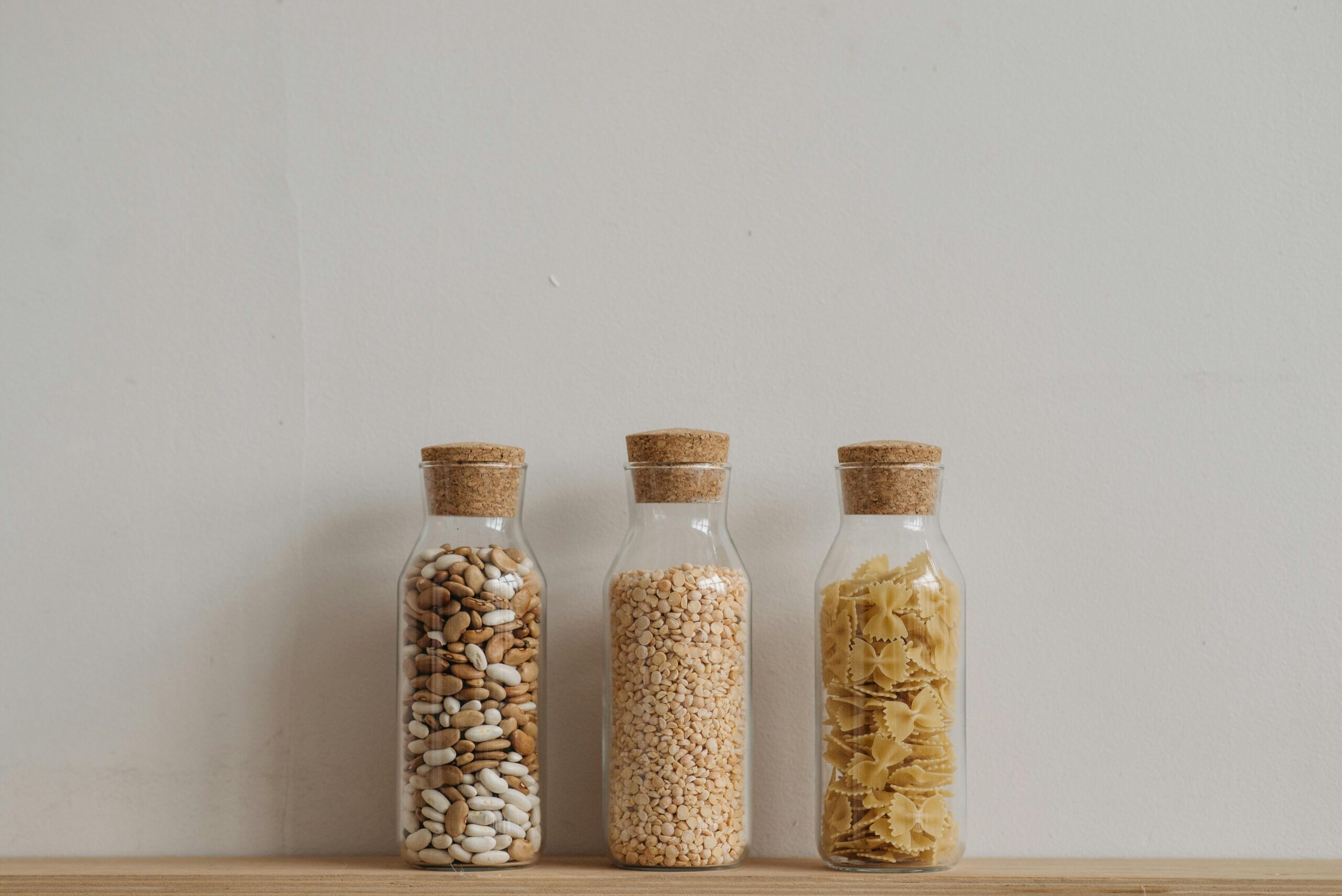
A well-organized pantry makes healthy choices easier and prevents food waste. Use clear containers to store bulk purchases of grains, nuts, and seeds. Label everything with purchase dates and use-by dates. Organize items by category and keep frequently used diabetes-friendly foods at eye level where they’re most accessible.
Implement a “first in, first out” system to use older items before newer purchases. Regularly inventory your pantry to avoid buying duplicates and to identify items nearing expiration. This practice not only saves money but also keeps your pantry focused on the foods that support your health goals.
Weekly Meal Planning Template
Maximize your diabetes-friendly pantry by planning meals around what you have on hand. Dedicate 30 minutes each week to meal planning. Check your pantry, select recipes that use those ingredients, and create a targeted shopping list only for missing items. This approach dramatically reduces food waste and impulse purchases while ensuring you always have the components for healthy meals.
🎯 Building Your Pantry Over Time
Transforming your pantry doesn’t happen overnight, and it shouldn’t. Attempting to replace everything at once is overwhelming and expensive. Instead, take a gradual approach that fits your budget and allows you to learn what works for your tastes and lifestyle.
Start by identifying three to five staple items you’ll use most frequently. Perhaps that’s brown rice, canned beans, oats, olive oil, and a few key spices. Purchase these items first, then add one or two new diabetes-friendly staples each shopping trip. Within a few months, you’ll have built a comprehensive pantry without financial strain.
Priority Shopping List for Beginners
If you’re starting from scratch, focus on these high-impact, budget-friendly essentials first:
- Old-fashioned rolled oats for breakfasts
- Brown rice or quinoa as a dinner base
- Dried lentils and canned beans for protein
- Canned tomatoes for sauces and soups
- Extra virgin olive oil for cooking
- Nuts or seeds for snacks
- Basic spices: garlic powder, cinnamon, cumin, black pepper
- Vinegar for dressings and marinades
💡 Money-Saving Shopping Strategies
Beyond what you buy, how you shop significantly impacts your budget. Download your grocery store’s app to access digital coupons and special offers. Many stores offer loyalty programs with personalized discounts based on your shopping habits. These programs are free and can save significant money over time.
Shop with a list and stick to it. Studies show that shopping without a list leads to 20-30% more spending, often on items that don’t align with health goals. Avoid shopping when hungry, as this increases impulse purchases of less healthy options. Set a realistic budget for each shopping trip and track your spending as you go.
Comparing Costs: Fresh vs. Canned vs. Frozen
Don’t assume fresh is always best or most economical. For many items, canned or dried versions offer better value and equivalent nutrition. Compare unit prices (cost per ounce or pound) rather than package prices to identify true bargains. Sometimes the larger size isn’t the better deal if you won’t use it before it spoils.
🔄 Sustainable Pantry Maintenance
Once you’ve built your diabetes-friendly pantry, maintaining it requires ongoing attention. Schedule a monthly pantry check to rotate items, identify foods nearing expiration, and plan meals around what needs using. This practice prevents waste and ensures you’re always prepared to make healthy choices.
Keep a running list on your phone or refrigerator where you note items as they run low. This eliminates the stress of trying to remember everything when it’s time to shop. Stock up on staples when they’re on sale, but be realistic about storage space and what you’ll actually use.
Remember that a diabetes-friendly pantry makeover is a journey, not a destination. Your needs and preferences will evolve over time. Stay flexible, continue learning about new diabetes-friendly foods, and adjust your pantry accordingly. The goal is creating a sustainable system that supports your health without causing financial stress or feeling restrictive.
🌟 Embracing Your Healthier Kitchen
Your newly transformed pantry represents more than just food storage—it’s a foundation for better health and well-being. Every diabetes-friendly ingredient you’ve added is a tool for managing blood sugar, preventing complications, and feeling your best. The money you’ve invested in quality pantry staples will pay dividends in improved health outcomes and reduced medical costs down the road.
Take pride in the smart choices you’re making. Managing diabetes through diet doesn’t mean deprivation or bland food. With your well-stocked pantry of whole grains, legumes, nuts, seeds, and flavorful seasonings, you’re equipped to create delicious, satisfying meals that support stable blood sugar levels. These simple ingredients combine in countless ways to keep your meals interesting and your health on track.
Remember that small, consistent changes create lasting results. You don’t need to be perfect—you just need to make progress. Each healthy meal you prepare from your diabetes-friendly pantry is a victory worth celebrating. As you become more comfortable with these ingredients and meal patterns, healthy eating will feel increasingly natural and effortless. Your future self will thank you for the investment you’re making today in building a pantry that supports both your health and your budget.