Managing your health doesn’t require expensive meal plans or complicated recipes. The plate method offers a simple, visual approach to creating balanced, nutritious meals that support your wellness goals while keeping your budget intact.

This proven strategy transforms how you think about food portions and meal planning. By understanding how to divide your plate properly, you’ll naturally consume the right balance of nutrients without counting calories or spending hours in the kitchen. Whether you’re managing diabetes, trying to lose weight, or simply want to eat healthier, this method works for everyone.
🍽️ Understanding the Plate Method: Your Visual Guide to Balanced Eating
The plate method is beautifully straightforward. Imagine dividing a standard 9-inch dinner plate into sections. Half of your plate should contain non-starchy vegetables, one quarter should have lean protein, and the remaining quarter should include whole grains or starchy vegetables. This visual approach eliminates guesswork and makes healthy eating accessible to everyone.
Originally developed by diabetes educators, this technique has gained widespread recognition from nutritionists and health organizations worldwide. The American Diabetes Association, the Academy of Nutrition and Dietetics, and numerous health professionals recommend this method because it works without requiring special tools, apps, or expensive equipment.
What makes the plate method particularly effective is its flexibility. You’re not restricted to specific foods or rigid meal plans. Instead, you learn a framework that adapts to your preferences, cultural traditions, and budget constraints. This flexibility increases long-term adherence, making it easier to maintain healthy eating habits for life.
Breaking Down Your Plate: The Three Essential Components
Non-Starchy Vegetables: The Foundation (Half Your Plate)
Non-starchy vegetables should occupy the largest portion of your plate. These nutrient-dense foods provide vitamins, minerals, fiber, and antioxidants while keeping calories low. Think leafy greens, broccoli, cauliflower, peppers, tomatoes, cucumbers, zucchini, green beans, and mushrooms.
The beauty of filling half your plate with vegetables is that you’ll feel satisfied without consuming excessive calories. These foods add volume and crunch to your meals, triggering fullness signals before you overeat. Plus, they’re typically the most budget-friendly items at the grocery store, especially when you buy seasonal produce or frozen options.
Budget tip: Purchase frozen vegetables without added sauces. They’re just as nutritious as fresh, often cheaper, and won’t spoil in your freezer. You can also buy whatever fresh vegetables are on sale and prepare them simply with basic seasonings.
Lean Protein: Building Blocks for Your Body (One Quarter)
Protein is essential for muscle maintenance, immune function, and keeping you satisfied between meals. Your protein quarter should be about the size of your palm or a deck of cards. This includes chicken breast, turkey, fish, lean beef, pork tenderloin, eggs, tofu, tempeh, legumes, or low-fat cottage cheese.
Many people worry that protein is expensive, but strategic shopping makes it affordable. Eggs remain one of the most economical protein sources available. Canned tuna, chicken thighs (instead of breasts), dried beans, and lentils offer excellent nutrition at fraction of the cost of premium cuts.
Preparing proteins in bulk saves both time and money. Cook a large batch of chicken breasts, hard-boiled eggs, or beans on Sunday, then portion them throughout the week. This meal prep strategy ensures you always have protein ready when assembling your plate.
Whole Grains and Starchy Vegetables: Energy Sources (One Quarter)
The final quarter includes carbohydrates that provide sustained energy. Choose whole grains like brown rice, quinoa, whole wheat pasta, oats, or barley. Starchy vegetables such as sweet potatoes, regular potatoes, corn, peas, or winter squash also fit here.
Whole grains contain more fiber, vitamins, and minerals than refined grains, helping you stay fuller longer and supporting digestive health. They stabilize blood sugar levels better than white bread or white rice, preventing energy crashes that lead to unhealthy snacking.
Budget-conscious shoppers should buy grains in bulk from discount stores or warehouse clubs. Rice, oats, and dried pasta have long shelf lives and cost pennies per serving when purchased in larger quantities.
💰 Budget-Friendly Shopping Strategies for Plate Method Success
Creating healthy meals using the plate method doesn’t require shopping at expensive health food stores. Regular supermarkets, discount grocers, and even dollar stores carry everything you need. The key is knowing what to buy and when.
Start by planning your meals around weekly sales. Check store flyers before shopping and build your menu based on discounted items. If chicken thighs are on sale, plan several chicken-based meals. When bell peppers are cheap, incorporate them into multiple dishes throughout the week.
Generic or store-brand items offer identical nutrition to name brands at lower prices. Compare labels if you’re skeptical—you’ll often find the exact same ingredients. This applies to canned goods, frozen vegetables, grains, and many other staples.
Smart Substitutions That Save Money
Learning to substitute expensive ingredients with affordable alternatives dramatically reduces food costs without sacrificing nutrition. Instead of fresh berries year-round, buy frozen berries for smoothies and oatmeal. Replace expensive fish with canned salmon or sardines, which provide the same omega-3 benefits.
Dried beans and lentils cost significantly less than canned versions. While they require soaking and cooking time, you can prepare large batches and freeze portions for quick future meals. A one-pound bag of dried beans costs about the same as two cans but yields much more.
Seasonal produce always costs less and tastes better. Summer brings affordable tomatoes, zucchini, and peppers. Fall offers cheap squash, apples, and root vegetables. Winter cabbage, citrus fruits, and Brussels sprouts hit their price lows. Adjust your vegetable selections based on what’s currently abundant.
🥗 Seven Days of Budget-Friendly Plate Method Meals
Monday: One-Pan Chicken and Vegetables
Plate composition: Roasted chicken thighs with mixed vegetables (broccoli, carrots, bell peppers) and a small portion of roasted potatoes. Season everything with olive oil, garlic powder, paprika, salt, and pepper. Bake everything together on one sheet pan for 35 minutes at 400°F.
Cost per serving: Approximately $2.50. Time required: 10 minutes prep, 35 minutes cooking.
Tuesday: Veggie-Packed Stir-Fry
Plate composition: Colorful vegetable stir-fry (cabbage, carrots, snap peas, onions) with scrambled eggs or tofu cubes, served over brown rice. Use soy sauce, ginger, and garlic for flavoring. The high vegetable ratio keeps costs low while maximizing nutrition.
Cost per serving: Approximately $1.75. Time required: 20 minutes total.
Wednesday: Bean and Sweet Potato Bowl
Plate composition: Black beans seasoned with cumin and chili powder, roasted sweet potato cubes, and a generous serving of sautéed spinach or kale. Top with salsa and a dollop of Greek yogurt. This vegetarian option delivers complete nutrition at minimal cost.
Cost per serving: Approximately $1.50. Time required: 15 minutes prep, 25 minutes cooking.
Thursday: Tuna Salad Plate
Plate composition: Large mixed green salad with cherry tomatoes, cucumbers, and shredded carrots, topped with canned tuna mixed with Greek yogurt (instead of mayo), served with whole grain crackers or a small whole wheat roll.
Cost per serving: Approximately $2.25. Time required: 15 minutes total.
Friday: Egg and Vegetable Scramble
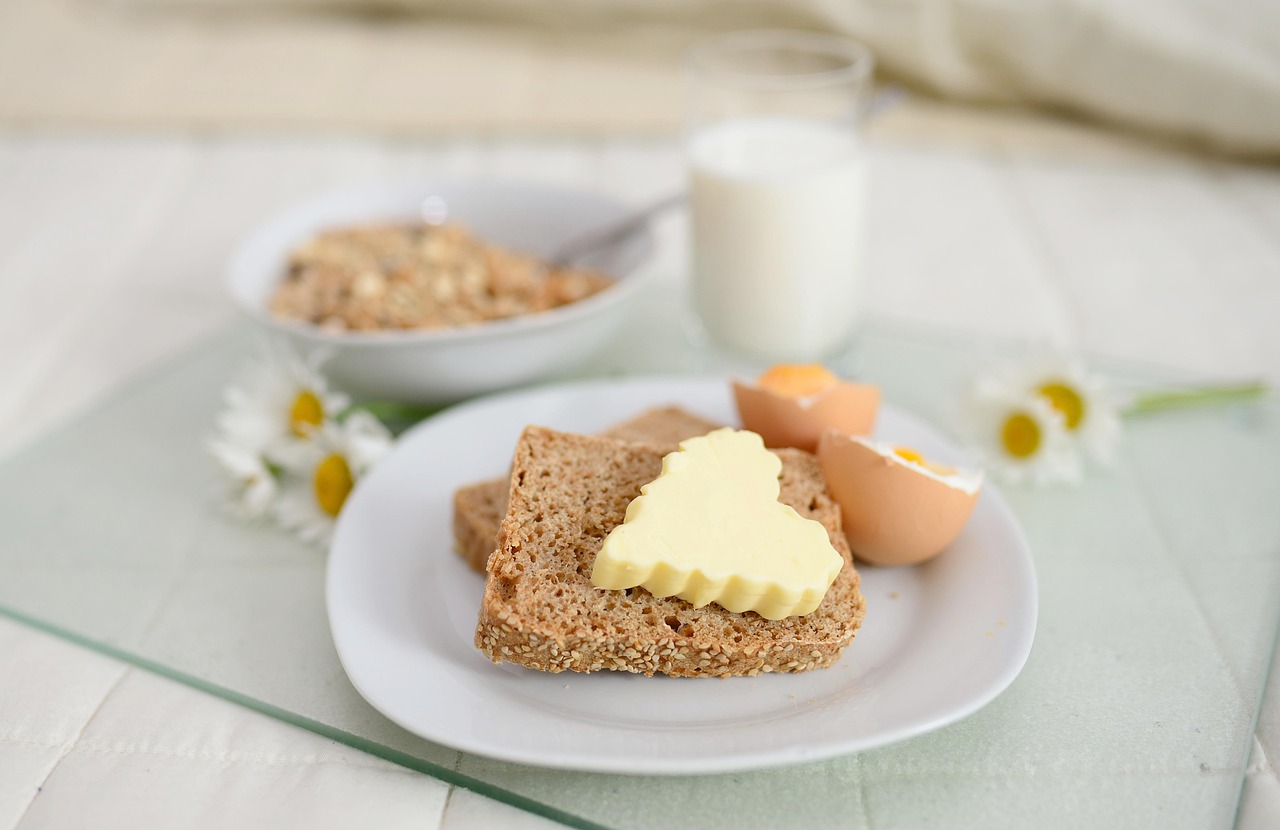
Plate composition: Scrambled eggs loaded with diced peppers, onions, tomatoes, and spinach, served with whole grain toast and sliced avocado (when affordable) or salsa. Breakfast for dinner saves money while providing excellent nutrition.
Cost per serving: Approximately $1.50. Time required: 15 minutes total.
Saturday: Slow Cooker Chicken Chili
Plate composition: Hearty chicken and white bean chili made with canned tomatoes, onions, peppers, and spices, served over a small portion of brown rice with a side salad. Make a large batch to freeze portions for future quick meals.
Cost per serving: Approximately $2.00. Time required: 15 minutes prep, 4-6 hours slow cooking.
Sunday: Ground Turkey Skillet
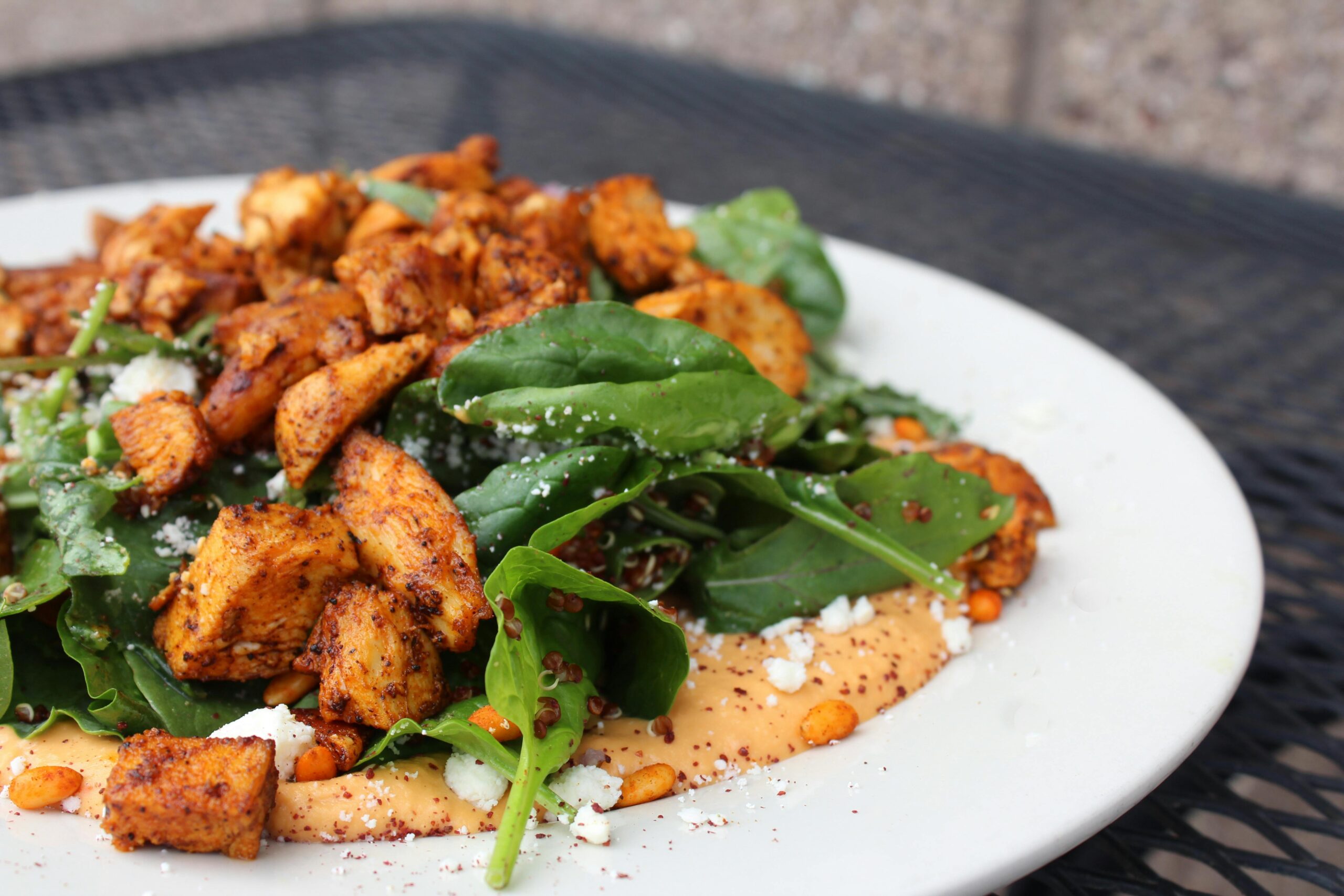
Plate composition: Ground turkey (often cheaper than ground beef) sautéed with zucchini, mushrooms, and tomatoes, seasoned with Italian herbs, served alongside quinoa or whole wheat pasta. This versatile dish works with whatever vegetables you have available.
Cost per serving: Approximately $2.75. Time required: 25 minutes total.
🛒 Your Essential Plate Method Grocery List
Shopping efficiently requires keeping staple ingredients on hand. This basic list supports endless meal combinations while staying budget-friendly. Adjust quantities based on your household size and eating patterns.
Proteins: Eggs (18-count), chicken thighs or drumsticks (family pack), canned tuna (several cans), dried beans and lentils (variety), ground turkey (when on sale), tofu or tempeh.
Non-Starchy Vegetables: Frozen mixed vegetables (multiple bags), cabbage (whole head lasts weeks), carrots (bulk bag), onions, leafy greens (whatever’s on sale), seasonal fresh vegetables, canned tomatoes.
Grains and Starches: Brown rice (bulk bag), whole wheat pasta, oats, quinoa (when affordable), sweet potatoes, regular potatoes, whole grain bread (freeze extra loaves).
Pantry Essentials: Olive oil, soy sauce, vinegar, garlic (fresh or powder), basic spices (cumin, paprika, chili powder, Italian seasoning), salt and pepper, canned beans.
Dairy and Alternatives: Plain Greek yogurt, milk or plant-based alternative, cheese (buy blocks and shred yourself for savings).
⏰ Time-Saving Meal Prep Techniques
The perception that healthy eating requires hours of daily cooking prevents many people from trying the plate method. In reality, strategic preparation makes balanced meals faster than ordering takeout.
Dedicate two hours on Sunday to batch cooking. Prepare a large pot of grains, roast several pans of vegetables, cook proteins in bulk, and wash and chop fresh vegetables for the week. Store everything in clear containers so you can quickly assemble plates throughout the week.
Invest in a slow cooker or instant pot if possible. These appliances allow you to start meals in the morning that are ready when you return home. Many thrift stores sell these items inexpensively, or consider them worthwhile investments that pay for themselves through reduced food waste and takeout expenses.
Keep your freezer working for you. Double recipes and freeze half for busy weeks. Freeze overripe bananas for smoothies, bread before it molds, cooked grains in portions, and prepared beans. A well-stocked freezer functions as your personal convenience store with healthier options than anything you’d buy.
📊 Comparing Costs: Plate Method vs. Typical American Diet
| Meal Type | Typical Fast Food/Processed | Plate Method Home-Cooked | Savings |
|---|---|---|---|
| Breakfast | $6-8 (drive-through) | $1-2 (eggs and toast) | $5-6 |
| Lunch | $8-12 (restaurant/takeout) | $2-3 (leftovers/simple meal) | $6-9 |
| Dinner | $12-18 (takeout/frozen meals) | $2-4 (home-cooked plate method) | $10-14 |
| Daily Total | $26-38 | $5-9 | $21-29 |
| Monthly Savings (per person) | — | — | $630-870 |
These calculations demonstrate that the plate method delivers substantial financial benefits beyond improved health. A family of four could save over $2,000 monthly by switching from convenience foods and restaurants to home-cooked plate method meals.
🌟 Overcoming Common Plate Method Challenges
Challenge: “I Don’t Like Vegetables”
Many adults developed vegetable aversions from childhood experiences with overcooked, underseasoned vegetables. The solution involves experimenting with different preparation methods and seasonings. Roasting transforms vegetables by caramelizing natural sugars, creating appealing flavors and textures.
Start with milder vegetables like carrots, bell peppers, or zucchini before progressing to stronger flavors like Brussels sprouts or cabbage. Season generously—vegetables need salt, pepper, garlic, herbs, or a squeeze of lemon to shine. Try vegetables in different contexts: raw in salads, roasted, stir-fried, or blended into soups.
Challenge: “My Family Won’t Eat This Way”
Introducing new eating patterns requires patience and creativity. Instead of announcing radical changes, gradually shift proportions on familiar meals. Serve slightly more vegetables and slightly less pasta. Add extra vegetables to casseroles and stir-fries without making announcements.
Make vegetables taste amazing through proper seasoning and cooking techniques. Even skeptical family members enjoy crispy roasted broccoli with garlic or colorful stir-fried peppers and onions. Build meals around favorite proteins, then add the appropriate vegetable and grain portions.
Challenge: “I’m Too Busy to Cook”
The plate method actually saves time compared to complicated recipes. Simple preparations like grilled chicken, steamed vegetables, and quick-cooking grains take 20-30 minutes. That’s often faster than waiting for delivery or driving to restaurants.
Utilize time-saving strategies: pre-washed salad greens, frozen pre-cut vegetables, rotisserie chicken from the grocery store (often cheaper than raw chicken), canned beans instead of dried, and instant brown rice or quinoa. These convenient options still cost less than takeout while supporting your health goals.
✨ Adapting the Plate Method for Different Health Goals
The fundamental plate structure works for virtually everyone, but minor adjustments can optimize results for specific health objectives. Understanding these modifications helps you personalize the approach without abandoning its simplicity.
For weight loss, maintain the basic proportions but focus on lower-calorie cooking methods. Choose grilled, baked, or steamed preparations instead of fried. Use cooking spray instead of oil when possible. Fill your vegetable half with the lowest-calorie options like leafy greens, cucumbers, and peppers. Limit added fats, but don’t eliminate them entirely as they support nutrient absorption and satisfaction.
For diabetes management, the plate method was specifically designed for blood sugar control. Pay special attention to your carbohydrate quarter, choosing whole grains and starchy vegetables with lower glycemic impacts. Sweet potatoes, quinoa, and steel-cut oats cause more gradual blood sugar rises than white rice or white potatoes. Monitor your individual responses and adjust accordingly.
For athletic performance or muscle building, slightly increase your protein portion while maintaining abundant vegetables. Active individuals may need additional carbohydrates depending on their training intensity. Add a piece of fruit or larger grain portion alongside your standard plate to fuel workouts and recovery.
🍳 Making the Plate Method Work in Real Life
Theory matters less than practical application. The plate method succeeds when it becomes your default approach rather than something you think about constantly. Integration into daily life requires developing new habits and systems.
Start by using an actual 9-inch plate. Many modern dinner plates measure 11-12 inches, which unconsciously leads to overeating. Smaller plates naturally support appropriate portions without feelings of deprivation. You can find inexpensive plates at discount stores or thrift shops.
Photograph your meals occasionally to verify you’re maintaining proper proportions. Visual documentation helps identify patterns—perhaps you’re consistently light on vegetables or heavy on grains. This awareness allows gradual corrections without obsessive measuring.
Extend the plate method principles to restaurant eating. Immediately request a to-go container and set aside half of oversized restaurant portions. Ask for extra vegetables instead of fries or chips. Request sauces and dressings on the side. Order appetizers as main courses if portions are more reasonable. These strategies help maintain your healthy eating pattern while enjoying social meals.
💪 The Long-Term Health Benefits Worth Celebrating
Beyond immediate improvements in energy and digestion, consistently following the plate method delivers profound long-term health benefits. These advantages compound over months and years, significantly impacting your quality of life and longevity.
Weight management becomes almost effortless when you habitually eat balanced plates. The high vegetable and fiber content naturally regulates appetite and calorie intake without restrictive dieting. Most people gradually reach and maintain healthier weights without hunger or deprivation.
Chronic disease risk decreases substantially. The plate method’s emphasis on vegetables, whole grains, and lean proteins aligns perfectly with eating patterns proven to reduce heart disease, type 2 diabetes, certain cancers, and other conditions. You’re not following a temporary diet; you’re adopting sustainable habits that protect your future health.
Energy levels stabilize throughout the day. Balanced meals with adequate protein, fiber, and complex carbohydrates prevent blood sugar spikes and crashes that cause afternoon fatigue and cravings. Many people report improved mental clarity, better sleep, and more consistent energy after several weeks of plate method eating.
Digestive health typically improves thanks to dramatically increased fiber intake from vegetables, whole grains, and legumes. Constipation becomes rare, and many people notice reduced bloating and digestive discomfort. The diverse plant foods also support healthy gut bacteria populations.
🎯 Your Action Plan: Starting Today
Knowledge means nothing without implementation. Transform your health and budget by taking these specific actions this week. Small consistent steps create lasting change more effectively than dramatic overhauls that prove unsustainable.
Today, measure your dinner plates. If they exceed 9-10 inches, purchase appropriately sized plates or commit to filling larger plates using plate method proportions. Visualize the divisions: half vegetables, quarter protein, quarter grains.
This week, plan three dinners using the plate method. Choose simple combinations like grilled chicken with roasted vegetables and quinoa, or scrambled eggs with sautéed peppers and toast. Shop specifically for these meals, focusing on sale items and affordable staples.
This month, gradually increase the frequency of plate method meals until they become your normal eating pattern. Experiment with different vegetables, proteins, and grains to discover your favorite combinations. Develop a rotation of 10-15 meals you enjoy and can prepare confidently.
Track your progress through non-scale victories: increased energy, better sleep, improved digestion, more stable moods, reduced cravings, and grocery savings. These markers often appear before significant weight changes and provide motivation to continue.
The plate method isn’t a temporary diet—it’s a sustainable framework for lifelong healthy eating. By combining nutritional balance with budget-friendly ingredients and simple preparation, you’ve discovered an approach that supports your health without sacrificing your finances or enjoyment of food. Every meal represents an opportunity to nourish your body properly, and now you have the tools to make it happen consistently. Your healthier, more affordable future starts with your very next plate.