Switching to plant-based eating doesn’t have to be complicated or overwhelming. With the right framework and visual guides, anyone can create balanced, nutritious meals that satisfy both body and taste buds effortlessly.

The plate method has revolutionized how people approach meal planning, offering a simple visual template that takes the guesswork out of portion sizes and nutritional balance. When combined with plant-based principles, this approach becomes an incredibly powerful tool for transforming your relationship with food while supporting optimal health, environmental sustainability, and culinary creativity.
🌱 Understanding the Plant-Based Plate Method
The plant-based plate method is a visual eating strategy that divides your plate into specific sections, each dedicated to different food groups. Unlike restrictive diets that focus on counting calories or eliminating entire food categories, this approach emphasizes balance, variety, and wholesome plant foods that nourish your body naturally.
The standard template divides your plate into three main sections: half the plate for non-starchy vegetables, one quarter for whole grains or starchy vegetables, and one quarter for plant-based proteins. This simple framework ensures you’re getting adequate fiber, vitamins, minerals, and macronutrients in every meal without complex calculations or meal planning stress.
The Science Behind Balanced Plant-Based Eating
Research consistently shows that plant-based diets rich in vegetables, whole grains, legumes, nuts, and seeds are associated with lower risks of chronic diseases including heart disease, type 2 diabetes, certain cancers, and obesity. The plate method naturally guides you toward these beneficial foods while maintaining appropriate portion sizes.
When you fill half your plate with colorful vegetables, you’re automatically increasing your intake of phytonutrients, antioxidants, and dietary fiber—all crucial components for gut health, inflammation reduction, and disease prevention. The visual simplicity makes healthy eating accessible to everyone, regardless of nutritional knowledge or cooking experience.
🍽️ Breaking Down Your Plant-Based Plate Template
Let’s explore each section of your plate in detail, understanding what foods belong where and why this distribution matters for your health and satisfaction.
Half Plate: Non-Starchy Vegetables
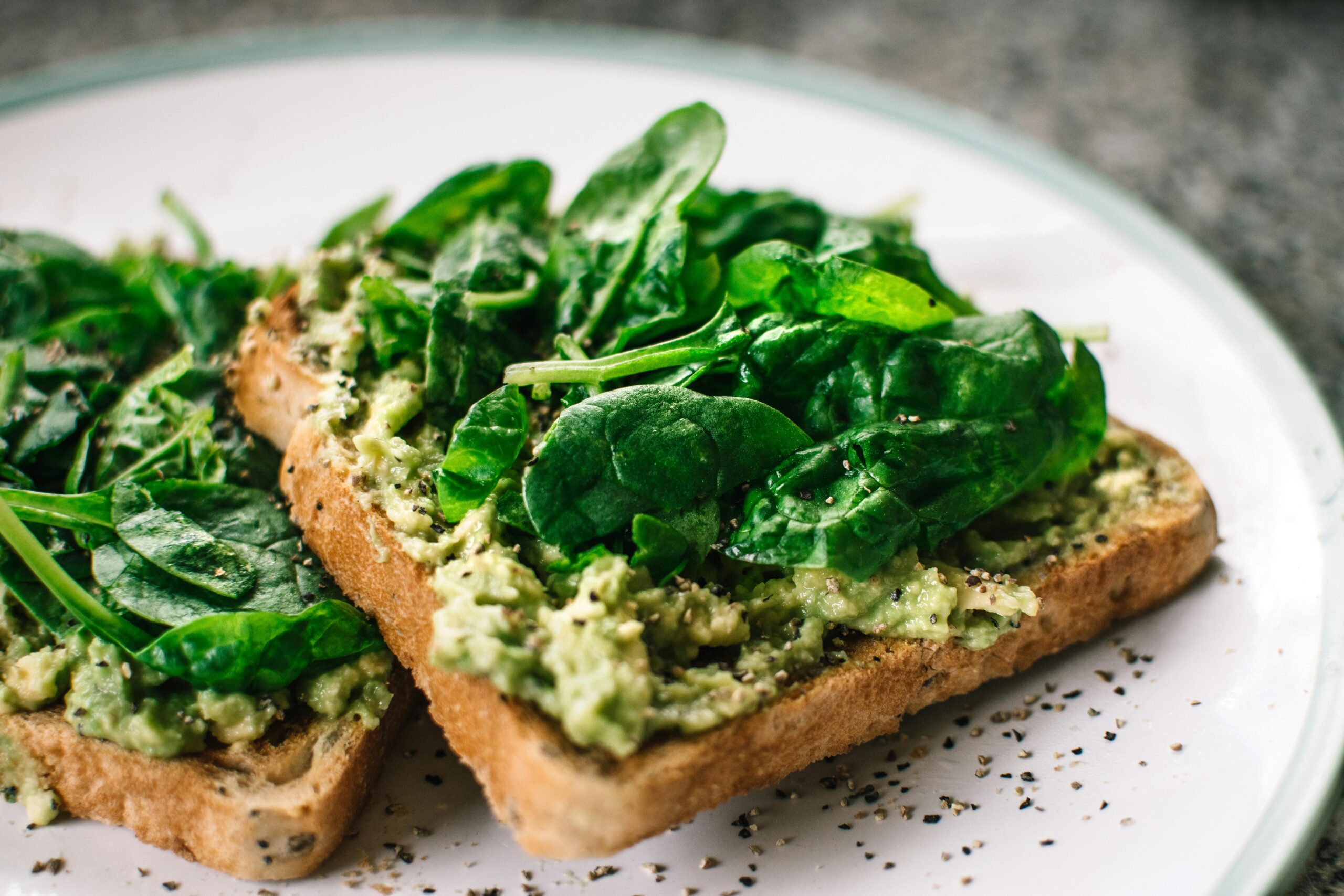
This largest section of your plate should be filled with a rainbow of non-starchy vegetables. Think leafy greens like spinach, kale, and arugula; cruciferous vegetables such as broccoli, cauliflower, and Brussels sprouts; colorful peppers, tomatoes, cucumbers, zucchini, mushrooms, and green beans.
These vegetables are nutritional powerhouses packed with vitamins, minerals, and fiber while being naturally low in calories. They provide volume and satiety, helping you feel full and satisfied without excessive energy intake. Aim for variety in colors to maximize the range of nutrients and antioxidants you consume.
Quarter Plate: Whole Grains and Starchy Vegetables
This section provides sustained energy through complex carbohydrates. Excellent choices include quinoa, brown rice, whole wheat pasta, farro, bulgur, barley, oats, sweet potatoes, regular potatoes, winter squash, corn, and peas.
Whole grains retain their fiber-rich bran and nutrient-dense germ, unlike refined grains which have been stripped of these beneficial components. This fiber slows digestion, stabilizes blood sugar levels, and supports digestive health. Starchy vegetables offer similar benefits while adding variety and different flavor profiles to your meals.
Quarter Plate: Plant-Based Proteins
Protein is essential for tissue repair, immune function, hormone production, and maintaining muscle mass. Plant-based protein sources include legumes (beans, lentils, chickpeas), tofu, tempeh, edamame, seitan, and plant-based protein alternatives.
Contrary to outdated nutritional myths, plant proteins can easily meet all your amino acid needs when you consume a variety of protein sources throughout the day. Legumes also provide significant fiber, iron, zinc, and other minerals often lacking in modern diets.
Healthy Additions: Fats and Extras
While not occupying a specific plate section, healthy fats play crucial roles in nutrient absorption, brain health, and hormone production. Add modest amounts of nuts, seeds, avocado, olives, or plant-based oils as dressings or toppings to complete your nutritional profile.
🎨 Practical Plate-Method Templates for Every Meal
Understanding the theory is one thing, but practical application makes the difference between knowledge and transformation. Here are specific templates you can implement immediately.
Breakfast Bowl Template
Start your day with a breakfast bowl that follows plate-method principles. Fill half your bowl with fresh or cooked vegetables like sautéed spinach, tomatoes, or roasted bell peppers. Add a quarter of whole grains such as oatmeal, quinoa, or whole grain toast. Complete with a quarter of protein-rich foods like scrambled tofu, tempeh bacon, or a generous serving of beans.
Top with a small handful of nuts or seeds, and you’ve created a balanced, energizing breakfast that will sustain you through your morning without the blood sugar crashes associated with refined carbohydrate breakfasts.
Lunch Plate Template
For lunch, imagine your plate divided accordingly: half filled with a large mixed green salad with cucumbers, carrots, cherry tomatoes, and other raw vegetables. One quarter contains whole grain bread, brown rice, or roasted sweet potato wedges. The final quarter features chickpea salad, lentil soup, or seasoned black beans.
Drizzle with a tahini dressing or sprinkle with pumpkin seeds for healthy fats. This template works whether you’re packing lunch for work or eating at home, and can be adapted to virtually any cuisine or flavor preference.
Dinner Plate Template
Evening meals often feel like they require more substance and satisfaction. Fill half your plate with roasted vegetables such as broccoli, cauliflower, Brussels sprouts, and carrots. Add a quarter of quinoa, whole wheat pasta, or farro. Complete with a quarter of your favorite protein—perhaps marinated tofu, lentil bolognese, or white bean cassoulet.
Finish with a small serving of guacamole or a sprinkle of hemp seeds to round out the nutritional profile and enhance satisfaction.
📱 Digital Tools to Support Your Plant-Based Journey
Technology can significantly simplify the transition to plant-based eating by providing recipes, meal plans, and visual guides right at your fingertips. Several apps offer plate-method templates specifically designed for plant-based eating.
Meal planning applications with built-in plate-method visualizations help you design balanced meals while generating shopping lists automatically. These digital companions remove decision fatigue and make healthy eating more convenient than ever before.
💡 Customizing Templates for Your Unique Needs
While the standard plate method provides an excellent foundation, individual needs vary based on activity level, health goals, age, and personal preferences. Learning to adjust the template ensures long-term sustainability and success.
For Active Individuals and Athletes
Those with higher energy needs may benefit from slightly larger portions overall or additional servings of whole grains and legumes. Consider increasing the starch section slightly or adding a whole grain side dish alongside your standard plate to meet elevated caloric requirements.
Timing also matters—eating larger portions of carbohydrates around workout times helps fuel performance and recovery while supporting muscle growth and repair.
For Weight Management Goals
If weight loss is your objective, the standard plate method already provides appropriate portions for most people. Focus on filling up on the vegetable half of your plate first, which provides maximum nutrition and satiety with minimal calories.
Avoid adding excessive fats beyond the recommended small portions, as fats are calorie-dense. Be mindful of portion sizes for nuts, seeds, avocado, and oils, as these healthy foods can still contribute significant calories when consumed in large amounts.
For Building Muscle
Those focused on muscle building should emphasize the protein quarter of the plate and may benefit from slightly larger protein portions. Consider adding protein-rich snacks between meals, such as hummus with vegetables, roasted chickpeas, or protein smoothies made with plant-based protein powder.
Ensure adequate overall calorie intake by not skimping on the grain section, as carbohydrates provide the energy necessary for intense training sessions and muscular development.
🌍 Cultural Adaptations and Global Flavors
One of the greatest advantages of the plate method is its flexibility across cuisines and cultural food traditions. Plant-based eating isn’t bland or restrictive—it’s an invitation to explore global flavors and cooking techniques.
Mediterranean-Inspired Plates
Fill half your plate with Greek salad vegetables, roasted eggplant, and sautéed zucchini. Add a quarter of whole grain pita or bulgur wheat. Complete with a quarter of white beans or chickpeas seasoned with lemon, garlic, and herbs. Finish with a small drizzle of olive oil and a sprinkle of pine nuts.
Asian-Fusion Plates
Create an Asian-inspired plate with half filled with stir-fried bok choy, snap peas, mushrooms, and bell peppers. Add a quarter of brown rice or soba noodles. Include a quarter of marinated tofu or edamame. Top with sesame seeds and a ginger-tahini dressing for authentic flavors.
Mexican-Style Plates
Enjoy Mexican flavors by filling half your plate with fajita vegetables, fresh salsa, and shredded lettuce. Add a quarter of brown rice or quinoa. Complete with a quarter of seasoned black beans or pinto beans. Top with sliced avocado and a squeeze of lime for a satisfying fiesta on your plate.
🛒 Shopping Strategies for Plate-Method Success
Successful meal execution begins with strategic shopping. Having the right ingredients on hand eliminates barriers and makes healthy eating the default rather than the exception.
Building Your Plant-Based Pantry
Stock your pantry with a variety of whole grains including quinoa, brown rice, oats, whole wheat pasta, and farro. Keep multiple types of dried or canned beans and lentils readily available. Store nuts, seeds, and nut butters for healthy fat additions.
Maintain a selection of herbs, spices, and flavor enhancers like nutritional yeast, tamari, vegetable broth, and vinegars to create diverse, interesting meals from simple ingredients.
Fresh Produce Shopping Tips
Purchase a rainbow of vegetables each week, mixing familiar favorites with one or two new varieties to expand your repertoire. Buy seasonal produce when possible for optimal flavor, nutrition, and value.
Consider frozen vegetables as convenient, nutritious alternatives that reduce food waste and provide year-round access to produce varieties. Frozen vegetables are typically flash-frozen at peak ripeness, preserving their nutritional value excellently.
⏰ Time-Saving Meal Prep Techniques
Implementing the plate method becomes even easier with strategic meal preparation that sets you up for success throughout the week.
Batch Cooking Foundations
Dedicate a few hours on the weekend to prepare foundational components. Cook large batches of whole grains like rice, quinoa, or farro. Prepare multiple types of beans or legumes. Roast several trays of assorted vegetables with different seasoning profiles.
With these components ready, assembling balanced plate-method meals throughout the week takes just minutes. Mix and match your prepared elements with fresh ingredients for variety without repetitive meals.
Container Organization
Invest in clear, divided containers that visually represent the plate method proportions. These containers make packed lunches simple and ensure you’re following the template even when eating away from home.
Prepare several complete meals in these containers at once, creating grab-and-go options for busy days when cooking feels overwhelming or time is limited.
🎯 Overcoming Common Challenges
Transitioning to plant-based plate-method eating sometimes presents obstacles. Anticipating and addressing these challenges increases your likelihood of long-term success.
Dealing with Cravings
If you experience cravings for previous eating patterns, first ensure you’re eating adequate calories and not restricting too severely. Plant-based foods are generally less calorie-dense, so you may need larger volume portions than you’re accustomed to.
Include satisfying foods with richer textures like avocado, nut-based sauces, or roasted vegetables with slight caramelization. These provide sensory satisfaction while maintaining nutritional integrity.
Social Situations and Dining Out
Restaurant meals can follow plate-method principles with minor adjustments. Request extra vegetables in place of refined starches. Ask for dressings and sauces on the side to control added fats. Most restaurants accommodate reasonable modification requests.
When attending social gatherings, offer to bring a dish that fits your eating approach. This ensures you’ll have at least one satisfying option while introducing others to delicious plant-based possibilities.
🌟 Celebrating Your Transformation Journey
Adopting plant-based plate-method eating represents more than dietary change—it’s a holistic transformation affecting energy levels, health markers, environmental impact, and relationship with food itself.
Many people report increased energy, improved digestion, clearer skin, better sleep, and enhanced mental clarity within weeks of implementing this approach. These tangible benefits reinforce commitment and make continued adherence naturally appealing rather than requiring constant willpower.
The visual simplicity of the plate method removes complexity and restriction, replacing them with abundance, variety, and flexibility. You’re not following rigid rules but rather using an intuitive framework that adapts to your preferences, schedule, and circumstances.
🚀 Taking Your First Steps Today
Beginning your plant-based plate-method journey doesn’t require perfection or dramatic overnight changes. Start with one meal per day using the template, gradually expanding as comfort and confidence grow.
Experiment with new vegetables, grains, and legumes you’ve never tried before. Explore different cuisines and flavor profiles. Share meals with friends and family, inviting them to experience how satisfying and delicious plant-based eating can be.
Remember that this approach is designed for sustainability and enjoyment, not deprivation. The plate method provides structure without rigidity, guidelines without guilt, and a clear pathway toward vibrant health that honors both your body and the planet.
With these templates and strategies in hand, you possess everything needed to transform your meals into balanced, nourishing, plant-based experiences that support your health goals while celebrating the incredible diversity and flavors available in the plant kingdom. Your journey toward simpler, healthier, more delicious eating begins with your very next meal.