Meal prep has transformed how millions approach healthy eating, but the secret weapon isn’t just planning—it’s using the right containers. Plate-method containers make portion control effortless while keeping your meals balanced and nutritious.

If you’ve ever struggled with overeating, unbalanced meals, or the chaos of meal prepping without a system, you’re about to discover a game-changing solution. These specialized containers take the guesswork out of healthy eating by visually dividing your meals into proper proportions, ensuring you get the right balance of proteins, carbohydrates, and vegetables every single time.
🍽️ What Are Plate-Method Containers and Why They Matter
Plate-method containers are specially designed meal prep containers with built-in compartments that follow the diabetes plate method or similar nutritional guidelines. Typically, these containers feature three sections: one large compartment covering about half the container for non-starchy vegetables, and two smaller sections—one for lean proteins and one for carbohydrates or starches.
This design isn’t arbitrary. It’s based on decades of nutritional science showing that filling half your plate with vegetables, a quarter with protein, and a quarter with whole grains or starchy vegetables creates optimal nutrition for weight management, blood sugar control, and overall health.
Unlike regular meal prep containers where you might accidentally overload on carbs or skimp on vegetables, plate-method containers give you visual cues that make balanced eating automatic. You’re not counting calories or measuring portions with scales—the container does the work for you.
The Science Behind Portion Control and Visual Eating Cues
Research consistently shows that humans are terrible at estimating portion sizes. We tend to eat what’s in front of us, regardless of actual hunger. This phenomenon, called “portion distortion,” has contributed significantly to rising obesity rates as plate sizes have increased over the decades.
Plate-method containers combat this by creating physical boundaries. When you see a full container with balanced proportions, your brain registers satisfaction. The visual completeness triggers satiety signals that help you feel content with appropriate amounts of food.
Studies published in nutritional journals have demonstrated that people who use portioned containers lose more weight and maintain healthier eating patterns than those who pack meals without structure. The success rate increases because the method removes decision fatigue—you’re not constantly wondering if you’re eating too much or too little.
🥗 Setting Up Your Plate-Method Meal Prep System
Starting with plate-method containers requires minimal investment but maximum commitment to consistency. Here’s how to establish your system for long-term success.
Choosing the Right Containers
Not all plate-method containers are created equal. Look for containers that are BPA-free, microwave-safe, and dishwasher-friendly. The compartments should be deep enough to hold substantial portions without overflow, and lids should seal securely to prevent leaks during transport.
Glass containers offer durability and don’t retain odors, but they’re heavier and more expensive. Plastic versions are lightweight and affordable but may need replacing more frequently. Consider getting both—glass for home meals and plastic for work or gym bags.
Size matters too. Standard containers hold between 3-4 cups total, which suits most adults. If you have higher caloric needs due to athletic training or physical work, opt for larger versions. Conversely, those focusing on weight loss might prefer slightly smaller portions.
Essential Tools Beyond Containers
While containers are central, surrounding them with the right tools amplifies your success. Invest in quality food storage bags for prepped ingredients, sharp knives for efficient chopping, and measuring cups for your initial setup phase until you learn to eyeball portions accurately.
A reliable food scale helps when preparing proteins to ensure you’re hitting your nutritional targets. Labels and markers keep your fridge organized—dating meals prevents food waste and helps you rotate stock properly.
Building Perfectly Balanced Meals Every Time 🎯
The beauty of plate-method containers lies in their simplicity, but knowing what to put in each section maximizes their effectiveness.
The Vegetable Section: Your Nutritional Foundation
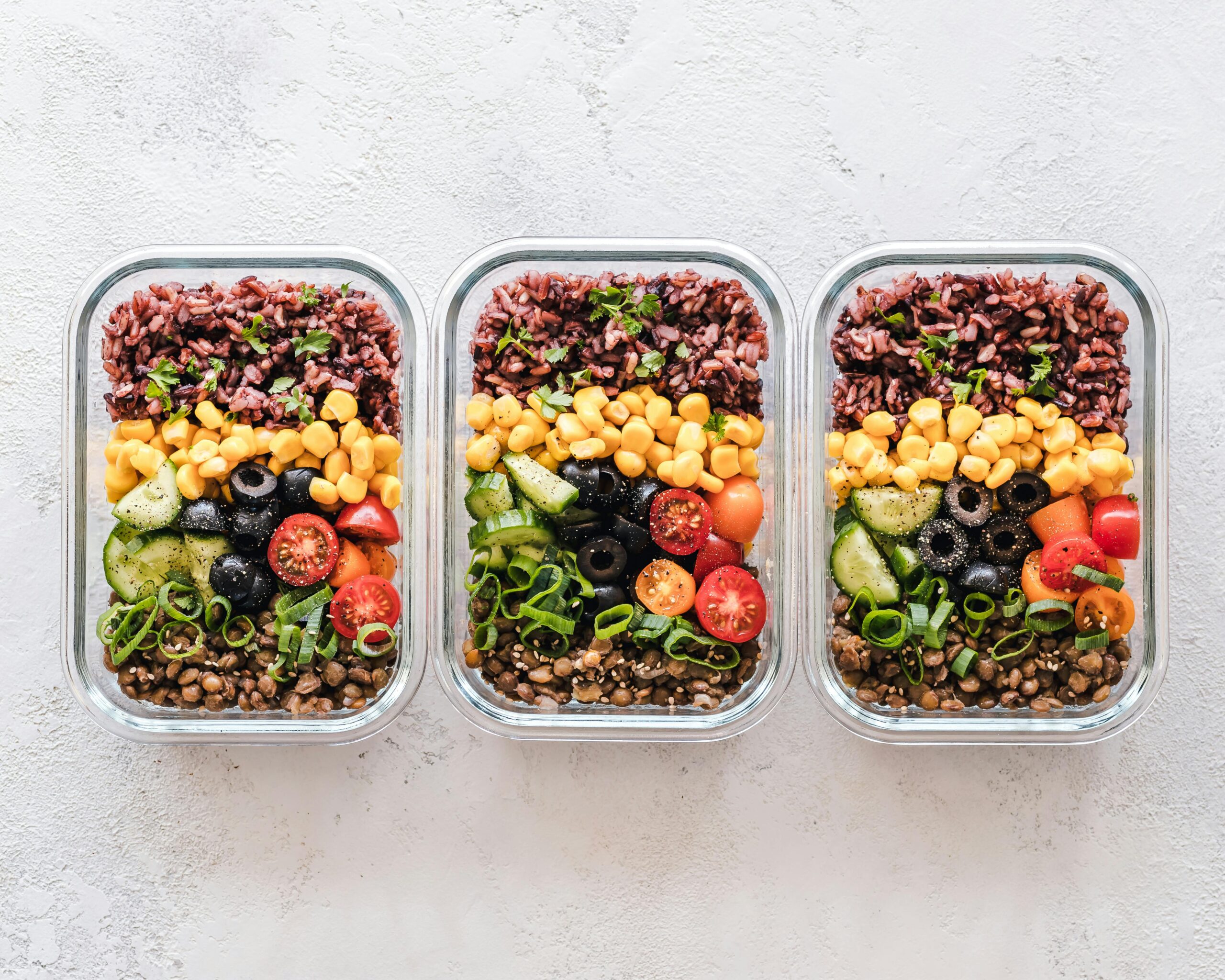
This largest compartment should burst with non-starchy vegetables—leafy greens, broccoli, cauliflower, peppers, zucchini, tomatoes, cucumbers, and more. These foods provide volume, fiber, and micronutrients while keeping calories low.
Mix raw and cooked vegetables for textural variety. A base of mixed greens topped with roasted Brussels sprouts and raw cherry tomatoes creates visual appeal and diverse nutrients. Don’t fear repetition—batch-roasting vegetables makes this section effortless to fill throughout the week.
Season vegetables boldly. Herbs, spices, lemon juice, and vinegar-based dressings add flavor without excess calories. When vegetables taste amazing, you’ll naturally eat more of them, crowding out less nutritious options.
The Protein Section: Building Blocks for Satisfaction
Aim for palm-sized portions of lean protein—typically 3-4 ounces for women and 4-6 ounces for men. Chicken breast, turkey, fish, tofu, tempeh, eggs, and lean cuts of beef or pork all work excellently.
Preparation variety prevents meal prep boredom. Grill chicken with different marinades, bake salmon with various spice rubs, or prepare hard-boiled eggs for grab-and-go options. Rotating proteins throughout the week ensures you get diverse amino acid profiles.
Don’t forget plant-based proteins. Lentils, chickpeas, and black beans offer protein plus additional fiber. They’re budget-friendly and incredibly versatile, absorbing flavors from whatever seasonings you use.
The Carbohydrate Section: Smart Energy Sources
This compartment houses whole grains, starchy vegetables, or legumes. Brown rice, quinoa, sweet potatoes, whole wheat pasta, farro, and butternut squash provide sustained energy and important nutrients like B vitamins and minerals.
Keep portions modest—this section is smallest for a reason. Carbohydrates are calorie-dense, and while they’re important for energy and brain function, most people need less than they think, especially if sedentary.
Prep carbohydrates in bulk. Cook a large batch of quinoa or roast multiple sweet potatoes at once. These items refrigerate beautifully and often taste even better the next day as flavors meld.
Weekly Meal Prep Strategy for Maximum Efficiency ⏰
Success with plate-method containers comes from establishing sustainable routines. Here’s a framework that works for busy lives.
The Two-Hour Sunday Solution
Dedicate two hours on Sunday (or your preferred day off) to meal prep. Start by cooking proteins—bake several chicken breasts, grill fish, and prepare a batch of hard-boiled eggs simultaneously using different cooking methods.
While proteins cook, prep vegetables. Wash and chop raw vegetables for salads, roast sheet pans of mixed vegetables, and steam broccoli or green beans. Having both raw and cooked options adds variety throughout the week.
Cook grains and carbohydrates in your rice cooker or Instant Pot while focusing on proteins and vegetables. This parallel processing saves tremendous time compared to cooking items sequentially.
Assembly Line Approach
Once ingredients are prepared, set up an assembly line. Lay out all your containers, then systematically fill each section. Start with the carbohydrate section since it’s smallest, move to protein, and finish with vegetables which offer most flexibility.
This approach takes 15-20 minutes and yields 5-7 perfectly portioned meals. Label each container with contents and date, then stack in your refrigerator in order of consumption—oldest in front.
📱 Tracking and Staying Accountable
While plate-method containers simplify portions, tracking your meals can enhance results, especially if you have specific fitness or health goals.
Several apps help monitor nutrition without obsessive calorie counting. These tools photograph your meals, estimate nutritional content, and track patterns over time. They work beautifully with portioned containers since the consistent format makes logging faster and more accurate.
Overcoming Common Meal Prep Challenges
Even with the best system, obstacles arise. Here’s how to navigate typical challenges without abandoning your healthy habits.
The Flavor Fatigue Problem
Eating the same meals repeatedly leads to boredom. Combat this by preparing two different proteins and two different carbohydrate options weekly. Mix and match at assembly time to create variety without extra work.
Sauce rotation makes identical base ingredients taste completely different. Prepare three simple sauces—perhaps a tahini dressing, spicy peanut sauce, and lemon herb vinaigrette. The same chicken and vegetables transform into entirely different meals depending on which sauce you add.
Food Safety and Freshness Concerns
Properly prepared meals last 3-4 days refrigerated. For week-long prep, freeze containers you won’t eat within four days. Most meal components freeze well—proteins and carbohydrates especially. Add fresh vegetables to frozen meals after reheating for best texture.
Invest in quality containers with tight seals to maintain freshness. Store proteins and vegetables separately until ready to eat if you notice textural issues. Some people prefer assembling containers daily from prepped ingredients rather than storing complete meals.
Social Situations and Travel
Plate-method containers aren’t just for home. Pack them for work lunches, road trips, or even airplane travel. The TSA allows solid foods through security, making these containers perfect for avoiding airport food.
When dining out, mentally divide your restaurant plate using the same principles. Request a to-go container immediately and portion your meal appropriately before eating. This prevents overeating while ensuring you have tomorrow’s lunch ready.
🌟 Advanced Strategies for Seasoned Meal Preppers
Once you’ve mastered basics, these advanced techniques take your meal prep to the next level.
Seasonal Eating and Ingredient Rotation
Align your meal prep with seasonal produce. Summer meals might feature zucchini, tomatoes, and grilled proteins, while winter prep includes roasted root vegetables and hearty proteins like beef stew. Seasonal eating improves flavor, reduces cost, and increases nutrient diversity.
Quarterly rotation of base ingredients prevents long-term boredom. Cycle between different protein sources every few months—perhaps chicken and fish in spring, turkey and tofu in summer, pork and beans in fall, and beef and eggs in winter.
Theme-Based Meal Planning
Assign themes to different days: Mediterranean Monday, Taco Tuesday, Asian Wednesday, etc. This framework simplifies decision-making while ensuring flavor variety. Your containers still follow the plate method, but ingredients align with cultural cuisines.
Theme-based planning also streamlines grocery shopping. You’ll buy ingredients that work across multiple meals within each theme, reducing waste and cost.
Financial Benefits of Plate-Method Meal Prep 💰
Beyond health improvements, structured meal prep delivers substantial financial advantages. The average American spends over $3,000 annually on restaurant meals and takeout. Meal prepping with portioned containers typically costs $5-8 per meal compared to $12-15 for restaurant equivalents.
Buying ingredients in bulk and utilizing everything before it spoils eliminates the estimated 30% food waste in typical households. When you prep with purpose, every vegetable gets used, every protein gets consumed, and nothing languishes forgotten in the back of your refrigerator.
The initial investment in quality containers pays for itself within weeks. A set of 10-12 durable plate-method containers costs $40-80 but replaces years of disposable packaging and prevents hundreds of restaurant meals.
Health Transformations Through Consistent Portioning 🏃
The real magic happens when portioned meal prep becomes habitual. Users consistently report weight loss of 1-2 pounds weekly without feeling deprived. Blood sugar levels stabilize for diabetics and pre-diabetics. Energy levels improve as blood sugar spikes and crashes disappear.
Digestive issues often resolve when portion sizes normalize and vegetable intake increases. The fiber from consistently eating vegetables supports gut health, reduces bloating, and promotes regularity.
Perhaps most importantly, the mental freedom from food decisions reduces stress. You’re not perpetually wondering what to eat, whether you ate too much, or if your meal was balanced. The container answered all those questions before you even started eating.
Making It Stick: Building Lifelong Habits
Systems fail when they’re too rigid. Allow flexibility within your structure. Some weeks you’ll prep every meal; other weeks you’ll prep just lunches. Both approaches beat winging it without any planning.
Involve family members or roommates. Meal prepping together builds community and accountability. Kids can help wash vegetables, partners can manage proteins, and everyone benefits from readily available healthy meals.
Track your wins, not just your meals. Note when you avoided expensive takeout, felt energized through your afternoon, or fit into clothes more comfortably. These non-scale victories often matter more than pounds lost.
Your Journey Starts With One Container 🚀
The path to mastering meal prep with plate-method containers doesn’t require perfection from day one. Start with prepping just lunch for three days this week. Notice how much easier your mornings become when lunch is already packed. Experience the satisfaction of eating a balanced, delicious meal while others scramble for unhealthy options.
As confidence grows, expand to five days, then add prepped dinners. Eventually, you’ll wonder how you ever functioned without this system. The beauty lies in its simplicity—three sections, whole foods, consistent portions, and suddenly healthy eating becomes automatic rather than aspirational.
Your future self will thank you for every meal you prep today. Those containers in your refrigerator represent more than food—they’re investments in your energy, health, longevity, and peace of mind. Master meal prep with plate-method containers, and you’ve mastered one of life’s most impactful skills.