Protein is the building block of life, fueling our muscles, supporting our immune system, and keeping us satisfied throughout the day. When we prioritize protein-rich meals, we unlock sustained energy and balanced nutrition that powers every aspect of our lives.

In today’s fast-paced world, finding the right balance between delicious food and nutritional value can feel overwhelming. Many people struggle with energy crashes, constant hunger, and difficulty maintaining healthy eating habits. The secret to overcoming these challenges lies in understanding how to incorporate high-quality protein into every meal while keeping flavors exciting and portions satisfying.
This comprehensive guide will transform your approach to meal planning by introducing protein-focused strategies that deliver both taste and nutrition. Whether you’re an athlete, a busy professional, or simply someone looking to improve their dietary habits, these meal ideas will help you build a sustainable eating pattern that supports your health goals while satisfying your taste buds.
🥚 Understanding the Power of Protein in Your Diet
Protein serves as the fundamental macronutrient responsible for repairing tissues, building muscle mass, and producing essential enzymes and hormones. Unlike carbohydrates, which provide quick bursts of energy followed by crashes, protein offers steady, long-lasting fuel that keeps you satisfied for hours.
The recommended daily protein intake varies based on activity level, age, and health goals, but most adults benefit from consuming between 0.8 to 1.2 grams of protein per kilogram of body weight. Athletes and those building muscle may require even more, sometimes reaching 1.6 to 2.2 grams per kilogram.
Quality matters just as much as quantity when selecting protein sources. Complete proteins contain all nine essential amino acids your body cannot produce on its own. These include animal sources like meat, fish, eggs, and dairy, as well as plant-based options like quinoa, soy, and combining legumes with grains.
🍳 Protein-Packed Breakfast Ideas to Jumpstart Your Day
Starting your morning with adequate protein sets the tone for stable blood sugar levels and reduced cravings throughout the day. A protein-rich breakfast can significantly improve focus, energy, and overall performance.
Greek Yogurt Power Bowl
Greek yogurt contains nearly double the protein of regular yogurt, making it an exceptional breakfast foundation. Create a nutrient-dense bowl by combining one cup of plain Greek yogurt (approximately 20 grams of protein) with fresh berries, a tablespoon of almond butter, chia seeds, and a drizzle of honey. This combination provides not only protein but also healthy fats, fiber, and antioxidants.
For added variety, incorporate different toppings throughout the week: sliced almonds, granola, coconut flakes, or dark chocolate chips. The versatility of this breakfast means you’ll never get bored while consistently hitting your protein targets.
Veggie-Loaded Egg Scramble
Eggs remain one of nature’s most perfect protein sources, offering about 6 grams per egg along with essential vitamins and minerals. Create a satisfying scramble using three whole eggs or a combination of whole eggs and egg whites for extra protein without additional calories.
Sauté spinach, bell peppers, mushrooms, and tomatoes in olive oil before adding your eggs. Top with a sprinkle of cheese and fresh herbs. This breakfast delivers 20-25 grams of protein while providing multiple servings of vegetables to start your day right.
Protein Pancakes with Cottage Cheese
Transform traditional pancakes into protein powerhouses by blending cottage cheese, oats, eggs, and vanilla extract. This simple recipe creates fluffy, delicious pancakes that pack approximately 15-20 grams of protein per serving. Top with Greek yogurt instead of syrup for an additional protein boost, along with fresh fruit for natural sweetness.
🥗 Energizing Lunch Options for Midday Fuel
Lunch should provide sustained energy to power through afternoon activities without causing the dreaded post-meal slump. Protein-focused lunches keep you alert and satisfied until dinner time.
Grilled Chicken Buddha Bowl
Buddha bowls offer endless customization while ensuring balanced nutrition in a single dish. Start with a base of quinoa or brown rice, add 4-6 ounces of grilled chicken breast (approximately 35-40 grams of protein), and surround it with colorful vegetables like roasted sweet potatoes, steamed broccoli, shredded carrots, and avocado slices.
Drizzle with a tahini-based dressing or hummus for additional plant-based protein and healthy fats. This meal provides complex carbohydrates for energy, fiber for digestive health, and plenty of protein for muscle maintenance and satiety.
Tuna Salad Lettuce Wraps
For a lighter yet equally protein-rich option, prepare tuna salad using canned tuna (packed in water), Greek yogurt instead of mayonnaise, diced celery, red onion, and Dijon mustard. Two cans of tuna provide approximately 40 grams of protein while keeping calories in check.
Serve the mixture in large lettuce leaves like romaine or butter lettuce for a satisfying crunch without the heaviness of bread. Add cherry tomatoes, cucumber slices, and a sprinkle of sunflower seeds for additional texture and nutrients.
Lentil and Vegetable Soup with Turkey Sausage
Combining plant and animal proteins creates a complete amino acid profile while offering diverse flavors. Cook lentils with diced turkey sausage, carrots, celery, tomatoes, and spinach in a flavorful broth seasoned with herbs and spices.
One generous serving provides 25-30 grams of protein along with substantial fiber that promotes digestive health and prolonged fullness. Prepare a large batch on weekends for convenient grab-and-go lunches throughout the week.
🍽️ Satisfying Dinner Recipes for Evening Nourishment
Dinner represents an opportunity to refuel after a long day while preparing your body for overnight recovery and repair. These protein-centered dinners support muscle recovery and promote quality sleep.
Baked Salmon with Roasted Vegetables
Salmon stands out as one of the healthiest protein sources available, offering omega-3 fatty acids alongside approximately 25 grams of protein per 4-ounce serving. Season a salmon fillet with lemon, garlic, and herbs, then bake at 400°F for 12-15 minutes.
Serve alongside roasted asparagus, Brussels sprouts, and sweet potato wedges drizzled with olive oil. This complete meal provides balanced macronutrients, anti-inflammatory compounds, and essential vitamins that support overall health and sustained energy.
Lean Beef Stir-Fry with Vegetables
Stir-fries offer quick preparation and maximum flavor while delivering substantial protein. Use lean beef sirloin or flank steak, sliced thin and cooked quickly over high heat with broccoli, snap peas, bell peppers, and onions.
Create a simple sauce using low-sodium soy sauce, ginger, garlic, and a touch of honey. Serve over cauliflower rice for a low-carb option or regular brown rice for more substantial energy. This meal provides 30-35 grams of protein along with vitamins, minerals, and fiber.
Stuffed Bell Peppers with Ground Turkey
Bell peppers serve as edible bowls for a protein-rich filling made from lean ground turkey, quinoa, black beans, corn, and Mexican-inspired seasonings. Each stuffed pepper delivers approximately 25 grams of protein while presenting beautifully on the plate.
Top with a small amount of cheese and fresh cilantro before baking. This dinner option can be prepared in advance and reheated throughout the week, making it perfect for meal prep enthusiasts seeking convenient, nutritious options.
🥤 Protein-Rich Snacks for Between-Meal Energy
Strategic snacking prevents energy dips and overeating at main meals. These protein-focused snacks maintain stable blood sugar while satisfying cravings.
Hard-boiled eggs offer portable, affordable protein with 6 grams per egg. Prepare a dozen at the beginning of the week for quick grab-and-go options. Pair with a piece of fruit or vegetable sticks for balanced nutrition.
Protein smoothies combine convenience with customization. Blend protein powder, frozen berries, spinach, banana, and almond milk for a refreshing snack containing 20-30 grams of protein. Add nut butter or avocado for healthy fats that extend satiety.
Edamame provides plant-based protein with 17 grams per cup. Steam and sprinkle with sea salt for a simple, satisfying snack that also delivers fiber and essential nutrients. Keep frozen edamame on hand for convenience.
String cheese paired with whole grain crackers offers quick protein (6-8 grams) with complex carbohydrates for sustained energy. This classic combination takes seconds to prepare and travels well for on-the-go snacking.
🌱 Plant-Based Protein Alternatives for Variety
Incorporating plant-based proteins adds diversity to your diet while providing different nutrient profiles and potential health benefits. These options work well for vegetarians, vegans, and anyone looking to reduce animal product consumption.
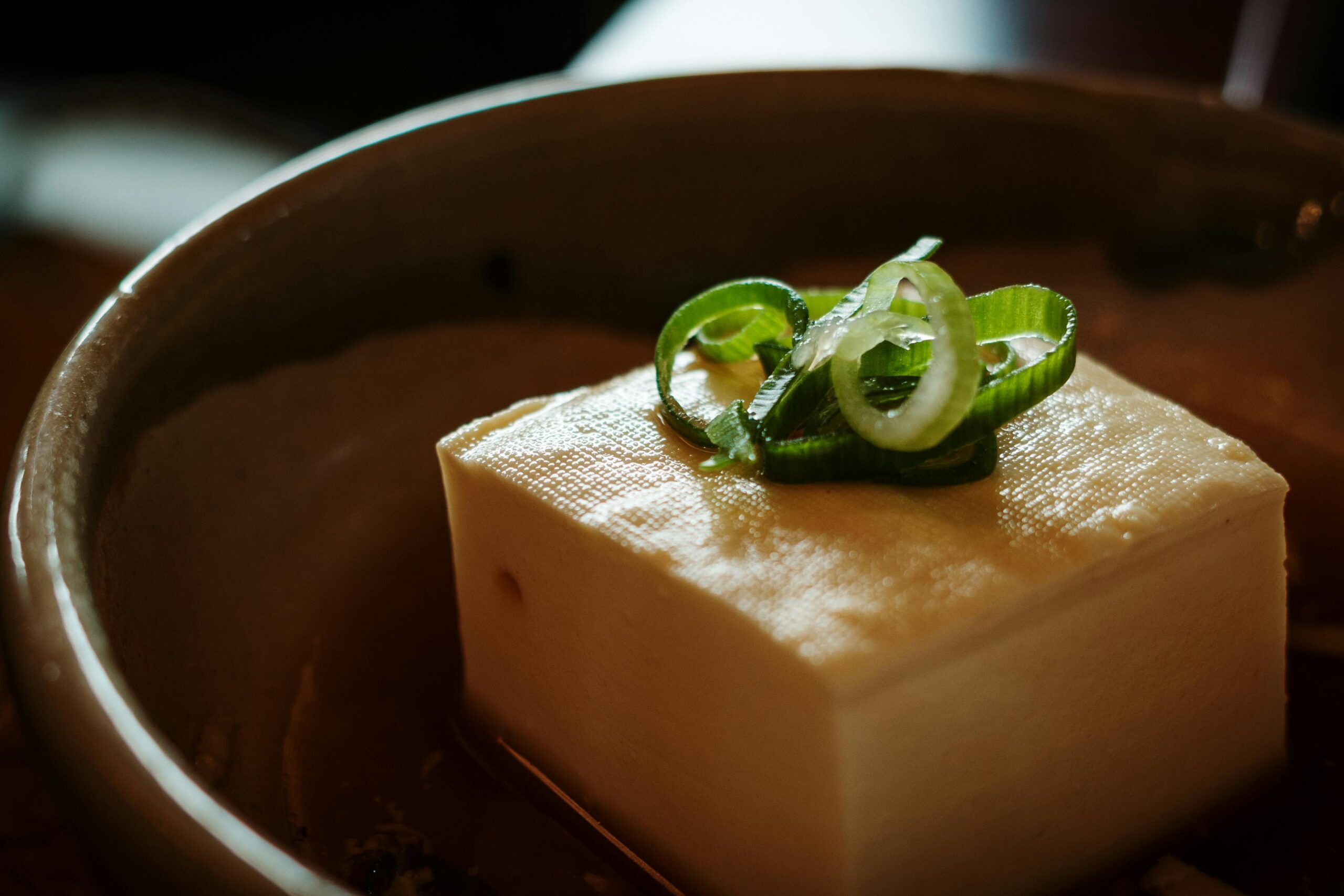
Tempeh and tofu, both made from soybeans, offer complete proteins with impressive versatility. Tempeh provides approximately 15 grams of protein per half cup and benefits from marinating before cooking. Tofu absorbs flavors beautifully and can be scrambled, baked, grilled, or added to soups and stir-fries.
Chickpeas deliver 15 grams of protein per cooked cup and can be transformed into countless dishes. Roast them for crunchy snacks, blend into hummus, or add to salads and curries. Their mild flavor and hearty texture make them suitable for various cuisines.
Seitan, made from wheat gluten, contains an impressive 25 grams of protein per 3.5-ounce serving. Its meat-like texture makes it popular in plant-based versions of traditional dishes. Marinate and grill, sauté with vegetables, or use in sandwiches for satisfying protein content.
📱 Tracking Your Protein Intake for Optimal Results
Monitoring protein consumption helps ensure you’re meeting daily targets and maintaining balanced nutrition. Several mobile applications simplify this process through user-friendly interfaces and comprehensive food databases.
MyFitnessPal stands as one of the most popular nutrition tracking apps, featuring an extensive database of foods, barcode scanning capabilities, and detailed macronutrient breakdowns. The app helps you set personalized protein goals and monitor your progress over time.
Consistent tracking reveals patterns in your eating habits, highlighting meals that need protein enhancement and times of day when you struggle to meet targets. This awareness empowers you to make informed adjustments that support your health and energy goals.
💪 Meal Prep Strategies for Protein-Focused Eating
Preparation eliminates the guesswork and decision fatigue that often derail healthy eating intentions. Dedicating a few hours weekly to meal prep ensures protein-rich options are always available.
Batch cook protein sources on Sunday afternoon: grill multiple chicken breasts, bake salmon fillets, hard-boil eggs, and prepare a large pot of lentils or beans. Store in portioned containers for easy assembly throughout the week.
Pre-chop vegetables and store in clear containers so you can quickly throw together salads, stir-fries, or roasted vegetable sides. Having components ready transforms meal assembly from a chore into a simple, quick process.
Invest in quality storage containers that keep food fresh and make portions visible. Glass containers work well for reheating and help you see what’s available at a glance, reducing food waste and ensuring nothing gets forgotten in the refrigerator.
🎯 Customizing Protein Intake for Your Lifestyle
Individual protein needs vary based on numerous factors including age, gender, activity level, and specific health goals. Athletes require more protein to support muscle recovery and performance, while sedentary individuals need less.
Those focusing on weight loss benefit from higher protein intake, as protein increases satiety and helps preserve muscle mass during caloric restriction. Aim for the higher end of recommended ranges, around 1.2-1.6 grams per kilogram of body weight.
Pregnant and breastfeeding women need additional protein to support fetal development and milk production. Consult healthcare providers for personalized recommendations, but generally, an additional 25 grams daily serves as a good baseline.
Older adults often require more protein to combat age-related muscle loss (sarcopenia). Research suggests seniors benefit from 1.0-1.2 grams per kilogram of body weight, distributed evenly across meals for optimal muscle protein synthesis.
🔥 Maximizing Protein Absorption and Utilization
Consuming adequate protein represents only part of the equation; your body must effectively digest and utilize these nutrients. Several strategies optimize protein absorption and maximize benefits.
Distribute protein intake evenly across meals rather than consuming the majority at dinner. Your body can only process approximately 20-40 grams of protein per meal for muscle protein synthesis, making even distribution more effective than front-loading or back-loading.
Pair protein with vitamin C-rich foods to enhance absorption, particularly when consuming plant-based iron sources. Add bell peppers to lentils, squeeze lemon on fish, or include strawberries with your morning eggs.
Stay adequately hydrated, as water plays a crucial role in protein metabolism and helps prevent digestive discomfort that can occur with higher protein intake. Aim for at least eight glasses daily, adjusting for activity level and climate.
✨ Building Sustainable Protein-Rich Eating Habits
Long-term success requires developing habits that feel natural and enjoyable rather than restrictive or difficult to maintain. Focus on progress over perfection and allow flexibility within your protein-focused framework.
Experiment with new protein sources and recipes regularly to prevent boredom and expand your culinary repertoire. Try different cuisines that naturally emphasize protein, such as Greek, Japanese, or Mediterranean dishes.
Plan treats and favorite foods into your routine rather than viewing them as violations of your eating plan. A sustainable approach includes all foods in appropriate portions, with protein-rich options forming the foundation of most meals.
Connect with communities focused on healthy eating, whether online forums, local cooking classes, or workout groups. Sharing recipes, challenges, and successes with like-minded individuals provides motivation and accountability.
Remember that building new habits takes time, typically several weeks to feel natural. Be patient with yourself, celebrate small victories, and focus on how increased protein intake improves your energy, strength, and overall well-being. These positive reinforcements create lasting change more effectively than restriction or harsh self-criticism.
By incorporating these protein-focused meal ideas and strategies into your daily routine, you create a sustainable eating pattern that supports lasting energy, balanced nutrition, and overall health. The key lies in finding combinations that satisfy your taste preferences while meeting your body’s nutritional needs, making healthy eating an enjoyable lifestyle rather than a temporary diet.