Modern life moves fast, and finding time to prepare nutritious meals can feel like an impossible task. The good news? You don’t need to cook to eat well.

The plate method combined with no-cook ingredients offers a revolutionary approach to mealtime that saves energy, reduces cleanup, and delivers balanced nutrition without turning on a single burner. Whether you’re dealing with a broken stove, living in a dorm, managing a heat wave, or simply too exhausted to cook, these quick assembly meals prove that healthy eating doesn’t require culinary skills or complicated recipes.
🍽️ Understanding the Plate Method for No-Cook Success
The plate method is a visual approach to balanced eating that eliminates the need for measuring cups, calorie counting, or complicated meal planning. This intuitive system divides your plate into strategic sections that ensure you’re getting the right proportions of nutrients with every meal.
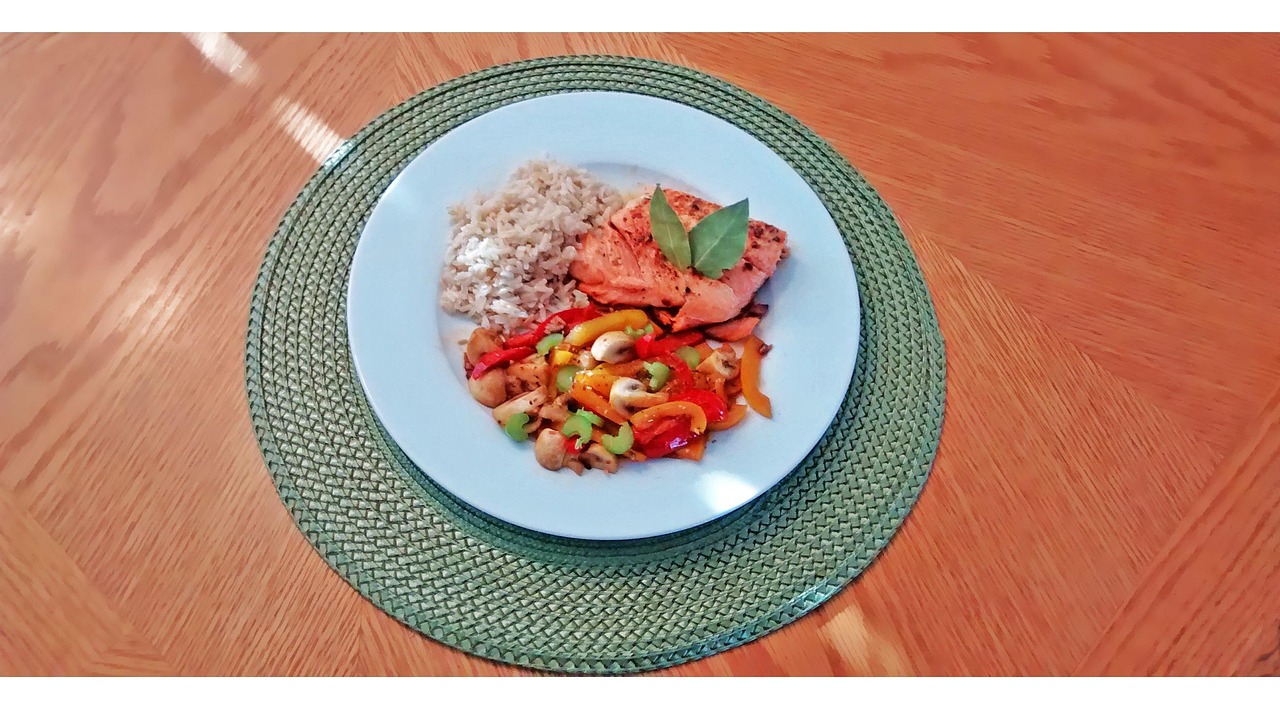
For a standard 9-inch plate, the breakdown is beautifully simple: fill half your plate with non-starchy vegetables, one quarter with quality protein, and the remaining quarter with whole grains or starchy vegetables. Add a serving of healthy fat and you’ve created a nutritionally complete meal that supports energy levels, satisfies hunger, and promotes overall wellness.
What makes this approach perfect for no-cook meals is its flexibility. You’re not bound by recipes or cooking techniques—just smart food selection and thoughtful assembly. The visual nature of the method means you can create perfectly balanced meals in minutes, using whatever fresh ingredients you have available.
The Core Components of Every Balanced Plate
Understanding what goes into each section empowers you to make endless meal variations without ever feeling restricted or bored. The beauty of this system lies in its adaptability to personal preferences, dietary needs, and seasonal availability.
Your vegetable half should burst with color and variety. Think crisp lettuce, juicy tomatoes, crunchy bell peppers, refreshing cucumbers, shredded carrots, and any other raw vegetables that appeal to you. This section provides essential vitamins, minerals, fiber, and hydration while keeping calories in check.
The protein quarter is your satisfaction anchor. No-cook options include canned tuna or salmon, pre-cooked rotisserie chicken, deli meats, hard-boiled eggs, cottage cheese, Greek yogurt, hummus, and canned beans. These protein sources keep you full, support muscle health, and stabilize blood sugar levels.
Your carbohydrate quarter provides sustained energy through options like whole grain crackers, bread, tortillas, pre-cooked quinoa or rice pouches, canned chickpeas, corn, or sweet potato (which can be quickly microwaved). This section fuels your brain and body for optimal performance throughout the day.
🥗 Five Quick-Assembly Meal Formulas That Actually Taste Amazing
Having reliable formulas removes the mental burden of meal planning while ensuring variety. These five templates can be customized infinitely based on your pantry, preferences, and what’s fresh at the market.
The Mediterranean Powerhouse Plate
Start with a generous bed of mixed greens and sliced cucumbers covering half your plate. Add cherry tomatoes, red onion slices, and kalamata olives for authentic Mediterranean flavor. Your protein quarter features canned chickpeas (drained and rinsed) or chunks of canned tuna in olive oil.
Complete the carbohydrate section with whole grain pita bread torn into pieces or a scoop of pre-cooked quinoa from a pouch. Drizzle everything with extra virgin olive oil, squeeze fresh lemon juice over the top, and sprinkle with crumbled feta cheese. Season with dried oregano, salt, and pepper. This meal delivers heart-healthy fats, complete protein, and antioxidants in under five minutes.
The Protein-Packed Breakfast Plate
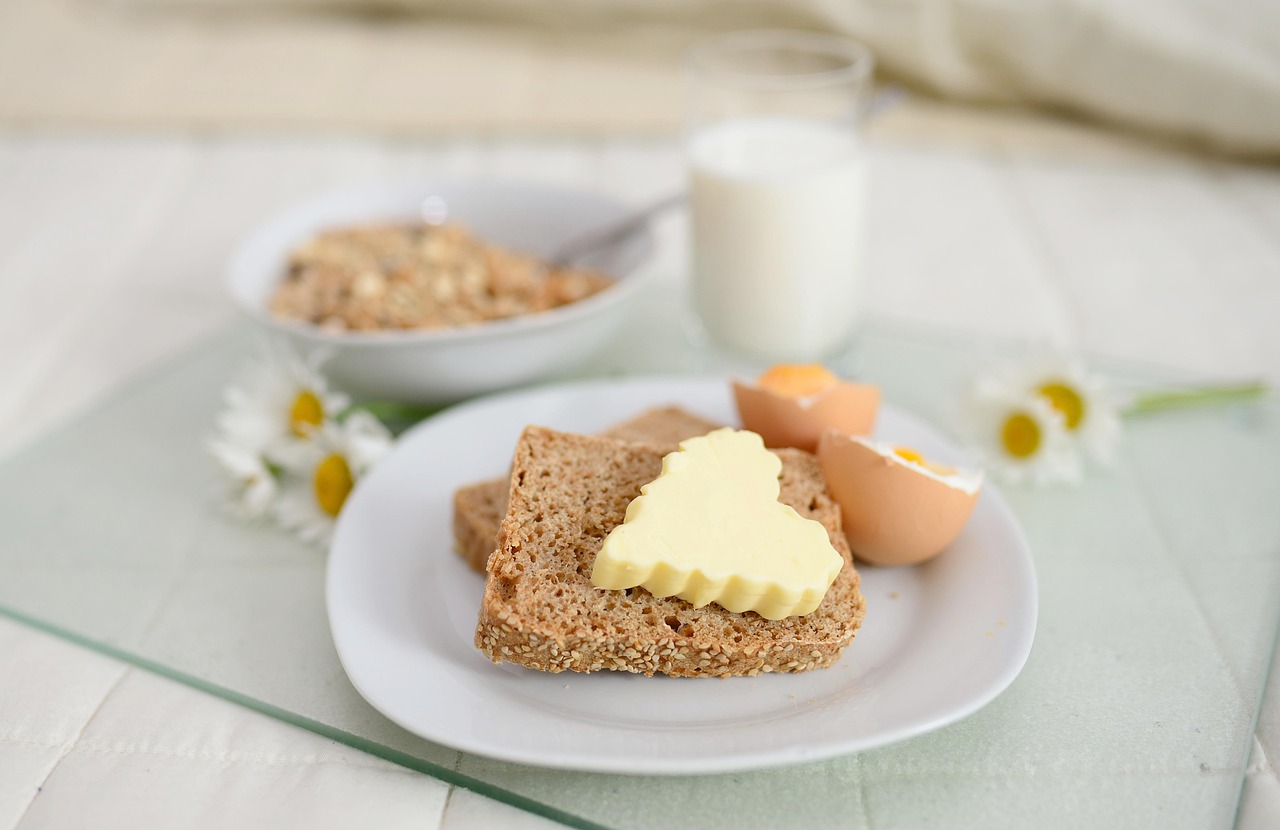
Who says the plate method is only for lunch and dinner? Start your day right with sliced tomatoes, baby spinach, and sliced avocado filling half your plate. Add two hard-boiled eggs (prep these ahead in batches) or a generous scoop of cottage cheese for your protein quarter.
Fill the carbohydrate section with whole grain toast or a handful of whole grain crackers. Top everything with everything bagel seasoning, a drizzle of hot sauce, and fresh herbs if you have them. This breakfast provides sustained energy, satisfying protein, and produces zero cooking mess to clean up before starting your day.
The Southwest Fiesta Bowl
Create a colorful base with shredded romaine lettuce, diced bell peppers (any color), corn kernels (canned or thawed frozen), and sliced radishes. Your protein comes from canned black beans, seasoned with cumin and lime juice, or leftover rotisserie chicken shredded directly onto the plate.
Add baked tortilla chips, a small whole wheat tortilla, or microwaved sweet potato cubes for your carbohydrate section. Top with salsa, a dollop of Greek yogurt (healthy substitute for sour cream), sliced jalapeños, and fresh cilantro. Squeeze lime juice over everything and add a pinch of chili powder for a meal that rivals any restaurant bowl.
The Asian-Inspired Assembly
Fill your vegetable section with shredded cabbage, julienned carrots, sliced cucumbers, and edamame (frozen edamame just needs to thaw). Add pre-cooked shrimp (from the frozen section, thawed under cold water) or canned salmon for protein.
Complete with brown rice from a microwavable pouch or rice crackers. Dress with a simple mixture of rice vinegar, a splash of sesame oil, a bit of honey, and soy sauce. Sprinkle with sesame seeds and sliced green onions if available. This plate delivers omega-3 fatty acids, crunchy textures, and umami-rich flavors without any cooking required.
The Italian Antipasto Plate
Arrange mixed greens, sliced tomatoes, roasted red peppers (from a jar), and marinated artichoke hearts on half your plate. Layer sliced deli turkey, salami, or mozzarella cheese (or all three) in your protein section.
Add breadsticks, crusty whole grain bread, or white beans (canned, drained, and seasoned) for your carbohydrate portion. Drizzle with balsamic vinegar and olive oil, season with Italian herbs, salt, and pepper. This elegant plate feels restaurant-worthy yet requires nothing more than strategic shopping and simple assembly.
🛒 Smart Shopping Strategies for No-Cook Success
The foundation of effortless no-cook meals is a well-stocked kitchen. Strategic shopping transforms meal assembly from a daily challenge into a simple routine that saves both time and decision-making energy.
Focus on purchasing pre-washed salad greens, pre-cut vegetables, and ready-to-eat proteins. Yes, these items cost slightly more than their whole counterparts, but the time savings and reduced food waste typically offset the price difference. When you remove preparation barriers, you’re far more likely to actually eat the healthy foods you buy.
Keep your pantry stocked with shelf-stable proteins like canned tuna, salmon, chicken, and various beans. Quality canned goods have come a long way—look for low-sodium options and those packed in water or olive oil rather than heavy sauces. These items provide nutrition insurance for busy weeks when fresh shopping isn’t possible.
The Essential No-Cook Pantry
Building a strategic pantry means you can create balanced meals even when the refrigerator looks bare. Stock multiple varieties of canned beans (black, chickpeas, white beans, kidney beans) as they’re versatile, fiber-rich, and protein-packed. Keep several types of canned fish for omega-3 fatty acids and convenience.
Whole grain options with long shelf lives include crackers, tortillas (store in the freezer), bread (also freezes well), and microwavable grain pouches. These carbohydrate sources require zero preparation beyond opening a package or a quick microwave session.
Your flavor arsenal should include quality olive oil, various vinegars (balsamic, red wine, apple cider, rice), hot sauces, mustards, and dried herbs and spices. These ingredients transform simple combinations into craveable meals without adding significant calories or requiring cooking skills.
⚡ Time-Saving Meal Prep Without Actually Cooking
Even within the no-cook framework, a little advance preparation multiplies your efficiency during busy weeknights. These strategies require minimal time investment but pay dividends throughout the week.
Dedicate 20 minutes when you return from grocery shopping to wash and portion vegetables. Store cut vegetables in clear containers with damp paper towels to maintain crispness. When ingredients are visible and ready to use, you’ll naturally incorporate more vegetables into your plates.
Hard-boil a dozen eggs at once (this does require brief cooking, but it’s hands-off time). Properly stored, they last a week in the refrigerator and serve as instant protein for any meal. Similarly, if you have access to a rotisserie chicken, immediately portion it into containers for grab-and-go protein throughout the week.
Create simple dressings and sauces in mason jars that keep refrigerated for a week or more. A basic vinaigrette (three parts oil to one part vinegar plus seasonings), tahini sauce (tahini, lemon juice, garlic, water), or yogurt-based dressing transforms the same ingredients into entirely different meals.
🌡️ No-Cook Solutions for Every Season and Situation
The versatility of the plate method shines when you adapt it to different circumstances. Summer heat waves make cooking unbearable, but cold, crisp plates feel perfectly refreshing. During winter, you can incorporate more room-temperature or microwaved elements for comfort without full cooking sessions.
For hot weather meals, emphasize hydrating vegetables like cucumbers, tomatoes, watermelon, and lettuce. Add cold proteins like chilled shrimp, tuna, or cottage cheese. Use chilled grain salads or skip grains entirely in favor of extra vegetables and fruit. These plates cool you down while maintaining proper nutrition.
During colder months, incorporate microwaved elements like sweet potatoes, grain pouches, and canned soups as your carbohydrate base. Room temperature proteins like canned beans work well, and roasted vegetables from the deli counter (technically cooked, but not by you) add warmth and heartiness. Layer spinach under warm ingredients to slightly wilt it for a more cooked feel.
Special Situations Where No-Cook Meals Shine
Travel scenarios often leave you without kitchen access. The plate method works brilliantly with grocery store deli bars, hotel mini-fridges, and even convenience store options. Mentally divide your takeout container using the plate method proportions, and you’ll make better choices even in challenging food environments.
Recovery from illness or surgery often leaves you unable to stand for extended cooking sessions. Pre-washed ingredients, canned proteins, and simple assembly allow you to maintain nutrition without taxing your energy. The same applies during pregnancy-related nausea or fatigue—cold, fresh foods often appeal more than hot cooked meals during these times.
College students, people living in temporary housing, or those with broken appliances can maintain excellent nutrition using only a mini-fridge, a microwave, and the plate method. This approach proves that healthy eating isn’t dependent on a full kitchen setup.
💰 Budget-Friendly Approaches to the No-Cook Lifestyle
There’s a misconception that no-cook eating is inherently expensive. While some convenience items carry premium prices, strategic choices make this approach accessible on nearly any budget.
Purchase whole heads of lettuce rather than pre-washed greens, and invest five minutes washing and tearing them yourself. Buy blocks of cheese rather than pre-sliced. Choose store brands for canned goods, which are nutritionally identical to name brands. These small adjustments significantly reduce costs while maintaining convenience.
Frozen vegetables offer nutrition equal to fresh at a fraction of the cost. They thaw quickly in a colander under running water or sitting in a bowl for 20 minutes. Frozen edamame, corn, peas, and green beans work beautifully in no-cook plates and eliminate waste since you use only what you need.
Shop seasonal produce for your fresh vegetables—these are always cheaper and more flavorful. In summer, tomatoes and cucumbers are inexpensive. Winter brings affordable cabbage, carrots, and citrus. Build your plates around what’s naturally abundant and you’ll save money while enjoying peak flavor.
🎯 Tracking Your Nutrition Without Obsession
The beauty of the plate method is that it builds balanced nutrition into the visual structure of your meal. You don’t need to count calories, weigh portions, or track macros unless you have specific health goals requiring that level of detail.
For those who do want to track intake, several apps make the process simple and even enjoyable. These tools help you understand your eating patterns, identify nutritional gaps, and ensure you’re meeting your health goals without turning meal tracking into a full-time job.
However, many people find that consistently following the visual plate method naturally results in appropriate portions and balanced nutrition without any tracking. The method’s built-in portion control means you’re unlikely to significantly overeat or under-nourish yourself.
Pay attention to your hunger and fullness cues rather than external rules. If you’re genuinely hungry an hour after eating, your plate may need more protein or healthy fats. If you’re uncomfortably full, reduce portions slightly next time. This intuitive approach develops healthy relationships with food that rigid tracking often disrupts.
🌟 Elevating Simple Ingredients Into Craveable Meals
The difference between a boring salad and a meal you actually look forward to often comes down to thoughtful flavoring, textural contrast, and visual appeal. These elements require no cooking skill—just awareness and creativity.
Texture variety keeps meals interesting. Combine creamy (avocado, hummus, cheese), crunchy (nuts, seeds, raw vegetables, crackers), and juicy (tomatoes, citrus, berries) elements on each plate. This contrast satisfies on multiple sensory levels and prevents the monotony that derails healthy eating intentions.
Fresh herbs transform simple ingredients into restaurant-quality meals. Keep basil, cilantro, parsley, or mint on hand and add generously. These herbs contribute virtually no calories but massive flavor impact. Similarly, a squeeze of fresh lemon or lime juice brightens every plate and aids digestion.
Visual presentation matters more than you might think. Arrange ingredients thoughtfully rather than dumping everything in a bowl. Use colorful vegetables, create height and dimension, and garnish with seeds, herbs, or a beautiful drizzle of dressing. When food looks appealing, you’ll enjoy it more and feel more satisfied—both physically and psychologically.
🔄 Keeping Your No-Cook Routine Fresh and Sustainable
The key to long-term success with any eating approach is variety that prevents boredom. With the plate method framework, you can create endless variations using different ingredients, flavor profiles, and cultural cuisines.
Challenge yourself to try one new ingredient each week. Explore the produce section for vegetables you’ve never prepared. Sample different varieties of canned fish, beans, or whole grains. This exploration keeps meals exciting while gradually expanding your nutritional repertoire and culinary confidence.
Follow a rotation schedule for your proteins and flavor profiles. Monday might be Mediterranean, Tuesday Southwest, Wednesday Asian-inspired, Thursday Italian, and Friday your choice. This structure provides enough routine to simplify planning while ensuring adequate variety to maintain interest and comprehensive nutrition.
Join online communities focused on quick healthy meals or the plate method specifically. These groups share ideas, troubleshoot challenges, and provide inspiration when you’re stuck in a rut. Seeing how others interpret the same framework often sparks creativity and introduces you to combinations you’d never have considered independently.
🚀 Making No-Cook Meals Work for Your Whole Family
Individual plates work beautifully, but what about feeding multiple people with different preferences? The plate method’s flexibility actually makes it ideal for family meals, even with picky eaters or varied dietary needs.
Set up a build-your-own plate station with all components available separately. Offer two or three protein options, several vegetables, a couple carbohydrate choices, and various toppings and dressings. Everyone assembles their ideal plate while you ensure all family members are getting balanced nutrition through the same visual formula.
For children, involve them in the process. Let them choose which vegetables to include (within the half-plate guideline), select their preferred protein, and arrange their own plate. This involvement increases the likelihood they’ll actually eat the meal and teaches valuable nutrition lessons through hands-on experience rather than lectures.
Accommodate dietary restrictions easily by offering diverse options within each category. Plant-based proteins work alongside animal proteins. Gluten-free crackers sit beside whole grain bread. Everyone eats together, everyone gets balanced nutrition, and no one needs to prepare multiple separate meals.
The no-cook plate method represents a paradigm shift in how we think about healthy eating. It proves that nutrition doesn’t require culinary expertise, expensive equipment, or hours in the kitchen. With smart shopping, basic assembly skills, and the simple visual framework of the plate method, you can enjoy delicious, balanced meals every single day—no cooking required. This approach reduces stress, saves time, eliminates cleanup, and delivers consistent nutrition that supports your health goals and busy lifestyle. Whether you’re managing a temporary situation or adopting this as your permanent approach, the combination of no-cook convenience and plate method balance offers a sustainable path to eating well in the modern world.