Eating well doesn’t require elaborate cooking techniques or a pantry full of exotic ingredients. The plate method combined with minimal-ingredient recipes creates a sustainable approach to nutritious eating that anyone can master.

Whether you’re managing a health condition, trying to lose weight, or simply looking to improve your overall nutrition, the beauty of simple cooking lies in its accessibility. When you strip away the complexity, food becomes medicine, fuel, and pleasure all at once—without the stress of complicated meal planning or hours spent in the kitchen.
Understanding the Plate Method: Your Visual Guide to Balanced Eating 🍽️
The plate method is a straightforward visual tool that transforms nutrition science into an easy-to-follow eating pattern. Instead of counting calories or measuring portions obsessively, you simply divide your plate into sections that naturally balance macronutrients and promote satiety.
The traditional plate method divides a standard 9-inch plate into three sections: half the plate filled with non-starchy vegetables, one quarter with lean protein, and one quarter with complex carbohydrates or starchy vegetables. This simple framework automatically creates portion control while ensuring you get fiber, protein, vitamins, and minerals in every meal.
What makes this approach particularly powerful is its flexibility. The plate method works across dietary preferences—whether you’re omnivorous, vegetarian, vegan, or following specific cultural eating patterns. It’s not a restrictive diet but rather a template that adapts to your lifestyle and food preferences.
Why Minimal Ingredients Equal Maximum Flavor
The culinary world has perpetuated a myth that complex dishes with lengthy ingredient lists are superior to simple preparations. In reality, the opposite is often true. When you work with fewer ingredients, each component’s quality and flavor becomes more important and more noticeable.
Minimal-ingredient cooking forces you to develop fundamental cooking skills like proper seasoning, understanding heat control, and recognizing when ingredients reach their peak flavor. A perfectly roasted chicken thigh with crispy skin needs nothing more than salt, pepper, and proper technique to become extraordinary.
This approach also reduces decision fatigue. When you’re not overwhelmed by dozens of ingredients and complicated instructions, cooking becomes less intimidating and more intuitive. You’ll find yourself cooking more frequently when recipes require just five to seven ingredients rather than fifteen.
The Economic and Environmental Benefits
Cooking with fewer ingredients naturally reduces food waste and grocery expenses. When recipes call for obscure ingredients you’ll only use once, those items often languish in your pantry until they expire. Simple recipes built around versatile staples mean everything gets used.
From an environmental perspective, minimal-ingredient cooking typically means less packaging, fewer processed foods, and more whole ingredients. This naturally aligns with sustainable eating practices without requiring extreme lifestyle changes.
Building Your Simple Plates Foundation: Essential Ingredients
Creating flavorful minimal-ingredient meals starts with stocking versatile foundations. You don’t need a massive pantry—just strategic staples that work across multiple dishes and flavor profiles.
The Protein Essentials
Quality protein sources form the cornerstone of satisfying plates. Eggs, chicken thighs, salmon, ground turkey, canned beans, and firm tofu cover nearly every dietary preference. These proteins take well to simple preparations and provide the staying power that keeps you full between meals.
Chicken thighs deserve special mention—they’re more forgiving than breasts, stay moist with minimal effort, and develop incredible flavor with just salt and heat. Similarly, canned beans are nutrition powerhouses that require zero preparation beyond opening the can and heating.
Vegetable Variety Without Complexity
Non-starchy vegetables should dominate your plate, but you don’t need exotic varieties. Broccoli, spinach, bell peppers, zucchini, cauliflower, green beans, and mixed salad greens are affordable, available year-round, and incredibly versatile.
The key is learning multiple preparation methods for the same vegetable. Broccoli can be steamed, roasted, sautéed, or eaten raw—each method creates a different flavor profile and texture, preventing boredom without requiring different ingredients.
Smart Carbohydrate Choices
The carbohydrate quarter of your plate works best with whole food sources: sweet potatoes, brown rice, quinoa, whole grain bread, or regular potatoes. These provide sustained energy, fiber, and additional nutrients while remaining budget-friendly and simple to prepare.
Batch cooking your carbohydrate sources makes weeknight meals even simpler. Cook a large pot of brown rice or roast several sweet potatoes at once, then refrigerate for quick assembly throughout the week.
Flavor Amplifiers: The Secret to Simple Yet Delicious Cooking ✨
The difference between bland simple food and crave-worthy simple food often comes down to proper use of flavor amplifiers—ingredients that punch above their weight in terms of taste impact.
Salt, Fat, Acid, Heat
This isn’t just a book title—it’s the framework for making anything taste good. Proper salting enhances natural flavors rather than making food taste “salty.” Quality fats like olive oil, butter, or avocado oil carry flavor and create satisfying mouthfeel. Acidic elements like lemon juice, vinegar, or tomatoes brighten dishes and balance richness. Proper heat application creates texture contrast and develops complex flavors through caramelization.
Mastering these four elements means you can make a three-ingredient dish taste like it required a dozen components.
Aromatics and Herbs
Garlic, onions, ginger, and fresh herbs transform simple preparations into memorable meals. A chicken breast with garlic and rosemary tastes completely different from the same protein with ginger and scallions, yet both require minimal ingredients and effort.
Dried herbs work beautifully for longer cooking methods, while fresh herbs added at the end provide brightness and visual appeal. Even growing a small windowsill herb garden gives you restaurant-quality finishing touches without additional grocery trips.
Mastering the Plate Method: Five-Ingredient Recipe Formulas
Once you understand the plate method framework, you can create endless variations using simple formulas. These templates ensure nutritional balance while keeping ingredient lists manageable.
The Protein Bowl Formula
Start with your protein (chicken, tofu, salmon), add two non-starchy vegetables prepared differently (one raw, one cooked), include your complex carbohydrate base (rice, quinoa, sweet potato), and finish with a simple sauce or dressing. This five-component template creates complete, balanced meals.
Example: Grilled chicken thigh over brown rice with roasted broccoli, cucumber slices, and a lemon-tahini drizzle. Five ingredients, perfectly balanced, incredibly satisfying.
The Sheet Pan Strategy
Sheet pan meals naturally align with the plate method when you balance your components. Choose a protein, two or three vegetables with similar cooking times, season everything with the same spices, and roast together. Transfer to your plate in proper proportions.
Example: Salmon fillet with asparagus and cherry tomatoes, seasoned with olive oil, garlic, salt, and pepper. Four main ingredients create a complete meal with minimal cleanup.
The Skillet Success Method
One-pan cooking doesn’t mean throwing everything together haphazardly. Start by cooking your protein, remove it, then sauté your vegetables in the same pan to capture those flavorful browned bits. Add back your protein, incorporate your carbohydrate if appropriate, and serve.
Example: Ground turkey with bell peppers and onions served over cauliflower rice with taco seasoning. Five ingredients deliver bold flavor and perfect plate method proportions.
Breakfast Plates: Starting Your Day the Simple Way 🌅
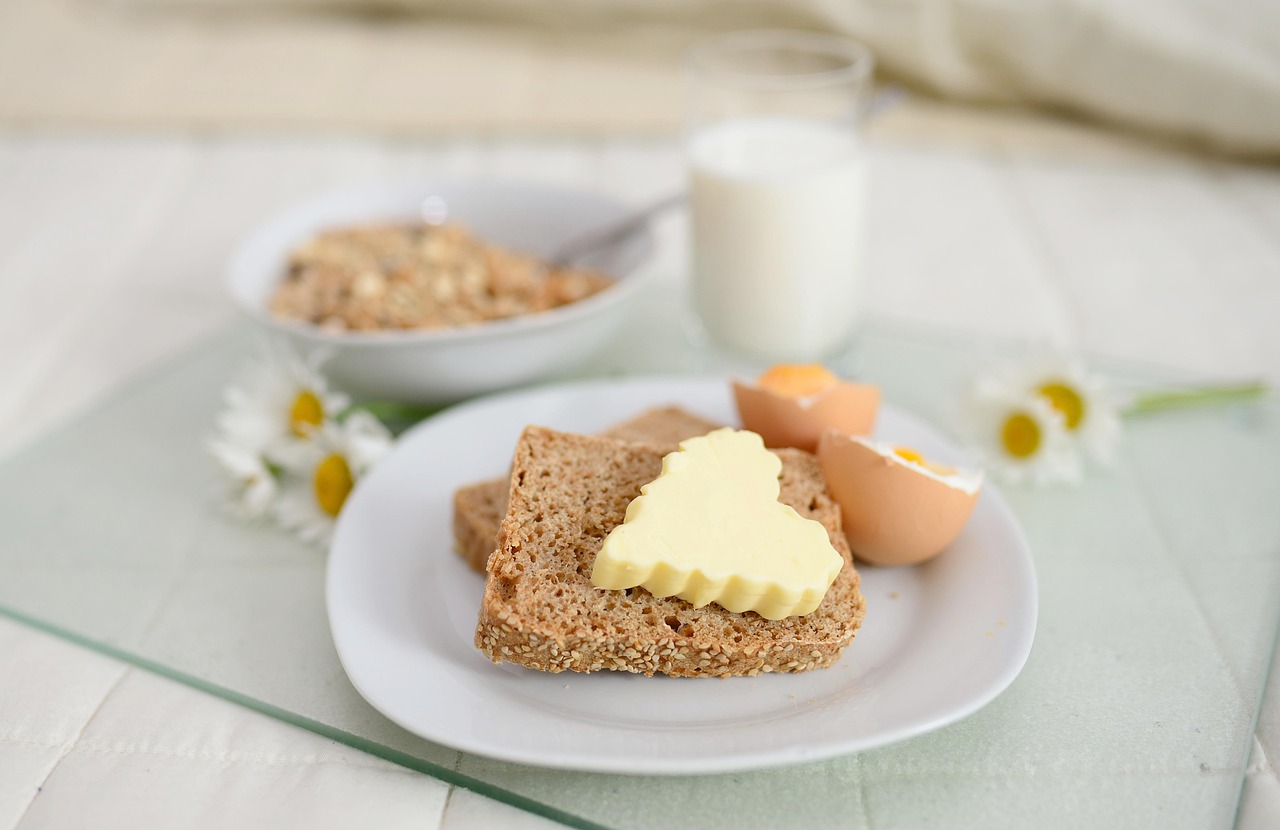
The plate method works beautifully for breakfast, though proportions might shift slightly. Aim for protein, vegetables, and a moderate amount of healthy carbohydrates to stabilize blood sugar throughout the morning.
A veggie-packed omelet with whole grain toast and avocado hits all the marks. Three eggs, spinach, tomatoes, toast, and half an avocado—five ingredients creating a powerhouse breakfast that takes less than ten minutes to prepare.
Greek yogurt bowls work equally well: plain Greek yogurt as your protein, berries for vitamins and fiber, a small portion of granola or oats for complex carbs, and a drizzle of honey for satisfaction. Simple, balanced, and endlessly customizable.
Meal Prep Strategies for Plate Method Success
The plate method becomes even easier when you prepare components in advance. Rather than cooking complete meals, prepare versatile elements you can mix and match throughout the week.
The Component Prep Approach
Dedicate an hour on the weekend to preparing proteins, roasting vegetables, and cooking grains. Store everything separately in clear containers, then assemble plates throughout the week based on your preferences and schedule.
This approach prevents meal prep fatigue because you’re not eating identical meals repeatedly. The same roasted chicken, brown rice, and roasted vegetables can become different meals with simple variations in seasonings or a different sauce.
Strategic Ingredient Overlap
Plan your weekly meals so ingredients overlap without becoming redundant. If you’re buying bell peppers, use them in multiple preparations throughout the week—raw in salads, roasted on sheet pans, and sautéed in skillets. This reduces waste while maintaining variety.
Overcoming Common Minimal-Ingredient Cooking Challenges
Even with simple recipes, obstacles can arise. Anticipating these challenges helps you maintain consistency with the plate method approach.
Fighting Flavor Fatigue
Eating simply doesn’t mean eating boringly. Combat flavor fatigue by varying your cooking methods, rotating through different protein sources, and changing your seasoning profiles. The same chicken and broccoli can taste Italian with basil and tomatoes, Asian with ginger and soy sauce, or Mexican with cumin and lime.
Investing in a few quality spice blends expands your flavor repertoire without cluttering your pantry. A good curry powder, Italian seasoning blend, and taco seasoning can transform the same base ingredients into completely different meals.
Managing Time Constraints
When time is tight, focus on preparations that require minimal active cooking time. Sheet pan meals cook themselves once assembled. Pressure cookers and slow cookers turn tough proteins tender with minimal intervention. Even a simple stir-fry takes just minutes of active cooking time.
Keep emergency backup options that still align with the plate method: rotisserie chicken from the grocery store, pre-washed salad greens, and microwavable brown rice create a balanced plate in under five minutes.
Adapting the Plate Method Across Dietary Needs 🥗
The beauty of combining minimal-ingredient cooking with the plate method is its universal applicability. Whether you’re managing diabetes, following a plant-based diet, or dealing with food sensitivities, the framework adapts seamlessly.
Plant-Based Plate Method
Vegetarian and vegan eaters simply substitute plant proteins like beans, lentils, tofu, tempeh, or edamame in the protein quarter. The vegetable and carbohydrate sections remain unchanged, creating naturally plant-forward balanced meals.
A Buddha bowl with chickpeas, quinoa, roasted sweet potato, steamed broccoli, and tahini sauce perfectly exemplifies the plate method with entirely plant-based ingredients.
Low-Carb and Keto Variations
Those following lower-carbohydrate approaches can adjust portions while maintaining the plate method structure. Increase the protein and healthy fat portions while filling most of the plate with low-carb vegetables. The visual framework still works—you’re simply adjusting ratios rather than abandoning the system.
Building Long-Term Success with Simple Plates 💪
The ultimate goal isn’t following another restrictive diet but developing an intuitive, sustainable relationship with food. The plate method with minimal-ingredient recipes creates a foundation you can maintain for life, not just a few weeks.
As you practice these principles, you’ll notice something remarkable: you stop needing recipes altogether. You’ll understand ingredient ratios, flavor combinations, and cooking techniques well enough to improvise balanced, delicious meals from whatever’s available. This is true food freedom—the ability to nourish yourself well without dependency on complicated plans or processed convenience foods.
Start with just one meal per day following the plate method. Master a few favorite simple recipes until they become second nature. Gradually expand your repertoire as your confidence grows. Before long, this approach won’t feel like following rules—it’ll simply be how you eat.
Your Simple Plate Journey Starts Now
The intersection of the plate method and minimal-ingredient cooking represents a powerful shift away from diet culture toward sustainable wellness. You don’t need exotic superfoods, complicated recipes, or expensive meal plans to eat well. You need quality basic ingredients, simple cooking methods, and a visual framework for balance.
Every meal is an opportunity to practice these principles. Your plate becomes both your portion control tool and your nutrition guide, eliminating the need for tracking apps or complicated calculations. The simplicity itself is the strategy—reducing barriers between you and nourishing food.
As you embrace this approach, you’ll likely discover that simple plates deliver not just adequate nutrition but genuine pleasure. There’s something deeply satisfying about a perfectly seasoned piece of protein, colorful vegetables prepared with care, and wholesome carbohydrates that fuel your activities. This isn’t deprivation disguised as wellness—it’s real food prepared with intention and enjoyed with gratitude.
The journey to better health doesn’t require complexity. Sometimes the most profound changes come from the simplest practices, repeated consistently over time. Your simple plate is waiting—fill it with intention, eat it with attention, and watch how this uncomplicated approach transforms your relationship with food and nutrition.