
Managing blood sugar doesn’t mean sacrificing comfort food. Warm, nourishing soups and stews can be both delicious and diabetes-friendly when prepared thoughtfully.

The journey to better blood sugar control becomes significantly more enjoyable when you discover that hearty, satisfying meals can support your health goals. A1C-friendly soups and stews offer the perfect combination of nutrition, flavor, and comfort without causing problematic blood sugar spikes. These one-pot wonders provide balanced meals packed with fiber, lean proteins, and vegetables that work together to maintain stable glucose levels throughout the day.
Understanding the A1C Connection to Your Daily Meals 🩺
Your A1C level reflects your average blood sugar over the past two to three months, making it a crucial indicator of diabetes management. Every meal you consume influences this number, which is why choosing blood sugar-friendly foods matters so significantly. Soups and stews prepared with the right ingredients can help keep your glucose levels steady, preventing the dramatic rises and falls that negatively impact your A1C results.
The glycemic impact of your meals depends on several factors including carbohydrate type, fiber content, protein amounts, and healthy fats. Well-crafted soups and stews naturally incorporate all these elements, creating balanced dishes that satisfy hunger while supporting metabolic health. The liquid component of these dishes also helps with portion control and provides a feeling of fullness that prevents overeating.
The Science Behind Blood Sugar-Friendly Soups
When you eat a balanced soup or stew containing protein, fiber, and healthy fats, your body digests the meal more slowly. This gradual digestion process means glucose enters your bloodstream steadily rather than flooding it all at once. The result is a gentle, manageable rise in blood sugar instead of a sharp spike followed by a crash.
Fiber plays an especially important role in this process. Soluble fiber found in beans, lentils, vegetables, and certain grains forms a gel-like substance in your digestive system that slows sugar absorption. Meanwhile, protein from lean meats, poultry, fish, or plant sources requires more time to break down, further extending the digestive process and stabilizing blood sugar response.
The Power of Low Glycemic Ingredients
Choosing low glycemic index ingredients forms the foundation of A1C-friendly soups and stews. Non-starchy vegetables like leafy greens, broccoli, cauliflower, zucchini, bell peppers, and tomatoes provide volume, nutrients, and fiber with minimal impact on blood glucose. Legumes such as lentils, chickpeas, and black beans offer both protein and fiber, making them exceptional choices for blood sugar management.
Whole grains like barley, quinoa, and wild rice can be included in moderate portions, providing sustained energy without causing glucose spikes. These complex carbohydrates break down more slowly than refined grains, offering a steadier energy release that supports stable blood sugar levels throughout the day.
Essential Ingredients for Your A1C-Friendly Kitchen 🥘
Building a repertoire of diabetes-friendly soups and stews starts with stocking your pantry and refrigerator with the right ingredients. Focus on whole, unprocessed foods that provide maximum nutrition with minimal blood sugar impact.
Protein Powerhouses
Lean proteins should anchor your soups and stews. Skinless chicken breast, turkey, lean beef cuts, pork tenderloin, fish, and seafood all work beautifully in these dishes. Plant-based options like tofu, tempeh, and edamame offer excellent alternatives. These proteins help slow digestion, increase satiety, and prevent blood sugar spikes while supporting muscle maintenance and overall health.
Vegetable Variety
The more colorful your soup or stew, the more nutrients and antioxidants you’re consuming. Dark leafy greens like spinach, kale, and collards provide iron, calcium, and vitamin K. Cruciferous vegetables such as broccoli and cauliflower offer cancer-fighting compounds. Bell peppers, tomatoes, and carrots add sweetness, color, and vitamin C without excessive carbohydrates.
Healthy Fats That Support Blood Sugar
Including moderate amounts of healthy fats improves both flavor and blood sugar management. Olive oil, avocado, nuts, and seeds provide monounsaturated and polyunsaturated fats that slow digestion and help your body absorb fat-soluble vitamins. A tablespoon of olive oil for sautéing aromatics or a handful of chopped walnuts as garnish enhances both taste and nutritional value.
Warming Recipe Ideas for Stable Blood Sugar ☕
Creating delicious A1C-friendly soups and stews doesn’t require complicated techniques or exotic ingredients. Simple preparations using quality whole foods deliver both comfort and health benefits.
Mediterranean Lentil Soup
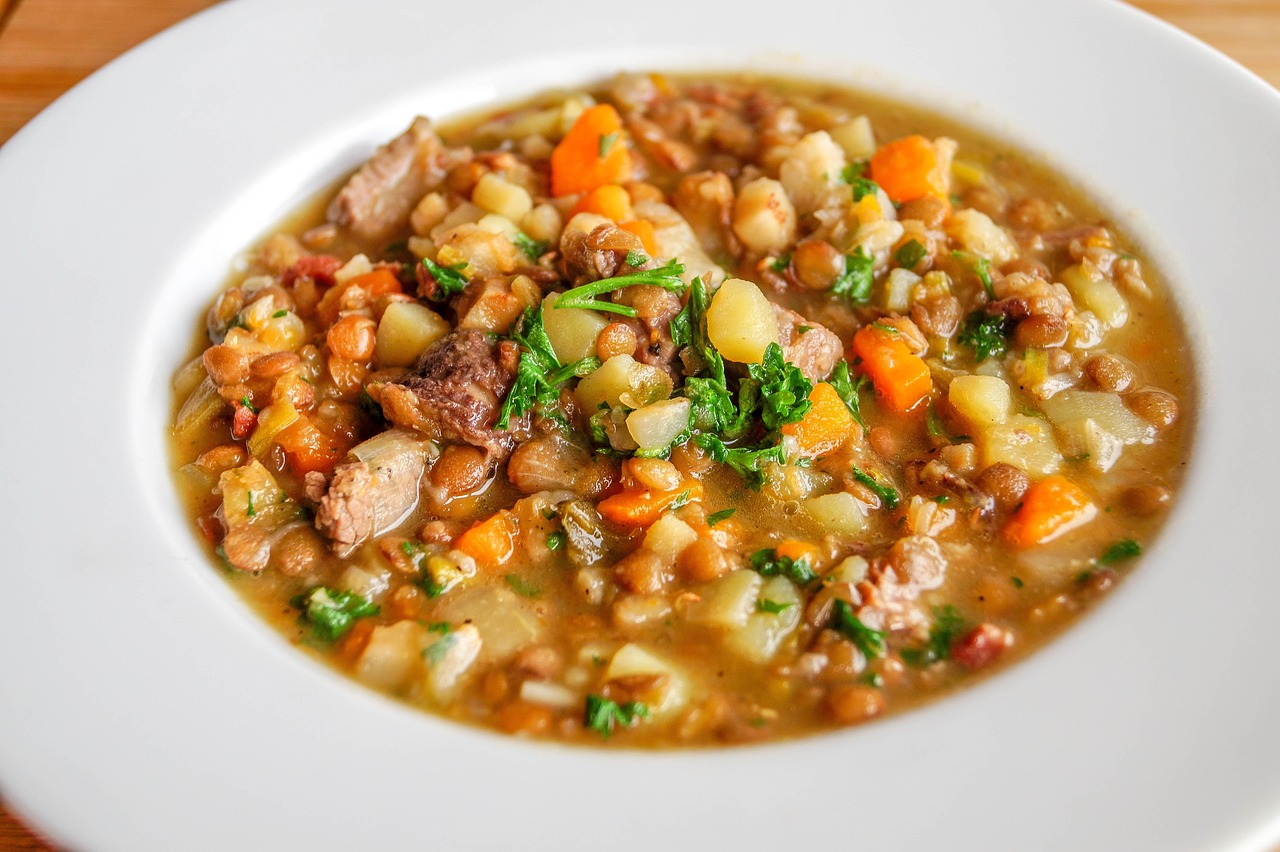
This fiber-rich soup combines brown or green lentils with tomatoes, spinach, carrots, celery, and aromatic herbs. Lentils provide approximately 16 grams of fiber per cooked cup along with plant-based protein. The combination stabilizes blood sugar while delivering a satisfying, hearty meal. Season with garlic, oregano, and a squeeze of lemon juice for bright Mediterranean flavors.
Chicken and Vegetable Stew
Start with bone broth for added collagen and minerals, then add diced chicken breast, green beans, zucchini, tomatoes, and mushrooms. This protein-forward stew keeps you full for hours while providing minimal carbohydrates. The diverse vegetables offer various nutrients and antioxidants that support overall health beyond blood sugar management.
Turkey Chili with Beans
Ground turkey combined with kidney beans, black beans, tomatoes, peppers, and chili spices creates a satisfying bowl that balances protein, fiber, and complex carbohydrates. The beans provide resistant starch that feeds beneficial gut bacteria and helps regulate blood sugar. Portion control remains important, but this dish offers excellent nutritional balance when served in reasonable amounts.
Asian-Inspired Miso Soup with Tofu
This light yet satisfying soup features tofu, seaweed, mushrooms, bok choy, and miso paste in a flavorful broth. Tofu provides plant-based protein, while seaweed offers iodine and other trace minerals. The fermented miso paste contains probiotics that support digestive health, which research increasingly links to better blood sugar control.
Cooking Techniques That Preserve Nutrition 👨🍳
How you prepare your soups and stews affects their nutritional value and blood sugar impact. Certain techniques maximize benefits while others diminish them.
Sautéing Aromatics in Healthy Fats
Beginning your soup or stew by sautéing onions, garlic, celery, and carrots in olive oil develops rich flavors while incorporating healthy fats. This technique creates a flavor foundation that reduces the need for excessive salt or sugar-containing additives. The fat also helps your body absorb fat-soluble vitamins from the vegetables.
Building Layers of Flavor
Instead of relying on high-sodium broths or cream-based additions, build complexity through herbs, spices, citrus, and vinegar. Fresh herbs like parsley, cilantro, and basil added at the end preserve their bright flavors. Warming spices such as cumin, turmeric, cinnamon, and ginger not only enhance taste but also offer anti-inflammatory properties that may benefit blood sugar control.
Avoiding Hidden Sugars and Refined Carbohydrates
Many commercial soup bases and canned products contain added sugars, cornstarch, and refined flours that spike blood glucose. Making your own broth or choosing low-sodium, additive-free options gives you control over ingredients. If thickening is desired, use pureed beans or vegetables instead of flour or cornstarch for a blood sugar-friendly approach.
Portion Control Without Feeling Deprived
Even with healthy ingredients, portion sizes matter for blood sugar management. The beauty of vegetable-rich soups and stews is that you can enjoy generous portions without consuming excessive calories or carbohydrates.
A balanced serving typically includes one to one-and-a-half cups of soup or stew paired with a side salad or additional non-starchy vegetables. This combination provides volume and satisfaction while keeping carbohydrates in a reasonable range. If your recipe includes starchy elements like beans or whole grains, be mindful of serving sizes and balance them with plenty of vegetables and protein.
Meal Planning Strategies
Preparing large batches of soup or stew on weekends provides ready-made meals throughout the week. Portion individual servings into containers for easy grab-and-go lunches or quick dinners. This advance preparation removes decision fatigue and reduces the temptation to choose less healthy options when time is limited or energy is low.
Tracking Your Response to Different Recipes 📊
Individual blood sugar responses vary based on factors including insulin sensitivity, activity level, medication, stress, and sleep quality. Testing your glucose levels before eating and two hours after finishing your meal reveals how specific soups and stews affect your personal blood sugar.
Keep notes about which recipes work best for you, including portion sizes that keep your numbers in range. Over time, you’ll develop an understanding of your body’s responses and can adjust ingredients or portions accordingly. This personalized approach ensures you’re not just following general guidelines but optimizing your meals for your specific metabolic needs.
Enhancing Soups and Stews with Superfoods 🌟
Certain ingredients offer exceptional benefits for blood sugar management and can elevate your soups and stews from nutritious to extraordinary.
Cinnamon and Blood Sugar Control
Research suggests that cinnamon may improve insulin sensitivity and help lower blood sugar levels. Adding a teaspoon to butternut squash soup or Moroccan-inspired stews contributes warm, sweet notes while potentially supporting glucose metabolism. Ceylon cinnamon is preferable to cassia cinnamon due to lower coumarin content.
Turmeric’s Anti-Inflammatory Properties
The curcumin in turmeric offers powerful anti-inflammatory effects that may benefit people with diabetes. Golden-colored soups and stews featuring this spice not only look beautiful but may help reduce inflammation associated with insulin resistance. Combining turmeric with black pepper increases curcumin absorption significantly.
Garlic for Metabolic Health
Beyond its flavor contributions, garlic contains compounds that may help regulate blood sugar and improve cardiovascular health. Fresh garlic provides more benefits than powdered versions, so include generous amounts in your aromatic vegetable base when starting soups and stews.
Making Soups and Stews Family-Friendly
When you’re managing diabetes, preparing separate meals for yourself and your family creates unnecessary work and may feel isolating. The good news is that A1C-friendly soups and stews appeal to everyone, not just those focused on blood sugar management.
Children and adults alike enjoy the comfort of warm, flavorful bowls of soup or stew. By focusing on whole foods, balanced nutrition, and delicious seasonings rather than framing meals as “diabetic food,” you create positive eating experiences for the entire household. Family members without diabetes benefit from the same nutrient-dense, fiber-rich meals that support your blood sugar goals.
Customizing Individual Bowls
Set up a toppings bar allowing family members to personalize their servings. Offer options like shredded cheese, Greek yogurt, avocado slices, fresh herbs, hot sauce, and whole grain crackers. This approach accommodates different preferences and nutritional needs while keeping meal preparation simple.
Budget-Friendly Blood Sugar Management 💰
Managing diabetes doesn’t require expensive specialty foods or supplements. Soups and stews are inherently economical, stretching affordable ingredients into multiple satisfying meals.
Dried beans and lentils cost pennies per serving while providing excellent nutrition. Buying whole chickens or less expensive cuts of meat and cooking them into tender, flavorful stews maximizes your food budget. Seasonal vegetables purchased at farmers markets or on sale provide quality produce at reasonable prices.
Freezing individual portions prevents waste and ensures you always have a blood sugar-friendly meal available, reducing reliance on expensive convenience foods or restaurant meals that may not align with your health goals.
Seasonal Variations to Keep Meals Interesting
Rotating your soup and stew recipes with the seasons keeps your meals exciting while taking advantage of fresh, affordable produce at its peak flavor and nutritional value.
Spring Soups
Celebrate fresh asparagus, peas, spinach, and herbs in light, brothy soups that feel refreshing as weather warms. A spring vegetable soup with chicken and fresh dill offers renewal after heavy winter meals while providing balanced nutrition for blood sugar management.
Summer Freshness
Cold soups like gazpacho showcase ripe tomatoes, cucumbers, and peppers without heating up your kitchen. These raw or minimally cooked soups preserve heat-sensitive nutrients while providing hydration during warmer months. The high water content and fiber help manage blood sugar while keeping you cool.
Autumn Harvest
Fall brings squash, root vegetables, and heartier greens perfect for warming stews. A beef and vegetable stew with turnips, parsnips, and cabbage provides comfort as temperatures drop while delivering complex flavors and substantial nutrition.
Winter Warmth
During cold months, robust stews featuring beans, lentils, and warming spices provide both physical warmth and blood sugar stability. A Moroccan-inspired chickpea stew with cinnamon, cumin, and preserved lemon transports your taste buds while supporting your health goals.
Building Sustainable Habits Around Nourishing Meals 🌱
Long-term blood sugar management requires sustainable approaches rather than restrictive diets that feel punishing. Soups and stews support this sustainability by offering comfort, satisfaction, and flexibility within a health-promoting framework.
Rather than viewing diabetes management as deprivation, reframe it as an opportunity to explore diverse cuisines, develop cooking skills, and nourish your body with intention. Each bowl of thoughtfully prepared soup or stew represents an act of self-care that supports your immediate wellbeing and long-term health outcomes.
The variety available within the soup and stew category means you’ll never feel bored or restricted. From Thai-inspired coconut curry soup to Italian minestrone to Mexican pozole, world cuisines offer endless inspiration for blood sugar-friendly meals that excite your palate while supporting stable glucose levels.
Embracing Food as Medicine and Pleasure
The most effective approach to managing A1C levels through diet combines nutritional science with genuine enjoyment of food. Soups and stews perfectly embody this balance, offering therapeutic benefits wrapped in comforting, delicious packages that satisfy on multiple levels.
When you fill your bowl with colorful vegetables, quality proteins, and aromatic herbs and spices, you’re not just eating to manage a medical condition—you’re celebrating the pleasure of good food while supporting your health. This positive relationship with eating promotes consistency and long-term success far better than approaches based on restriction and willpower.
Your kitchen becomes a place of creativity and healing where simple ingredients transform into nourishing meals that stabilize blood sugar, reduce inflammation, support cardiovascular health, and provide genuine satisfaction. Each simmering pot represents progress toward better health markers and improved quality of life.
By savoring the flavors of health through A1C-friendly soups and stews, you discover that managing blood sugar doesn’t mean sacrificing comfort or pleasure. Instead, it opens doors to culinary exploration, nutritional awareness, and the deep satisfaction of caring for your body with intention and love. These warm, nourishing bowls offer both immediate comfort and lasting benefits, making them perfect companions on your journey toward balanced blood sugar and vibrant health.