In today’s fast-paced world, maintaining consistent energy levels throughout the day can feel like an uphill battle. The secret lies in choosing the right snacks that fuel your body intelligently.

When you combine protein-rich foods with low glycemic index (GI) carbohydrates, you create a nutritional powerhouse that keeps hunger at bay, stabilizes blood sugar levels, and provides lasting energy. This approach to snacking isn’t just about avoiding the dreaded afternoon slump—it’s about transforming how you nourish your body for optimal performance, mental clarity, and overall wellness. Let’s explore how strategic snacking can revolutionize your daily routine and help you achieve your health goals.
🔬 Understanding the Science Behind Low-GI and Protein Synergy
The glycemic index measures how quickly carbohydrates in food raise blood sugar levels. Foods with a low GI (55 or below) release glucose gradually into your bloodstream, preventing the sharp spikes and crashes associated with high-GI foods. When you pair these slow-releasing carbohydrates with protein, you create an even more stable energy release system.
Protein takes longer to digest than carbohydrates, which means it keeps you feeling satisfied for extended periods. This macronutrient also supports muscle maintenance, enhances metabolic function, and plays crucial roles in hormone production and immune system health. The combination of protein with low-GI carbohydrates creates a synergistic effect that maximizes satiety, minimizes blood sugar fluctuations, and supports sustained energy production at the cellular level.
Research consistently shows that this nutritional strategy helps with weight management, reduces cravings, improves focus and concentration, and may even lower the risk of chronic diseases like type 2 diabetes and heart disease. Understanding this foundation helps you make informed choices about what you put into your body between meals.
🥜 Top Protein-Packed Low-GI Snack Combinations
Building the perfect snack doesn’t require culinary expertise or expensive ingredients. The best options are often simple, portable, and easy to prepare. Here are some outstanding combinations that deliver on both nutrition and taste.
Greek Yogurt with Berries and Nuts
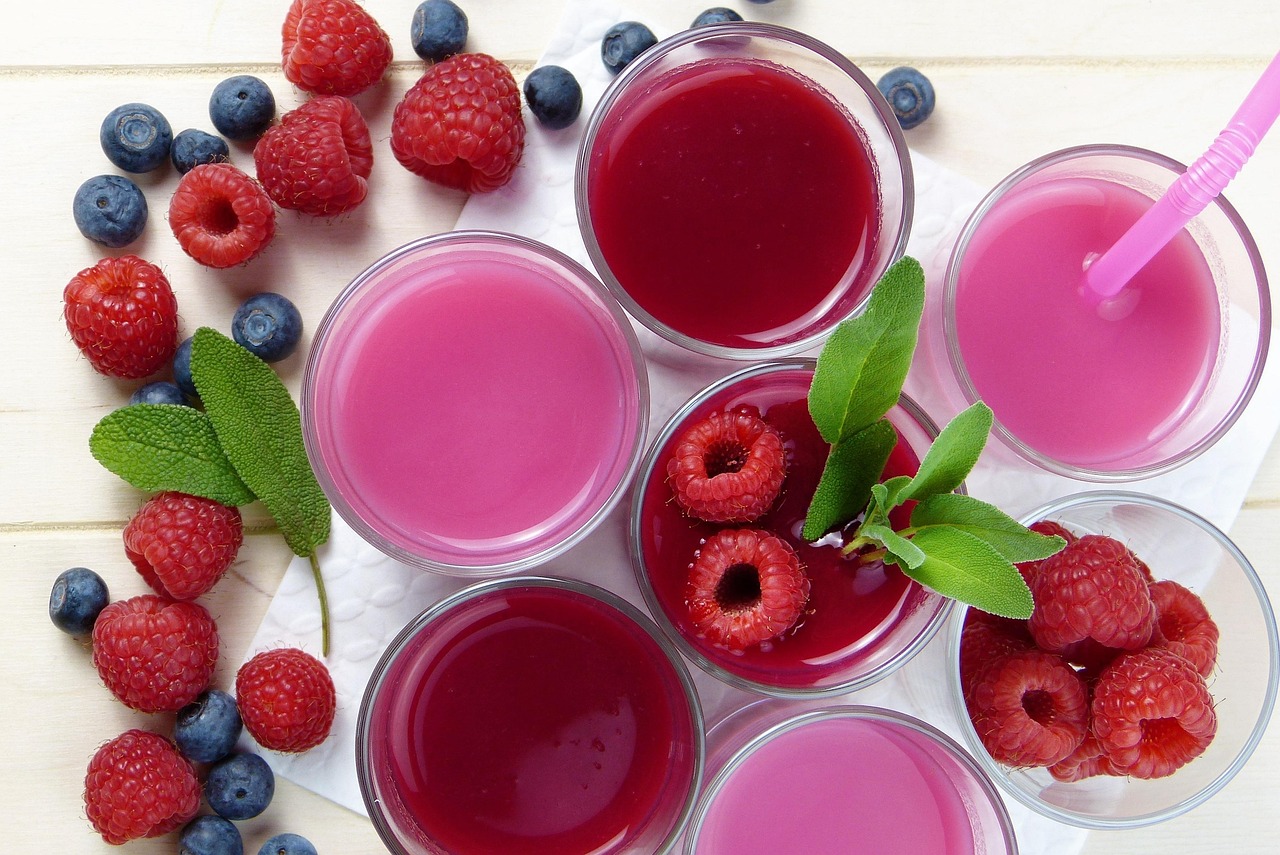
Plain Greek yogurt contains roughly double the protein of regular yogurt, with approximately 15-20 grams per cup. Berries like strawberries, blueberries, and raspberries have low GI values and provide antioxidants, fiber, and vitamins. Add a handful of almonds or walnuts for healthy fats and extra protein, and you’ve created a complete snack that satisfies all nutritional requirements.
This combination typically provides 20-25 grams of protein, substantial fiber, and takes just minutes to assemble. The creamy texture paired with the crunch of nuts and the sweetness of berries creates a satisfying sensory experience that feels indulgent while being incredibly nutritious.
Hummus with Vegetable Sticks
Chickpea-based hummus offers plant-based protein along with fiber and complex carbohydrates that have a naturally low GI. Pair it with raw vegetables like carrots, celery, bell peppers, and cucumber for added nutrients, crunch, and volume without excess calories.
This snack typically provides 6-8 grams of protein per serving and is rich in vitamins A, C, and K. The combination is perfect for mid-afternoon snacking and can be prepared in advance for grab-and-go convenience throughout the week.
Hard-Boiled Eggs with Apple Slices
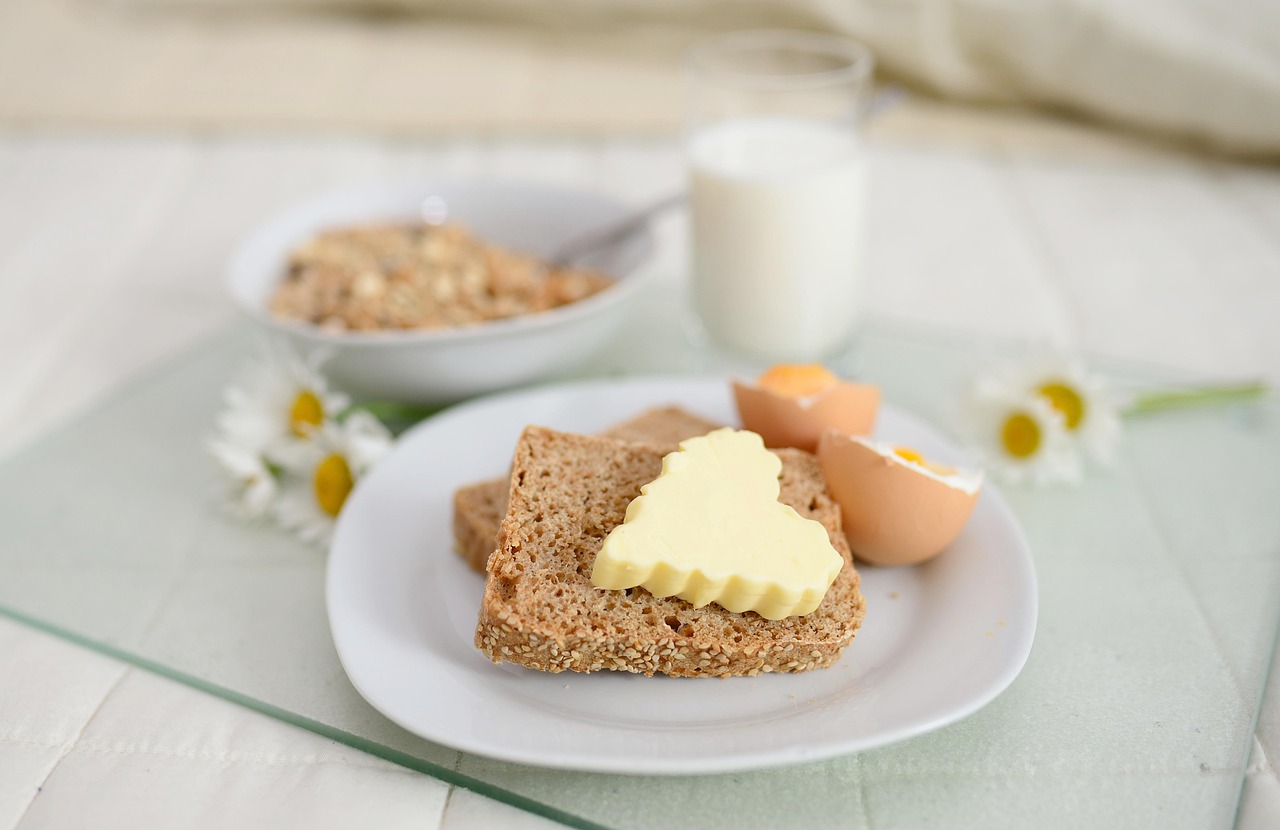
Eggs are nature’s perfect protein package, containing all nine essential amino acids. A single large egg provides about 6 grams of high-quality protein. Apples have a low to moderate GI (around 36) and contain soluble fiber that further slows digestion.
This classic pairing offers protein, healthy fats, vitamins, minerals, and fiber in a portable format that requires no refrigeration for several hours. It’s ideal for office workers, students, or anyone needing a nutritious snack on the go.
Cheese and Whole Grain Crackers
Choose aged cheeses like cheddar, Swiss, or parmesan for concentrated protein (about 7 grams per ounce). Pair with whole grain crackers that have a low GI due to their fiber content and minimal processing. Look for crackers made with seeds, nuts, or whole grains listed as the first ingredient.
This combination provides calcium, protein, B vitamins, and complex carbohydrates that release energy slowly. The savory satisfaction from this snack makes it particularly effective at curbing cravings for less nutritious options.
💪 Portable Protein Options for Busy Lifestyles
Modern life demands snacks that travel well and don’t require preparation or refrigeration. Fortunately, several protein-packed low-GI options fit this requirement perfectly.
Beef jerky or turkey jerky offers concentrated protein (usually 9-12 grams per ounce) in a shelf-stable format. Choose varieties with minimal added sugar and natural ingredients. Pair with a small piece of fruit like an apple or pear for balanced nutrition.
Protein bars can be convenient when chosen carefully. Look for options with at least 10 grams of protein, less than 10 grams of sugar, and recognizable ingredients. The best bars contain nuts, seeds, and minimal processing. Always check the glycemic load, as some bars marketed as healthy contain high amounts of dates or other high-GI sweeteners.
Roasted chickpeas make an excellent crunchy snack with about 6 grams of protein per quarter-cup serving. They’re available in various flavors and can be made at home for a fraction of the store-bought price. Their low GI and high fiber content make them ideal for sustained energy.
🏡 Preparing Smart Snacks at Home
Dedicating a few hours on the weekend to snack preparation can set you up for success throughout the week. This approach saves money, gives you complete control over ingredients, and ensures you always have nutritious options available.
Batch-Cooking Protein Components
Prepare large batches of hard-boiled eggs, grilled chicken strips, or baked tofu at the beginning of the week. These protein sources can be combined with various low-GI carbohydrates throughout the week for different flavor profiles and nutritional benefits.
Store proteins in airtight containers in the refrigerator where they’ll stay fresh for 4-5 days. Portion them into individual servings to make grabbing a quick snack even more convenient.
Creating Your Own Trail Mix
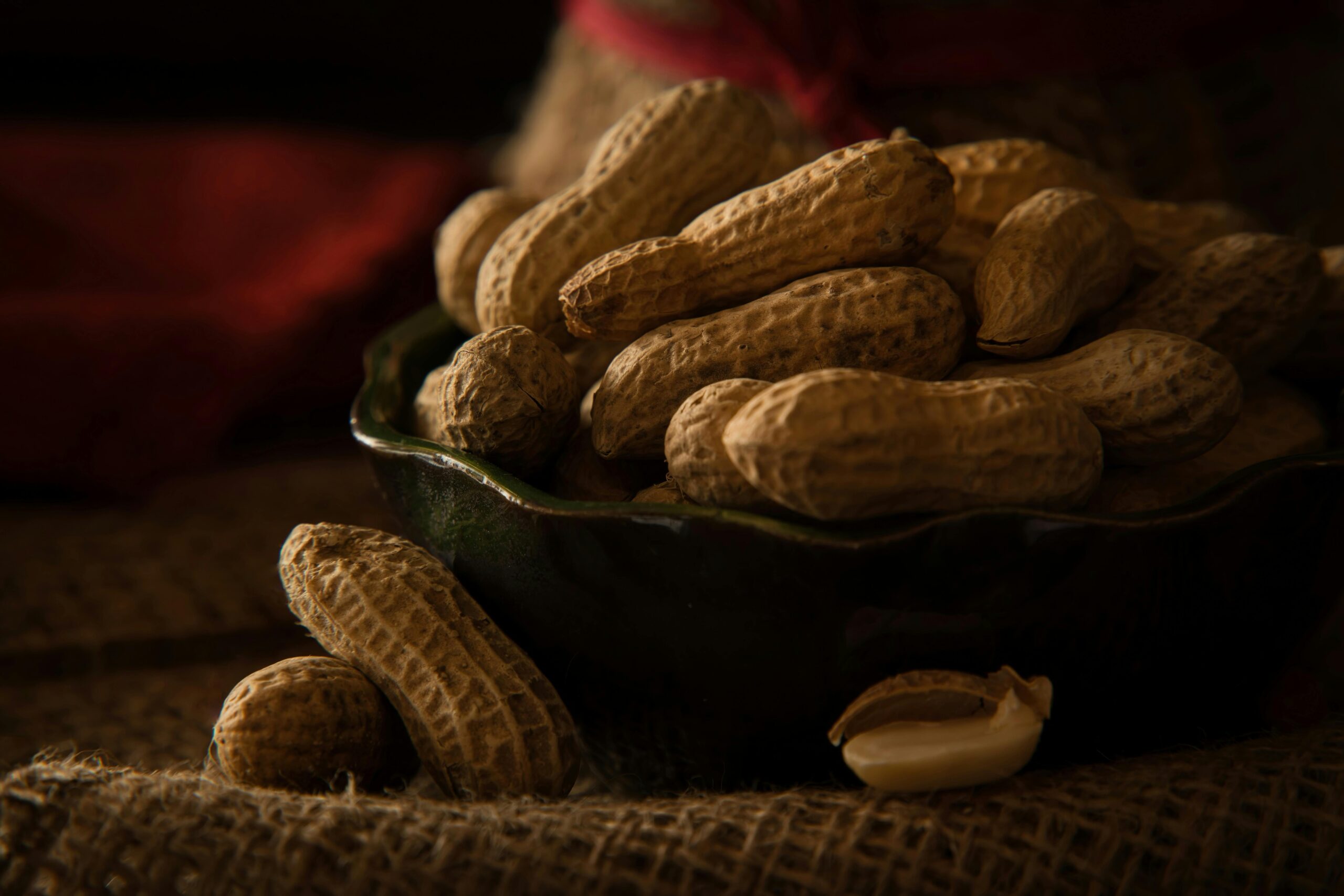
Commercial trail mixes often contain excessive dried fruit, chocolate, and added sugars that increase the glycemic load. Making your own allows you to control the ratio of ingredients. Combine raw or dry-roasted nuts (almonds, cashews, walnuts), seeds (pumpkin, sunflower), a small amount of unsweetened coconut flakes, and minimal dried fruit.
This DIY approach typically costs less than half the price of store-bought versions and provides superior nutrition. Aim for a mix that’s about 70% nuts and seeds, 20% other low-GI additions like dark chocolate chips or cacao nibs, and only 10% dried fruit.
Energy Balls and Protein Bites
These no-bake treats combine protein powder, nut butter, oats, seeds, and minimal natural sweeteners like honey or maple syrup. They can be customized with flavors like chocolate, vanilla, cinnamon, or coconut, and they store well in the refrigerator or freezer.
A typical energy ball provides 4-6 grams of protein, healthy fats, and fiber. They satisfy sweet cravings while delivering sustained energy and nutrition. Most recipes yield 12-20 balls that can be enjoyed throughout the week.
📊 Timing Your Snacks for Maximum Benefit
When you eat is nearly as important as what you eat. Strategic snack timing can optimize energy levels, improve workout performance, and support better appetite regulation at meals.
The mid-morning snack (around 10-11 AM) bridges the gap between breakfast and lunch, preventing the hunger that leads to overeating at lunch. Choose a lighter option like Greek yogurt with berries or a small handful of nuts with an apple.
The afternoon snack (around 3-4 PM) combats the post-lunch energy dip that many people experience. This is when protein becomes especially important, as it helps maintain focus and productivity during the latter part of the workday. Options like hummus with vegetables or cheese with whole grain crackers work particularly well.
Evening snacks should be consumed at least 2-3 hours before bedtime and should be lighter than daytime snacks. A small serving of cottage cheese with cucumber slices or a hard-boiled egg provides protein without being too heavy before sleep.
🎯 Tracking Your Nutrition for Better Results
Understanding your actual nutrient intake versus your needs can reveal surprising insights about your eating patterns. Many people underestimate their calorie consumption while overestimating their protein intake.
Several smartphone applications make tracking simple and provide detailed nutritional information. MyFitnessPal is one of the most comprehensive options, featuring an extensive food database, barcode scanning, and customizable macronutrient goals.
Tracking doesn’t need to be permanent, but even a week or two of consistent logging can provide valuable education about portion sizes, hidden sugars, and protein distribution throughout your day. This awareness often leads to more mindful choices even after you stop actively tracking.
🌱 Plant-Based Protein Options for Diverse Diets
Those following vegetarian, vegan, or plant-forward eating patterns have numerous excellent protein-packed low-GI snack options. Plant proteins often come bundled with fiber, antioxidants, and phytonutrients that provide additional health benefits.
Edamame (young soybeans) delivers an impressive 17 grams of protein per cup along with fiber, vitamins, and minerals. They can be enjoyed hot or cold, plain or seasoned, making them incredibly versatile. The combination of protein and fiber creates exceptional satiety.
Nut butters paired with celery, apple slices, or whole grain toast provide healthy fats, protein, and low-GI carbohydrates. Two tablespoons of almond butter contains about 7 grams of protein plus vitamin E, magnesium, and heart-healthy monounsaturated fats.
Roasted chickpeas, lentil chips, and black bean dips offer plant-based protein with the added benefit of resistant starch, which acts as a prebiotic to support gut health. These options prove that plant-based snacking can be both delicious and nutritionally complete.
💡 Common Mistakes to Avoid
Even with good intentions, several common pitfalls can undermine your smart snacking strategy. Awareness of these mistakes helps you avoid them and stay on track with your health goals.
Portion distortion is perhaps the most frequent error. Even healthy snacks contribute calories, and eating directly from large containers makes it easy to consume far more than intended. Always portion snacks into individual servings using small bowls or containers.
Another mistake is focusing solely on protein while ignoring other nutrients. Balance is key—your snacks should include protein, healthy fats, and complex carbohydrates along with vitamins, minerals, and phytonutrients from whole food sources.
Relying too heavily on processed protein bars and shakes is also problematic. While convenient, these products often contain artificial ingredients, excess sodium, and hidden sugars. Whole food options should comprise the majority of your snacking strategy.
Finally, many people snack out of boredom or stress rather than true hunger. Before reaching for food, pause and assess whether you’re genuinely hungry or responding to emotional triggers. Drinking water and waiting 10-15 minutes can help clarify true hunger signals.
🌟 Building Sustainable Snacking Habits
The best nutritional strategy is one you can maintain long-term. Perfection isn’t the goal—consistency and progress matter more than occasional indulgences or deviations from your plan.
Start by replacing just one or two of your current snacks with protein-packed low-GI alternatives. As these become habitual, gradually incorporate more smart choices. This incremental approach is more sustainable than attempting to overhaul your entire diet overnight.
Prepare your environment for success by keeping healthy snacks visible and accessible while removing or hiding less nutritious options. You’re far more likely to choose the healthy option when it’s the easiest one to grab.
Practice mindful eating by sitting down, removing distractions, and paying attention to flavors, textures, and satisfaction signals. This approach increases enjoyment while naturally reducing overconsumption.
🚀 Elevating Your Energy and Health Through Strategic Snacking
The power to transform your energy levels, improve your health markers, and feel your best throughout the day lies in the small choices you make between meals. Protein-packed low-GI snacks represent a simple yet profoundly effective strategy for achieving sustained energy, better appetite control, and improved overall wellness.
By understanding the science behind blood sugar regulation and protein’s role in satiety, you can make informed decisions that support your goals. Whether you choose Greek yogurt with berries, hummus with vegetables, or homemade energy balls, each smart snack choice contributes to your larger health picture.
Remember that building new habits takes time and patience. Celebrate small victories, learn from setbacks, and focus on progress rather than perfection. Your body will respond positively to consistent nourishment with high-quality nutrients, rewarding you with increased energy, better focus, improved mood, and enhanced physical performance.
Start today by choosing one protein-packed low-GI snack to incorporate into your routine. That single decision could be the catalyst for lasting positive change in how you fuel your body and live your life. Your future self will thank you for investing in these smart nutritional choices that power you through each day with vitality and strength.