Managing type 2 diabetes doesn’t mean sacrificing flavor or enjoyment at the dinner table. Fresh, vegetable-forward recipes can transform your health journey while delighting your taste buds with every bite.

The connection between what we eat and how we manage blood sugar levels has never been more clear. Vegetables, packed with fiber, vitamins, and minerals, offer a powerful foundation for creating meals that nourish the body while helping stabilize glucose levels. The beauty of vegetable-forward cooking lies in its versatility—from vibrant salads to hearty soups, the possibilities are endless and genuinely delicious.
🥬 Why Vegetables Are Your Best Ally in Diabetes Management
Vegetables contain essential nutrients that work synergistically to support metabolic health. Non-starchy vegetables, in particular, have minimal impact on blood glucose while providing substantial nutritional benefits. These plant-based powerhouses are rich in fiber, which slows down sugar absorption and promotes steady energy levels throughout the day.
The fiber content in vegetables also supports digestive health, helps maintain healthy cholesterol levels, and creates a feeling of fullness that naturally prevents overeating. When you fill half your plate with colorful vegetables, you’re automatically reducing portion sizes of higher-carbohydrate foods without feeling deprived.
Antioxidants found abundantly in vegetables combat oxidative stress and inflammation, both of which are elevated in people with type 2 diabetes. Leafy greens, cruciferous vegetables, and colorful peppers provide phytonutrients that protect cells and support overall wellness beyond just blood sugar management.
Understanding the Glycemic Impact of Different Vegetables
Not all vegetables affect blood sugar equally. Non-starchy vegetables like leafy greens, broccoli, cauliflower, zucchini, and bell peppers have minimal impact on glucose levels and can be enjoyed generously. These should form the foundation of your vegetable-forward meals.
Starchy vegetables such as potatoes, corn, and peas contain more carbohydrates and require portion awareness. However, they’re not off-limits—they simply need to be balanced within your overall meal composition and paired strategically with proteins and healthy fats to moderate their glycemic response.
The preparation method also matters significantly. Raw or lightly steamed vegetables typically have a lower glycemic impact than heavily cooked or mashed versions. Roasting vegetables with a small amount of olive oil can enhance flavor while maintaining their nutritional integrity and fiber content.
🍽️ Building a Perfect Diabetes-Friendly Vegetable Plate
Creating balanced, blood-sugar-friendly meals starts with understanding proper plate composition. The diabetes plate method recommends filling half your plate with non-starchy vegetables, one quarter with lean protein, and one quarter with complex carbohydrates or starchy vegetables.
This visual approach simplifies meal planning without requiring complicated calculations or constant carbohydrate counting. It naturally creates portion control while ensuring adequate nutrition from diverse food groups. The abundance of vegetables provides volume and satisfaction while keeping calorie and carbohydrate loads in check.
Incorporating healthy fats like avocado, nuts, seeds, or olive oil adds flavor and promotes satiety while helping with the absorption of fat-soluble vitamins found in vegetables. These fats also contribute to blood sugar stability by further slowing digestion and glucose absorption.
Irresistible Breakfast Recipes to Start Your Day Right
Vegetable-Loaded Egg Scramble with Fresh Herbs
Begin your morning with a protein-rich egg scramble packed with sautéed spinach, mushrooms, tomatoes, and bell peppers. The combination of high-quality protein from eggs and fiber-rich vegetables creates sustained energy without blood sugar spikes. Fresh herbs like basil, cilantro, or parsley add brightness without calories or carbohydrates.
This versatile breakfast can be customized based on seasonal vegetables available in your area. Adding a small portion of avocado provides creamy texture and heart-healthy monounsaturated fats. Pair with a small serving of whole grain toast if desired, or enjoy wrapped in lettuce leaves for a completely low-carb option.
Zucchini and Carrot Breakfast Muffins
These savory muffins incorporate shredded vegetables into an almond flour base, creating a portable breakfast option that’s both convenient and blood-sugar-friendly. Eggs bind the ingredients while providing protein, and herbs like dill or chives add sophisticated flavor without added sugars.
The beauty of vegetable-based baked goods is their ability to deliver satisfaction typically associated with traditional baked items while packing in nutrition. Make a batch on weekends and refrigerate for grab-and-go breakfast options throughout the week.
🥗 Satisfying Lunch Ideas That Keep Energy Stable
Rainbow Buddha Bowl with Tahini Dressing
Buddha bowls offer endless customization while adhering to diabetes-friendly principles. Start with a base of mixed greens or cauliflower rice, then add roasted vegetables like brussels sprouts, sweet potato cubes, and beets. Include a protein source such as grilled chicken, chickpeas, or baked tofu.
The tahini dressing provides healthy fats and a creamy texture without dairy. Made from ground sesame seeds, tahini offers minerals like calcium and magnesium while contributing to the meal’s satisfying quality. The visual appeal of colorful vegetables arranged in sections makes eating healthy feel indulgent rather than restrictive.
Cauliflower Rice Stir-Fry with Ginger and Vegetables
Cauliflower rice has revolutionized low-carb cooking by providing a rice-like texture with a fraction of the carbohydrates. A vegetable-forward stir-fry using cauliflower rice as the base allows you to enjoy familiar flavors and textures while dramatically reducing the meal’s glycemic impact.
Load your stir-fry with snap peas, carrots, bok choy, water chestnuts, and bean sprouts. Fresh ginger and garlic provide anti-inflammatory compounds alongside bold flavor. A sauce made from low-sodium tamari, rice vinegar, and a touch of sesame oil brings everything together without excess sodium or hidden sugars.
Dinner Recipes That Impress Without Compromising Health
Mediterranean Stuffed Bell Peppers
Bell peppers serve as edible vessels for a filling mixture of quinoa, diced tomatoes, olives, spinach, and herbs. This Mediterranean-inspired dish delivers complex flavors while keeping carbohydrates moderate through smart substitutions. Quinoa provides complete protein and more nutrients than traditional rice fillings.
Top with a sprinkle of feta cheese for tangy richness, and bake until peppers are tender. The natural sweetness of roasted bell peppers pairs beautifully with savory Mediterranean seasonings. This meal can be prepared ahead and reheated, making it perfect for busy weeknight dinners.
Zucchini Noodle Primavera with Shrimp
Spiralized zucchini creates pasta-like noodles without the blood sugar impact of traditional wheat pasta. Tossed with sautéed cherry tomatoes, asparagus, and garlic shrimp, this dish feels indulgent while being remarkably nutrient-dense and diabetes-friendly.
The key to perfect zucchini noodles is avoiding overcooking—they should be tender but still have slight bite. A light sauce made from olive oil, lemon juice, and fresh basil coats the noodles without adding unnecessary calories. The shrimp provides lean protein that helps balance the meal’s macronutrient profile.
Roasted Vegetable and Lentil Sheet Pan Dinner
Sheet pan meals epitomize convenience without sacrificing nutrition. Arrange broccoli florets, cauliflower, red onion, and cherry tomatoes on a baking sheet with cooked lentils. Drizzle with olive oil and season with herbs like thyme and rosemary before roasting until caramelized.
Lentils offer plant-based protein and fiber that supports stable blood sugar levels. The roasting process concentrates vegetable flavors and creates appealing textures. This one-pan approach minimizes cleanup while maximizing nutrition—a win for busy individuals managing diabetes.
🥤 Refreshing Snacks and Sides to Round Out Your Day
Cucumber Boats with Herbed Cream Cheese
Halved cucumbers become perfect vessels for protein-rich fillings. Mix cream cheese with fresh dill, chives, and a squeeze of lemon for a refreshing snack that provides satisfaction between meals. The high water content of cucumbers contributes to hydration while the cream cheese offers staying power.
This snack can be customized with different herb combinations or topped with smoked salmon for additional protein and omega-3 fatty acids. The crunch of fresh cucumber provides sensory satisfaction that makes healthy snacking enjoyable rather than obligatory.
Roasted Cauliflower Hummus
Traditional hummus uses chickpeas as its base, but roasted cauliflower creates an equally creamy dip with fewer carbohydrates. Blend roasted cauliflower with tahini, garlic, lemon juice, and cumin for a dip that pairs beautifully with raw vegetables like bell pepper strips, celery sticks, and cherry tomatoes.
This versatile spread also works as a sandwich filling or a topping for grilled vegetables. The cauliflower provides vitamin C and fiber while the tahini contributes healthy fats and a nutty flavor that makes this dip genuinely crave-worthy.
Practical Tips for Vegetable-Forward Meal Preparation
Success with vegetable-forward eating requires some strategic planning. Dedicating time on weekends to wash, chop, and store vegetables in clear containers makes weekday cooking faster and more appealing. When vegetables are prepped and visible, you’re more likely to incorporate them into meals.
Invest in quality storage containers that keep produce fresh longer. Leafy greens last better when stored with a paper towel to absorb excess moisture. Root vegetables stay crisp when stored in water in the refrigerator. These simple techniques prevent waste and ensure you always have fresh ingredients ready.
Keeping a well-stocked pantry with diabetes-friendly staples supports spontaneous healthy cooking. Essential items include olive oil, vinegars, herbs, spices, canned tomatoes, and broths. With these basics on hand, you can transform any combination of fresh vegetables into a delicious meal without needing complicated recipes.
🌿 Herbs and Spices That Enhance Flavor and Health
Herbs and spices are secret weapons in diabetes-friendly cooking. They add complex flavors without calories, carbohydrates, or sodium, allowing you to create exciting dishes while supporting blood sugar management. Many herbs and spices also possess compounds that may directly benefit metabolic health.
Cinnamon has been studied for its potential to improve insulin sensitivity and lower blood sugar levels. Adding it to morning smoothies or sprinkling it on roasted vegetables provides potential health benefits alongside warm, comforting flavor. Turmeric contains curcumin, an anti-inflammatory compound that supports overall health.
Fresh herbs like parsley, cilantro, and basil not only brighten dishes but also provide antioxidants and micronutrients. Growing a small herb garden on your windowsill ensures you always have fresh options available. Dried herbs and spices are convenient alternatives that maintain much of their beneficial properties.
Making Restaurant-Quality Sauces and Dressings at Home
Store-bought dressings and sauces often contain hidden sugars and unhealthy fats that undermine diabetes management efforts. Making your own ensures control over ingredients while often tasting significantly better than commercial versions.
A basic vinaigrette requires just olive oil, vinegar or lemon juice, Dijon mustard, and seasonings. This formula can be customized endlessly with different vinegars, herbs, and additions like minced shallots or garlic. Creamy dressings can be made using Greek yogurt or tahini as a base instead of mayonnaise.
Homemade pesto transforms simple vegetables into restaurant-worthy dishes. Traditional basil pesto uses pine nuts, but versions made with walnuts, almonds, or pumpkin seeds offer different nutritional profiles and cost less. Pesto can be tossed with zucchini noodles, spread on grilled vegetables, or used as a marinade for proteins.
🍴 Mindful Eating Practices for Better Blood Sugar Control
How you eat matters as much as what you eat. Mindful eating practices help you tune into hunger and fullness signals, prevent overeating, and enhance meal satisfaction. Eating slowly and without distractions allows your body to register satiety before you’ve consumed excess calories.
Chewing thoroughly not only aids digestion but also allows you to fully experience the flavors and textures of your vegetable-forward meals. When you pay attention to each bite, meals become more satisfying, and you’re less likely to seek additional food shortly after eating.
Practicing gratitude for the nourishment your meals provide creates a positive relationship with food. Rather than viewing diabetes management as restrictive, framing it as an opportunity to explore new flavors and cooking techniques makes the journey more enjoyable and sustainable long-term.
Seasonal Eating for Maximum Flavor and Nutrition
Choosing vegetables at their peak season ensures maximum flavor, nutrition, and affordability. Summer brings abundant tomatoes, zucchini, eggplant, and peppers perfect for grilling and fresh salads. Fall offers hearty options like squash, brussels sprouts, and root vegetables ideal for roasting.
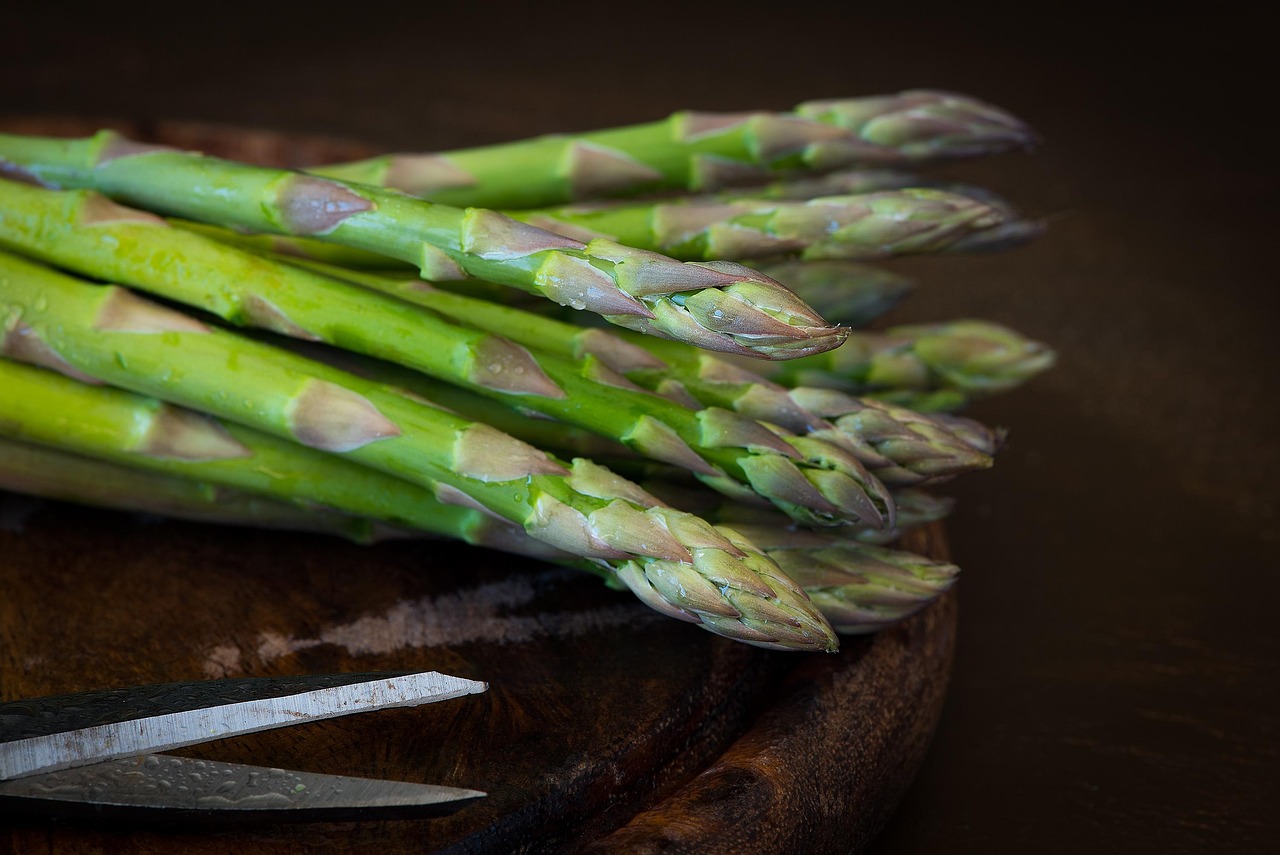
Winter doesn’t mean sacrificing vegetable variety—cruciferous vegetables like cabbage, kale, and cauliflower thrive in cold weather and provide hearty satisfaction. Spring welcomes asparagus, peas, and tender greens that signal renewal and lighter cooking methods after winter’s heartier fare.
Shopping at farmers’ markets connects you with local producers and ensures the freshest possible ingredients. Many farmers can share preparation tips and recipe ideas for vegetables you might not typically purchase. This exploration expands your culinary repertoire while supporting local agriculture.
Tracking Progress and Staying Motivated
Monitoring how vegetable-forward meals affect your blood sugar levels provides valuable feedback and motivation. Keep a simple food and glucose journal noting what you ate and your readings before and after meals. Patterns will emerge showing which meal combinations work best for your individual metabolism.
Celebrate non-scale victories like improved energy levels, better sleep, clearer thinking, and enhanced mood. These quality-of-life improvements often manifest before significant weight loss or A1C reductions, providing encouragement to continue your healthy eating journey.
Finding a community of others managing type 2 diabetes through lifestyle changes provides accountability and inspiration. Whether through online forums, local support groups, or cooking classes, connecting with others on similar paths reinforces your commitment and provides practical tips learned through shared experience.
💚 Embracing the Journey Toward Better Health
Transitioning to vegetable-forward eating represents a lifestyle shift rather than a temporary diet. Approaching this change with curiosity rather than restriction opens possibilities for discovering new favorite foods and cooking techniques. Each meal becomes an opportunity to nourish your body and manage your health proactively.
Remember that perfection isn’t the goal—consistency and progress matter more than flawless execution. Some meals will be perfectly balanced while others may not hit the mark, and that’s completely normal. What matters is the overall pattern of your eating habits over time.
The recipes and strategies outlined here provide a foundation for delicious, diabetes-friendly eating that never feels like deprivation. Fresh flavors, creative preparation methods, and abundant vegetables create meals that support stable blood sugar while genuinely exciting your palate. Your health journey can be both effective and deeply satisfying when vegetables take center stage on your plate.