Managing blood sugar levels doesn’t mean sacrificing flavor or spending hours in the kitchen. Slow cooker meals offer a convenient, delicious way to support healthy A1C levels while enjoying satisfying, home-cooked food that fits perfectly into a diabetes-friendly lifestyle.

The slow cooker has become an invaluable tool for people managing diabetes, prediabetes, or simply wanting to maintain stable blood sugar levels. This kitchen appliance allows you to prepare nutrient-dense, low-glycemic meals with minimal effort, making it easier to stick to healthy eating habits even on your busiest days. By controlling ingredients and portion sizes, you can create meals that help regulate glucose levels while delivering maximum taste and nutrition.
🍲 Why Slow Cooker Meals Are Perfect for Blood Sugar Management
Slow cookers offer unique advantages for anyone focused on maintaining healthy blood sugar levels. The extended cooking time at low temperatures helps break down complex carbohydrates more gradually, potentially resulting in a gentler impact on blood glucose. Additionally, slow cooking preserves nutrients that might be lost through other cooking methods, ensuring you get maximum nutritional value from your ingredients.
The convenience factor cannot be overstated. When you’re managing diabetes, consistency is key. Skipping meals or resorting to fast food because you’re too tired to cook can wreak havoc on your blood sugar. With a slow cooker, you can prepare healthy meals in advance, simply adding ingredients in the morning and returning home to a ready-to-eat dinner that supports your health goals.
Slow cooking also allows fats to render properly and flavors to develop deeply, meaning you can create satisfying meals without relying on excessive sugar, refined carbohydrates, or unhealthy fats. This cooking method naturally emphasizes proteins, vegetables, and fiber-rich ingredients—exactly what you need for stable blood sugar levels.
🥗 Essential Ingredients for Blood Sugar-Friendly Slow Cooker Recipes
Building a pantry stocked with the right ingredients sets you up for success when creating slow cooker meals that support healthy A1C levels. Focus on whole foods that are minimally processed and naturally low in simple carbohydrates.
Protein Powerhouses
Lean proteins form the foundation of blood sugar-friendly meals. Chicken breast, turkey, lean beef, pork tenderloin, and fish all work beautifully in slow cookers. These proteins help stabilize blood sugar by slowing digestion and preventing rapid glucose spikes. Legumes like lentils, chickpeas, and black beans also provide protein alongside fiber, creating a perfect combination for blood sugar control.
Fiber-Rich Vegetables
Non-starchy vegetables should fill at least half your plate—or slow cooker. Broccoli, cauliflower, Brussels sprouts, spinach, kale, bell peppers, zucchini, and mushrooms add volume, nutrients, and fiber without significantly impacting blood sugar. These vegetables become tender and flavorful during slow cooking while maintaining their beneficial properties.
Smart Carbohydrate Choices
While managing blood sugar, you don’t need to eliminate carbohydrates entirely—you just need to choose wisely. Quinoa, barley, steel-cut oats, sweet potatoes, and butternut squash provide nutrients and fiber while having a more moderate impact on glucose levels compared to refined grains and white potatoes.
🍗 Savory Slow Cooker Chicken Recipes for Stable Blood Sugar
Chicken serves as an excellent canvas for blood sugar-friendly slow cooker meals. Its mild flavor pairs well with various seasonings and vegetables, and it remains tender and moist through extended cooking times.
Mediterranean Herb Chicken with Vegetables
Combine bone-in chicken thighs with cherry tomatoes, artichoke hearts, Kalamata olives, garlic, and fresh herbs like oregano and thyme. Add a splash of chicken broth and lemon juice. The healthy fats from olives combined with lean protein create a satisfying meal that won’t spike your blood sugar. Serve over cauliflower rice or alongside a mixed green salad for a complete, low-glycemic dinner.
Spicy Chicken and White Bean Chili
This fiber-packed meal combines diced chicken breast, white beans, green chilies, onions, and bell peppers in a flavorful broth seasoned with cumin, garlic, and a touch of cayenne. The combination of lean protein and fiber-rich beans helps maintain steady glucose levels while providing lasting energy. Top with a small amount of Greek yogurt and fresh cilantro for added protein and flavor without unnecessary carbohydrates.
🥩 Beef and Pork Dishes That Support Healthy A1C Levels
Red meat can absolutely fit into a blood sugar-friendly eating plan when you choose lean cuts and prepare them with nutritious ingredients. Slow cooking tenderizes tougher cuts of meat, allowing you to enjoy affordable, flavorful meals.
Beef and Vegetable Stew
Use lean stew meat with an abundance of low-starch vegetables like celery, carrots (in moderation), green beans, and turnips. Season with bay leaves, thyme, and black pepper. This hearty stew provides protein and nutrients without the blood sugar impact of traditional stews thickened with flour or served over white rice. The collagen from slow-cooked beef also supports joint health—a bonus for many people with diabetes.
Asian-Inspired Pork Tenderloin
Pork tenderloin cooks beautifully in a slow cooker. Create an Asian-inspired dish using low-sodium soy sauce, ginger, garlic, and a small amount of natural sweetener like stevia or a touch of honey. Add bok choy, snap peas, and mushrooms during the last hour of cooking. This meal delivers complex flavors without relying on sugar-heavy sauces that can destabilize blood glucose levels.
🌱 Plant-Based Slow Cooker Options for Blood Sugar Control
Plant-based meals naturally emphasize fiber, which is essential for managing blood sugar. Slow cookers excel at preparing beans, lentils, and vegetable-based dishes that support healthy A1C levels.
Lentil and Vegetable Curry
Combine green or brown lentils with cauliflower, spinach, tomatoes, and curry spices in coconut milk. Lentils have a low glycemic index and provide both protein and fiber, making them ideal for blood sugar management. The healthy fats in coconut milk slow digestion further, preventing glucose spikes. Serve with a small portion of cauliflower rice or enjoy as a hearty stew.
Three-Bean and Vegetable Medley
Mix kidney beans, black beans, and chickpeas with diced tomatoes, bell peppers, onions, celery, and vegetable broth. Season with smoked paprika, cumin, and oregano. This protein-and-fiber powerhouse keeps you satisfied for hours while providing steady energy without blood sugar fluctuations. The variety of beans offers different nutrients and textures, making each bite interesting.
🐟 Seafood Slow Cooker Meals for Optimal Health
While seafood requires careful timing in slow cookers to avoid overcooking, certain dishes work wonderfully for blood sugar management. Fish provides omega-3 fatty acids that support heart health—particularly important for people with diabetes who face increased cardiovascular risks.
Mediterranean Fish Stew
Create a tomato-based broth with garlic, fennel, and white wine (the alcohol cooks off). Add firm white fish like cod or halibut during the final 30-45 minutes of cooking. Include mussels or shrimp if desired. This light yet satisfying meal provides lean protein with minimal impact on blood sugar while delivering heart-healthy nutrients.
📊 Creating Balanced Slow Cooker Meals: The Diabetes Plate Method
When planning slow cooker meals for blood sugar management, use the diabetes plate method as your guide. Fill half your slow cooker with non-starchy vegetables, one quarter with lean protein, and one quarter with fiber-rich carbohydrates or additional vegetables. This balance ensures you’re getting adequate nutrition while keeping carbohydrate intake in check.
Remember that slow cooking can concentrate flavors, so you may need less salt and seasoning than you’d use for stovetop cooking. This is actually beneficial for blood pressure management, which often goes hand-in-hand with diabetes care. Fresh herbs, citrus zest, vinegars, and spices can provide flavor complexity without sodium or sugar.
⏰ Meal Prep Strategies for Consistent Blood Sugar Management
Consistency is crucial when managing blood sugar levels. Slow cookers naturally lend themselves to batch cooking and meal prep, making it easier to maintain healthy eating habits throughout the week.
Dedicate one day each week to preparing slow cooker ingredients. Portion proteins, chop vegetables, and store them in containers or bags labeled with cooking instructions. In the morning, simply dump pre-prepped ingredients into your slow cooker, set the timer, and go about your day. You’ll return to a home-cooked meal that supports your health goals without the stress of last-minute decisions.
Many slow cooker meals freeze beautifully, allowing you to cook once and eat multiple times. Portion leftovers into individual containers for easy grab-and-go lunches or dinners when life gets hectic. This prevents the temptation to order takeout or eat foods that might negatively impact your blood sugar.
🥄 Avoiding Common Slow Cooker Mistakes That Impact Blood Sugar
Even with good intentions, certain slow cooker habits can undermine your blood sugar management efforts. Be cautious of pre-made sauces and spice mixes, which often contain hidden sugars and excessive sodium. Instead, create your own flavor combinations using whole spices, fresh herbs, and natural ingredients.
Watch your portion sizes, especially with starchy ingredients like potatoes, rice, or pasta. While these foods can fit into a diabetes-friendly eating plan, they should be consumed in controlled amounts. Consider replacing traditional starches with alternatives like cauliflower, turnips, or additional non-starchy vegetables to increase volume without impacting blood sugar.
Avoid adding refined carbohydrates like white flour for thickening. If you need to thicken a sauce or stew, try removing some cooked vegetables, pureeing them, and stirring them back into the pot. Alternatively, a small amount of ground flaxseed or chia seeds can provide thickening without the blood sugar spike.
💡 Tips for Enhancing Flavor Without Adding Sugar or Unhealthy Fats
Creating delicious slow cooker meals without relying on sugar or excessive fats requires understanding flavor-building techniques. Browning proteins before adding them to the slow cooker develops complex flavors through the Maillard reaction. While this extra step takes a few minutes, it significantly enhances the final dish.
Acid brightens flavors and can make meals more satisfying without additional salt or sugar. Add a splash of vinegar, lemon juice, or lime juice near the end of cooking to elevate your dish. Fresh herbs added just before serving provide vibrant flavors that dried herbs alone cannot achieve.
Umami-rich ingredients like mushrooms, tomato paste, low-sodium soy sauce, and nutritional yeast add depth and satisfaction to slow cooker meals. These ingredients make dishes taste more indulgent without impacting blood sugar negatively.
🎯 Tracking Your Results and Adjusting Your Approach
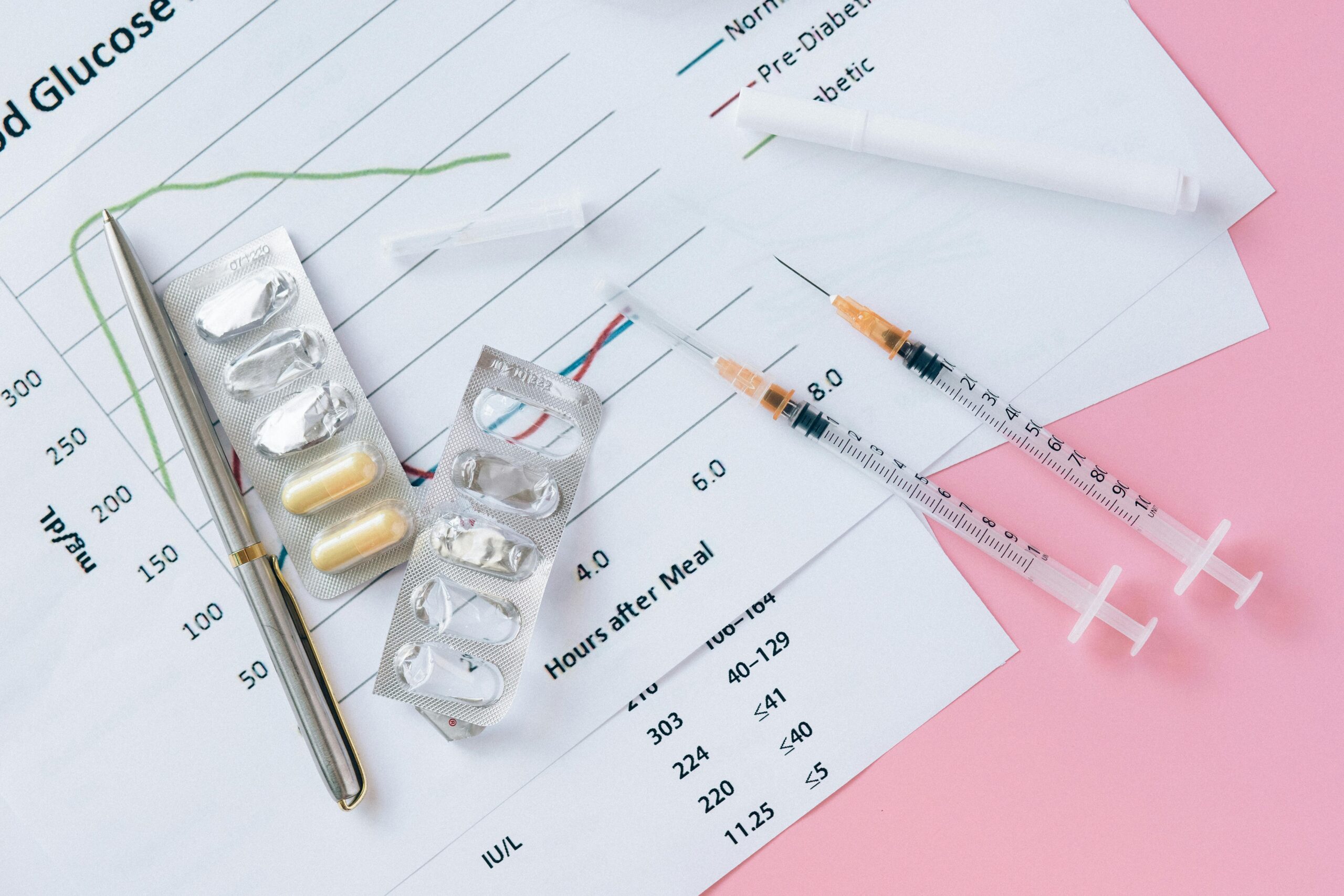
Everyone’s blood sugar responds differently to foods, so monitoring your individual response helps you optimize your slow cooker meal planning. Check your blood glucose levels before eating and two hours after meals to understand how different recipes affect you personally.
Keep a food journal noting which slow cooker meals keep you satisfied longest and which maintain the most stable blood sugar levels. Over time, you’ll identify patterns and can emphasize the recipes that work best for your body. This personalized approach ensures you’re not just following general guidelines but creating a sustainable eating plan tailored to your unique needs.
Consider working with a registered dietitian who specializes in diabetes management. They can help you analyze your slow cooker recipes, suggest modifications, and ensure you’re meeting all your nutritional needs while supporting healthy A1C levels. Many insurance plans cover medical nutrition therapy for people with diabetes or prediabetes.
🌟 Building Sustainable Habits for Long-Term Success
The true power of slow cooker meals for blood sugar management lies not just in individual recipes but in creating sustainable habits that support your health over the long term. When healthy eating becomes convenient and delicious rather than restrictive and time-consuming, you’re far more likely to maintain these positive changes.
Start with one or two slow cooker meals per week and gradually increase as you become more comfortable with the process. Experiment with different cuisines and flavor profiles to prevent boredom. Share recipes with friends or family members who are also focused on health—cooking doesn’t have to be a solitary activity, and support from others can strengthen your commitment to blood sugar management.
Remember that managing A1C levels and blood sugar is a marathon, not a sprint. Small, consistent changes compound over time to produce significant results. By incorporating delicious, nutrition-focused slow cooker meals into your routine, you’re investing in your long-term health while still enjoying the comfort and satisfaction of home-cooked food. Each meal you prepare is a step toward better blood sugar control, increased energy, and improved overall wellness.