Creating nutritious smoothies doesn’t have to drain your wallet or compromise your health goals. With smart ingredient choices and strategic shopping, you can blend delicious drinks that fuel your body without breaking the bank.

The smoothie revolution has transformed how we approach nutrition, offering a convenient way to pack vitamins, minerals, and essential nutrients into one glass. However, many people assume that healthy smoothies require expensive superfoods or premium ingredients. The truth is that budget-friendly smoothies can be just as nutritious and delicious as their pricier counterparts when you know what to look for and how to shop smart.
🌱 Why Budget-Friendly Smoothies Are Worth Your Attention
The growing wellness industry has positioned smoothies as premium health products, often pricing simple blends at $8-12 per serving at juice bars. This pricing creates a misconception that healthy smoothies are inherently expensive. In reality, making smoothies at home costs a fraction of commercial prices while giving you complete control over ingredients, portions, and nutritional content.
Budget smoothies also encourage consistency in healthy eating habits. When you’re not spending a small fortune on each drink, you’re more likely to maintain a regular smoothie routine. This consistency is what truly drives health benefits, not the occasional expensive superfood-laden concoction.
💰 The Foundation of Cost-Effective Smoothie Making
Building a budget-friendly smoothie strategy starts with understanding which ingredients deliver the most nutritional value per dollar. Frozen fruits, for instance, are typically 30-50% cheaper than fresh alternatives while retaining nearly identical nutritional profiles. Bananas, nature’s perfect smoothie base, cost pennies per serving and provide natural sweetness, creamy texture, and essential potassium.
Seasonal produce shopping represents another major cost-saving opportunity. Berries in summer, apples in fall, and citrus in winter are not only more affordable during peak seasons but also taste better and contain higher nutrient concentrations. Buying in bulk during these periods and freezing extras ensures year-round access to affordable ingredients.
Smart Shopping Strategies That Slash Costs
Generic or store-brand frozen fruits and vegetables often come from the same suppliers as name brands but cost significantly less. The quality difference is negligible, yet the price difference can be 40% or more. Additionally, shopping at discount grocery stores, farmers markets near closing time, or using cashback apps can further reduce your smoothie budget.
Buying whole ingredients rather than pre-cut or pre-portioned options saves money too. A whole pineapple costs less per serving than pre-cut chunks, and spending ten minutes prepping and freezing it yourself translates to substantial savings over time.
🥤 Essential Budget Smoothie Ingredients That Deliver
Every cost-conscious smoothie enthusiast should stock these nutritional powerhouses that won’t strain your budget:
- Bananas: Incredibly cheap, naturally sweet, and packed with potassium and fiber
- Frozen mixed berries: Antioxidant-rich and more affordable than fresh options
- Spinach: Mild-tasting greens that blend invisibly while adding vitamins A, C, and K
- Oats: Adds fiber, creates thickness, and costs pennies per serving
- Peanut butter: Provides healthy fats, protein, and satisfying flavor
- Greek yogurt: Budget-friendly protein source that creates creamy texture
- Milk or plant-based alternatives: Choose whatever’s on sale for your liquid base
- Honey or maple syrup: Natural sweeteners that last forever in your pantry
🍌 Five Wallet-Friendly Smoothie Recipes Under $2 Per Serving
Classic Berry Banana Blast
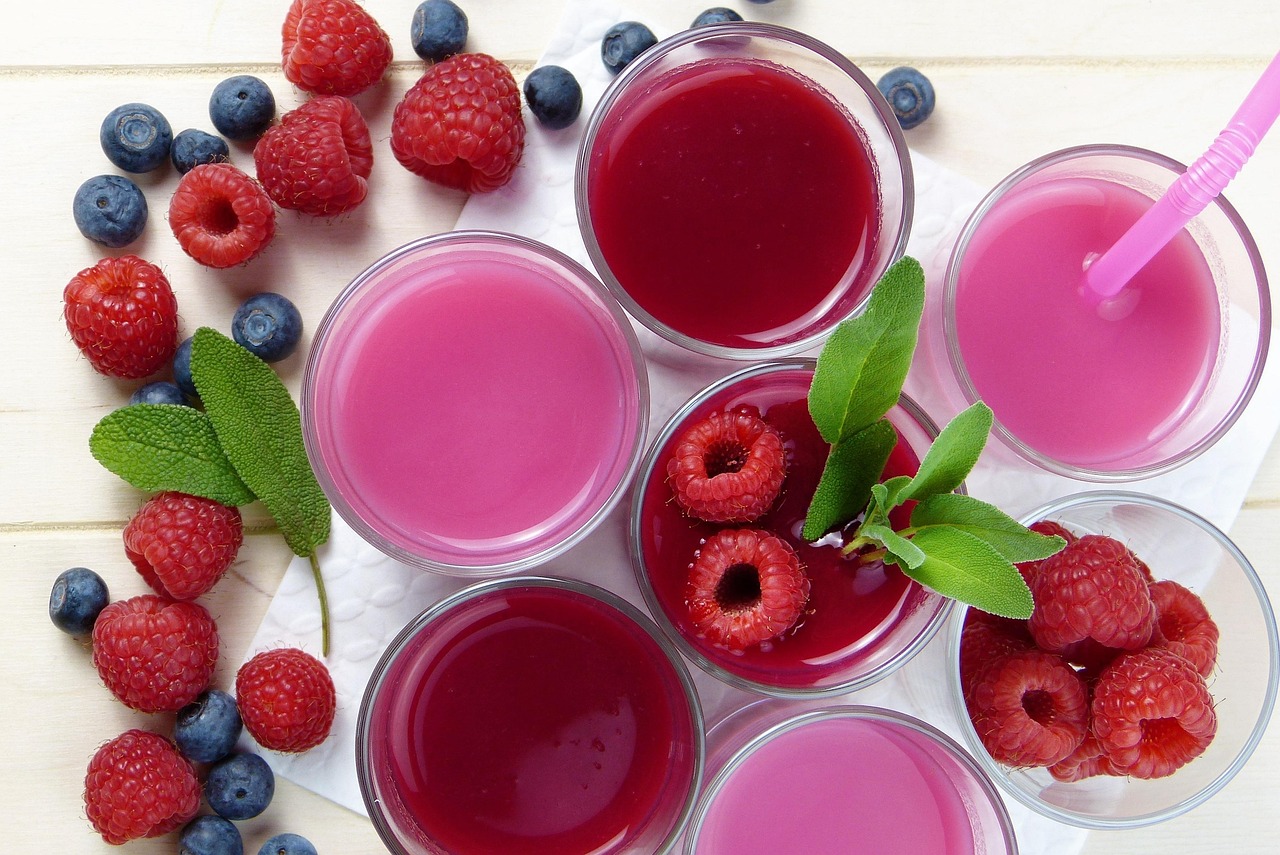
This timeless combination costs approximately $1.50 per serving and delivers a powerful antioxidant punch. Blend one frozen banana, one cup of frozen mixed berries, one cup of milk or water, and a handful of spinach. The banana provides natural sweetness while berries contribute vibrant color and disease-fighting antioxidants. The spinach disappears completely in flavor but adds valuable micronutrients.
Peanut Butter Power Smoothie
For under $1.75, this protein-packed option keeps you full for hours. Combine one banana, two tablespoons of peanut butter, one cup of milk, a handful of oats, and a dash of cinnamon. The combination of healthy fats from peanut butter, complex carbs from oats, and protein creates sustained energy without the sugar crash of many commercial smoothies.
Tropical Paradise on a Budget
At roughly $1.80 per serving, this vacation-inspired smoothie uses affordable frozen pineapple and mango chunks. Blend one cup of mixed tropical fruit, half a banana, half a cup of Greek yogurt, and coconut water or regular water. The yogurt adds probiotic benefits while the tropical fruits provide vitamin C and a taste of the islands without the airfare.
Green Machine
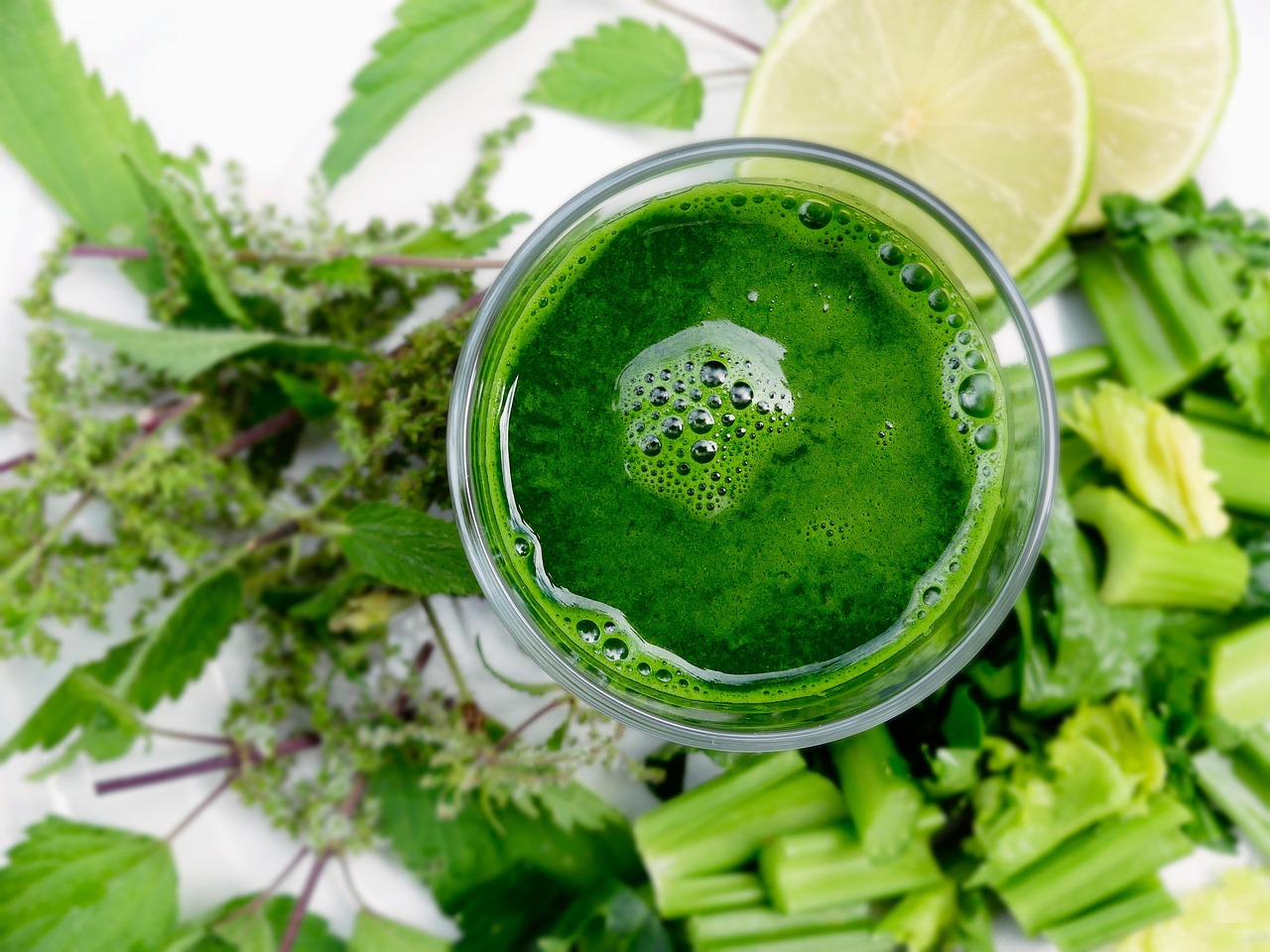
This nutrient-dense smoothie costs about $1.60 and proves that green drinks don’t need exotic ingredients. Mix two cups of spinach, one banana, half an apple, one tablespoon of peanut butter, and water or milk. The apple adds natural sweetness and fiber while the greens provide chlorophyll and essential vitamins without overwhelming the taste.
Chocolate Banana Treat
Satisfy dessert cravings for approximately $1.65 with this healthier alternative to milkshakes. Blend one frozen banana, one tablespoon of cocoa powder, one cup of milk, a spoonful of peanut butter, and a drizzle of honey if needed. The cocoa powder costs minimal amounts per serving but provides antioxidants and rich chocolate flavor that makes healthy eating feel indulgent.
📱 Apps That Help You Save on Smoothie Ingredients
Technology can significantly reduce your grocery bills when shopping for smoothie ingredients. Ibotta and Fetch Rewards offer cashback on produce and dairy products frequently used in smoothies. Simply scan your receipts after shopping to earn rewards that accumulate into real savings over time.
Flipp is another valuable tool that aggregates weekly grocery store flyers, allowing you to compare prices across multiple stores without driving around town. You can search for specific items like frozen fruit or yogurt and see which store offers the best deal that week.
🛒 Batch Prep: The Secret to Consistent Budget Smoothies
Spending one hour weekly preparing smoothie packs dramatically reduces daily prep time while ensuring you always have affordable options ready. Portion your ingredients into freezer bags or containers with everything except the liquid. When ready to blend, simply dump the frozen contents into your blender, add liquid, and blend.
This approach prevents ingredient waste, one of the biggest budget busters in home cooking. Pre-portioned packs ensure you use everything you buy before it spoils. Additionally, batch prep takes advantage of bulk buying discounts without the stress of using large quantities quickly.
Creating a Smoothie Prep Station
Organize your kitchen to make smoothie preparation effortless. Dedicate one freezer drawer or section to smoothie ingredients. Store dry ingredients like oats, protein powder, and cocoa powder in easily accessible containers near your blender. Keep your most-used fresh ingredients like bananas and greens in designated refrigerator spots. This organization reduces the mental barrier to making smoothies, ensuring you actually use what you buy.
🌟 Maximizing Nutrition Without Expensive Superfoods
Marketing has convinced many consumers that exotic ingredients like acai, maca, or spirulina are necessary for healthy smoothies. While these superfoods have benefits, common affordable ingredients offer comparable nutritional profiles. Blueberries, for example, contain similar antioxidant levels to acai at a fraction of the cost. Spinach provides many of the same minerals as spirulina without the hefty price tag or strong flavor.
Focus on nutrient density rather than ingredient trendiness. A smoothie with banana, berries, spinach, and Greek yogurt delivers protein, fiber, vitamins A, C, and K, calcium, potassium, and antioxidants for under $2. Most expensive superfood smoothies at juice bars contain many of the same base ingredients with small amounts of pricey add-ins that contribute minimally to overall nutrition.
💡 Money-Saving Smoothie Hacks You Need to Know
Freeze overripe bananas instead of throwing them away. Brown-spotted bananas are sweeter and blend more smoothly while costing nothing extra. Simply peel and freeze them in bags for future use. This single habit can save dozens of dollars monthly while reducing food waste.
Use water instead of juice as your liquid base. Juice adds sugar, calories, and cost without providing fiber or satiety. Water, on the other hand, is free and allows the natural fruit flavors to shine through. If you want extra flavor, a squeeze of citrus or splash of coconut extract costs pennies and transforms the taste profile.
Buy protein powder in bulk rather than single-serving packets. While the upfront cost is higher, the per-serving price drops dramatically. Store in an airtight container to maintain freshness for months. The same principle applies to seeds like chia or flax, which cost significantly less in bulk bins than pre-packaged options.
🥗 Beyond Breakfast: Budget Smoothies for Every Meal
Smoothies serve multiple purposes beyond morning nutrition. A protein-rich smoothie makes an excellent post-workout recovery drink without expensive specialty formulas. Adding vegetables like cucumber, celery, or zucchini creates savory smoothies that work as light lunch options, often costing less than $1.50 per serving.
Dessert smoothies satisfy sweet cravings more affordably and healthily than ice cream or pastries. The chocolate banana recipe mentioned earlier costs less than a candy bar while providing actual nutrition. Evening smoothies with calming ingredients like banana and oats can support better sleep naturally.
📊 Cost Comparison: Homemade vs. Store-Bought Smoothies
| Option | Average Cost | Control Over Ingredients | Nutritional Transparency |
|---|---|---|---|
| Juice Bar Smoothie | $8-12 | None | Limited |
| Bottled Store Smoothie | $4-6 | None | Moderate |
| Homemade Budget Smoothie | $1.50-2 | Complete | Total |
This comparison reveals that making smoothies at home costs 75-85% less than commercial options while providing superior control over sugar content, portion sizes, and ingredient quality. Over a month of daily smoothies, home preparation saves approximately $180-300 compared to juice bar purchases.
🔄 Sustainable Smoothie Practices That Save Money Long-Term
Investing in a quality blender might seem expensive initially, but it pays for itself within weeks when compared to buying prepared smoothies. Mid-range blenders ($50-100) handle most smoothie needs perfectly well. Avoid the temptation to buy the cheapest option, as underpowered blenders struggle with frozen ingredients and break more frequently, ultimately costing more through replacement.
Grow your own herbs and greens if you have even minimal space. A small pot of mint or basil on a windowsill adds fresh flavor to smoothies for pennies. Spinach and kale grow easily in small gardens or containers, providing free smoothie greens throughout growing seasons.
🎯 Creating Your Personal Budget Smoothie System
Develop a rotation of five to seven favorite recipes to prevent boredom while simplifying shopping. Having a set routine means you know exactly what to buy each week, reducing impulse purchases and waste. Track which ingredients you use most and prioritize those in your budget.
Set a weekly smoothie budget and challenge yourself to stay within it. Most people can easily maintain a robust smoothie habit for $10-15 weekly, providing seven nutritious drinks. This budget consciousness becomes a fun game rather than a restriction, encouraging creativity with affordable ingredients.
🌈 Making Budget Smoothies a Sustainable Lifestyle Choice
The key to long-term smoothie success lies in making the process convenient, affordable, and enjoyable. When healthy choices are also economical choices, they become sustainable habits rather than temporary diets. Budget smoothies remove financial barriers to nutrition, making wellness accessible regardless of income level.
Start with just one smoothie weekly if that feels manageable, gradually increasing frequency as you develop efficient shopping and prep routines. Small consistent changes create lasting results, both for your health and your wallet. The money saved from skipping expensive coffee drinks or fast food breakfasts can be redirected toward other financial goals while you simultaneously improve your nutrition.
Remember that the best smoothie is the one you’ll actually make and drink consistently. Don’t let perfectionism or ingredient snobbery prevent you from starting. A simple banana-berry-spinach smoothie made at home beats an expensive superfood blend you can’t afford regularly. Smart sipping isn’t about having the fanciest ingredients; it’s about making nutritious choices that fit your budget and lifestyle, one delicious blend at a time.