Living with diabetes doesn’t mean sacrificing flavor or settling for bland meals. The right sauces, marinades, and dressings can transform ordinary dishes into culinary delights while keeping your blood sugar levels stable and your A1C numbers in a healthy range.

Traditional store-bought condiments are often loaded with hidden sugars, high-fructose corn syrup, and refined carbohydrates that can wreak havoc on blood glucose control. However, with a few simple ingredient swaps and homemade recipes, you can create delicious, diabetes-friendly alternatives that satisfy your taste buds without compromising your health goals.
🍃 Understanding the Impact of Sauces on Blood Sugar
Many people focus exclusively on main course ingredients when managing diabetes, overlooking the significant impact that sauces, marinades, and dressings can have on overall carbohydrate intake. A single tablespoon of traditional barbecue sauce can contain up to 6 grams of sugar, while commercial salad dressings often hide 3-5 grams per serving.
These hidden sugars accumulate quickly throughout the day, potentially causing blood sugar spikes that contribute to elevated A1C levels over time. The good news is that flavor doesn’t come from sugar alone—it comes from herbs, spices, acids, umami-rich ingredients, and healthy fats that can all be incorporated into diabetes-friendly recipes.
Essential Ingredients for Sugar-Free Flavor Building
Creating delicious diabetes-friendly sauces starts with stocking your pantry with the right ingredients. These flavor powerhouses deliver taste without the glycemic impact of traditional sweeteners.
Natural Sugar Alternatives That Won’t Spike Blood Glucose
When a touch of sweetness is necessary, certain sugar substitutes provide the desired flavor profile without affecting blood sugar levels. Erythritol, monk fruit sweetener, and stevia are excellent options that have minimal to no impact on glucose readings. Unlike artificial sweeteners, these natural alternatives don’t trigger the same insulin response and can be used in cooking and baking applications.
Allulose is another emerging option that tastes remarkably similar to sugar and browns beautifully when used in marinades, making it ideal for grilled dishes. It contains only 0.2 calories per gram and has virtually no effect on blood sugar or insulin levels.
Acid Components for Brightness and Balance
Acidic ingredients are essential for creating balanced, complex flavors in sauces and dressings. Apple cider vinegar, red wine vinegar, rice vinegar, and fresh citrus juices provide tanginess without carbohydrates. These acids also help slow digestion and may moderate blood sugar response when consumed with meals.
Balsamic vinegar deserves special mention—while traditional aged balsamic contains some natural sugars, using small amounts for depth of flavor provides minimal carbohydrate impact while delivering maximum taste.
Umami-Rich Ingredients for Savory Depth
Umami, often called the fifth taste, provides satisfying savory depth that makes food more enjoyable. Tamari or coconut aminos (gluten-free soy sauce alternatives), fish sauce, tomato paste, mushroom powder, and nutritional yeast all deliver umami without adding sugar.
These ingredients create the perception of richness and fullness that makes sauces memorable and satisfying, reducing the desire for additional sweetness.
🥗 Diabetes-Friendly Salad Dressings That Deliver Flavor
Salad dressings are one of the easiest places to eliminate added sugars while maximizing flavor. Homemade versions take minutes to prepare and can be customized to your taste preferences.
Classic Vinaigrette with a Twist
A basic vinaigrette formula consists of three parts oil to one part acid, but the variations are endless. Start with extra virgin olive oil for heart-healthy monounsaturated fats, then add red wine vinegar, Dijon mustard, minced garlic, and herbs like oregano and basil. Season with salt and pepper, and you have a versatile dressing with zero added sugar.
For an Asian-inspired version, combine sesame oil, rice vinegar, grated ginger, a splash of tamari, and a touch of erythritol if desired. This creates a balanced dressing perfect for cabbage slaws and mixed green salads.
Creamy Dressings Without the Carbs
Creamy dressings don’t require sugar or high-carb bases. Greek yogurt or sour cream combined with herbs, garlic, and lemon juice creates a tangy ranch-style dressing. For a dairy-free option, blended avocado or tahini provides creaminess with healthy fats.
Caesar dressing made with anchovies, garlic, lemon juice, Dijon mustard, olive oil, and Parmesan cheese contains virtually no carbohydrates while delivering bold, satisfying flavor. The traditional recipe never included sugar, proving that classic doesn’t need to be sweetened.
Portion Control and Storage Tips
Even with sugar-free dressings, portion awareness matters. Most people use 2-4 tablespoons of dressing per salad, which can add significant calories from oil. Using a spray bottle or measuring spoons helps control portions while ensuring even distribution.
Store homemade dressings in glass jars in the refrigerator for up to one week. Vinaigrettes may separate naturally—simply shake before using. This batch preparation approach saves time and ensures you always have diabetes-friendly options available.
🍖 Marinades That Tenderize and Flavor Without Sugar
Marinades serve dual purposes: they tenderize proteins through acidic action and infuse them with flavor. Sugar-laden marinades are unnecessary when you understand how to build flavor through other components.
Mediterranean-Inspired Herb Marinades
Combine olive oil, lemon juice, minced garlic, fresh rosemary, thyme, and oregano for a classic Mediterranean marinade perfect for chicken, fish, or lamb. The herbs provide antioxidants and aromatic compounds that create complex flavors without any carbohydrates.
This style of marinade works exceptionally well for grilling, as the herbs create a flavorful crust while the acid helps prevent the protein from drying out during cooking.
Asian-Fusion Marinades with Zero Sugar Impact
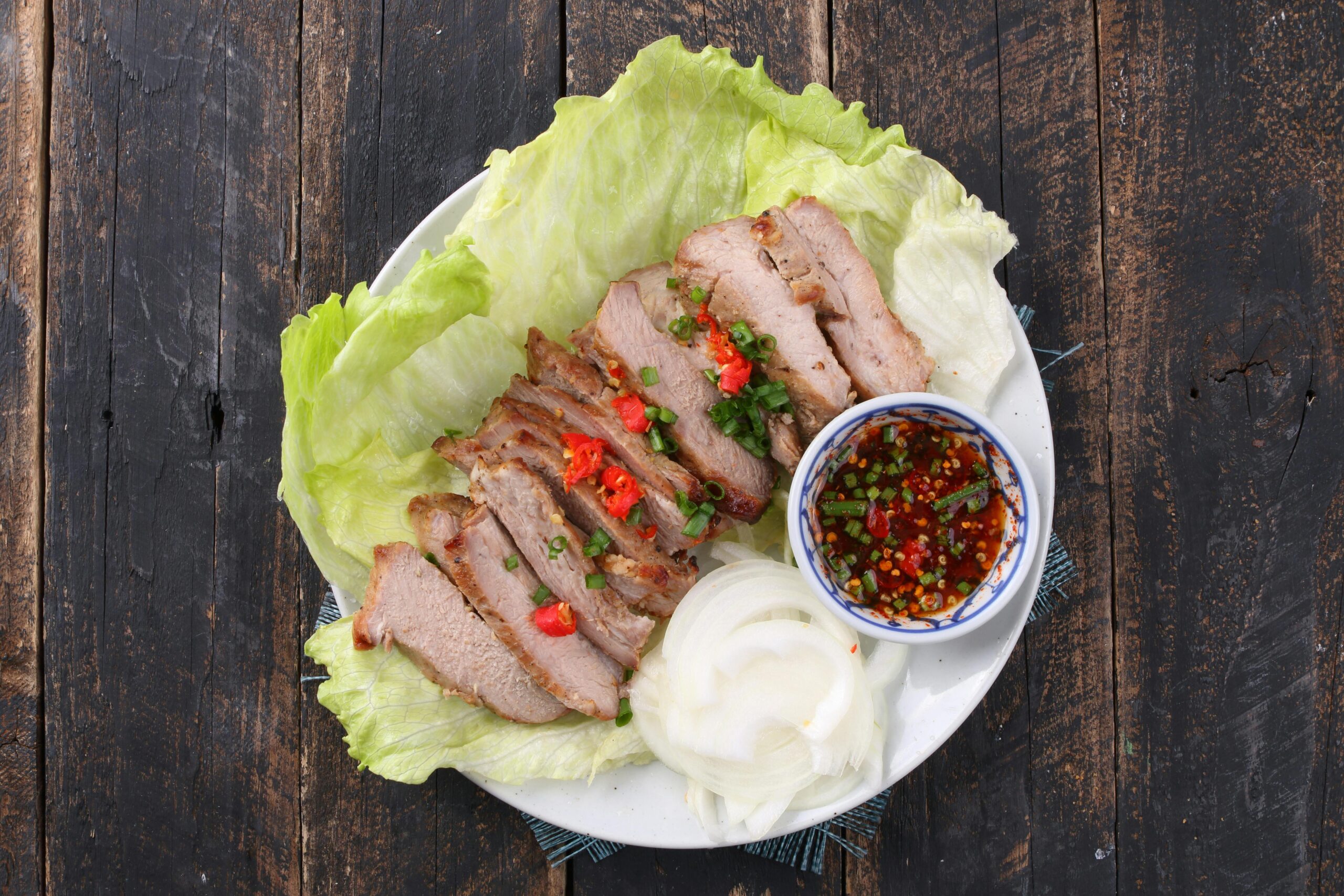
Traditional teriyaki and Korean bulgogi marinades rely heavily on sugar, but diabetes-friendly versions deliver the same satisfaction. Combine tamari, sesame oil, rice vinegar, grated ginger, garlic, and monk fruit sweetener for a balanced marinade that caramelizes beautifully on the grill.
Adding a small amount of xanthan gum helps thicken the marinade, creating a glaze-like coating that adheres to the protein. Toasted sesame seeds provide textural interest and additional nutrients.
Spice-Based Dry Rubs as Marinade Alternatives
Dry rubs eliminate the need for added liquids and sugars entirely. Combine paprika, cumin, coriander, garlic powder, onion powder, black pepper, and a touch of cayenne for a versatile spice blend that works on nearly any protein.
Apply dry rubs 30 minutes to 24 hours before cooking to allow the spices to penetrate the surface. The resulting flavor is concentrated and intense, requiring no additional sauce at serving time.
🍝 Savory Sauces for Entrees and Side Dishes
Sauces elevate simple proteins and vegetables into restaurant-quality dishes. Creating diabetes-friendly versions requires understanding which thickeners and flavor bases work without adding carbohydrates.
Pan Sauces Built on Fond
After searing meat or poultry, the browned bits stuck to the pan (called fond) contain concentrated flavor. Deglaze the pan with wine, broth, or vinegar, then add butter, herbs, and mustard for an instant sauce with minimal carbs.
This technique delivers sophisticated flavor in minutes without relying on flour-thickened gravies or sugar-laden glazes. The natural reduction concentrates flavors, eliminating the need for additional sweetness.
Pesto and Herb-Based Sauces
Traditional basil pesto contains no sugar—just basil, pine nuts, Parmesan, garlic, and olive oil. This nutrient-dense sauce provides healthy fats and virtually no carbohydrates. Variations using cilantro, parsley, or arugula offer different flavor profiles while maintaining the diabetes-friendly profile.
These sauces work beautifully on grilled vegetables, zucchini noodles, shirataki pasta, or as a topping for grilled fish and chicken. A little goes a long way, making them economical as well as delicious.
Cream-Based Sauces with Controlled Carbohydrates
Heavy cream contains minimal carbohydrates (less than 1 gram per tablespoon) and can be used to create rich, satisfying sauces. Reduce cream with garlic, herbs, and Parmesan for an Alfredo-style sauce, or add Dijon mustard and tarragon for a French-inspired variation.
These sauces pair exceptionally well with cauliflower rice, roasted vegetables, or grilled proteins, providing the comfort of creamy textures without blood sugar spikes.
🌶️ Bold and Spicy Condiments for Extra Kick
Spicy condiments add excitement to meals without contributing carbohydrates. Building a collection of diabetes-friendly hot sauces, salsas, and spicy pastes ensures you never feel restricted by your dietary needs.
Homemade Hot Sauces and Chili Pastes
Commercial hot sauces vary widely in their sugar content. Making your own ensures complete control over ingredients. Blend fresh or dried chilies with vinegar, garlic, and salt for a basic hot sauce that keeps for months in the refrigerator.
Harissa, a North African chili paste, traditionally contains minimal sugar and delivers complex heat with roasted peppers, cumin, coriander, and garlic. Use it as a marinade, stir it into yogurt for a sauce, or add it to soups and stews for depth.
Fresh Salsa and Pico de Gallo
Tomato-based salsas contain natural sugars from the vegetables, but the amounts are minimal and come packaged with fiber. Fresh pico de gallo made with diced tomatoes, onions, cilantro, jalapeños, and lime juice provides flavor and nutrients with approximately 2-3 grams of carbohydrates per quarter cup.
This condiment works as a topping for grilled meats, mixed into scrambled eggs, or enjoyed with vegetable sticks for a satisfying snack.
💡 Strategic Meal Planning with Diabetes-Friendly Sauces
Having a repertoire of sugar-free sauces, marinades, and dressings simplifies meal planning and prevents flavor fatigue. Batch preparation on weekends ensures you have options ready when time is limited during the week.
Weekly Preparation Strategy
Dedicate an hour each week to preparing 3-4 different sauces or marinades. Store them in labeled containers with preparation dates. This approach transforms simple grilled chicken or roasted vegetables into varied meals throughout the week.
Rotate your selections seasonally to take advantage of fresh herbs and maintain variety. Summer might focus on bright, acidic dressings, while winter could emphasize rich, herb-forward sauces.
Restaurant Dining and Condiment Choices
When eating out, request dressings and sauces on the side, allowing you to control portions. Ask about ingredients in marinades and glazes, as many contain significant added sugars. Simple preparations like grilled proteins with olive oil, lemon, and herbs are universally available and diabetes-friendly.
Don’t hesitate to bring your own small container of homemade dressing when dining out. Most restaurants accommodate this request, especially when explained as a health necessity.
🎯 Tracking Impact and Adjusting Recipes
Individual responses to foods vary, making personal monitoring essential. Testing blood glucose before and two hours after meals helps you understand how specific sauces and marinades affect your numbers.
Keep notes about which combinations work best for your glycemic control. Some people tolerate small amounts of natural sweeteners like dates or honey in marinades when combined with protein and fat, while others need to avoid all forms of added sweetness.
Your A1C reflects your average blood glucose over three months, meaning consistent use of diabetes-friendly sauces and condiments contributes meaningfully to long-term health outcomes. The cumulative effect of eliminating hidden sugars from condiments can result in measurable A1C improvements.
Building Your Personal Sauce Library
Start with a few basic recipes that appeal to your taste preferences, then expand gradually. Master a versatile vinaigrette, a simple marinade, and one cream-based sauce. These three foundations can be varied infinitely through different herbs, spices, and acid components.
Invest in quality ingredients like extra virgin olive oil, aged balsamic vinegar, and fresh herbs. The better your base ingredients, the less you’ll miss added sugars. Quality fats and acids create satisfaction that refined sweeteners can never replicate.
Experiment with ethnic cuisines that traditionally emphasize herbs and spices over sweetness. Middle Eastern, Mediterranean, and certain Asian cooking styles offer inspiration for naturally diabetes-friendly flavor profiles.
Embracing Flavorful Living with Diabetes
Managing diabetes through diet doesn’t require sacrifice or resignation to boring food. Understanding how to build complex flavors through herbs, spices, acids, umami, and healthy fats opens up a world of culinary possibilities that support both pleasure and health.
Your relationship with food can remain joyful and satisfying while maintaining excellent blood sugar control. Every meal becomes an opportunity to nourish your body and delight your senses simultaneously.
The sauces, marinades, and dressings you choose daily either support or undermine your diabetes management efforts. By taking control of these flavor elements, you reclaim agency over your health outcomes while elevating every meal into something worth savoring. Your A1C numbers will reflect this commitment, and your taste buds will never feel deprived.