Managing blood sugar doesn’t mean sacrificing flavor or spending hours hunting for exotic ingredients. Your kitchen pantry likely holds everything you need to create delicious, A1C-friendly meals that support your health goals.

Living with diabetes or prediabetes requires thoughtful meal planning, but it shouldn’t feel like a burden. The secret to sustainable blood sugar management lies in transforming everyday pantry staples into satisfying dishes that nourish your body while keeping glucose levels stable. This approach makes healthy eating accessible, affordable, and genuinely enjoyable for the whole family.
🥫 Understanding A1C-Friendly Cooking Fundamentals
Before diving into recipes, it’s essential to understand what makes a meal A1C-friendly. Your A1C level reflects average blood sugar over the past two to three months, making consistent dietary choices crucial for improvement. The foundation of blood sugar-friendly cooking involves balancing carbohydrates with protein, healthy fats, and fiber while choosing ingredients with lower glycemic impact.
The good news is that many common pantry items naturally fit these criteria. Canned beans, whole grains like brown rice or quinoa, nuts, seeds, olive oil, and various spices create the backbone of diabetes-friendly cuisine. Understanding how to combine these ingredients strategically transforms simple cooking into powerful health management.
The Power of Pantry Staples for Blood Sugar Control
Your pantry likely contains several diabetes superfoods already. Canned tomatoes provide lycopene and fiber without added sugars. Canned tuna or salmon offers lean protein and omega-3 fatty acids. Dried lentils and chickpeas deliver plant-based protein with a low glycemic index. Even humble oats can help stabilize blood sugar when prepared correctly.
These ingredients work synergistically to slow glucose absorption, provide sustained energy, and reduce post-meal blood sugar spikes. The key lies in preparation methods and thoughtful combinations rather than expensive specialty items.
🍳 Breakfast Solutions from Your Kitchen Cabinet
Breakfast sets the metabolic tone for your entire day, making it particularly important for blood sugar management. Rather than reaching for sugary cereals or refined carbohydrates, your pantry offers numerous alternatives that provide steady energy without glucose spikes.
Savory Oatmeal with Canned Sardines
This unconventional breakfast combines steel-cut oats with canned sardines for a protein-packed, omega-3-rich morning meal. Cook oats in low-sodium broth instead of water, then top with sardines, a drizzle of olive oil, cherry tomatoes if available, and a sprinkle of black pepper. The healthy fats and protein dramatically reduce the glycemic impact of the oats while providing satisfying flavor.
This meal typically contains around 25-30 grams of carbohydrates balanced with 20 grams of protein and 15 grams of healthy fats—an ideal ratio for blood sugar stability.
Nut Butter Power Bowl
Combine natural peanut or almond butter with plain Greek yogurt (if you have it) or cottage cheese, a tablespoon of ground flaxseed, and a small handful of nuts. Add cinnamon generously, as this spice has been shown to improve insulin sensitivity. If you need sweetness, use a tiny amount of stevia or a few mashed berries.
This breakfast delivers protein, healthy fats, and fiber that keep you satisfied for hours while maintaining stable glucose levels. The preparation takes under five minutes, making it perfect for busy mornings.
🥗 Lunch Ideas That Won’t Spike Your Blood Sugar
Midday meals often present challenges when you’re trying to avoid the afternoon energy crash. These pantry-based lunch recipes provide sustained energy without the blood sugar roller coaster.
Mediterranean Chickpea Salad
Drain and rinse canned chickpeas, then combine with diced canned tomatoes, olive oil, dried oregano, garlic powder, and a splash of vinegar. This simple combination creates a satisfying lunch that’s rich in fiber and plant-based protein. Chickpeas have a glycemic index of around 28, making them excellent for blood sugar control.
The fiber in chickpeas slows digestion and glucose absorption, while the healthy fats from olive oil further moderate blood sugar response. This meal can be prepared in bulk and stored for several days, making meal planning effortless.
Tuna and White Bean Power Plate
Mix canned tuna with cannellini beans, red onion (if fresh available), lemon juice, olive oil, and Italian herbs. This protein-rich combination provides approximately 30 grams of protein with complex carbohydrates that digest slowly. The omega-3 fatty acids in tuna support cardiovascular health, which is especially important for people managing diabetes.
Serve over a bed of leafy greens if available, or enjoy it on its own. The combination of lean protein and legumes creates exceptional satiety, reducing afternoon snacking temptations.
🍲 Dinner Recipes That Satisfy Without Compromise
Dinner represents an opportunity to create more elaborate meals while still relying on pantry staples. These recipes prove that blood sugar-friendly eating can be deeply satisfying and family-friendly.
One-Pot Lentil and Tomato Stew
Sauté dried lentils briefly in olive oil with garlic powder and cumin, then add canned tomatoes, low-sodium broth, and any vegetables from your pantry like canned green beans or carrots. Simmer until lentils are tender, approximately 25-30 minutes. This hearty stew provides plant-based protein, fiber, and complex carbohydrates with minimal preparation.
Lentils contain resistant starch that feeds beneficial gut bacteria and improves insulin sensitivity over time. The dish freezes beautifully, allowing you to prepare multiple portions for convenient future meals.
Baked Salmon with Herb Crust
If you keep canned salmon in your pantry, transform it into elegant salmon patties using eggs as binder, whole wheat breadcrumbs or crushed nuts, dried herbs, and a touch of Dijon mustard. Form into patties and bake until golden. These provide exceptional protein quality with healthy omega-3 fats that support heart health and reduce inflammation.
Pair with a simple side of roasted canned vegetables seasoned with olive oil and herbs for a complete, balanced meal that supports stable blood sugar throughout the evening.
🌿 Smart Substitutions and Cooking Techniques
The way you prepare pantry staples significantly impacts their effect on blood sugar. Several simple techniques transform ordinary ingredients into A1C-friendly powerhouses.
Cooking and Cooling Carbohydrates
When you cook rice, pasta, or potatoes and then cool them in the refrigerator, the starch undergoes a transformation called retrogradation. This process creates resistant starch that behaves more like fiber, reducing the glycemic impact by up to 40%. Prepare these foods in advance and reheat them for meals throughout the week.
This simple technique allows you to enjoy moderate portions of these comfort foods while significantly reducing their blood sugar impact—a game-changer for sustainable diabetes management.
Adding Vinegar and Healthy Fats
Research consistently shows that consuming a tablespoon of vinegar before or with meals reduces post-meal blood sugar spikes by approximately 20-30%. Incorporate vinegar into salad dressings, marinades, or even diluted in water before eating. Similarly, adding healthy fats like olive oil, nuts, or avocado slows carbohydrate absorption and flattens glucose curves.
These simple additions cost nothing extra but deliver measurable benefits for blood sugar control. They represent the type of strategic eating that produces real results over time.
📊 Building Balanced Plates with Pantry Items
Creating consistently balanced meals becomes easier when you understand the ideal plate composition for blood sugar management. This framework guides your cooking regardless of specific ingredients available.
| Plate Component | Portion | Pantry Examples |
|---|---|---|
| Non-starchy vegetables | 50% of plate | Canned green beans, tomatoes, mushrooms, hearts of palm |
| Lean protein | 25% of plate | Canned fish, dried lentils, chickpeas, beans, nuts |
| Complex carbohydrates | 25% of plate | Brown rice, quinoa, whole grain pasta, sweet potato |
| Healthy fats | 1-2 tablespoons | Olive oil, nuts, seeds, nut butter |
This visual guide simplifies meal planning and ensures you’re consistently creating A1C-friendly meals without complex calculations or calorie counting. The proportions naturally moderate carbohydrate intake while maximizing nutrient density.
🥜 Snack Strategies Using Pantry Staples
Strategic snacking prevents blood sugar dips that trigger cravings and overeating. Your pantry contains numerous options that provide stable energy between meals.
Protein-Forward Snack Combinations
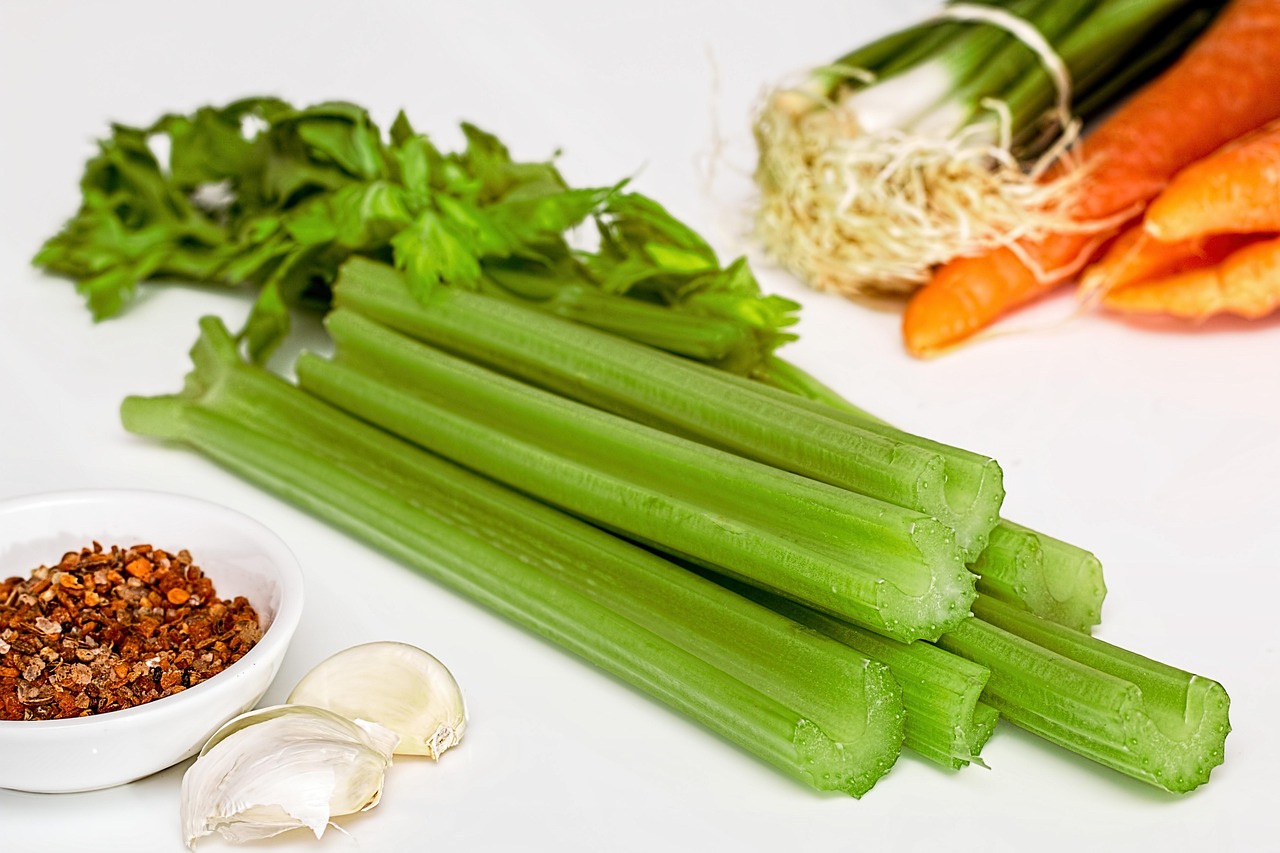
Pair nut butter with celery or apple slices for a satisfying combination of protein, healthy fats, and fiber. A small handful of mixed nuts provides sustained energy without blood sugar spikes. Hard-boiled eggs (if you prepare them weekly) with a sprinkle of everything bagel seasoning offer portable protein.
The key to snacking success lies in always combining a protein or healthy fat source with any carbohydrate. This pairing prevents rapid glucose absorption and maintains stable energy levels.
Chickpea Crunch
Drain and dry canned chickpeas, toss with olive oil and spices, then roast until crispy. These homemade chickpea “nuts” provide satisfying crunch with fiber and protein. Store in an airtight container for convenient grab-and-go snacking throughout the week.
This preparation costs pennies per serving while delivering nutrition that supports blood sugar goals. It’s an example of how simple transformations create exciting alternatives to processed snacks.
🌶️ Flavor Without Blood Sugar Consequences
Many people mistakenly believe that managing diabetes means eating bland food. Your spice cabinet actually contains powerful allies for both flavor and blood sugar control.
Cinnamon improves insulin sensitivity and may lower fasting blood sugar levels. Turmeric contains curcumin, which reduces inflammation and supports metabolic health. Garlic and ginger both show blood sugar-lowering properties in research studies. Black pepper increases nutrient absorption while adding satisfying heat.
Generously seasoning your pantry-based meals with these spices transforms simple ingredients into restaurant-quality dishes while actively supporting your A1C goals. This approach proves that healthy eating enhances rather than restricts culinary pleasure.
💡 Meal Prep Strategies for Consistent Success
Consistency matters more than perfection when managing blood sugar. Strategic meal preparation using pantry staples removes decision fatigue and ensures A1C-friendly options are always available.
The Sunday Pantry Cook-Off
Dedicate one hour weekly to preparing foundational ingredients. Cook a large batch of brown rice or quinoa using the cooking-and-cooling method. Prepare several cans of beans with different seasonings—Mexican-spiced, Italian herb, and curry-flavored versions. Hard-boil a dozen eggs. Mix several vinaigrette dressings using pantry oils and vinegars.
These prepared components become building blocks for dozens of quick meals throughout the week. The investment of one hour creates seven days of effortless, blood sugar-friendly eating.
Emergency Meal Templates
Develop simple formulas that work with whatever pantry items you have available. For example: protein source + vegetable + healthy fat + herbs = complete meal. This template might become tuna + canned green beans + olive oil + dill one day, or chickpeas + tomatoes + tahini + cumin another day.
These flexible frameworks eliminate the “what’s for dinner” stress while ensuring nutritional balance. They represent sustainable approaches rather than rigid meal plans that feel restrictive.
🎯 Tracking Progress and Adjusting Your Approach
While these recipes support blood sugar management, individual responses vary. Monitoring how specific meals affect your glucose levels helps you identify your most effective food combinations.
Consider checking blood sugar before meals and two hours afterward to understand your body’s response to different pantry-based recipes. This data reveals patterns that generic advice cannot provide. You might discover that lentils work better for you than chickpeas, or that adding extra olive oil significantly improves your glucose curve.
This personalized approach transforms meal planning from guesswork into science, allowing you to optimize your pantry cooking for maximum A1C improvement.
🌟 Sustainable Success Through Simple Systems
Managing blood sugar through pantry-based cooking isn’t about following a perfect plan temporarily—it’s about developing sustainable habits that support long-term health. The recipes and strategies outlined here work because they’re accessible, affordable, and genuinely enjoyable.
Start by incorporating just one or two of these meals into your weekly rotation. As they become familiar, add more variety. Stock your pantry intentionally with the staples that appear repeatedly in your favorite A1C-friendly recipes. Over time, this approach becomes second nature rather than a conscious effort.
The beauty of pantry-to-plate cooking lies in its flexibility and resilience. You’re never dependent on fresh ingredients that spoil or specialty items that break your budget. Your pantry becomes a pharmacy of sorts—filled with ingredients that literally medicine when combined thoughtfully.
Remember that small, consistent improvements in daily eating habits compound into significant A1C reductions over months. Each balanced meal represents an investment in your future health. The convenience of pantry-based cooking removes barriers that sabotage good intentions, making success not just possible but probable.
By embracing these simple recipes and strategies, you’re taking control of your health using resources you already possess. Your pantry holds more power than you might have realized—the power to transform your relationship with food while improving your most important health markers. Start today with whatever ingredients you have on hand, and discover how delicious blood sugar management can truly be.