Vegetables deserve to take center stage at your dinner table, not play a supporting role. When you embrace veggie-first cooking, you unlock a world of vibrant flavors, nourishing ingredients, and meals that satisfy both body and soul.

The traditional approach to meal planning often relegates vegetables to side dish status, but this outdated mindset overlooks their incredible potential to transform ordinary dinners into extraordinary culinary experiences. By reimagining your relationship with produce and placing colorful, nutrient-dense vegetables at the heart of your cooking, you’ll discover that healthy eating doesn’t mean sacrificing taste or satisfaction. Instead, it opens doors to creative combinations, global flavor profiles, and dishes that leave everyone at the table asking for seconds.
🌿 Why Veggie-First Meals Change Everything
Shifting to a veggie-first approach means more than simply adding a salad to your plate. It represents a fundamental change in how you conceptualize dinner, where vegetables become the foundation rather than an afterthought. This philosophy celebrates seasonal produce, honors diverse cooking techniques, and recognizes that plants offer an astonishing range of textures, colors, and tastes that can compete with any protein-centric dish.
Research consistently shows that diets rich in vegetables support better health outcomes, including improved digestion, stronger immunity, and reduced risk of chronic diseases. But beyond the nutritional benefits, veggie-first cooking introduces variety and excitement to your dinner routine. When you shop with vegetables in mind, you’re more likely to experiment with unfamiliar produce, try new cooking methods, and break free from repetitive meal patterns that lead to dinner table boredom.
Building Blocks of Balanced Veggie-First Dinners
Creating satisfying vegetable-forward meals requires understanding how to build balanced plates that deliver complete nutrition and lasting satisfaction. The key lies in combining different elements that work together harmoniously while ensuring you’re getting adequate protein, healthy fats, complex carbohydrates, and essential micronutrients.
The Foundation: Diverse Vegetable Selection
Start by incorporating vegetables across the color spectrum. Dark leafy greens like kale and spinach provide iron and calcium. Orange and red vegetables such as bell peppers, carrots, and tomatoes deliver vitamin C and antioxidants. Purple produce including eggplant and red cabbage offers unique phytonutrients. Cruciferous vegetables like broccoli and cauliflower contribute fiber and cancer-fighting compounds.
Aim for at least three different vegetables in each dinner, varying their preparation methods to create textural contrast. Roast one vegetable to bring out its natural sweetness, keep another raw for crunch, and sauté the third with aromatic herbs and spices for depth of flavor.
Protein Partners That Complement Vegetables
Veggie-first doesn’t mean vegetable-only. Thoughtfully chosen proteins enhance both the nutritional profile and satisfaction factor of your meals. Legumes like chickpeas, lentils, and black beans pair beautifully with roasted vegetables and add substantial protein and fiber. Tofu and tempeh absorb marinades wonderfully and provide complete protein when you want plant-based options.
For those who include animal proteins, think of them as flavor enhancers rather than the main event. A modest portion of grilled chicken, sustainably sourced fish, or grass-fed beef can complement a generous serving of vegetables without overshadowing them. The goal is balance and proportion, not elimination.
Healthy Fats for Flavor and Nutrition
Don’t fear fats when cooking vegetables. Quality fats improve the absorption of fat-soluble vitamins found abundantly in vegetables and dramatically improve taste. Extra virgin olive oil remains a Mediterranean diet staple for good reason, bringing fruity notes to roasted vegetables and fresh salads alike. Avocado adds creaminess to grain bowls and tacos. Nuts and seeds contribute crunch, protein, and omega-3 fatty acids.
Tahini, made from ground sesame seeds, creates luxurious dressings and sauces that transform simple steamed vegetables into restaurant-worthy dishes. A drizzle of high-quality oil and a sprinkle of toasted seeds can elevate even the most basic vegetable preparation.
🍽️ Irresistible Veggie-First Recipes to Try Tonight
Theory becomes delicious reality when you have practical recipes that deliver on both flavor and nutrition. These versatile dishes showcase how vegetables can anchor memorable meals that please diverse palates and dietary preferences.
Rainbow Buddha Bowl with Turmeric Tahini Dressing
Buddha bowls exemplify the veggie-first philosophy by presenting an abundant array of colorful ingredients in one satisfying dish. Start with a base of quinoa or brown rice, then arrange roasted sweet potato cubes, massaged kale, shredded purple cabbage, sliced radishes, and steamed broccoli in sections around the bowl. Add protein through chickpeas or edamame, and top with avocado slices, hemp seeds, and microgreens.
The magic lies in the turmeric tahini dressing: whisk together tahini, lemon juice, minced garlic, ground turmeric, a touch of maple syrup, and enough water to achieve pourable consistency. This golden sauce ties all the components together while providing anti-inflammatory benefits from turmeric.
Sheet Pan Mediterranean Vegetables with White Beans
One-pan meals simplify dinner preparation without compromising on taste. Toss cherry tomatoes, zucchini chunks, bell pepper strips, red onion wedges, and whole garlic cloves with olive oil, dried oregano, and sea salt. Spread on a large baking sheet and roast at 425°F for 25 minutes. Add drained white beans and continue roasting for 10 more minutes.
Finish with fresh basil, crumbled feta cheese, and a squeeze of lemon juice. Serve alongside crusty whole grain bread for soaking up the flavorful juices. This dish demonstrates how simple vegetable combinations become extraordinary through proper seasoning and cooking technique.
Cauliflower Steaks with Chimichurri and Roasted Chickpeas
Thick-cut cauliflower steaks provide a satisfying centerpiece that even dedicated meat-eaters appreciate. Slice a large cauliflower head vertically into 1-inch thick steaks, brush with olive oil, and season generously. Roast at 450°F until golden and tender, about 25 minutes, flipping halfway through.
Meanwhile, toss chickpeas with smoked paprika, cumin, and olive oil, then roast until crispy. Prepare vibrant chimichurri sauce by blending fresh parsley, cilantro, garlic, red wine vinegar, olive oil, and red pepper flakes. Plate the cauliflower steaks, top with chickpeas and generous chimichurri, and serve with a simple arugula salad.
Thai-Inspired Veggie Noodle Stir-Fry
Spiralized vegetables or rice noodles create the foundation for this flavor-packed dish. Stir-fry julienned carrots, snap peas, bell peppers, and bok choy in a hot wok with garlic and ginger. Add cooked noodles and a sauce made from tamari, lime juice, maple syrup, and a touch of sriracha.
Finish with torn Thai basil, cilantro, crushed peanuts, and lime wedges. The combination of sweet, salty, sour, and spicy elements creates the complex flavor profile that makes Asian cuisine so addictive, all while keeping vegetables front and center.
Mastering Cooking Techniques for Maximum Flavor 🔥
How you cook vegetables matters as much as which vegetables you choose. Different techniques unlock different flavors and textures, preventing menu monotony and helping you discover new favorite preparations.
Roasting for Caramelized Perfection
High-heat roasting transforms vegetables through caramelization, developing complex sweet and savory notes. Brussels sprouts shed their bitter reputation when roasted until crispy. Beets become candy-like. Even simple carrots achieve new dimensions of flavor. The key is adequate spacing on the pan, hot oven temperature (400-450°F), and resisting the urge to stir too frequently.
Charring for Smoky Depth
Whether on a grill, under the broiler, or in a cast-iron skillet, charring vegetables adds smoky complexity. Charred broccoli develops nutty notes. Blackened corn becomes sweet and smoky. Grilled eggplant gains meaty richness perfect for dips and spreads. Don’t fear those dark edges—they’re where the flavor lives.
Quick-Pickling for Brightness
Quick-pickled vegetables add tangy contrast that wakes up any dish. Thinly slice radishes, cucumbers, red onions, or carrots, then pour hot seasoned vinegar over them. Within 30 minutes, you have vibrant pickles that keep for weeks and transform tacos, grain bowls, and sandwiches.
🛒 Smart Shopping Strategies for Veggie-First Success
Your dinner transformation begins at the market. Strategic shopping ensures you always have the ingredients needed for spontaneous veggie-first creations without letting produce go to waste.
Shop seasonally to enjoy vegetables at peak flavor and affordability. Summer brings tomatoes, zucchini, and corn. Fall offers squash, Brussels sprouts, and root vegetables. Winter features hearty greens and citrus. Spring delivers asparagus, peas, and tender lettuces. Seasonal eating naturally provides variety throughout the year.
Maintain a well-stocked pantry with staples that complement fresh vegetables: quality olive oil, various vinegars, dried herbs and spices, canned beans and tomatoes, nuts and seeds, whole grains, and good salt. These foundations let you create complete meals even when your vegetable selection is limited.
Consider joining a CSA (Community Supported Agriculture) program or shopping at farmers markets. These options expose you to vegetable varieties you might not encounter in conventional grocery stores and directly support local agriculture. The unfamiliar produce often comes with recipe suggestions from farmers who know their crops intimately.
Making Veggie-First Meals Family-Friendly
Converting skeptical family members to veggie-first eating requires strategy, not force. Start by involving them in the process—people eat more willingly when they’ve participated in meal planning or preparation. Let children choose one new vegetable to try each week. Ask family members to pick a recipe that looks appealing from cookbooks or food blogs.
Build on familiar favorites by vegetable-enhancing them rather than completely replacing beloved dishes. Add finely chopped mushrooms and grated zucchini to pasta sauce. Blend roasted vegetables into soup. Stuff tacos with seasoned cauliflower alongside traditional fillings. These gradual introductions normalize vegetables as essential meal components rather than unwelcome intruders.
Make vegetables taste genuinely delicious rather than presenting them as healthy obligations. Season generously, use satisfying cooking methods like roasting and grilling, and don’t be afraid of flavor-boosting additions like cheese, good olive oil, or savory sauces in reasonable amounts. When vegetables taste amazing, everyone naturally wants more.
Meal Prep Strategies That Save Time ⏰
Busy schedules shouldn’t derail your veggie-first intentions. Strategic meal prep ensures you can assemble nutritious dinners quickly on hectic weeknights without resorting to processed convenience foods or takeout.
Dedicate an hour on weekends to washing, chopping, and storing vegetables in clear containers. Pre-cut vegetables mean you’re halfway to dinner before you even start cooking. Roast large batches of mixed vegetables that reheat well—cauliflower, broccoli, Brussels sprouts, and root vegetables maintain texture when stored properly.
Cook grains and legumes in bulk. Quinoa, brown rice, farro, and lentils keep for several days refrigerated and form instant meal foundations. Prepare versatile sauces and dressings in larger quantities; homemade tahini sauce, pesto, chimichurri, and vinaigrettes last a week and transform simple vegetables into complete dishes.
Embrace flexible templates rather than rigid recipes. Once you master basic combinations—grain plus vegetable plus protein plus sauce—you can improvise based on what’s available, preventing food waste while maintaining variety.
🌍 Global Inspiration for Your Veggie-First Journey
Vegetables feature prominently in traditional cuisines worldwide, offering endless inspiration for your dinner table. Mediterranean diets celebrate vegetables in dishes like ratatouille, Greek horiatiki salad, and Italian caponata. Middle Eastern mezze spreads showcase vegetable preparations from baba ganoush to fattoush. Asian cuisines masterfully combine vegetables with aromatic seasonings in stir-fries, curries, and noodle dishes.
Indian cooking offers particular inspiration for vegetable-forward meals. Centuries of vegetarian tradition have produced sophisticated techniques for making vegetables the star—think palak paneer, aloo gobi, baingan bharta, and countless dal preparations. These dishes prove that vegetables need not be boring or bland when treated with culinary respect and proper seasoning.
Latin American cuisines offer bean-and-vegetable combinations in dishes like black bean tacos, vegetable-stuffed pupusas, and hearty vegetable stews. Mexican cooking especially excels at layering flavors through roasted peppers, charred onions, fresh cilantro, and bright citrus.
Tracking Your Culinary Transformation
Documenting your veggie-first journey helps maintain motivation and allows you to see patterns in what works for your household. Keep a simple food journal noting which recipes received enthusiastic responses and which fell flat. Photograph particularly beautiful plates—we eat with our eyes first, and visual records remind you of successful combinations.
Notice how you feel as you increase vegetable intake. Many people report improved energy, better digestion, and easier weight management when they prioritize plant foods. These tangible benefits provide powerful motivation to continue even when old habits tempt you back toward less nutritious patterns.
Creating Lasting Change at Your Dinner Table 🌟
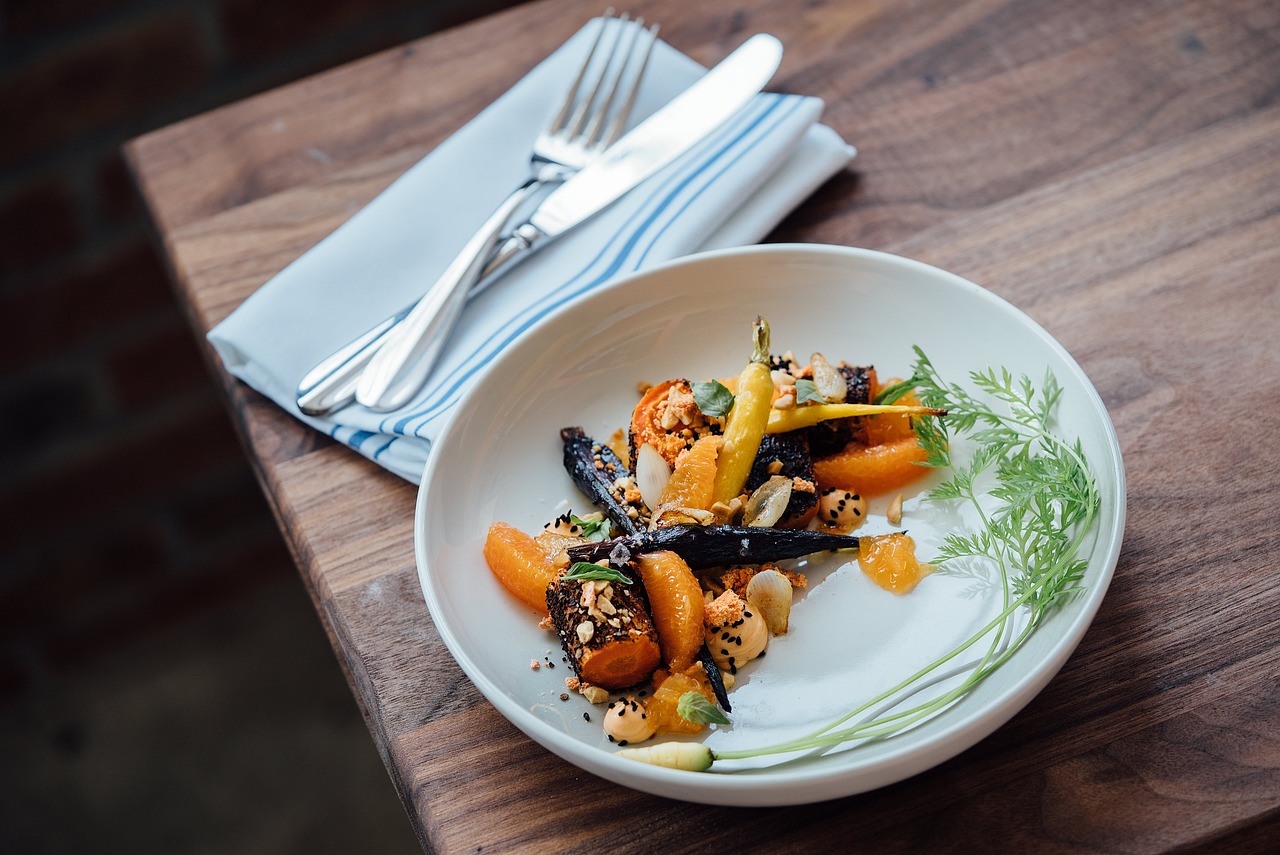
Transforming your dinner table with veggie-first recipes isn’t about perfection or rigid rules. It’s about gradually shifting proportions, experimenting with new ingredients, and discovering that vegetables can be genuinely exciting when prepared thoughtfully. Some nights you’ll create Instagram-worthy masterpieces; other nights you’ll throw together a simple stir-fry. Both count as success.
The beauty of veggie-first eating lies in its flexibility and abundance rather than restriction. You’re not eliminating foods you love; you’re expanding your repertoire and discovering new favorites. You’re not following a diet; you’re developing a sustainable relationship with food that nourishes your body while pleasing your palate.
Start with one or two veggie-first dinners per week, then gradually increase as you build confidence and discover recipes your household loves. Pay attention to seasonal shifts that naturally introduce variety. Celebrate small victories—the first time your child asks for seconds of Brussels sprouts, or when you realize you’ve gone a month without ordering pizza out of desperation.
Your dinner table can become a place where health and flavor coexist beautifully, where colorful plates spark conversation, and where everyone leaves satisfied and nourished. By embracing veggie-first cooking, you’re not just changing what you eat—you’re transforming your entire relationship with food, one delicious dinner at a time. The journey begins with a single meal, and the possibilities are as endless as the produce section itself.