Making your own low-sugar sauces and dressings transforms ordinary meals into extraordinary culinary experiences. When you batch, blend, and prepare your own condiments, you control every ingredient while cutting unnecessary sugars and preservatives.

The average store-bought salad dressing contains between 2-6 grams of sugar per serving, while many popular sauces hide even more. This hidden sugar consumption adds up quickly, sabotaging healthy eating goals without adding meaningful nutritional value. By creating your own low-sugar alternatives, you’ll discover that flavor doesn’t require excessive sweetness, and your taste buds will gradually adjust to appreciate more nuanced, complex flavors that whole ingredients naturally provide.
🍯 Why Commercial Sauces and Dressings Are Sugar Traps
Food manufacturers add sugar to sauces and dressings for multiple reasons beyond taste enhancement. Sugar acts as a preservative, extends shelf life, masks bitter notes from certain ingredients, and creates addictive flavor profiles that keep consumers returning for more. Even products marketed as “healthy” or “natural” frequently contain significant amounts of added sugars disguised under alternative names like agave nectar, brown rice syrup, or fruit juice concentrates.
Reading nutrition labels reveals shocking truths about everyday condiments. Ketchup typically contains about 4 grams of sugar per tablespoon—nearly a full teaspoon. Barbecue sauce can pack 12-16 grams per serving. Teriyaki sauce, sweet chili sauce, and honey mustard variations often contain similar or higher amounts. When you consider that most people use multiple servings and combine different condiments in a single meal, the sugar intake becomes substantial.
This excessive sugar consumption contributes to inflammation, energy crashes, weight gain, and increased risk of chronic diseases. The solution isn’t eliminating flavor but rather recreating beloved sauces and dressings with minimal added sugars while maximizing taste through herbs, spices, acids, and umami-rich ingredients.
Essential Ingredients for Your Low-Sugar Sauce Pantry 🥫
Building a well-stocked pantry makes creating delicious low-sugar sauces and dressings effortless. These foundational ingredients provide flavor depth without relying on sugar as a crutch.
Healthy Fats and Oils
Extra virgin olive oil serves as the backbone of most vinaigrettes and Mediterranean-style dressings. Its fruity, peppery notes add complexity without sweetness. Avocado oil works beautifully for high-heat applications and creamy dressings with its neutral flavor profile. Toasted sesame oil brings nutty richness to Asian-inspired sauces, while walnut and hazelnut oils create gourmet dressings with distinctive character.
Acids and Citrus
Various vinegars provide essential acidity that balances flavors and brightens dishes. Apple cider vinegar offers mild fruitiness, balsamic vinegar contributes sweetness without added sugar through grape must reduction, red wine vinegar delivers robust tang, and rice vinegar brings gentle acidity to Asian preparations. Fresh lemon, lime, and orange juice add vibrant brightness alongside vitamin C, while their zests contribute aromatic oils without liquid volume.
Umami Boosters
These savory ingredients create satisfying depth that reduces the need for sugar. Tamari or coconut aminos provide salty-savory richness with minimal sugar compared to traditional soy sauce. Miso paste adds fermented complexity, nutritional yeast contributes cheese-like notes perfect for vegan preparations, tomato paste concentrates umami flavors, and anchovy paste or fish sauce deliver powerful savory punch in tiny amounts.
Natural Flavor Enhancers
Fresh and dried herbs, spices, garlic, ginger, shallots, mustards, horseradish, and hot sauces all provide tremendous flavor intensity without sugar. Roasted vegetables like red peppers can be blended into dressings for natural sweetness and body. Tahini, almond butter, and cashew cream create luxurious textures while adding healthy fats and subtle flavor.
Mastering Basic Low-Sugar Vinaigrette Techniques ✨
The classic vinaigrette follows a simple ratio: three parts oil to one part acid. This basic formula becomes infinitely customizable with different oils, vinegars, and flavorings. The key to emulsification—creating a smooth, creamy texture rather than separated layers—involves slowly drizzling oil while whisking vigorously, or shaking everything together in a jar.
For a basic everyday vinaigrette, combine 3 tablespoons extra virgin olive oil with 1 tablespoon red wine vinegar, 1 teaspoon Dijon mustard (which helps emulsify), 1 minced garlic clove, and salt and pepper to taste. This contains zero added sugar while delivering robust flavor perfect for green salads, roasted vegetables, or grain bowls.
Elevated Vinaigrette Variations
Lemon herb vinaigrette brightens seafood and chicken dishes beautifully. Whisk together 3 tablespoons olive oil, 1 tablespoon fresh lemon juice, 1 teaspoon lemon zest, 1 tablespoon minced fresh herbs (basil, parsley, or dill), 1 minced garlic clove, and seasoning. The zest provides intense lemon flavor without excess liquid that can make dressings too thin.
Balsamic vinaigrette gains natural sweetness from reduced balsamic vinegar. Use quality aged balsamic, which concentrates grape sugars through traditional methods rather than added sweeteners. Combine 2 tablespoons balsamic vinegar, 1 tablespoon red wine vinegar, 1/4 cup olive oil, 1 teaspoon Dijon mustard, 1 minced shallot, and fresh cracked pepper.
Asian-inspired ginger sesame dressing transforms salads and works as a marinade. Blend 2 tablespoons rice vinegar, 1 tablespoon tamari, 2 teaspoons toasted sesame oil, 2 tablespoons neutral oil, 1 tablespoon grated fresh ginger, 1 minced garlic clove, and a pinch of red pepper flakes. The ginger provides natural zing without sugar.
Creamy Low-Sugar Dressings Without Dairy 🥑
Creamy dressings typically rely on mayonnaise, sour cream, or buttermilk, which can contain hidden sugars in commercial versions. Making your own ensures sugar control while achieving that luxurious, coating texture people crave.
Avocado Lime Crema
This versatile sauce works on tacos, salads, grain bowls, and as a vegetable dip. Blend 1 ripe avocado, juice of 2 limes, 1/4 cup water or unsweetened plant milk, 2 tablespoons olive oil, 1 garlic clove, 1/4 cup fresh cilantro, 1/2 teaspoon cumin, and salt until silky smooth. The avocado provides healthy fats and creamy body, while lime juice adds brightness. This dressing contains essentially zero sugar while delivering tremendous satisfaction.
Tahini Goddess Dressing
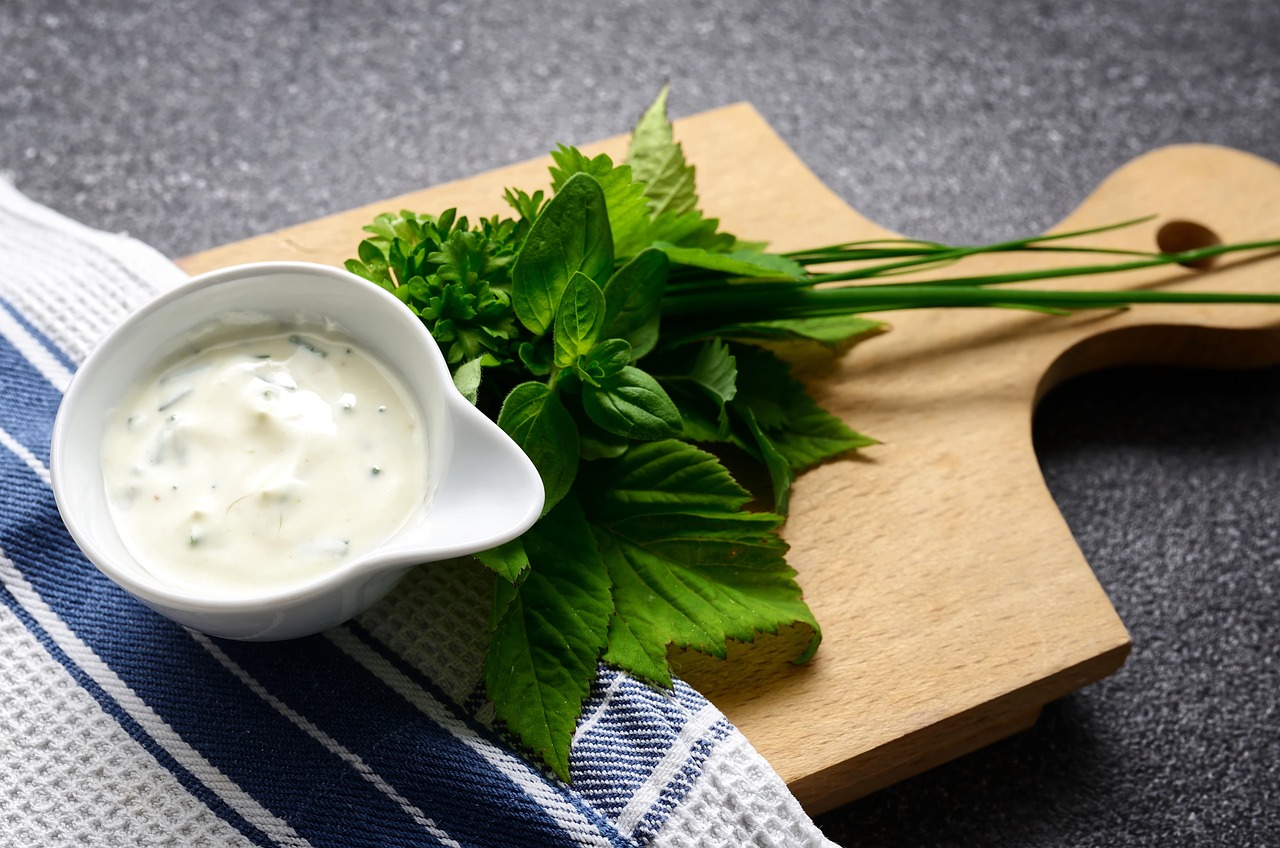
This Middle Eastern-inspired creation has achieved cult status among health-conscious eaters. Whisk together 1/4 cup tahini, 2 tablespoons lemon juice, 1 tablespoon apple cider vinegar, 1 minced garlic clove, 2 tablespoons each of fresh parsley and chives, water to thin as needed, and salt. Tahini’s natural nuttiness creates richness without dairy or sugar, and it’s packed with minerals like calcium and iron.
Cashew Caesar
Traditional Caesar dressing contains anchovies and raw eggs, but this version uses soaked cashews for creaminess. Soak 1/2 cup raw cashews for 2 hours, then blend with 1/4 cup water, 2 tablespoons lemon juice, 1 tablespoon Dijon mustard, 2 garlic cloves, 2 teaspoons capers, 1 teaspoon caper brine, 1/4 cup nutritional yeast, and black pepper. The result tastes remarkably similar to traditional Caesar with zero added sugar and beneficial nutrients.
Transforming Classic Condiments Into Sugar-Free Versions 🍅
Recreating beloved condiments without sugar requires understanding what makes them appealing beyond sweetness—texture, tang, spice, and savory depth all contribute to satisfying flavor profiles.
Better-Than-Store-Bought Ketchup
Commercial ketchup contains shocking amounts of sugar, but homemade versions capture that tangy-sweet balance naturally. Combine one 6-ounce can tomato paste with 2 tablespoons apple cider vinegar, 1 tablespoon water, 1/2 teaspoon onion powder, 1/4 teaspoon garlic powder, 1/8 teaspoon ground cloves, and salt to taste. For minimal sweetness, add 1 teaspoon of pure maple syrup (compared to 16+ grams of sugar in commercial versions). The tomato paste provides natural sweetness and umami that reduces sugar needs dramatically.
Sugar-Free Barbecue Sauce
Traditional barbecue sauce can contain 40+ grams of sugar per serving, but this version delivers smoky, tangy satisfaction without the spike. Sauté 1 minced onion and 3 garlic cloves until soft, then add one 15-ounce can tomato sauce, 1/4 cup apple cider vinegar, 2 tablespoons tomato paste, 1 tablespoon smoked paprika, 2 teaspoons chili powder, 1 teaspoon cumin, 1/2 teaspoon black pepper, and salt. Simmer for 20 minutes until thickened. The smokiness and spice complexity create depth that doesn’t rely on sweetness.
Asian-Inspired Teriyaki Alternative
Standard teriyaki sauce is essentially liquid sugar, but this version maintains that glossy, savory-sweet character with minimal sweeteners. Combine 1/4 cup tamari, 2 tablespoons rice vinegar, 1 tablespoon grated fresh ginger, 2 minced garlic cloves, 1 teaspoon toasted sesame oil, and 1 teaspoon arrowroot or cornstarch mixed with 2 tablespoons water. Simmer until thickened, adding just 1 teaspoon of honey or maple syrup if desired. The ginger and garlic provide tremendous flavor that makes sugar almost unnecessary.
Batch Preparation Strategies for Meal Prep Success 📦
Creating multiple sauces and dressings in a single session ensures you always have flavorful options ready, preventing the temptation to reach for sugar-laden store-bought versions. Most homemade dressings stay fresh refrigerated for 5-7 days, while some last up to two weeks.
Designate a specific day for sauce preparation—many people choose Sunday as part of weekly meal prep. Gather all ingredients and equipment before starting: blender or food processor, mason jars for storage, measuring spoons and cups, cutting board, and knife. An immersion blender works exceptionally well for small batches directly in jars.
Start with oil-based vinaigrettes, which require minimal equipment and cleanup. Make 3-4 different varieties in separate mason jars, labeling each with contents and date. These require simple shaking before each use since natural separation occurs. Next, prepare creamy dressings in your blender, transferring to jars once smooth. Finally, make any cooked sauces that require simmering, allowing them to cool completely before refrigerating.
Storage and Organization Tips
Store dressings in the refrigerator door for easy access and visibility. Glass jars with tight-sealing lids work better than plastic, which can absorb odors and stain. Label clearly with contents and date prepared. Oil-based dressings may solidify in cold temperatures—simply let them sit at room temperature for 10 minutes before using, or run the jar under warm water briefly.
For sauces you want to keep longer, freezing works wonderfully. Pour into ice cube trays, freeze solid, then transfer cubes to freezer bags. Each cube provides approximately 2 tablespoons—perfect for single-serving portions. Thaw overnight in the refrigerator or at room temperature for 30 minutes.
Pairing Sauces with Meals for Maximum Flavor Impact 🍽️
Understanding which sauces complement specific dishes elevates your cooking from good to exceptional. The right sauce enhances ingredients rather than masking them, creating harmonious flavor balance.
Protein Pairings
Chicken benefits from bright, acidic dressings like lemon herb vinaigrette or tahini goddess dressing. Fish pairs beautifully with citrus-forward sauces and creamy avocado preparations that don’t overpower delicate flavors. Beef can handle bolder, more robust sauces like sugar-free barbecue or balsamic reduction. Tofu and tempeh absorb flavors wonderfully, making them ideal for marinating in ginger sesame or teriyaki alternatives before cooking.
Vegetable Matches
Roasted vegetables shine with simple vinaigrettes that complement their natural sweetness. Leafy greens pair with virtually any dressing, though heartier greens like kale and collards stand up well to creamy, substantial dressings. Cruciferous vegetables like broccoli and cauliflower benefit from tahini-based sauces or nutritional yeast-enhanced creamy dressings. Root vegetables develop caramelized notes when roasted that pair perfectly with balsamic vinaigrette or herb-forward preparations.
Grain and Legume Combinations
Quinoa, farro, and brown rice grain bowls become complete meals when topped with flavorful low-sugar dressings. These neutral bases absorb sauces beautifully while providing fiber and sustained energy. Chickpeas, lentils, and black beans gain tremendous appeal when tossed with vinaigrettes or creamy dressings, transforming from bland to crave-worthy.
Troubleshooting Common Low-Sugar Sauce Challenges 🔧
Creating sugar-free alternatives sometimes presents challenges, but simple solutions ensure consistent success.
If dressings taste too acidic without sugar to balance, add more oil to mellow sharpness, or incorporate umami-rich ingredients like miso, nutritional yeast, or tomato paste. These savory elements create perceived balance without sweetness. Roasted garlic adds mellow depth that rounds out acidic notes naturally.
When sauces separate or won’t emulsify properly, add a small amount of mustard, which contains natural emulsifiers. For creamy dressings, ensure soaked nuts are thoroughly blended—a high-speed blender works best. Adding a small amount of lecithin (from sunflower or soy) stabilizes emulsions if you plan to store dressings for extended periods.
Thin, watery dressings lack satisfying body. Thicken them by blending in avocado, nuts, seeds, or tahini for creaminess. For vinaigrettes, add a small amount of xanthan gum (just 1/8 teaspoon) while blending to create viscosity without flavor impact. Reducing vinegar by simmering it briefly before using concentrates flavor and creates slight thickness.
Bland dressings need seasoning adjustments. Salt enhances all flavors—add incrementally while tasting. Fresh herbs provide more vibrant flavor than dried versions in uncooked preparations. Citrus zest delivers concentrated flavor without adding liquid. A small amount of hot sauce, horseradish, or grated ginger creates excitement without sugar.
Budget-Friendly Approaches to Homemade Condiments 💰
Creating your own low-sugar sauces saves substantial money compared to purchasing premium “healthy” commercial versions, which often cost $6-12 per bottle. Basic ingredients like oil, vinegar, and spices purchased in bulk reduce per-serving costs dramatically.
Buy oils in larger quantities when on sale—olive oil, avocado oil, and sesame oil keep well when stored properly in cool, dark locations. Purchase dried herbs and spices from bulk sections rather than small jarred versions, which carry significant markups. A small investment in quality dried herbs provides dozens of dressing batches.
Grow fresh herbs on a sunny windowsill or small garden space. Basil, parsley, cilantro, and chives grow easily and provide unlimited fresh herbs at minimal cost. Even apartment dwellers can maintain small pots of frequently used herbs, dramatically reducing grocery expenses while ensuring maximum freshness.
Make your own nut and seed butters for creamy dressings using a food processor. Raw cashews, almonds, and sunflower seeds transform into smooth butters with patience and a powerful processor. This approach costs significantly less than purchasing tahini and nut butters while allowing complete ingredient control.
Health Benefits Beyond Sugar Reduction 🌿
Homemade low-sugar sauces and dressings provide numerous health advantages beyond eliminating unnecessary sweeteners. You avoid preservatives, artificial colors, stabilizers, and inflammatory seed oils commonly found in commercial products. These additives contribute to various health issues including digestive distress, inflammation, and allergic responses.
Many homemade dressings contain beneficial fats from olive oil, avocado, nuts, and seeds. These healthy fats support hormone production, brain function, vitamin absorption, and cardiovascular health. Unlike the highly processed soybean, corn, and canola oils in most store-bought dressings, quality fats in homemade versions provide anti-inflammatory omega-3 fatty acids and monounsaturated fats.
Fresh herbs and spices deliver powerful antioxidants, vitamins, and minerals. Garlic supports immune function and cardiovascular health. Ginger provides anti-inflammatory compounds and digestive support. Turmeric contains curcumin with proven anti-inflammatory effects. Cilantro aids detoxification. These beneficial compounds lose potency during commercial processing but remain vibrant in freshly prepared sauces.
Fermented ingredients like miso and apple cider vinegar contribute probiotics that support gut health and digestion. A healthy gut microbiome influences everything from immune function to mental health, making these additions particularly valuable.
Developing Your Palate for Lower Sugar Preferences 👅
Transitioning away from sugar-heavy condiments requires a brief adjustment period as taste buds recalibrate. Sugar creates intense, immediate pleasure responses in the brain, but this adaptation dulls sensitivity to subtle flavors. Reducing sugar intake gradually retrains your palate to appreciate complexity, allowing herbs, spices, and natural ingredients to shine.
Most people notice significant changes within two to three weeks of reducing sugar consumption. Foods previously considered bland suddenly reveal layers of flavor. The natural sweetness in vegetables becomes apparent. This heightened sensitivity makes low-sugar sauces increasingly satisfying over time.
During the transition, resist the urge to replace sugar with artificial sweeteners, which maintain the preference for intense sweetness. Instead, use small amounts of whole-food sweeteners like dates or pure maple syrup only when absolutely necessary, gradually reducing quantities as your taste preferences shift.
Experiment boldly with herbs, spices, acids, and umami ingredients to discover flavor combinations that excite your palate without relying on sweetness. The world of savory, spicy, tangy, and aromatic flavors offers infinite variety that sugar-dominated eating obscures.
Making Low-Sugar Sauces a Sustainable Lifestyle Change 🌱
Success with homemade low-sugar condiments comes from building practical systems rather than relying on motivation. Start with two or three favorite dressings, mastering those before expanding your repertoire. Trying to prepare too many varieties simultaneously often leads to overwhelm and abandoning the practice.
Keep recipes simple initially—complex preparations with numerous ingredients feel burdensome. A basic vinaigrette with three ingredients takes less than five minutes and provides tremendous value. As confidence builds, gradually introduce more elaborate sauces that stretch your skills.
Involve family members or roommates in the process, making sauce preparation a shared activity rather than an individual burden. Children particularly enjoy shaking vinaigrettes in jars, feeling proud of their contribution to family meals. This involvement increases buy-in and enthusiasm for healthier eating across your household.
Track your favorite combinations in a simple notebook or phone app. When you create something exceptional, document the recipe before memory fades. Building a personal collection of proven winners ensures you always have reliable options that match your specific taste preferences.
Embrace imperfection—not every batch will turn out perfectly, and that’s completely acceptable. View each attempt as learning that refines your skills. Unlike commercial products with completely standardized flavors, homemade versions offer charming variation that keeps meals interesting. Sometimes these “mistakes” become new favorites through happy accidents.
The journey toward healthier, more flavorful eating through homemade low-sugar sauces and dressings represents an investment in long-term wellbeing. Each batch you prepare reinforces skills, builds confidence, and moves you further from dependence on processed products. Your meals gain personality and vibrancy that no store-bought bottle can replicate, while your body benefits from nutrient-dense ingredients free from unnecessary sugars and additives. The initial effort quickly becomes second nature, transforming into an enjoyable ritual that enhances both cooking satisfaction and eating pleasure for years to come.