Weeknight dinners don’t have to mean multiple pots, pans, and endless cleanup. One-pan meals offer a brilliant solution that combines nutrition, flavor, and simplicity in a single cooking vessel.

The secret to truly satisfying one-pan dinners lies in incorporating slow-digesting carbohydrates that provide sustained energy throughout your evening. These complex carbs release glucose gradually into your bloodstream, preventing energy crashes while keeping you fuller longer. When paired with protein and vegetables in a single pan, they create balanced meals that taste incredible and make cleanup practically effortless.
🍠 Why Slow-Digesting Carbs Belong in Your One-Pan Dinners
Slow-digesting carbohydrates, also known as complex carbohydrates or low-glycemic carbs, are nutritional powerhouses that deserve a starring role in your dinner routine. Unlike simple carbs that spike your blood sugar quickly, these carbohydrates contain longer chains of sugar molecules that take more time to break down during digestion.
Sweet potatoes, whole grain pasta, quinoa, brown rice, and legumes all fall into this category. They provide steady energy that carries you from dinner through your evening activities without the dreaded post-meal slump. For active individuals or those managing their weight, these carbs help maintain stable blood sugar levels and support better appetite control.
The beauty of incorporating them into one-pan meals is that they absorb flavors from surrounding ingredients while cooking. A sweet potato roasting alongside chicken thighs soaks up those savory pan juices, while quinoa cooked with vegetables becomes infused with aromatic herbs and spices.
🥘 The Art of Building a Balanced One-Pan Meal
Creating a nutritionally complete one-pan dinner follows a simple formula that anyone can master. Start with your protein source—chicken, fish, tofu, or legumes—then add your slow-digesting carbohydrate, pile on colorful vegetables, and finish with complementary seasonings and healthy fats.
The key is understanding cooking times. Ingredients that take longer to cook, like sweet potatoes or bone-in chicken, go into the pan first. Quick-cooking items like cherry tomatoes or leafy greens get added toward the end. This strategic timing ensures everything finishes simultaneously, perfectly cooked and ready to serve.
Essential Components for Success
- Protein foundation: Chicken thighs, salmon fillets, chickpeas, or tempeh provide satiety and muscle-building nutrients
- Slow-carb star: Sweet potatoes, butternut squash, whole grain couscous, or farro deliver sustained energy
- Vegetable variety: Broccoli, bell peppers, Brussels sprouts, or kale add fiber, vitamins, and visual appeal
- Flavor builders: Garlic, onions, herbs, spices, and citrus create depth without extra effort
- Healthy fats: Olive oil, avocado, or nuts enhance nutrient absorption and satisfaction
🍗 Mediterranean Sheet Pan Chicken with Sweet Potatoes
This crowd-pleasing recipe brings together tender chicken, caramelized sweet potatoes, and vibrant Mediterranean vegetables in one glorious pan. The slow-digesting sweet potatoes provide lasting energy while absorbing the herbaceous, garlicky flavors that make this dish unforgettable.
Start by cubing sweet potatoes into uniform pieces for even cooking. Toss them with olive oil, dried oregano, and smoked paprika. Arrange bone-in, skin-on chicken thighs on the same pan, seasoning generously with salt, pepper, and za’atar. Add red onion wedges, cherry tomatoes, and Kalamata olives around the chicken.
Roast at 425°F for approximately 35-40 minutes until the chicken reaches an internal temperature of 165°F and the sweet potatoes are fork-tender. The result is a complete meal with crispy chicken skin, perfectly roasted vegetables, and sweet potatoes that taste like they’ve been lovingly prepared in a separate dish.
🌾 One-Pot Quinoa Pilaf with Chickpeas and Roasted Vegetables
Quinoa stands out as one of the most versatile slow-digesting carbs available. This complete protein grain cooks beautifully in a single pot or deep skillet, absorbing vegetable broth while steaming vegetables to tender perfection.
Begin by sautéing diced onions and minced garlic in a large oven-safe skillet. Add rinsed quinoa and toast for two minutes to enhance its nutty flavor. Pour in vegetable broth at a 2:1 ratio, then add cubed butternut squash, chickpeas, and warming spices like cumin, coriander, and cinnamon.
Bring everything to a boil, cover tightly, then transfer to a 375°F oven for 25 minutes. The oven’s consistent heat cooks the quinoa evenly while the squash becomes beautifully tender. Finish with fresh spinach, toasted almonds, and a squeeze of lemon juice for brightness.
🥔 Rustic Potato and Sausage Skillet with Cabbage
Baby potatoes offer an excellent source of resistant starch, especially when cooked and slightly cooled. This hearty skillet meal combines golden potatoes with savory sausage and caramelized cabbage for a comforting dinner that feels indulgent but provides steady energy.
Halve baby potatoes and parboil them for 8 minutes to jumpstart the cooking process. In a large cast-iron skillet, brown sliced sausage until crispy at the edges. Remove temporarily, then add the partially cooked potatoes to the same pan with the rendered fat. Let them develop a golden crust before adding sliced cabbage, caraway seeds, and apple cider vinegar.
Return the sausage to the pan and continue cooking until the cabbage wilts and caramelizes. The combination of textures—crispy potatoes, succulent sausage, and tender-sweet cabbage—creates a satisfying meal that requires only one pan and minimal active cooking time.
🍝 Whole Grain Pasta Primavera in a Single Pan
Contrary to popular belief, you can absolutely cook pasta in a single pan along with your vegetables and protein. Whole grain pasta varieties provide more fiber and slower-digesting carbohydrates than traditional refined pasta, making them ideal for sustained energy.
The technique involves starting with just enough liquid to cook the pasta while creating a silky sauce. Combine whole grain penne, halved cherry tomatoes, sliced zucchini, and vegetable broth in a large sauté pan. Add minced garlic, red pepper flakes, and fresh basil stems (saving the leaves for garnish).
Bring to a boil, then reduce to a vigorous simmer, stirring occasionally. The pasta releases starch as it cooks, naturally thickening the liquid into a light sauce. After about 12-14 minutes, the pasta is perfectly al dente, the vegetables are tender, and you have a cohesive dish. Stir in fresh mozzarella, reserved basil leaves, and a drizzle of quality olive oil.
🐟 Miso-Glazed Salmon with Brown Rice and Bok Choy
Brown rice serves as an excellent slow-digesting carbohydrate base for Asian-inspired one-pan meals. While brown rice traditionally requires longer cooking times, using pre-cooked or quick-cooking varieties makes this weeknight-friendly without sacrificing nutrition.
Prepare brown rice according to package directions in an oven-safe skillet. Once nearly cooked, create wells in the rice and nestle salmon fillets into them. Brush the salmon with a glaze made from miso paste, rice vinegar, honey, and grated ginger. Arrange baby bok choy around the salmon.
Transfer the entire pan to a 400°F oven for 12-15 minutes until the salmon flakes easily and the bok choy wilts. The rice absorbs flavors from the salmon’s marinade and the bok choy’s released moisture, creating a harmonious dish where every component complements the others.
🌮 Southwestern Sweet Potato and Black Bean Skillet
Both sweet potatoes and black beans provide slow-digesting carbohydrates, making this vegetarian skillet exceptionally filling and energizing. The combination also delivers complete protein when paired together, along with impressive amounts of fiber.
Dice sweet potatoes into small cubes for faster cooking. Sauté them in a large skillet with olive oil until they begin to soften. Add diced bell peppers, corn, and canned black beans (drained and rinsed). Season with chili powder, cumin, and smoked paprika for authentic Southwestern flavor.
Cover and cook until the sweet potatoes are completely tender. Create small wells and crack eggs directly into the skillet if desired, covering until the whites set. Top with fresh cilantro, diced avocado, and a squeeze of lime. Serve with tortillas or enjoy as-is for a lower-carb option.
⏰ Time-Saving Strategies for Weeknight One-Pan Success
Even the simplest one-pan meals benefit from smart preparation strategies. Spending 10 minutes on Sunday prepping ingredients can transform weeknight cooking from stressful to seamless.
Wash and chop vegetables in advance, storing them in airtight containers. Pre-cook grains like quinoa or brown rice in larger batches—they refrigerate well for up to five days and reheat beautifully. Season proteins ahead of time, allowing marinades to penetrate and develop flavor while you’re at work.
Prep-Ahead Tips That Transform Weeknights
- Cube sweet potatoes and store submerged in water to prevent browning
- Mix custom spice blends in small jars for instant flavor without measuring
- Portion proteins into meal-sized quantities before freezing for quick thawing
- Keep parchment paper or silicone mats on hand for truly effortless cleanup
- Invest in quality sheet pans and skillets that distribute heat evenly
🧹 Making Cleanup Even Easier
The promise of one-pan meals is simplified cleanup, but a few tricks make it even more painless. Line sheet pans with parchment paper or aluminum foil before adding ingredients. While some purists argue against foil for environmental reasons, reusable silicone baking mats offer an excellent compromise.
For skillet meals, letting the pan cool slightly before adding hot water helps loosen stuck-on bits without thermal shock that can warp pans. A quality wooden spoon can gently scrape up flavorful fond, which either becomes part of a pan sauce or rinses away easily once loosened.
Cast iron skillets require special care but reward you with naturally non-stick surfaces when properly seasoned. After cooking, wipe them clean while still warm, using coarse salt as a gentle abrasive if needed. A quick rinse, thorough drying, and light oil coating keeps them ready for your next one-pan creation.
🥗 Balancing Macronutrients in One-Pan Meals
While slow-digesting carbs provide the energy foundation, balanced one-pan meals include adequate protein and healthy fats. This macronutrient balance ensures sustained fullness, stable blood sugar, and optimal nutrient absorption.
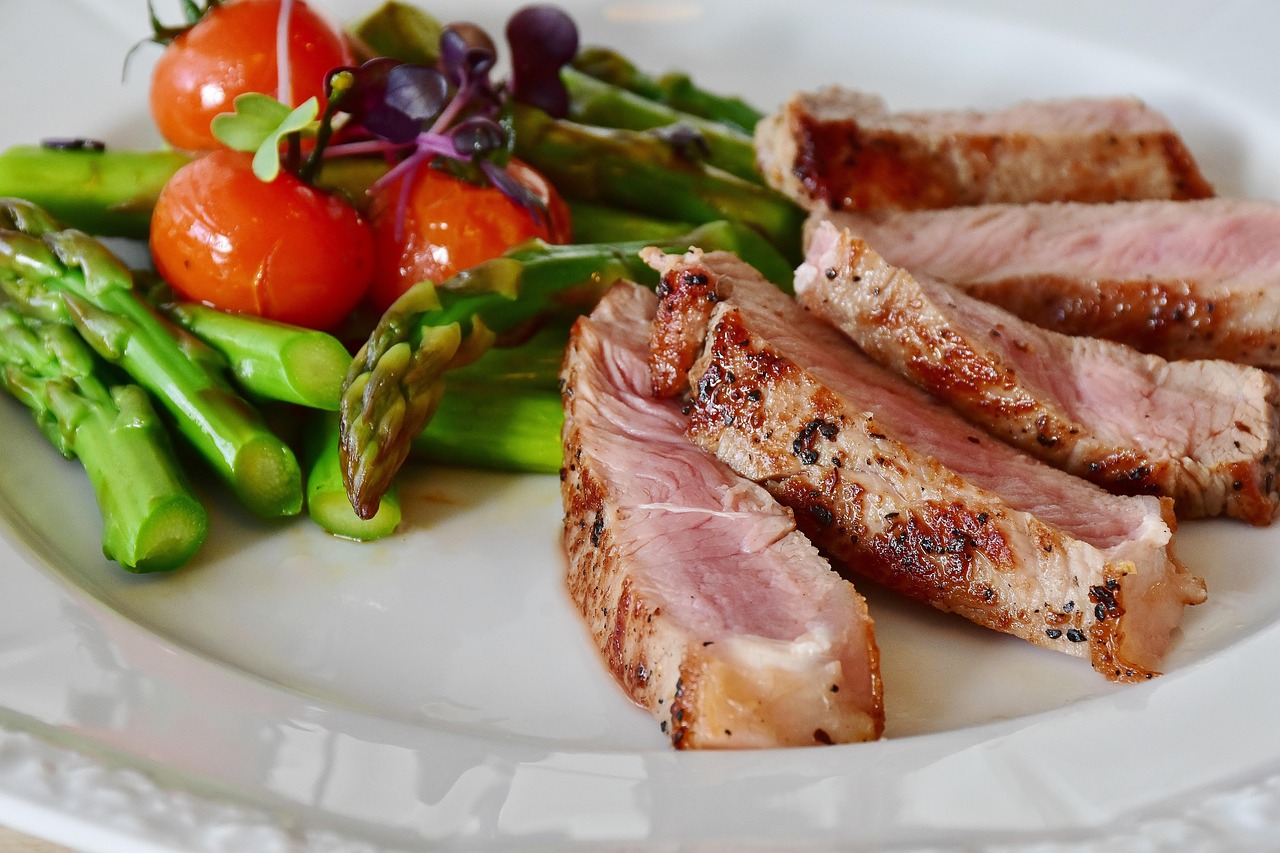
Aim for roughly a quarter of your pan dedicated to protein sources, a quarter to slow-digesting carbs, and half to non-starchy vegetables. This ratio provides approximately 40% carbohydrates, 30% protein, and 30% fat—a balanced approach that supports various nutritional goals.
Healthy fats shouldn’t be overlooked. Cooking with olive oil, adding sliced avocado as a garnish, or sprinkling nuts and seeds over finished dishes enhances satisfaction and helps your body absorb fat-soluble vitamins from vegetables.
🌡️ Temperature and Timing Guidelines for Perfect Results
Understanding optimal cooking temperatures transforms good one-pan meals into exceptional ones. Most sheet pan dinners thrive at 400-425°F, hot enough to caramelize vegetables and crisp proteins without burning. Skillet meals often start on the stovetop before finishing in a 375°F oven for even cooking.
Dense slow-digesting carbs like sweet potatoes and winter squash need 30-40 minutes at high heat when cut into one-inch pieces. Whole grains absorb liquid at different rates—quinoa needs about 15 minutes, while brown rice requires 40-50 minutes. Quick-cooking alternatives like couscous or bulgur finish in just 10 minutes.
Invest in an instant-read thermometer to ensure proteins reach safe temperatures without overcooking. Chicken should hit 165°F, pork 145°F, and fish between 125-140°F depending on desired doneness.
🎨 Keeping One-Pan Meals Exciting and Varied
The risk with any simplified cooking method is falling into repetitive patterns. Combat dinner boredom by rotating through different cuisine styles, each highlighting unique slow-digesting carbs and flavor profiles.
Mediterranean meals feature farro or chickpeas with olive oil, lemon, and herbs. Asian-inspired pans showcase brown rice or soba noodles with soy sauce, ginger, and sesame. Latin American versions highlight sweet potatoes or black beans with cumin, cilantro, and lime. Middle Eastern preparations celebrate bulgur or lentils with warming spices like cinnamon and cardamom.
This cultural rotation ensures nutritional variety while keeping your palate engaged. Each cuisine tradition offers time-tested flavor combinations that work beautifully in one-pan formats.
💪 Fueling Active Lifestyles with Strategic Carb Timing
For physically active individuals, incorporating slow-digesting carbs at dinner supports recovery and next-day performance. Evening carbohydrate consumption helps replenish glycogen stores depleted during workouts while supporting quality sleep through increased serotonin production.
Athletes and fitness enthusiasts can adjust carbohydrate portions based on training intensity. Higher-volume training days warrant larger servings of sweet potatoes, quinoa, or whole grain pasta. Rest days might include smaller carb portions with increased vegetables.
The convenience of one-pan meals means you’re more likely to cook nutritious dinners even on exhausting training days when takeout seems tempting. Having a rotation of trusted recipes eliminates decision fatigue while ensuring your body receives the nutrients it needs.
🌟 Transforming Leftovers into Tomorrow’s Lunch
One-pan meals often yield generous portions, making them ideal for meal prep. The combination of slow-digesting carbs, protein, and vegetables reheats beautifully, often tasting even better the next day as flavors meld together.
Store leftovers in glass containers, separating components if you prefer different textures when reheating. Rice-based meals benefit from a splash of water or broth when reheating to restore moisture. Sheet pan meals often taste delicious cold, making them perfect for packed lunches that don’t require reheating.
Consider cooking double batches intentionally, using one portion for dinner and refrigerating the second for effortless lunches. This approach maximizes the time-saving benefits of one-pan cooking while ensuring you have nutritious options readily available during busy workdays.
Embracing one-pan meals packed with slow-digesting carbohydrates represents a practical approach to weeknight cooking that doesn’t compromise on nutrition, flavor, or your limited time. These meals deliver sustained energy that carries you through your evening, complex flavors that satisfy your taste buds, and cleanup so simple you’ll actually look forward to cooking at home. By mastering a handful of versatile techniques and keeping your pantry stocked with quality slow-digesting carbs, you’ll transform dinner from a daily challenge into an enjoyable ritual that nourishes both body and soul.