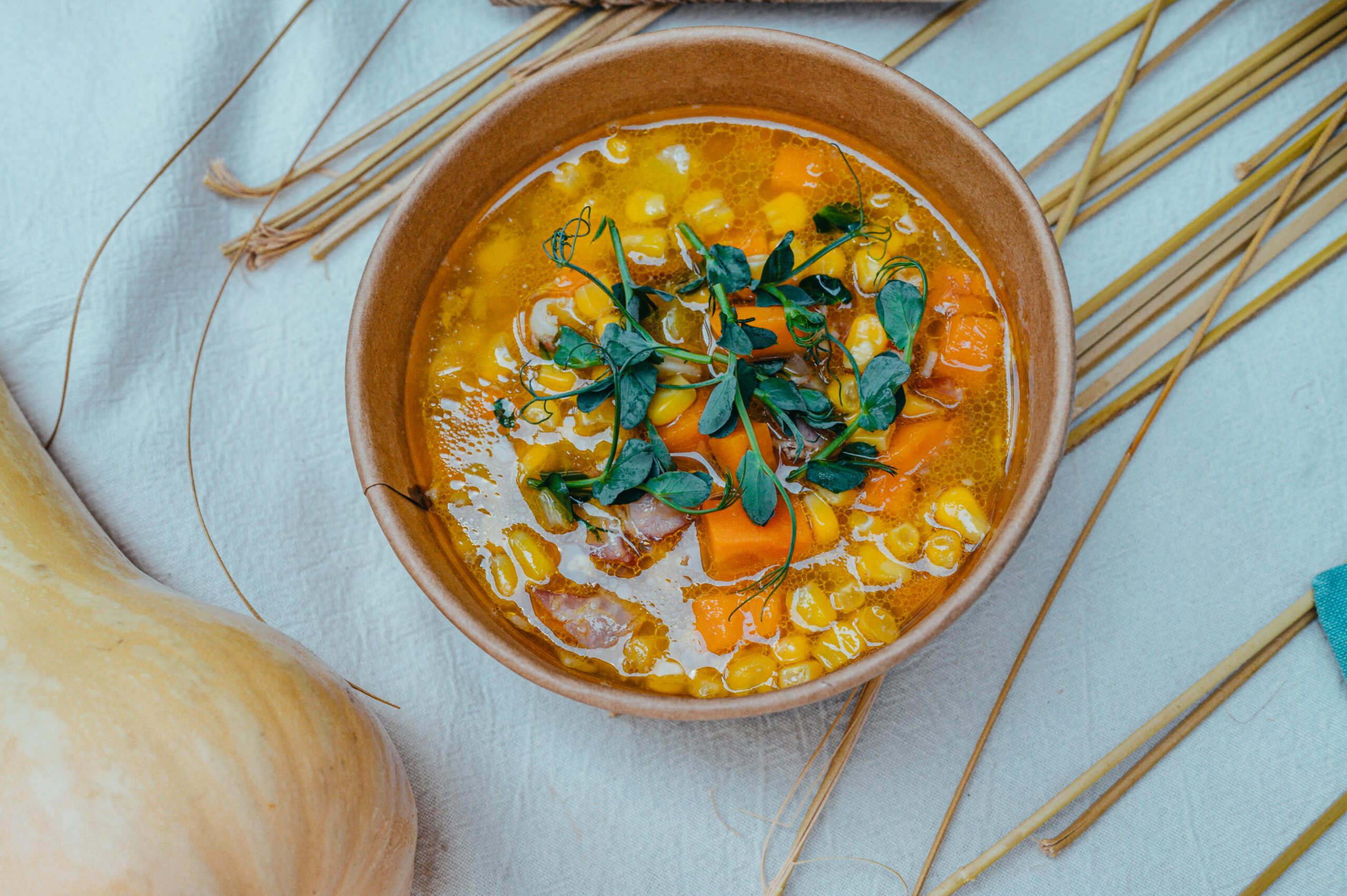
When it comes to nourishing meals that truly satisfy, nothing compares to a well-crafted soup or stew brimming with wholesome ingredients.

These comforting dishes have stood the test of time across cultures, offering not just warmth and flavor, but incredible nutritional density that keeps you fuller longer. Whether you’re meal prepping for a busy week ahead, seeking weight management support, or simply craving something deeply satisfying, high-satiety soups and stews deliver on every front. The beauty of these one-pot wonders lies in their versatility—they accommodate various dietary preferences, adapt to seasonal ingredients, and improve in flavor as they sit, making them ideal candidates for your weekly meal rotation.
🥘 Why Soups and Stews Are Satiety Superstars
The science behind why soups and stews keep hunger at bay is fascinating. These meals combine high water content with fiber-rich vegetables, protein-packed ingredients, and often healthy fats, creating a trifecta of satiation. The volume of liquid helps stretch your stomach, triggering fullness signals to your brain, while the solid ingredients provide sustained energy release.
Research consistently shows that starting a meal with soup reduces overall calorie intake during that eating occasion. The thermic effect of warm foods also plays a role—hot meals naturally slow down eating pace, giving your body time to register fullness before overconsumption occurs. Additionally, the fiber content in vegetable-forward soups and stews promotes gut health and stabilizes blood sugar levels, preventing the energy crashes that lead to snack attacks.
From a practical standpoint, soups and stews are remarkably efficient. They allow you to batch-cook nutritious meals that store beautifully, develop deeper flavors over time, and reheat perfectly. This makes them invaluable for anyone juggling work, family, and health goals simultaneously.
Essential Components of High-Satiety Soups and Stews
Building truly satisfying soups and stews requires understanding the key elements that transform simple ingredients into hunger-conquering meals. Each component serves a specific purpose in creating that lasting fullness you’re seeking.
Protein Powerhouses 💪
Protein is the cornerstone of satiety. When planning your soups and stews, aim for at least 20-30 grams of protein per serving. Excellent options include chicken breast or thighs, lean beef, pork shoulder, turkey, white fish, salmon, shrimp, beans, lentils, chickpeas, tofu, and tempeh. These ingredients not only keep you full but also support muscle maintenance and repair.
For plant-based eaters, combining legumes with whole grains creates complete proteins. A lentil stew served over quinoa or a bean soup with whole-grain bread provides all essential amino acids while delivering impressive satiety.
Fiber-Rich Foundations
Vegetables and legumes bring the fiber that slows digestion and extends fullness. Root vegetables like sweet potatoes, carrots, and parsnips add natural sweetness and substance. Cruciferous vegetables such as cabbage, kale, and broccoli contribute volume and nutrients without many calories. Leafy greens like spinach, Swiss chard, and collards wilt beautifully into stews, boosting nutritional value exponentially.
Legumes deserve special mention—they’re fiber and protein champions simultaneously. Lentils, split peas, black beans, chickpeas, and white beans transform soups into complete meals that stick with you for hours.
Healthy Fats for Sustained Energy
Don’t fear fats in your soups and stews. Healthy fats slow gastric emptying, meaning food stays in your stomach longer, extending satiety. A drizzle of extra virgin olive oil, a spoonful of tahini, coconut milk for creaminess, avocado as a topping, or nuts and seeds as garnish all enhance both flavor and staying power.
Fats also help absorb fat-soluble vitamins (A, D, E, and K) present in your vegetables, making your meal more nutritionally effective overall.
🍲 Week-Night Champions: Quick High-Satiety Soup Recipes
Not every satisfying soup requires hours of simmering. These recipes come together in under an hour but deliver impressive fullness and flavor that rivals any slow-cooked creation.
Tuscan White Bean and Kale Soup
This Italian-inspired soup combines creamy cannellini beans, tender kale, and aromatic garlic in a tomato-infused broth. The beans provide both protein and fiber, while kale adds vitamins A, C, and K. A finishing drizzle of quality olive oil and a sprinkle of Parmesan creates richness without heaviness. This soup reheats beautifully and actually tastes better the next day as flavors meld together.
Serve with crusty whole-grain bread for dipping, and you have a complete meal that costs pennies per serving but feels luxurious. The combination of complex carbohydrates, plant protein, and healthy fats keeps energy stable for hours.
Spicy Chicken and Chickpea Stew
This protein-packed stew features tender chicken thighs, hearty chickpeas, and warming spices like cumin, paprika, and turmeric. The anti-inflammatory properties of turmeric complement the high protein content, making this both a comfort food and a functional meal. Adding diced tomatoes and a handful of spinach in the final minutes boosts the vegetable content without complicating preparation.
The beauty of this stew lies in its flexibility—substitute turkey, use different beans, adjust spice levels to preference, or add whatever vegetables need using from your refrigerator. It’s forgiving, flavorful, and filling.
Miso Mushroom Soup with Tofu
For a lighter but equally satisfying option, this Asian-inspired soup delivers umami depth through miso paste and mushrooms. Firm tofu adds plant-based protein, while shiitake or cremini mushrooms provide meaty texture and unique compounds that support immune function. Add bok choy, scallions, and a soft-boiled egg for additional nutrients and visual appeal.
This soup comes together in just 20 minutes, making it perfect for those evenings when time is short but you refuse to compromise on nutrition. The fermented miso also supports gut health, adding functional benefits beyond basic nutrition.
Weekend Wonders: Slow-Cooked Stews Worth the Wait ⏰
When you have more time to invest, these slow-cooked stews reward patience with exceptional depth of flavor and fall-apart tenderness that simply can’t be rushed.
Moroccan-Spiced Lamb and Lentil Stew
This exotic stew transports your taste buds with warming spices like cinnamon, cumin, coriander, and ginger. Lamb shoulder becomes incredibly tender through slow cooking, while red lentils break down slightly, thickening the stew naturally. Dried apricots add subtle sweetness that balances the savory spices, and chickpeas contribute additional texture and protein.
Served over couscous or with flatbread, this stew provides complete nutrition with impressive staying power. The combination of red meat and legumes delivers both heme and non-heme iron, supporting energy levels and cognitive function.
Beef and Barley Stew
A classic that never goes out of style, this hearty stew features chunks of beef chuck that become melt-in-your-mouth tender after slow braising. Pearl barley adds wonderful chewy texture and soluble fiber that particularly helps with satiety and cholesterol management. Root vegetables like carrots, celery, and turnips contribute sweetness and bulk.
This stew embodies comfort while delivering serious nutritional value. The collagen-rich beef creates a silky broth, while the barley provides long-lasting energy without blood sugar spikes. It’s a complete meal in a bowl that satisfies on every level.
Brazilian Black Bean Stew (Feijoada-Inspired)
This plant-forward version of Brazil’s national dish showcases black beans as the star, with smoked paprika providing depth typically contributed by meat. Add sweet potatoes, bell peppers, and collard greens for a rainbow of nutrients. The beans provide exceptional protein and fiber, making this one of the most economical yet satisfying meals possible.
Top with orange slices, as traditional in Brazil—the vitamin C enhances iron absorption from the beans while the brightness cuts through the richness. This stew freezes exceptionally well, making it perfect for meal prep enthusiasts.
🌱 Plant-Based Powerhouses for Maximum Satiety
Plant-based soups and stews can be every bit as satisfying as their meat-containing counterparts when properly constructed with attention to protein, fiber, and healthy fats.
Red Lentil and Coconut Curry Soup
This creamy, vibrant soup combines protein-rich red lentils with coconut milk for luxurious texture. Curry spices not only provide incredible flavor but also offer anti-inflammatory benefits. The lentils cook quickly and break down partially, creating natural thickness without any cream or flour.
Adding spinach or kale in the final minutes boosts the nutritional profile, while a squeeze of lime brightens all the flavors. This soup is surprisingly filling despite being completely plant-based, thanks to the combination of legume protein and coconut fat.
Hearty Vegetable and White Bean Minestrone
Italian comfort in a bowl, minestrone is endlessly adaptable to what vegetables are in season or available in your kitchen. The key to satiety is including substantial white beans and whole grain pasta or farro. Zucchini, tomatoes, green beans, carrots, and celery provide the vegetable foundation, while basil and oregano deliver classic Italian flavors.
A Parmesan rind simmered in the broth adds umami depth that makes even vegetable skeptics enthusiastic. This soup is a masterclass in how vegetables, legumes, and whole grains combine to create lasting fullness without any meat.
Strategic Meal Prep: Making Soups and Stews Work for Your Week
The real magic of soups and stews emerges when you integrate them strategically into your weekly routine. Proper preparation and storage ensure you always have nourishing options ready, eliminating the temptation of less healthy convenience foods.
Batch Cooking Strategies
Dedicate a few hours on Sunday or your day off to preparing two different soups or stews. Choose recipes with contrasting flavors—perhaps one Asian-inspired and one Mediterranean—so you won’t experience flavor fatigue. Most soups and stews store beautifully in the refrigerator for 4-5 days and freeze well for up to three months.
Invest in quality storage containers, preferably glass, in various sizes. Individual portions make grabbing lunch before work effortless, while larger containers work perfectly for family dinners. Always label containers with contents and date to maintain organization.
Freezer-Friendly Tips
Not all ingredients freeze equally well. Potatoes can become grainy, so consider undercooking them slightly or adding fresh when reheating. Dairy products may separate, so add cream or milk after thawing and reheating. Pasta can become mushy, so cook it fresh and add to reheated soup.
Cool soups and stews completely before freezing, and leave headspace in containers since liquids expand when frozen. For fastest thawing, freeze in flatter containers rather than tall, narrow ones. Thaw overnight in the refrigerator for food safety, or reheat directly from frozen if time allows.
🥄 Customization and Variation: Keeping Things Interesting
Even the most delicious soup becomes boring with excessive repetition. Building variation into your rotation ensures sustained enthusiasm for these healthy meals.
Texture Play
Transform any soup from smooth to chunky or vice versa. Blend half the soup for creaminess while leaving the other half chunky for texture. Top smooth soups with crunchy elements like toasted seeds, croutons, or crispy chickpeas. Add grains like farro, quinoa, or wild rice to create more substantial texture.
Flavor Boosters
Fresh herbs added at the end dramatically change a soup’s character. Cilantro, parsley, dill, or basil each bring distinct personalities. Acid brightens everything—experiment with lemon juice, lime juice, or vinegar. Heat from fresh chili peppers, hot sauce, or red pepper flakes adds excitement. Umami enhancers like miso paste, soy sauce, fish sauce, or nutritional yeast deepen savory notes.
Topping Transformations
The same base soup becomes multiple experiences through different toppings. Consider Greek yogurt or sour cream for cooling creaminess, avocado slices for healthy fats and visual appeal, hard-boiled eggs for additional protein, grated cheese for richness, toasted nuts or seeds for crunch, or fresh vegetables for contrasting texture.
Nutritional Optimization for Specific Health Goals 🎯
Tailor your soup and stew choices to support specific wellness objectives beyond general satiety.
Weight Management
Focus on broth-based soups loaded with non-starchy vegetables. Keep portions of starchy ingredients modest. Emphasize lean proteins and minimize added fats, getting richness instead from pureed vegetables. The high water and fiber content naturally limits calorie density while maximizing fullness.
Muscle Building
Prioritize protein content, aiming for 30-40 grams per serving. Include both animal and plant proteins for complete amino acid profiles. Add quinoa, beans, or lentils alongside meat for protein variety. Time these protein-rich soups post-workout when muscles are primed for nutrient absorption.
Immune Support
There’s truth behind chicken soup’s reputation as medicine. Bone broth provides minerals and compounds that support immune function. Garlic, ginger, turmeric, and mushrooms all contain immune-modulating compounds. Colorful vegetables provide antioxidants that protect cells. The warm liquid itself helps with hydration and can ease respiratory symptoms.
Blood Sugar Management
Choose low-glycemic ingredients like legumes, non-starchy vegetables, and whole grains. Avoid refined carbohydrates and excessive starchy vegetables. The fiber content naturally slows sugar absorption. Adding healthy fats and adequate protein further stabilizes blood sugar response. These soups prevent the spikes and crashes that lead to cravings and energy fluctuations.
Elevating Your Soup Game: Advanced Techniques
Once comfortable with basic soup and stew preparation, these techniques add restaurant-quality results to your home cooking.
Proper Browning
Never skip the browning step for meats and aromatics. This Maillard reaction creates hundreds of flavor compounds impossible to achieve otherwise. Use medium-high heat, don’t overcrowd the pan, and resist stirring too frequently. Those browned bits stuck to the pan (fond) contain concentrated flavor—deglaze with wine or broth and scrape them up.
Layering Flavors
Add ingredients in stages rather than all at once. Aromatics like onions and garlic go first. Spices bloom in fat before liquids are added. Heartier vegetables go in early, delicate ones near the end. Fresh herbs finish the dish. This sequential approach builds complexity impossible to achieve from dumping everything together.
Finishing Touches
The difference between good and extraordinary often comes at the end. A splash of acid brightens all flavors. A drizzle of quality olive oil adds luxurious mouthfeel. Fresh herbs provide aromatic lift. A dollop of pesto, dollop of flavored yogurt, or swirl of herb oil transforms presentation from everyday to special.
🌍 Global Inspiration: Soups and Stews from Around the World
Every culture has developed satisfying soups and stews using local ingredients and traditional techniques. Exploring these global treasures expands your repertoire while keeping meals exciting.
Japanese ramen bowls combine rich broth with noodles, protein, and vegetables in endless variations. Vietnamese pho delivers aromatic complexity through star anise, cinnamon, and fresh herbs. Thai tom yum provides spicy, sour, and aromatic notes that awaken the palate. Korean soon tofu stew features silky soft tofu in a fiery, flavorful base.
French pot-au-feu showcases simple ingredients transformed through patient cooking. Hungarian goulash demonstrates how paprika can define an entire dish. Irish stew proves that just a few quality ingredients can create something deeply satisfying. Ethiopian lentil stews highlight how berbere spices create warming complexity.
Each of these traditions offers lessons in building flavor, utilizing ingredients efficiently, and creating meals that nourish body and soul simultaneously.
Making Soups and Stews Your Weekly Staples
Transforming soups and stews from occasional meals into weekly staples requires minimal effort but delivers maximum returns for your health, budget, and schedule. Start by selecting two recipes this week that appeal to your taste preferences and dietary needs. Gather ingredients, block out a few hours for cooking, and prepare both recipes.
As you become comfortable with the process, you’ll develop intuition for flavoring, timing, and ingredient substitutions. You’ll discover which recipes your family loves and which containers work best for your storage needs. The initial investment of time and attention pays dividends throughout the week as you enjoy nutritious, satisfying meals that required no additional effort.
The beauty of this approach extends beyond nutrition and convenience. There’s something deeply satisfying about opening your refrigerator to find beautiful containers of homemade soup ready to nourish you. The aromatherapy of reheating a fragrant stew after a long day provides comfort beyond calories. The knowledge that you’re feeding yourself and your loved ones real, wholesome food creates a sense of accomplishment that transcends the kitchen.
Soups and stews represent cooking at its most fundamental and forgiving. They welcome experimentation, forgive minor mistakes, and reward attention with ever-improving results. They connect us to cooking traditions spanning centuries and cultures while supporting modern health goals. Most importantly, they prove that truly satisfying food doesn’t require complexity, exotic ingredients, or culinary school training—just good ingredients, proper technique, and the willingness to let time and heat work their magic.
Start this week. Choose your recipes, gather your ingredients, and discover how these humble one-pot meals can transform your relationship with food, satisfy hunger like nothing else, and become the foundation of a healthier, more delicious way of eating that you’ll maintain not just for weeks, but for years to come.