Struggling with energy crashes, afternoon slumps, and constant hunger? The secret to sustained vitality lies in understanding how foods affect your blood sugar levels and implementing low-GI meal strategies into your daily routine.

Low-glycemic index eating isn’t about restrictive dieting or eliminating entire food groups. It’s a sustainable approach to nutrition that focuses on choosing foods that release energy slowly and steadily throughout the day. By transforming your weekly meal planning with simple low-GI templates, you’ll experience balanced blood sugar levels, improved concentration, better weight management, and overall enhanced wellbeing that lasts from Monday morning through Sunday evening.
Understanding the Glycemic Index and Why It Matters for Your Energy 🔋
The glycemic index (GI) measures how quickly carbohydrate-containing foods raise blood glucose levels after eating. Foods are ranked on a scale from 0 to 100, with pure glucose assigned a value of 100. Low-GI foods score 55 or below, medium-GI foods range from 56-69, and high-GI foods register 70 or above.
When you consume high-GI foods, your blood sugar spikes rapidly, triggering a surge of insulin to bring levels back down. This rollercoaster effect leads to energy crashes, increased hunger, mood swings, and over time, can contribute to insulin resistance and weight gain. Low-GI foods, conversely, provide a gradual release of glucose into your bloodstream, maintaining stable energy levels and keeping you satisfied longer.
The benefits extend beyond energy management. Research consistently shows that low-GI eating patterns support cardiovascular health, improve cholesterol profiles, reduce inflammation, enhance cognitive function, and may lower the risk of type 2 diabetes and certain cancers. For anyone looking to optimize their health through nutrition, the glycemic index provides a scientifically-backed framework that’s both practical and effective.
Building Your Low-GI Pantry Foundation
Before diving into meal templates, stock your kitchen with essential low-GI ingredients that form the backbone of balanced eating. This preparation makes weekday cooking effortless and ensures you always have nutritious options available.
Essential Low-GI Staples to Keep on Hand
Your pantry should include steel-cut oats, quinoa, brown rice, barley, and whole grain pasta. These complex carbohydrates provide sustained energy without spiking blood sugar. Add legumes like lentils, chickpeas, black beans, and kidney beans—protein-packed powerhouses with impressively low GI scores.
For protein sources, keep canned wild salmon, tuna, eggs, Greek yogurt, and cottage cheese readily available. Nuts and seeds including almonds, walnuts, chia seeds, and flaxseeds offer healthy fats that further slow glucose absorption. Don’t forget healthy oils like extra virgin olive oil and avocado oil for cooking and dressings.
Fresh produce forms the cornerstone of low-GI eating. Most non-starchy vegetables—leafy greens, broccoli, cauliflower, peppers, tomatoes, and zucchini—have minimal impact on blood sugar. Lower-GI fruits include berries, apples, pears, oranges, and stone fruits. Sweet potatoes, despite their sweetness, have a lower GI than regular potatoes when cooked properly.
Monday Through Friday: Your Weekday Low-GI Meal Template 📅
Establishing consistent meal patterns during busy weekdays creates structure while maintaining flexibility. These templates provide balanced nutrition without requiring extensive preparation time or culinary expertise.
Energizing Low-GI Breakfast Options
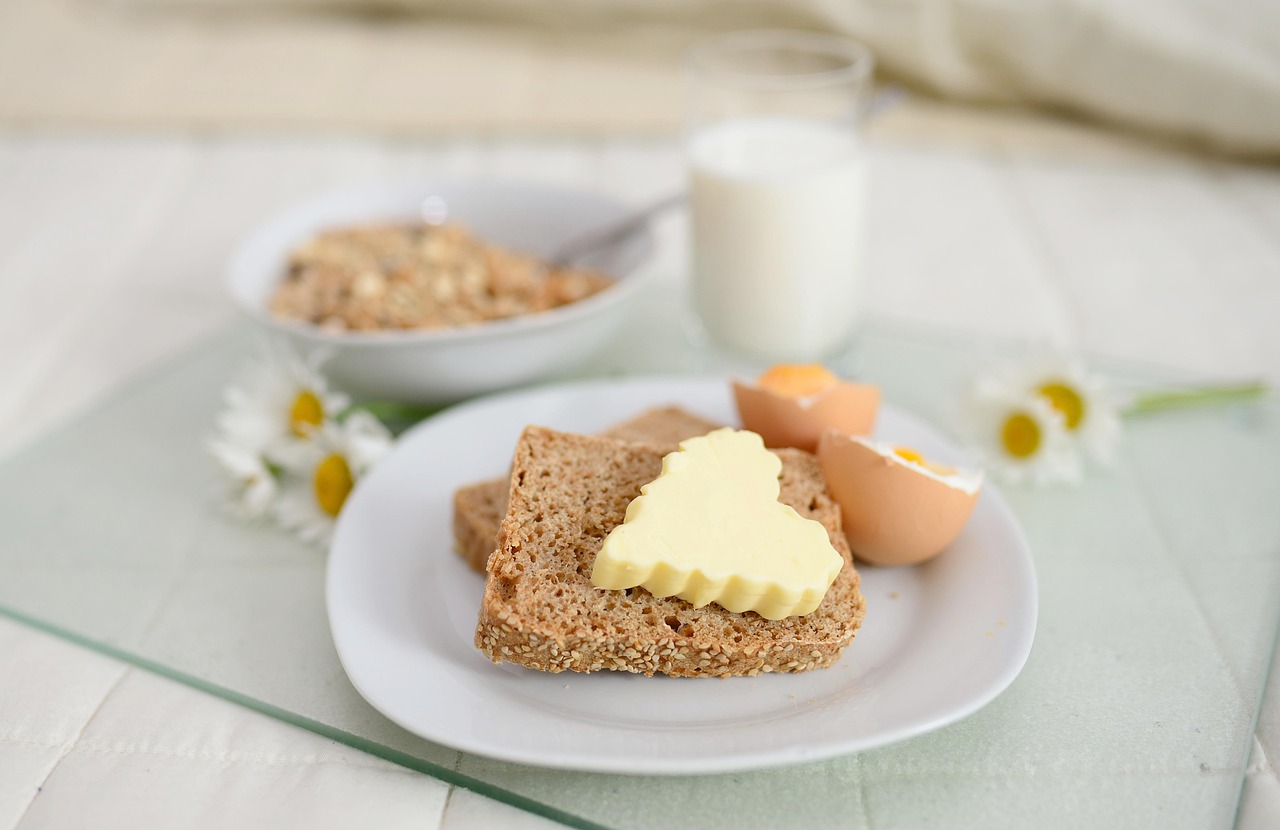
Start your morning with protein and fiber to stabilize blood sugar from the first meal. A classic template combines steel-cut oats topped with ground flaxseed, fresh berries, and a dollop of Greek yogurt. This combination provides complex carbohydrates, omega-3 fatty acids, antioxidants, and protein to fuel your morning productively.
Alternatively, create a veggie-packed omelet using two whole eggs with spinach, mushrooms, and tomatoes, served alongside whole grain toast with avocado. The healthy fats from eggs and avocado slow digestion while vegetables add fiber and micronutrients. For those preferring sweet breakfasts, whole grain toast with almond butter and sliced apple offers satisfying crunch and balanced macronutrients.
Greek yogurt parfaits assembled the night before save precious morning minutes. Layer unsweetened Greek yogurt with chia seeds, chopped nuts, and low-GI fruits like blueberries or strawberries. The preparation takes five minutes but delivers hours of sustained energy.
Midday Meals That Prevent Afternoon Slumps
Lunch should combine lean protein, plenty of vegetables, and a moderate portion of low-GI carbohydrates. Build bowls following this template: start with leafy greens or quinoa as your base, add grilled chicken, baked salmon, or chickpeas for protein, pile on colorful vegetables like roasted bell peppers, cucumber, and shredded carrots, then finish with a tahini or olive oil-based dressing.
Another effective template involves whole grain wraps filled with hummus, grilled vegetables, lean turkey, and plenty of lettuce and tomatoes. Pair with raw vegetables and a small handful of nuts for added satisfaction. The combination of fiber, protein, and healthy fats keeps hunger at bay throughout the afternoon.
Hearty soups and stews made with legumes, vegetables, and lean proteins offer comfort while maintaining low-GI principles. Prepare large batches on weekends and portion into containers for grab-and-go convenience. Lentil soup with vegetables, chickpea curry, or white bean and kale stew exemplify this approach beautifully.
Satisfying Dinner Templates for Evening Nourishment
Evening meals should be substantial enough to satisfy without causing blood sugar disruption before bed. The plate method provides an easy visual guide: fill half your plate with non-starchy vegetables, one quarter with lean protein, and one quarter with low-GI carbohydrates.
A reliable dinner template includes baked or grilled salmon, roasted sweet potato, and steamed broccoli with a drizzle of olive oil. The omega-3 fats in salmon support heart and brain health while the fiber-rich vegetables and complex carbohydrates provide balanced nutrition.
Stir-fries offer endless variety while adhering to low-GI principles. Use plenty of colorful vegetables, your choice of lean protein, minimal sauce sweetened with natural ingredients, and serve over brown rice or quinoa. The quick cooking method preserves nutrients while creating satisfying textures.
Sheet pan dinners minimize cleanup while maximizing flavor. Arrange chicken breast or firm tofu with Brussels sprouts, bell peppers, and cherry tomatoes on a baking sheet, season with herbs and olive oil, then roast until golden. Serve alongside a small portion of whole grain couscous or farro.
Strategic Snacking for Sustained Energy Between Meals 🥜
Well-chosen snacks prevent energy dips and reduce the likelihood of poor food choices when hunger strikes. The key lies in combining macronutrients for optimal blood sugar stability.
Pair apple slices with almond butter for a satisfying combination of fiber, healthy fats, and protein. The apple’s natural sweetness satisfies cravings while the almond butter slows glucose absorption. Similarly, whole grain crackers with hummus and cucumber slices provide crunch, creaminess, and hydration in one portable snack.
Greek yogurt mixed with a handful of berries and a sprinkle of chia seeds delivers probiotics, antioxidants, and omega-3s. Hard-boiled eggs prepared in advance offer portable protein perfect for busy schedules. A small handful of mixed nuts and seeds provides concentrated nutrition that curbs appetite effectively.
Vegetable sticks with guacamole, cottage cheese with cherry tomatoes, or homemade energy balls made with oats, nut butter, and dates represent additional options that align with low-GI principles while satisfying diverse taste preferences.
Weekend Meal Prep: Setting Yourself Up for Success 👨🍳
Dedicating a few hours on weekends to meal preparation dramatically simplifies weekday eating. This investment pays dividends throughout the week in time saved, stress reduced, and healthy choices made effortlessly.
Batch Cooking Strategies That Work
Begin by cooking large quantities of foundational ingredients. Prepare several cups of quinoa, brown rice, or barley that can be portioned and refrigerated. Roast multiple sheet pans of vegetables—sweet potatoes, Brussels sprouts, cauliflower, and bell peppers—seasoned differently for variety. Grill or bake several chicken breasts, salmon fillets, or prepare a large pot of lentils.
Assemble individual meal containers combining these prepared components. Mix and match proteins, grains, and vegetables in different combinations to prevent boredom. Store properly labeled containers in the refrigerator for easy grabbing throughout the week.
Prepare breakfast options like overnight oats in mason jars, egg muffins baked in batches, or chia seed pudding that develops texture overnight. Having ready-to-eat breakfast options eliminates morning decision fatigue and ensures you start each day with balanced nutrition.
Smart Storage and Food Safety Considerations
Most prepared foods maintain quality for three to four days when refrigerated properly in airtight containers. Items with higher moisture content like salads should be assembled fresh, keeping dressings separate until consumption. Cooked grains, roasted vegetables, and proteins freeze excellently for longer storage.
Label containers with preparation dates and contents to track freshness. Invest in quality glass containers that tolerate both refrigerator and microwave use. Organize your refrigerator strategically, placing earliest-use items at eye level where they’re most visible.
Adapting Low-GI Templates for Different Dietary Preferences 🌱
Low-GI eating accommodates various dietary patterns including vegetarian, vegan, paleo, and gluten-free lifestyles. The fundamental principles remain constant while ingredient selections adjust to individual needs.
Vegetarians can emphasize legumes, eggs, dairy products, nuts, and seeds for protein requirements. Quinoa, tempeh, and Greek yogurt become staples. Vegans focus on legumes, tofu, tempeh, nutritional yeast, and plant-based protein powders, ensuring adequate B12 supplementation and protein diversity.
Those following paleo principles emphasize sweet potatoes over grains, increase healthy fat intake from avocados and coconut products, and focus on high-quality animal proteins alongside abundant vegetables. Gluten-free practitioners substitute quinoa, buckwheat, and certified gluten-free oats for traditional grains while maintaining low-GI choices.
Tracking Progress and Adjusting Your Approach 📊
Monitoring how your body responds to low-GI eating helps optimize your personal approach. Everyone’s metabolism differs slightly, making individual observation valuable for long-term success.
Keep a simple food and energy journal noting what you eat, when you eat, and how you feel throughout the day. Track energy levels, hunger patterns, mood stability, and sleep quality. Over several weeks, patterns emerge revealing which meals work best for your unique physiology.
Pay attention to portion sizes even with low-GI foods. While these foods release glucose slowly, excessive portions still impact blood sugar and weight management. Use your hand as a portion guide: protein portions the size of your palm, carbohydrates cupped in your hand, and fats the size of your thumb.
Consider pairing your nutrition efforts with activity tracking. Many people find apps helpful for monitoring both food intake and physical activity patterns, creating comprehensive wellness profiles that support goal achievement.
Overcoming Common Challenges and Staying Consistent 💪
Transitioning to low-GI eating presents occasional obstacles. Anticipating challenges and developing strategies ensures long-term adherence and success.
Managing Social Situations and Dining Out
Restaurant meals don’t derail low-GI eating when you make informed choices. Scan menus for grilled proteins, ask for extra vegetables instead of fries, choose whole grain options when available, and request dressings on the side. Most establishments accommodate reasonable modifications willingly.
At social gatherings, eat a small balanced snack before attending to prevent arriving ravenous. Fill your plate primarily with vegetables and lean proteins, taking smaller portions of higher-GI offerings. Stay hydrated with water rather than sugary beverages.
Handling Cravings and Emotional Eating
Blood sugar stability naturally reduces cravings over time, but occasional desires for less optimal foods are normal. When cravings strike, pause and assess whether you’re truly hungry or responding to emotions, stress, or habit. Drink water, take a brief walk, or engage in a distracting activity for ten minutes.
If genuine hunger persists, choose a balanced low-GI snack. Often, cravings dissipate when blood sugar remains stable throughout the day. Building flexibility into your approach—allowing occasional treats without guilt—prevents the all-or-nothing thinking that sabotages many nutrition plans.
Enhancing Your Low-GI Lifestyle with Complementary Habits 🌟
Nutrition forms just one pillar of comprehensive wellness. Integrating additional healthy practices amplifies the benefits of low-GI eating and supports holistic wellbeing.
Regular physical activity improves insulin sensitivity, helping your body process glucose more efficiently. Aim for at least 150 minutes of moderate activity weekly, combining cardiovascular exercise with strength training. Even short walks after meals demonstrably improve blood sugar control.
Quality sleep profoundly affects metabolic health and blood sugar regulation. Prioritize seven to nine hours nightly in a cool, dark environment. Poor sleep increases cortisol and hunger hormones, making healthy food choices more difficult and undermining your nutritional efforts.
Stress management through meditation, deep breathing, yoga, or other relaxation practices reduces cortisol levels that otherwise elevate blood sugar. Chronic stress triggers comfort food cravings and impairs decision-making around nutrition. Developing stress resilience supports your dietary goals substantially.
Creating Your Personalized Low-GI Meal Planning System
Armed with templates and strategies, develop a personalized system matching your schedule, preferences, and goals. Start by selecting three breakfast options, four lunch ideas, and five dinner templates you genuinely enjoy. Rotate these throughout weeks to prevent monotony while maintaining simplicity.
Designate a consistent day and time for meal planning and grocery shopping. Sunday afternoons work well for many people, but choose whatever fits your schedule best. Create a master grocery list organized by store sections to streamline shopping efficiency.
Begin with small, manageable changes rather than overhauling everything overnight. Perhaps start by transforming breakfast for two weeks, then add improved lunch options, gradually building sustainable habits. Progress compounds over time, and modest consistent changes produce remarkable results.
Remember that perfection isn’t the goal—consistent improvement is. Some weeks will flow smoothly while others present challenges. Extend yourself grace during difficult periods, returning to your low-GI foundation when circumstances allow. This approach becomes a sustainable lifestyle rather than a temporary diet.
By implementing these easy low-GI meal templates and strategies, you’re investing in sustained energy, stable mood, better health markers, and enhanced quality of life. The transformation begins with a single meal, builds throughout your week, and ultimately creates lasting positive change that extends far beyond the plate. Your journey toward balanced energy and healthy living starts now, one delicious low-GI meal at a time.