Struggling to maintain steady energy throughout the day while keeping your meals plant-based? Low-GI vegetarian meal plans offer the perfect solution for sustained vitality.

The glycemic index (GI) revolutionizes how we approach nutrition, especially for vegetarians seeking balanced energy levels without the afternoon crash. By focusing on foods that release glucose slowly into your bloodstream, you’ll experience prolonged satiety, improved concentration, and better weight management. This comprehensive guide explores how to create delicious, nutrient-dense vegetarian meals that keep your glycemic response in check while delivering exceptional taste and complete nutrition.
🌱 Understanding the Glycemic Index in Vegetarian Nutrition
The glycemic index measures how quickly carbohydrate-containing foods raise blood sugar levels. Foods are ranked on a scale from 0 to 100, with pure glucose scoring 100. Low-GI foods score 55 or below, medium-GI foods range from 56-69, and high-GI foods register 70 or above.
For vegetarians, understanding this concept becomes particularly valuable since plant-based diets naturally include more carbohydrates from grains, legumes, fruits, and vegetables. Not all carbohydrates affect your body equally, and choosing the right ones makes all the difference in energy sustainability.
Low-GI foods provide several physiological advantages. They slow digestion, promoting gradual nutrient absorption that prevents blood sugar spikes and crashes. This steady glucose delivery helps regulate insulin production, reducing the risk of type 2 diabetes, supporting cardiovascular health, and making weight management significantly easier.
Why Vegetarians Should Prioritize Low-GI Foods
Vegetarian diets sometimes face criticism for being carbohydrate-heavy, but this concern dissolves when you focus on low-GI options. The fiber content in whole plant foods naturally lowers their glycemic impact, creating nutritional synergy that processed foods simply cannot match.
Protein and healthy fats, abundant in vegetarian sources like legumes, nuts, seeds, and avocados, further moderate glycemic response. When combined thoughtfully, these elements create meals that satisfy hunger for hours while delivering complete nutrition your body needs to thrive.
🥗 Building Your Low-GI Vegetarian Foundation
Creating effective low-GI meal plans starts with stocking your kitchen with the right ingredients. These foundational foods become the building blocks for countless satisfying meals that energize rather than exhaust you.
Essential Low-GI Carbohydrate Sources
Whole grains form the cornerstone of vegetarian eating, but choosing wisely matters tremendously. Steel-cut oats (GI 42), quinoa (GI 53), barley (GI 28), and bulgur (GI 48) provide excellent alternatives to refined grains. These options deliver sustained energy alongside impressive amounts of protein, B vitamins, and essential minerals.
Legumes deserve special attention in any vegetarian meal plan. Lentils (GI 32), chickpeas (GI 28), black beans (GI 30), and kidney beans (GI 24) offer exceptional nutritional value with minimal glycemic impact. They’re protein powerhouses that contain resistant starch, which feeds beneficial gut bacteria while stabilizing blood sugar.
Sweet potatoes (GI 44) triumph over regular potatoes, delivering beta-carotene, vitamin C, and fiber. When cooled after cooking, they develop even more resistant starch, further lowering their glycemic response. This simple technique applies to many cooked starches, making meal prep both convenient and nutritionally strategic.
Protein-Rich Plant Foods That Stabilize Blood Sugar
Adequate protein intake becomes crucial for maintaining stable energy levels throughout the day. Tofu, tempeh, and edamame provide complete proteins with minimal carbohydrates. Their versatility allows them to adapt to virtually any cuisine style while keeping meals interesting and satisfying.
Nuts and seeds offer concentrated nutrition, healthy fats, and protein that dramatically slow carbohydrate absorption. Almonds, walnuts, chia seeds, flaxseeds, and hemp hearts deserve regular rotation in your meal plans. They add texture, flavor, and nutritional density that transforms simple dishes into complete meals.
Greek yogurt and cottage cheese (for lacto-vegetarians) provide exceptional protein content with low glycemic impact. These dairy options pair beautifully with low-GI fruits, creating breakfast or snack options that sustain energy for hours.
🍽️ Strategic Meal Planning for Sustained Energy
Successful low-GI eating requires thoughtful meal composition rather than simply avoiding high-GI foods. The combination of ingredients on your plate determines the overall glycemic response, allowing flexibility while maintaining blood sugar stability.
The Perfect Plate Formula
Structure your meals using this proven framework: fill half your plate with non-starchy vegetables, one quarter with low-GI carbohydrates, and the remaining quarter with protein-rich foods. Add a serving of healthy fats, and you’ve created a perfectly balanced meal that checks all nutritional boxes.
Non-starchy vegetables like leafy greens, broccoli, cauliflower, bell peppers, and zucchini contain minimal carbohydrates while providing fiber, vitamins, minerals, and phytonutrients. They add volume to meals without significantly impacting blood sugar, making them unlimited allies in your meal planning.
Timing matters too. Eating protein and vegetables before carbohydrates can reduce the overall glycemic impact of your meal by up to 40%. This simple sequence change requires no special ingredients or complicated preparation—just a slight adjustment in eating order.
☀️ Energizing Breakfast Ideas to Start Your Day Right
Breakfast sets your metabolic tone for the entire day. Beginning with high-GI foods triggers blood sugar fluctuations that perpetuate cravings and energy crashes throughout the day. Low-GI breakfasts establish stable foundations for sustained vitality.
Overnight Oats Variations
Steel-cut oats soaked overnight with chia seeds, unsweetened almond milk, and cinnamon create a creamy, satisfying base. Top with berries (all berries have low GI), chopped walnuts, and a dollop of Greek yogurt for complete nutrition. The preparation takes five minutes the night before, making busy mornings effortless.
For variety, try adding unsweetened cocoa powder, vanilla extract, or pumpkin puree. Each variation provides different antioxidants while maintaining the low-GI profile that keeps energy stable until lunch.
Protein-Packed Savory Options
Scrambled tofu with vegetables offers a satisfying alternative to traditional breakfasts. Turmeric, nutritional yeast, and black salt create an egg-like flavor while providing anti-inflammatory compounds. Serve alongside sprouted grain toast with avocado for healthy fats that extend satiety.
Chickpea flour pancakes (known as besan chilla in Indian cuisine) deliver impressive protein with minimal glycemic impact. These savory crepes accept any vegetable additions you prefer, creating endless variety while maintaining nutritional excellence.
🥙 Satisfying Lunch Combinations That Prevent Afternoon Slumps
Midday meals determine whether you’ll power through the afternoon or struggle against drowsiness. The right lunch sustains mental clarity and physical energy without leaving you feeling heavy or sluggish.
Buddha Bowl Mastery
Buddha bowls exemplify low-GI meal planning perfection. Start with a base of quinoa or brown rice (cooled to increase resistant starch), add roasted vegetables like brussels sprouts and sweet potato, include a protein source such as marinated tempeh or seasoned lentils, and finish with tahini dressing and pumpkin seeds.
The beauty of Buddha bowls lies in their infinite customization. Prep components in advance, then mix and match throughout the week. This approach prevents meal fatigue while ensuring consistent low-GI nutrition.
Hearty Soups and Stews
Legume-based soups provide warmth, comfort, and exceptional nutrition. Lentil soup with vegetables, Moroccan chickpea stew, or black bean chili with quinoa deliver complete proteins alongside fiber that moderates blood sugar response.
These one-pot meals simplify both preparation and cleanup while allowing flavors to develop into something truly special. Make large batches on weekends, then portion into containers for convenient weekday lunches that taste even better after flavors meld.
🌙 Dinner Recipes That Satisfy Without Overloading
Evening meals should satisfy hunger without disrupting sleep or causing morning grogginess. Light-to-moderate portions of low-GI foods provide the perfect balance, delivering nutrients your body needs while allowing quality rest.
Stir-Fry Excellence
Vegetable-heavy stir-fries with tofu or tempeh over cauliflower rice or small portions of brown rice create satisfying dinners in under 30 minutes. Garlic, ginger, and low-sodium soy sauce or tamari add tremendous flavor without empty calories.
Include colorful vegetables like snap peas, mushrooms, bok choy, and bell peppers for diverse phytonutrients. The high heat of stir-frying preserves texture while developing complex flavors that make vegetables genuinely craveable.
Stuffed Vegetables
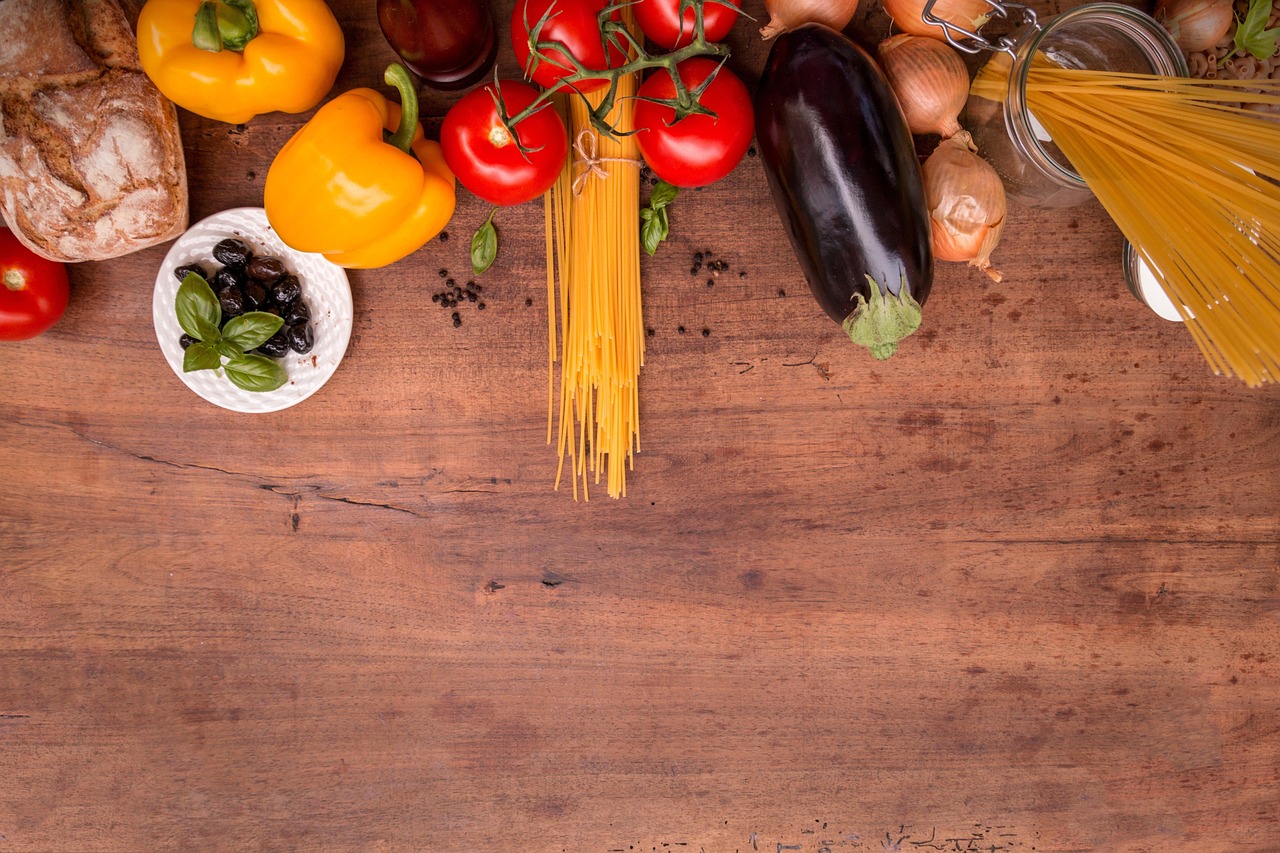
Stuffed bell peppers, zucchini boats, or eggplant halves filled with quinoa, lentils, tomatoes, and herbs create impressive presentations with balanced nutrition. These dishes work equally well for meal prep or dinner parties, proving that healthy eating never requires sacrificing culinary enjoyment.
Baking these dishes allows flavors to concentrate and meld while keeping preparation hands-off. You can assemble them in advance, then bake when needed—perfect for busy schedules.
🍓 Smart Snacking Strategies for Continuous Energy
Strategic snacking prevents excessive hunger that leads to poor food choices. Low-GI snacks maintain blood sugar stability between meals, supporting consistent energy and mood throughout your day.
Portable Snack Ideas
Raw vegetables with hummus offer crunch, satisfaction, and excellent nutrition. Carrots, celery, cucumber, and bell pepper strips paired with protein-rich hummus create a snack that actually nourishes rather than merely filling space.
Apple slices with almond butter combine fruit’s natural sweetness with protein and healthy fats. The fiber in the apple skin further lowers glycemic impact, while almond butter provides sustained energy that simple carbohydrates cannot match.
Roasted chickpeas seasoned with your favorite spices create a crunchy, satisfying snack you can make in bulk. They store well and travel easily, making them perfect for busy lifestyles.
📊 Sample Weekly Low-GI Vegetarian Meal Plan
Understanding concepts matters, but seeing practical application brings everything together. This sample week demonstrates how delicious and varied low-GI vegetarian eating can be.
| Day | Breakfast | Lunch | Dinner |
|---|---|---|---|
| Monday | Overnight oats with berries and walnuts | Quinoa Buddha bowl with roasted vegetables and tahini | Lentil bolognese over zucchini noodles |
| Tuesday | Scrambled tofu with spinach and whole grain toast | Mediterranean chickpea salad with feta | Stuffed bell peppers with brown rice and black beans |
| Wednesday | Greek yogurt parfait with chia seeds and strawberries | Minestrone soup with cannellini beans | Vegetable stir-fry with tempeh and cauliflower rice |
| Thursday | Chickpea flour pancakes with vegetables | Quinoa tabbouleh with edamame | Eggplant and chickpea curry with barley |
| Friday | Steel-cut oats with almond butter and banana | Black bean and sweet potato burrito bowl | Portobello mushroom steaks with quinoa pilaf |
💡 Advanced Techniques for Lowering Glycemic Impact
Beyond ingredient selection, several preparation and consumption strategies further optimize your meals’ glycemic response, giving you even greater control over your energy levels.
Cooling Cooked Starches
Allowing cooked rice, pasta, potatoes, and legumes to cool before eating increases their resistant starch content by up to 50%. This structural change means less glucose absorption and more benefits for gut bacteria. You can reheat cooled starches without losing these benefits—the resistant starch remains stable.
Adding Acidity
Including acidic ingredients like lemon juice, vinegar, or tomatoes with meals can reduce glycemic response by up to 30%. The acid slows stomach emptying, moderating how quickly carbohydrates enter your bloodstream. This simple addition costs nothing yet delivers measurable benefits.
Increasing Fiber Content
Every gram of fiber in a meal reduces its overall glycemic impact. Adding ground flaxseed, chia seeds, or psyllium husk to smoothies, oatmeal, or baked goods significantly improves their blood sugar effects while boosting nutritional value. Start with small amounts and increase gradually to allow your digestive system to adjust.
🏃♀️ Combining Low-GI Eating with Physical Activity
Exercise and nutrition work synergistically for optimal health outcomes. Low-GI vegetarian meal plans support athletic performance while promoting recovery and body composition improvements.
Pre-workout meals should emphasize easily digestible carbohydrates with moderate protein. A banana with almond butter or whole grain toast with avocado provides fuel without causing digestive distress. The low-GI nature of these foods ensures sustained energy throughout your workout.
Post-workout nutrition benefits from slightly higher-GI carbohydrates combined with protein to replenish glycogen stores and support muscle recovery. A smoothie with banana, berries, plant-based protein powder, and oat milk hits all the right notes. The temporary insulin spike after exercise actually helps shuttle nutrients to muscles rather than fat stores.
🎯 Overcoming Common Challenges in Low-GI Vegetarian Eating
Transitioning to low-GI vegetarian eating sometimes presents obstacles. Understanding common challenges helps you navigate them successfully rather than becoming discouraged.
Social Situations and Dining Out
Restaurant meals often emphasize refined carbohydrates and high-GI foods. Request substitutions like extra vegetables instead of white rice, or salad instead of fries. Most establishments happily accommodate such requests, especially when you’re pleasant and appreciative.
At social gatherings, eat a small low-GI snack before attending so hunger doesn’t drive poor decisions. Focus on vegetable-based options, and don’t stress about perfection—consistent good choices matter more than occasional indulgences.
Managing Initial Adjustments
Your body may need time to adapt to increased fiber and different macronutrient ratios. Start gradually, replacing one meal at a time with low-GI options rather than overhauling everything simultaneously. This approach prevents digestive discomfort while allowing your tastes and habits to adjust naturally.
Stay hydrated, as higher fiber intake requires adequate water for optimal digestion. Most people need at least eight glasses daily, more if exercising intensely or in hot weather.
🌟 Long-Term Success with Sustainable Low-GI Vegetarian Living
The ultimate goal isn’t temporary dietary adherence but developing sustainable habits that become effortless parts of your lifestyle. Low-GI vegetarian eating offers such tremendous variety and satisfaction that it naturally becomes your preferred way of eating.
Experiment with cuisines from around the world—Indian, Mediterranean, Middle Eastern, and Asian cultures offer countless low-GI vegetarian dishes perfected over centuries. This exploration keeps meals interesting while exposing you to diverse flavors and nutrients.
Track how different foods make you feel rather than obsessing over numbers. Notice your energy levels, mood, sleep quality, and satiety. This intuitive awareness becomes more valuable than any chart or table, guiding you toward foods that truly serve your body’s needs.
Connect with like-minded individuals through online communities, cooking classes, or local vegetarian groups. Sharing recipes, strategies, and encouragement makes the journey more enjoyable while providing accountability and inspiration when motivation wanes.
Remember that perfection isn’t the goal—consistent progress is. Some meals will be higher on the glycemic index, and that’s completely fine. The overall pattern of your eating matters far more than individual meals or days. Embrace flexibility and self-compassion as essential components of long-term success.
Low-GI vegetarian meal planning transforms how you experience food and energy throughout your day. By prioritizing nutrient-dense whole plant foods that stabilize blood sugar, you’ll discover sustained vitality, improved mental clarity, better weight management, and enhanced overall wellbeing. The combination of incredible flavors, complete nutrition, and lasting satisfaction makes this approach not just healthy but genuinely enjoyable—the key to making it a permanent part of your life. Start with one meal, one day, one week, and watch as these positive changes compound into transformative results that energize every aspect of your daily experience.