Living a healthier lifestyle doesn’t have to drain your wallet. Budget-friendly low-GI meal planning offers a sustainable path to better health while keeping your finances intact.

The glycemic index (GI) measures how quickly foods raise blood sugar levels, and choosing low-GI options can transform your energy levels, weight management, and overall wellbeing. The beauty of this approach lies in its accessibility—many affordable staple foods naturally fall into the low-GI category, making it easier than ever to eat well without overspending. This comprehensive guide will walk you through practical strategies, smart shopping tips, and delicious meal ideas that prove healthy eating can be both effective and economical.
🌾 Understanding the Low-GI Advantage for Your Health and Budget
The glycemic index ranks carbohydrates on a scale from 0 to 100 based on how they affect blood glucose levels. Foods with a low GI (55 or below) are digested slowly, providing steady energy and keeping you fuller longer. This isn’t just about managing diabetes—low-GI eating benefits everyone by reducing hunger pangs, improving concentration, and minimizing those mid-afternoon energy crashes that lead to expensive convenience food purchases.
When you embrace low-GI meal planning, you’re investing in preventive health care. Studies consistently show that low-GI diets help manage weight, reduce the risk of type 2 diabetes, improve heart health, and enhance athletic performance. The financial benefits extend beyond grocery savings—fewer doctor visits, reduced medication needs, and improved productivity at work all contribute to your economic wellbeing.
Why Budget-Friendly and Low-GI Work Together Perfectly
Contrary to popular belief, healthy eating doesn’t require expensive superfoods or specialty products. Many budget-friendly staples are naturally low-GI: oats, lentils, beans, sweet potatoes, and most non-starchy vegetables. These foods are nutritionally dense, meaning you get maximum health benefits for minimal cost. The key is shifting your mindset from processed convenience foods to whole food ingredients that require simple preparation.
🛒 Smart Shopping Strategies for Low-GI Foods on a Budget
Your grocery shopping habits determine both your health outcomes and your monthly food budget. Start by planning your meals before you shop—this single habit can reduce food waste by up to 30% and eliminate impulse purchases that sabotage both your budget and your health goals.
Focus your shopping on the perimeter of the store where fresh produce, proteins, and dairy are typically located. The center aisles contain more processed, higher-GI foods with inflated price tags. When you do venture into those aisles, look for bulk bins where you can purchase exactly the amount you need of items like oats, brown rice, quinoa, and dried legumes.
Seasonal Produce: Your Secret Weapon
Buying fruits and vegetables in season dramatically reduces costs while ensuring peak nutrition and flavor. Winter squash, cabbage, and root vegetables dominate in colder months, while summer brings affordable berries, zucchini, and tomatoes. Most non-starchy vegetables have a low GI, making them unlimited additions to your meals. Frozen vegetables offer excellent value and nutrition—they’re harvested at peak ripeness and flash-frozen, often containing more nutrients than “fresh” produce that’s traveled for days.
Protein Choices That Won’t Break the Bank
Protein sources significantly impact both meal satisfaction and grocery costs. While meat can be expensive, plant-based proteins like lentils, chickpeas, black beans, and split peas provide exceptional value. A pound of dried lentils costs less than a single fast-food meal yet provides 6-8 servings of high-quality protein with a low GI of around 30.
For animal proteins, eggs remain one of the most economical choices with virtually zero impact on blood sugar. Canned fish like sardines and tuna offer omega-3 fatty acids at reasonable prices. When buying chicken or ground meat, purchase larger quantities on sale and freeze in meal-sized portions.
🍳 Building Your Low-GI Meal Planning Foundation
Successful meal planning starts with understanding your household’s eating patterns and preferences. Begin by planning just 3-4 dinner recipes per week, intentionally making extra for leftovers. This approach reduces cooking time and ensures you always have healthy options available, preventing expensive takeout temptation.
Structure your meals around the low-GI plate method: half non-starchy vegetables, one-quarter lean protein, and one-quarter low-GI carbohydrates. This visual guide simplifies portion control and ensures balanced nutrition without complicated calorie counting.
Essential Low-GI Pantry Staples
Stock your pantry with versatile, shelf-stable low-GI ingredients that form the backbone of countless meals:
- Whole grains: Steel-cut oats, brown rice, quinoa, barley, and whole wheat pasta
- Legumes: Dried or canned lentils, chickpeas, black beans, kidney beans, and split peas
- Healthy fats: Olive oil, nuts, seeds, and nut butters (watch portions)
- Flavor enhancers: Garlic, onions, herbs, spices, low-sodium broth, and vinegars
- Canned goods: Tomatoes, pumpkin, fish, and sugar-free coconut milk
These ingredients have long shelf lives, reducing waste and allowing you to buy in bulk when sales occur. A well-stocked pantry means you’re always one quick trip away from a healthy, low-GI meal rather than relying on expensive takeout.
📅 Weekly Meal Planning Blueprint for Success
Designate one day weekly for meal planning and preparation. Sunday works well for many people, but choose whatever day fits your schedule. Spend 15 minutes reviewing your calendar, checking what’s already in your pantry, and selecting recipes that use overlapping ingredients to minimize costs and waste.
Create a simple meal planning template that includes breakfast, lunch, dinner, and snacks. Don’t try to plan something different for every meal—strategic repetition saves time and money. For example, overnight oats can appear three mornings with different toppings, and a large batch of lentil soup can provide multiple lunches.
Batch Cooking: Your Time and Money Multiplier
Batch cooking transforms your kitchen efficiency and ensures you always have healthy options available. Dedicate 2-3 hours on your planning day to prepare components that work across multiple meals. Cook a large pot of brown rice, roast several trays of vegetables, prepare a bean-based soup or stew, and marinate proteins for the week.
These prepared elements mix and match throughout the week, creating variety without starting from scratch daily. Monday’s roasted vegetables and grilled chicken become Tuesday’s grain bowl with different seasonings, then Wednesday’s soup addition, and finally Friday’s wrap filling.
💡 Budget-Friendly Low-GI Meal Ideas for Every Occasion
Breakfast Options That Fuel Your Morning
Starting your day with a low-GI breakfast stabilizes blood sugar and prevents mid-morning hunger that leads to poor food choices. Steel-cut oats cooked in bulk for the week cost pennies per serving and have a GI of just 42. Top with cinnamon, a tablespoon of ground flaxseed, and whatever frozen berries are on sale for added fiber and antioxidants.
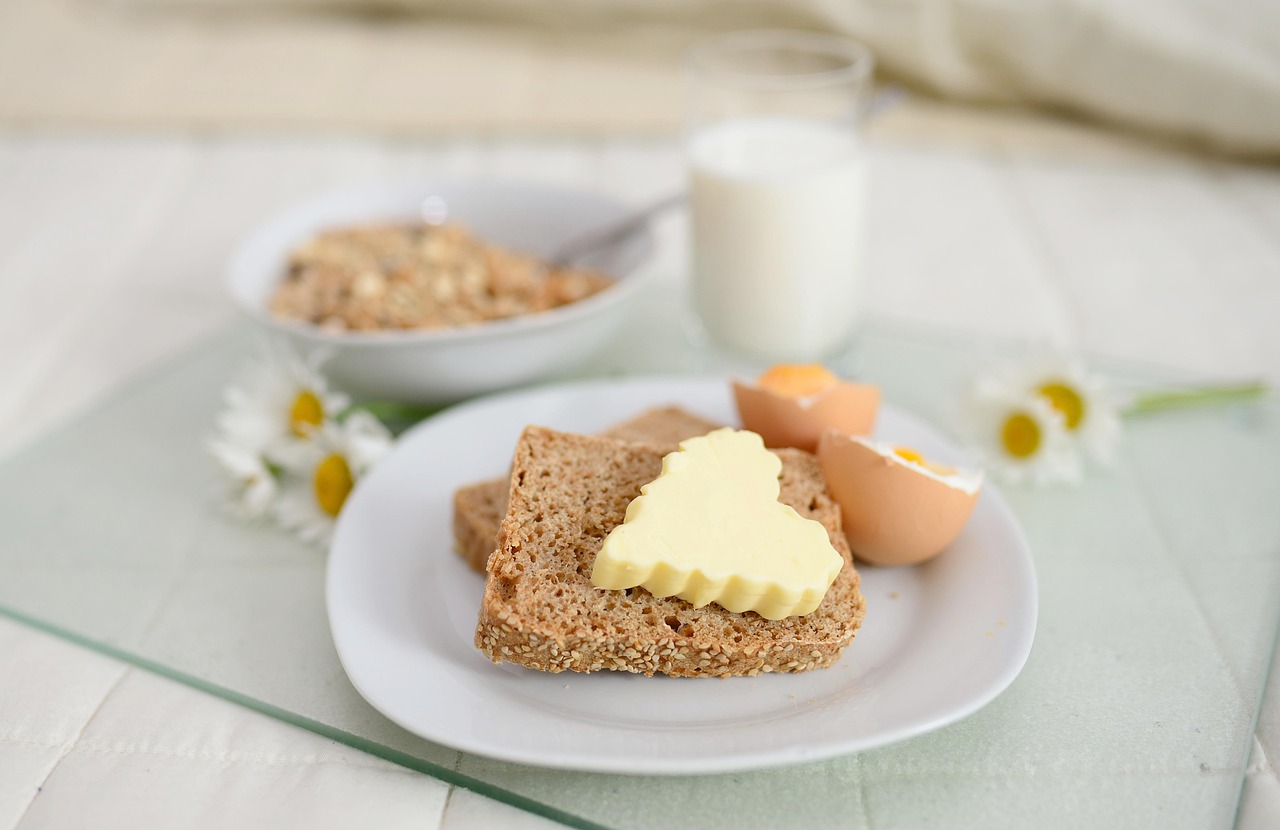
Eggs scrambled with vegetables and a slice of whole grain toast provide satisfying protein and healthy fats. Greek yogurt (choose plain to avoid added sugars) topped with nuts and a small amount of fruit offers probiotics and protein. Make-ahead egg muffins baked in a muffin tin with vegetables freeze beautifully and reheat in minutes—perfect for busy mornings.
Lunch Solutions That Travel Well
Packing lunch saves an average of $1,200-$1,800 annually compared to eating out—money that could fund a vacation or boost your emergency savings. Mason jar salads layer dressing at the bottom, sturdy vegetables in the middle, and greens on top, staying fresh for 4-5 days. Include a protein source like chickpeas, hard-boiled eggs, or leftover chicken, and a small portion of quinoa or beans for staying power.
Soup is incredibly economical and most recipes yield 6-8 servings. Lentil soup, minestrone, and vegetable bean soups are naturally low-GI and improve in flavor over several days. Pair with whole grain crackers and a piece of fruit for a complete meal that costs under $2 per serving.
Dinner Recipes That Satisfy Everyone
Budget-friendly dinners don’t mean sacrificing flavor or satisfaction. A vegetarian chili made with three types of beans, tomatoes, and spices costs approximately $8-10 and feeds a family of four with leftovers. Serve over baked sweet potato or with a small portion of brown rice for a complete low-GI meal.
Stir-fries maximize vegetables while using smaller amounts of protein, stretching your grocery dollar. Use whatever vegetables are on sale or nearing their peak in your crisper drawer. Serve over cauliflower rice or a modest portion of brown rice noodles. Season with garlic, ginger, low-sodium soy sauce, and a touch of sesame oil.
Sheet pan meals minimize cleanup while creating delicious, balanced dinners. Arrange chicken thighs or fish fillets on a baking sheet surrounded by chopped vegetables tossed in olive oil and herbs. Roast everything together at 400°F for 25-30 minutes. Add a side of quinoa or lentils prepared earlier in the week for a complete low-GI dinner.
🥗 Smart Substitutions to Lower GI and Costs
Small swaps create big impacts on both the glycemic index of your meals and your grocery bill. Replace white rice with brown rice, quinoa, or bulgur—these whole grains cost slightly more per pound but provide superior nutrition and satisfaction, meaning you need less to feel full.
Swap regular potatoes for sweet potatoes, which have a lower GI and often cost less when purchased in bulk. Use rolled oats instead of instant oatmeal packets—the bulk option costs about one-tenth the price and has a much lower GI. Replace sugary breakfast cereals with homemade granola using oats, nuts, and a small amount of honey or maple syrup.
When recipes call for expensive nuts, substitute sunflower or pumpkin seeds which provide similar healthy fats and crunch at a fraction of the cost. Use Greek yogurt in place of sour cream for added protein. Replace half the meat in recipes with lentils or mushrooms to reduce costs while maintaining texture and satisfaction.
📱 Technology Tools for Streamlined Meal Planning
Several apps can simplify your low-GI meal planning journey while helping you track spending and reduce waste. Digital meal planners allow you to save recipes, generate shopping lists organized by store section, and track what’s in your pantry to prevent duplicate purchases.
Nutrition tracking apps help you verify the GI values of foods and ensure your meals meet your health goals. Many include barcode scanners that instantly provide nutritional information, making grocery shopping more informed and efficient.
Budget tracking apps connect to your bank accounts and categorize spending, showing you exactly how much you’re investing in groceries versus restaurants. This awareness often motivates better choices and highlights opportunities for savings.
🎯 Overcoming Common Obstacles to Budget-Friendly Low-GI Eating
Time Constraints and Busy Schedules
The “I don’t have time to cook” objection is the most common barrier to healthy eating. However, many low-GI meals require minimal active cooking time. A slow cooker or Instant Pot allows you to combine ingredients in the morning and return to a ready meal. Preparing ingredients once weekly and using strategic leftovers actually saves time compared to making meal decisions daily or waiting in drive-through lines.
Family Members with Different Preferences
When household members have varying tastes, build deconstructed meals where everyone customizes their plate. Taco night with seasoned beans or lean ground meat, low-GI corn tortillas, and a toppings bar allows individual preferences while keeping the meal healthy and affordable. Create-your-own grain bowls, build-your-own salads, and customizable stir-fries work similarly.
Social Situations and Eating Out
Budget-friendly low-GI eating doesn’t mean complete social isolation. When dining out, apply the same principles: choose grilled proteins, request extra vegetables instead of fries, select whole grains when available, and watch portion sizes. Many restaurants now provide nutrition information online, allowing you to plan ahead. Suggesting potluck gatherings instead of restaurant meals with friends saves money while showcasing your delicious low-GI creations.
💰 Tracking Your Savings and Health Improvements
Monitoring both financial and health metrics provides motivation and allows course corrections. Keep a simple spreadsheet tracking your weekly grocery spending and compare it to previous months when you ate out more frequently or bought more processed foods. Most people discover they’re spending 30-40% less on food while eating more nutritiously.
On the health side, track energy levels, sleep quality, mood stability, and any relevant medical markers like blood sugar or cholesterol levels. Take progress photos and measurements if weight management is a goal. These tangible improvements reinforce your commitment when motivation wanes or challenges arise.
🌟 Building Sustainable Long-Term Habits
The goal isn’t perfection but progress toward healthier, more economical eating patterns that you can maintain indefinitely. Start with one or two changes rather than overhauling everything simultaneously. Perhaps you begin by meal planning dinners only, or by replacing your breakfast routine with a low-GI option. Once that feels natural, add another component.
Give yourself grace on difficult days. If you order takeout occasionally or eat something that doesn’t fit your plan, simply return to your healthy patterns at the next meal. Sustainable change comes from consistency over time, not from never making mistakes. The money you save on most meals allows occasional splurges without guilt or budget damage.
Create a support system by involving family members in meal planning and preparation. Children who help cook are more likely to try new foods. Partners who understand your goals can offer encouragement and accountability. Online communities focused on budget cooking or low-GI eating provide recipe ideas and motivation when you need fresh inspiration.
🔄 Adapting Your Plan Across Seasons and Life Changes
Flexibility keeps your meal planning sustainable through various life circumstances. As seasons change, adjust your ingredient choices to what’s most affordable and flavorful. Summer’s abundance of fresh produce may allow more raw salads and grilled vegetables, while winter calls for hearty soups and roasted root vegetables—all fitting within low-GI parameters.
When income fluctuates, adjust your protein sources accordingly. Stretch more expensive proteins further by combining them with beans and lentils. During more prosperous times, invest in bulk purchases of shelf-stable staples that lock in savings for months ahead. The core principles of low-GI eating remain constant while specific implementations adapt to your circumstances.

🎉 Celebrating Your Success Without Sabotaging Progress
Acknowledge milestones in your journey toward healthier, more economical eating. Perhaps you’ve successfully meal planned for a full month, reduced grocery spending by a specific percentage, or noticed significant health improvements. Celebrate these wins in ways that align with your goals—treat yourself to a new kitchen tool that supports meal prep, plan a picnic featuring your favorite low-GI dishes, or invest some of your grocery savings toward a fitness class or health-related experience.
Remember that mastering budget-friendly low-GI meal planning is a journey, not a destination. Each week provides opportunities to refine your approach, discover new recipes, and strengthen habits that support both your health and financial wellbeing. The strategies outlined here aren’t restrictive rules but rather empowering tools that give you control over what you eat, how much you spend, and ultimately, how you feel every day. With consistent practice, what once required conscious effort becomes second nature, leaving you with more energy, better health, and money in your pocket—a true win in every sense.