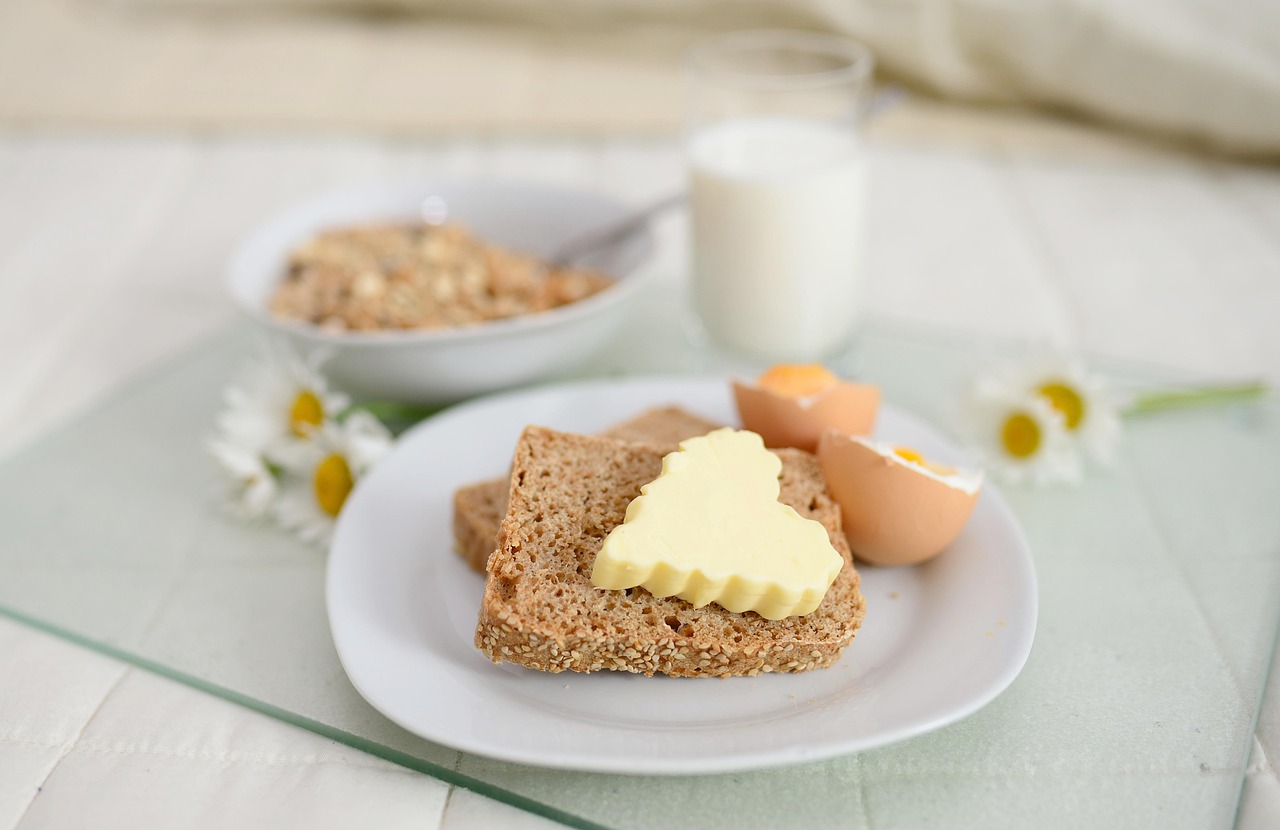
Meal prep isn’t just a trend—it’s a lifestyle shift that transforms chaos into calm. Building a well-stocked pantry for two weeks eliminates daily decision fatigue and ensures you always have nutritious options at your fingertips.

The modern kitchen can be your greatest ally in maintaining health goals without sacrificing precious time. When you master the fundamentals of strategic pantry stocking and meal preparation, you create a foundation for sustainable eating habits that support your wellness journey while reducing grocery bills and food waste.
🎯 Why a 2-Week Pantry System Changes Everything
A thoughtfully planned two-week pantry system serves as your nutritional safety net. Instead of relying on takeout during busy evenings or scrambling for ingredients mid-recipe, you’ll have a curated selection of shelf-stable staples, proteins, and fresh produce that work together seamlessly.
This approach reduces shopping trips, minimizes impulse purchases, and creates a predictable rhythm in your kitchen routine. The psychological benefit of knowing exactly what’s available eliminates the stress associated with meal planning, allowing you to focus energy on preparation rather than procurement.
The Financial Impact of Strategic Meal Prep
Households that implement structured meal prep systems report savings of 25-40% on monthly food expenses. Bulk purchasing pantry staples, reducing restaurant visits, and eliminating spoiled produce all contribute to significant financial benefits over time.
Beyond immediate cost savings, you’ll develop better awareness of actual consumption patterns, leading to more accurate purchasing decisions. This feedback loop continuously improves your pantry efficiency while reducing environmental impact through decreased food waste.
🏗️ Building Your Foundation: Essential Pantry Categories
A balanced pantry organizes ingredients into functional categories that cover all nutritional bases. Understanding these divisions helps you identify gaps and avoid redundancy when shopping.
Whole Grains and Complex Carbohydrates
Stock diverse grain options to provide sustained energy and dietary fiber. Brown rice, quinoa, steel-cut oats, whole wheat pasta, and farro offer different textures and nutritional profiles that prevent meal monotony.
Consider storage requirements for each grain type. Most remain fresh for 3-6 months in airtight containers stored in cool, dry locations. Rotating your stock ensures optimal freshness and prevents rancidity in grain oils.
Protein Powerhouses
Protein diversity is crucial for complete amino acid profiles and meal variety. Canned beans (black, kidney, chickpeas), lentils (red, green, French), canned tuna, canned salmon, and shelf-stable tofu provide quick protein additions to any meal.
For extended freshness, dried beans and lentils outlast canned versions but require soaking and longer cooking times. Balance convenience with longevity based on your typical preparation schedule and cooking habits.
Healthy Fats and Oils
Quality fats support nutrient absorption and satiety. Extra virgin olive oil for dressings and low-heat cooking, avocado oil for high-heat preparations, coconut oil for baking, and sesame oil for flavor accents cover most culinary needs.
Include nuts and seeds like almonds, walnuts, chia seeds, and flaxseeds for omega-3 fatty acids and convenient snacking options. Store nuts in refrigeration to extend shelf life beyond the typical 3-month pantry duration.
Flavor Foundations
Building flavor complexity requires strategic seasoning staples. Essential aromatics include garlic, onions, and fresh ginger, while dried herbs and spices like cumin, paprika, oregano, basil, turmeric, and cinnamon provide depth without added calories.
Condiment essentials include low-sodium soy sauce or tamari, apple cider vinegar, balsamic vinegar, Dijon mustard, and hot sauce. These ingredients transform simple preparations into restaurant-quality dishes with minimal effort.
📋 Your Complete 2-Week Pantry Shopping List
This comprehensive list covers all categories for balanced nutrition across fourteen days. Adjust quantities based on household size and individual caloric needs.
| Category | Items | Quantity (2 people) |
|---|---|---|
| Grains | Brown rice, quinoa, oats, whole wheat pasta | 2 lbs each |
| Proteins | Canned beans (3 varieties), lentils, tuna, salmon | 8-10 cans total |
| Canned Vegetables | Tomatoes (diced, crushed), tomato paste, corn | 6-8 cans |
| Oils & Fats | Olive oil, avocado oil, nuts, seeds | 1 bottle each, 1 lb nuts |
| Condiments | Soy sauce, vinegars, mustard, hot sauce | 1 bottle each |
| Spices | Cumin, paprika, turmeric, oregano, basil, garlic powder | 1 container each |
Fresh Components for Week One
Fresh produce requires strategic purchasing across two shopping trips. Week one priorities include hardy vegetables that maintain quality for 7-10 days: carrots, celery, cabbage, sweet potatoes, onions, and garlic.
For proteins, consider chicken breasts or thighs, ground turkey, and eggs. Portion and freeze half immediately to maintain freshness throughout the two-week period. This prevents spoilage while ensuring variety.
Fresh Components for Week Two
Mid-week shopping focuses on perishables that won’t last fourteen days. Leafy greens, berries, fresh herbs, additional proteins, and dairy products belong in this second shopping trip.
This split approach maximizes freshness without requiring daily grocery runs. It also provides a natural checkpoint to reassess consumption patterns and adjust upcoming purchases accordingly.
🍳 Meal Prep Strategies That Actually Work
Having ingredients available means nothing without executable preparation strategies. These techniques transform pantry items into ready-to-eat meals efficiently.
Batch Cooking Core Components
Dedicate 2-3 hours weekly to preparing foundational elements. Cook large batches of grains, roast mixed vegetables, prepare protein portions, and create versatile sauces that combine quickly into complete meals.
This component-based approach offers more flexibility than fully assembled meals. Mix and match elements throughout the week to create different flavor combinations while preventing boredom.
The Container Strategy
Invest in quality glass containers with airtight seals. Portion prepared components into individual serving sizes for grab-and-go convenience during rushed mornings or busy evenings.
Label containers with preparation dates and contents. This simple practice prevents mystery leftovers and helps track freshness windows, ensuring food safety throughout the two-week cycle.
Strategic Freezer Utilization
Your freezer extends pantry capabilities significantly. Freeze extra cooked grains, prepared sauces, portioned proteins, and even assembled meals for emergency backup options.
Flash-freeze items individually on baking sheets before transferring to containers. This prevents clumping and allows removal of single portions without thawing entire batches.
🥗 Building Balanced Meals from Your Pantry
Understanding balanced plate composition ensures nutritional completeness. The formula remains consistent: half vegetables, quarter protein, quarter complex carbohydrates, plus healthy fat.
Quick Assembly Meal Ideas
Mediterranean quinoa bowl: cooked quinoa, canned chickpeas, diced tomatoes, cucumber, olive oil, lemon juice, and oregano. Preparation time under 10 minutes using pre-cooked components.
Asian-inspired stir-fry: brown rice, mixed frozen vegetables, canned salmon or tofu, soy sauce, sesame oil, and garlic. A complete nutritious dinner ready in 15 minutes.
Mexican-style burrito bowl: black beans, brown rice, salsa (canned tomatoes with spices), frozen corn, avocado, and cilantro. Customizable and satisfying with minimal active cooking.
Breakfast Solutions
Overnight oats prepared with shelf-stable oat milk, chia seeds, nut butter, and frozen berries provide grab-and-go nutrition. Prepare five jars simultaneously for weekday convenience.
Egg-based preparations using stored vegetables and proteins offer hot breakfast options. Frittatas and scrambles incorporate pantry staples into protein-rich morning meals.
📱 Digital Tools for Meal Prep Success
Technology streamlines meal planning and pantry management significantly. Several apps help track inventory, generate shopping lists, and provide recipe inspiration based on available ingredients.
Meal planning applications with integrated grocery list features reduce mental load considerably. These tools learn your preferences over time, suggesting recipes that align with dietary goals and available pantry items.
Inventory management apps prevent duplicate purchases and highlight ingredients nearing expiration. Scanning barcodes during pantry organization creates digital records that sync across household members.
🔄 Maintaining Your System Long-Term
Initial enthusiasm fades without sustainable systems. Build habits that maintain pantry organization and meal prep momentum beyond the first few weeks.
Weekly Audit Routine
Schedule 15 minutes weekly to assess pantry status. Note depleted items, identify approaching expiration dates, and plan the upcoming week’s menu based on what needs consumption first.
This regular checkpoint prevents both food waste and last-minute shopping panic. It also provides opportunity to evaluate what’s working and adjust purchasing patterns accordingly.
Rotation and Organization
Implement first-in-first-out rotation for all pantry items. Place new purchases behind existing stock, ensuring older items get used before losing quality.
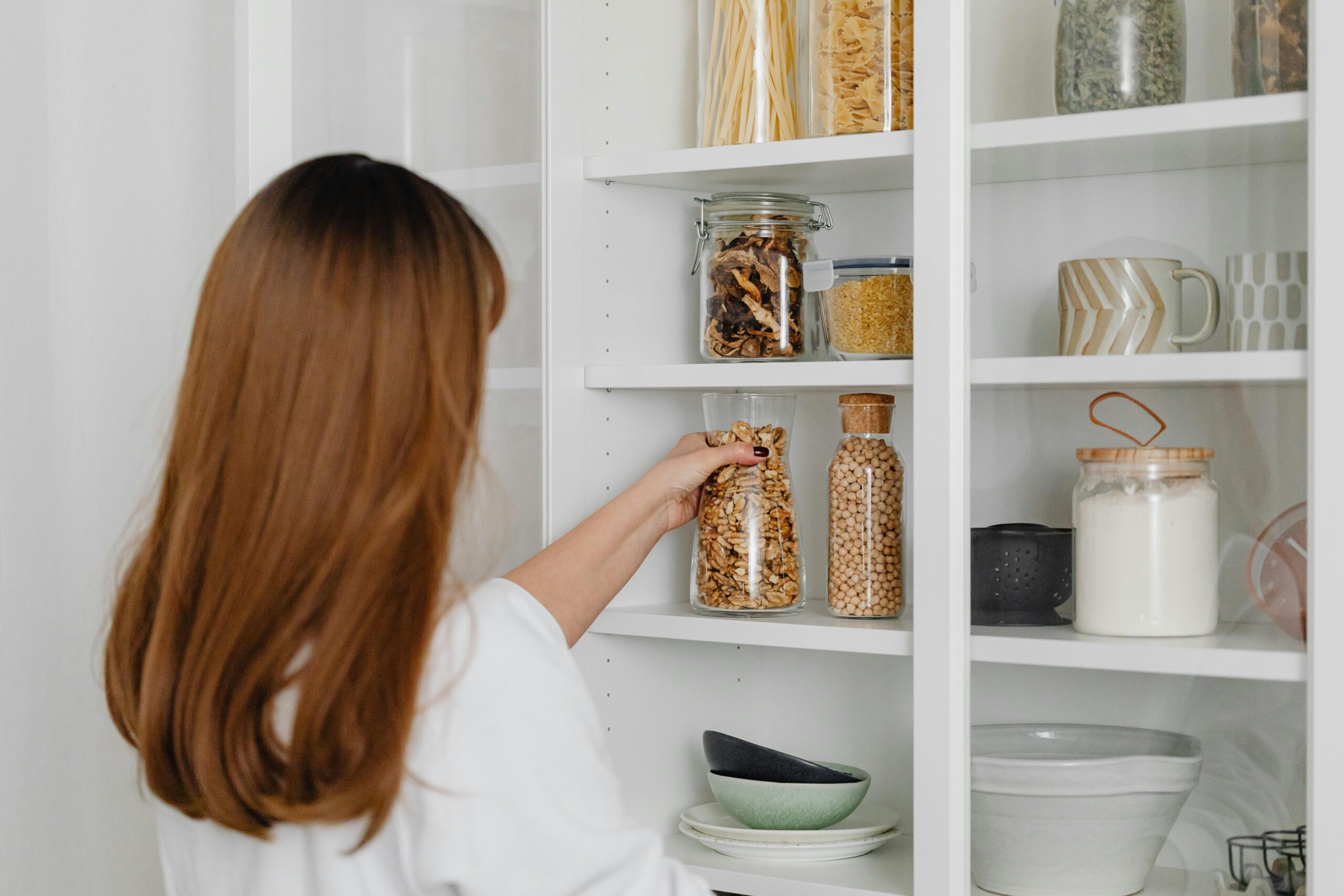
Group similar items together with clear visibility. Transparent containers, shelf labels, and consistent placement patterns reduce search time and prevent forgotten ingredients from expiring unnoticed.
Flexibility Within Structure
Rigid meal plans often fail when unexpected schedule changes occur. Build flexibility by maintaining diverse ingredient options rather than prescriptive day-by-day menus.
This approach allows spontaneous adjustments while maintaining nutritional balance. If Monday’s planned meal doesn’t appeal, substitute another protein-grain-vegetable combination using available pantry components.
💡 Common Pitfalls and Solutions
Even well-planned systems encounter challenges. Recognizing common obstacles helps develop proactive solutions before problems derail progress.
The Variety Trap
Purchasing too many different ingredients creates decision paralysis and increases waste. Focus on versatile staples that combine multiple ways rather than single-use specialty items.
Limit recipe experimentation to one or two new dishes per week. This maintains interest without overwhelming your system or leaving unusual ingredients unused.
Overestimating Consumption
Initial enthusiasm often leads to purchasing quantities that exceed actual consumption. Start conservatively with a smaller two-week pantry, then scale up as you understand realistic usage patterns.
Track what gets eaten completely versus what languishes unused. This data informs future purchasing decisions and prevents both shortages and excess.
Neglecting Taste Preferences
Nutritionally complete meals that don’t taste good won’t get eaten. Prioritize foods you genuinely enjoy while meeting nutritional requirements.
Experiment with seasonings and preparation methods to make healthy ingredients more appealing. Sometimes the difference between success and failure is simply adding the right herbs or cooking technique.
🌟 Elevating Your Meal Prep Game
Once basic systems function smoothly, consider advanced strategies that further optimize nutrition, variety, and efficiency.
Theme-Based Preparation
Organize weeks around cuisine themes—Mediterranean, Asian, Mexican—to streamline shopping and preparation. This focused approach simplifies seasoning selection while providing cohesive flavor profiles.
Theme weeks also make ingredient usage more efficient. Instead of small amounts of multiple condiments, you’ll fully utilize region-specific items before rotating to different flavors.
Seasonal Adaptation
Adjust your pantry based on seasonal produce availability and temperature preferences. Summer might emphasize cold grain salads while winter focuses on warming stews and soups.
Seasonal eating typically reduces costs as you’re purchasing peak-season produce. It also provides natural variety throughout the year, preventing the monotony that undermines long-term adherence.
🎉 Celebrating Your Meal Prep Success
Mastering a two-week pantry system represents significant personal investment in health and wellness. The skills developed through consistent meal preparation extend far beyond the kitchen, building discipline and planning capabilities applicable across life domains.
Each successful cycle reinforces positive habits while demonstrating tangible benefits: improved energy levels, better nutrition, financial savings, and reduced stress. These outcomes compound over time, transforming meal prep from obligatory task into empowering ritual.
Your balanced pantry isn’t just about food—it’s about reclaiming control over a fundamental aspect of daily life. By investing time upfront in planning and preparation, you’ve created space for what truly matters. The structured approach removes decision fatigue while preserving flexibility, proving that healthy eating doesn’t require perfection, just consistent, thoughtful action.
Start small, remain consistent, and watch how this foundation transforms not just your meals, but your entire relationship with food and self-care.