Your gut health is the foundation of overall wellness, and the key to nourishing it lies in simple, affordable pantry staples. Shelf-stable fibers from beans, lentils, and grains offer an incredible opportunity to transform your digestive system while building a resilient food supply that lasts for months.

In today’s fast-paced world, maintaining optimal gut health doesn’t require expensive supplements or complicated routines. The answer has been sitting in pantries for generations: fiber-rich legumes and whole grains that provide sustained nutrition, support beneficial bacteria, and keep you feeling satisfied. These powerhouse foods combine convenience, affordability, and exceptional health benefits in one simple package.
🌾 Why Shelf-Stable Fibers Are Your Gut’s Best Friend
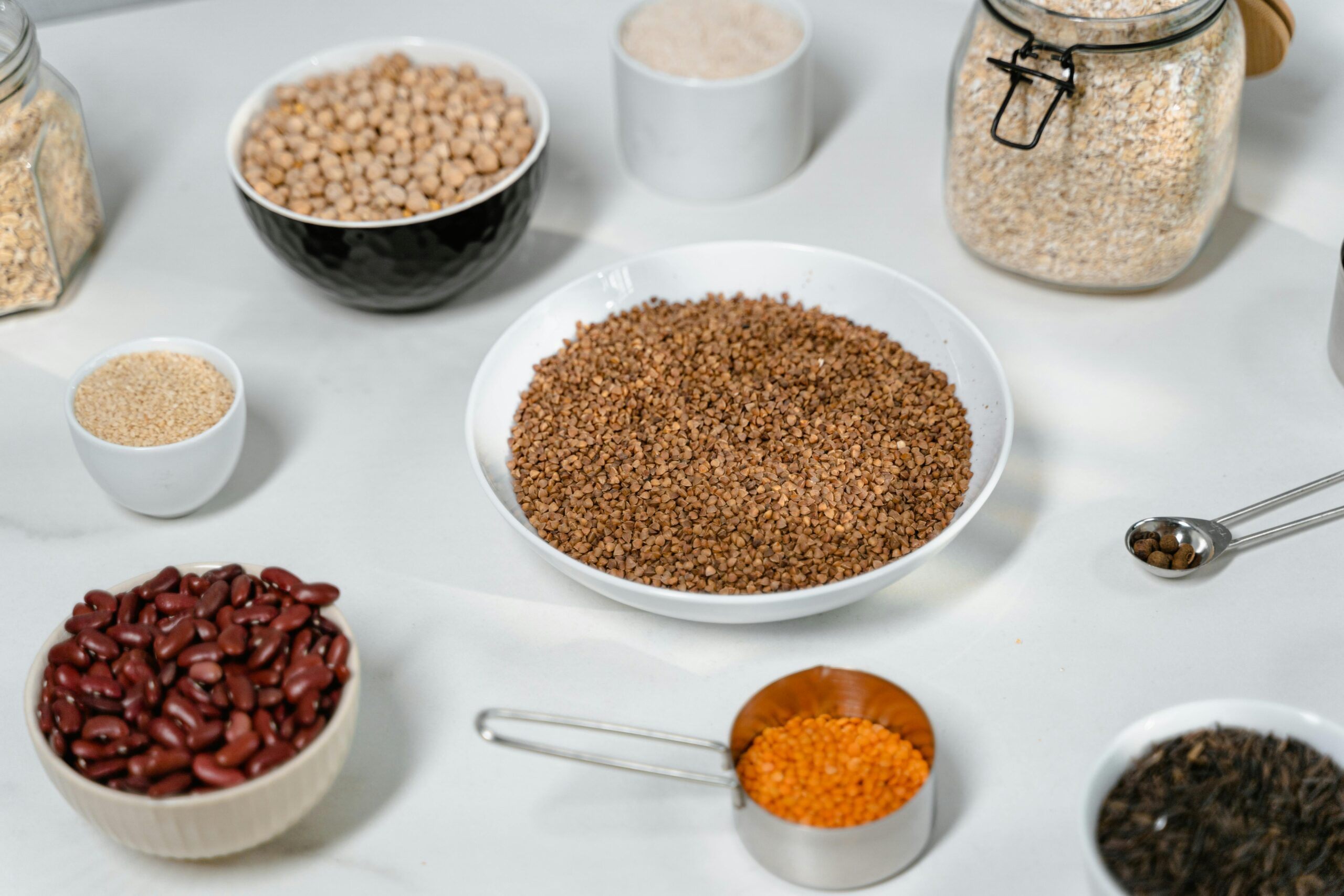
The human digestive system thrives on dietary fiber, yet most people consume less than half the recommended daily amount. Shelf-stable options like beans, lentils, and whole grains provide both soluble and insoluble fiber that work synergistically to create a healthy gut environment. Unlike fresh produce that spoils quickly, these pantry essentials maintain their nutritional integrity for extended periods.
Soluble fiber dissolves in water to form a gel-like substance that slows digestion, helps regulate blood sugar levels, and feeds beneficial gut bacteria. Insoluble fiber adds bulk to stool and promotes regular bowel movements, preventing constipation and supporting colon health. Together, these fiber types create the perfect environment for your microbiome to flourish.
The beauty of shelf-stable fibers extends beyond nutrition. They require no refrigeration, have minimal food waste, and offer incredible versatility in meal preparation. A well-stocked pantry with these items ensures you’re never more than 30 minutes away from a gut-healthy meal, regardless of grocery shopping schedules or fresh food availability.
🫘 Beans: The Prebiotic Powerhouses
Beans stand as nutritional giants in the plant kingdom, delivering impressive amounts of fiber alongside protein, vitamins, and minerals. A single cup of cooked beans typically provides 12-15 grams of dietary fiber—approximately half the daily recommendation for most adults. This fiber content makes beans one of the most efficient foods for supporting digestive health.
Black Beans: The Antioxidant Champions
Black beans contain anthocyanins, the same antioxidant compounds found in berries, giving them their distinctive dark color. These beans provide approximately 15 grams of fiber per cooked cup and support gut health through their resistant starch content, which acts as food for beneficial bacteria. Their slightly sweet, earthy flavor makes them ideal for both Latin American dishes and creative fusion recipes.
Chickpeas: The Versatile Protein-Fiber Combo
Also known as garbanzo beans, chickpeas deliver 12.5 grams of fiber per cooked cup along with substantial protein content. Their unique composition includes both soluble and insoluble fiber in balanced proportions, making them particularly effective for digestive regularity. Chickpeas’ neutral flavor profile allows them to adapt to countless cuisines, from Middle Eastern hummus to Indian curries and Mediterranean salads.
Kidney Beans: The Heart-Healthy Option
Kidney beans provide robust fiber content at approximately 13 grams per cooked cup, with particular benefits for cholesterol management. Their dense texture holds up well in long-cooking preparations like chili, stews, and casseroles. The resistant starch in kidney beans ferments in the colon, producing short-chain fatty acids that nourish intestinal cells and reduce inflammation.
Navy Beans: The Gentle Digestive Aid
Small but mighty, navy beans offer 19 grams of fiber per cooked cup—one of the highest fiber contents among common beans. Despite this impressive amount, many people find navy beans easier to digest than larger bean varieties. Their mild flavor and creamy texture make them perfect for soups, baked beans, and white bean dips.
🥄 Lentils: The Quick-Cooking Fiber Source
Lentils distinguish themselves from other legumes through their remarkably short cooking time—most varieties are ready in 20-30 minutes without pre-soaking. This convenience factor, combined with exceptional nutritional density, makes lentils an ideal choice for busy individuals seeking gut health benefits without extensive meal preparation.
With approximately 16 grams of fiber per cooked cup, lentils deliver more fiber than most bean varieties while requiring significantly less cooking time. They’re also rich in polyphenols, plant compounds with anti-inflammatory and antioxidant properties that support overall gut health and may reduce the risk of chronic diseases.
Green and Brown Lentils: The Hearty Workhorses
These common lentil varieties maintain their shape well during cooking, making them perfect for salads, side dishes, and dishes where distinct texture is desired. Their mild, slightly peppery flavor complements a wide range of seasonings and cuisines. Green and brown lentils contain resistant starch that feeds beneficial gut bacteria, promoting a diverse and healthy microbiome.
Red and Yellow Lentils: The Creamy Comfort Choice
These split lentils cook even faster than their whole counterparts—often in just 15-20 minutes—and break down into a creamy consistency. This characteristic makes them ideal for Indian dal, thick soups, and pureed dishes. Despite their softer texture, they maintain the same impressive fiber content and provide easily digestible nutrition for sensitive digestive systems.
Black Beluga Lentils: The Gourmet Option
Small, shiny, and caviar-like in appearance, black beluga lentils hold their shape exceptionally well and offer a rich, earthy flavor. They contain the same beneficial fiber and nutrients as other lentil varieties while providing visual appeal and sophisticated texture to dishes. Their high anthocyanin content adds extra antioxidant benefits.
🌾 Whole Grains: The Foundation of Gut-Friendly Eating
Whole grains retain all three parts of the grain kernel—the bran, germ, and endosperm—preserving their complete fiber content and nutrient profile. This stands in stark contrast to refined grains, which strip away the fiber-rich bran and nutrient-dense germ, leaving only the starchy endosperm. For gut health purposes, whole grains offer incomparably superior benefits.
Oats: The Cholesterol-Fighting Fiber
Oats contain beta-glucan, a particularly powerful form of soluble fiber that forms a gel in your digestive tract, slowing nutrient absorption and feeding beneficial bacteria. One cup of cooked oatmeal provides about 4 grams of fiber, with steel-cut oats offering slightly more due to less processing. The prebiotic properties of oat fiber specifically support Bifidobacteria and Lactobacilli, beneficial bacterial strains associated with improved immunity and reduced inflammation.
Brown Rice: The Gluten-Free Staple
While brown rice contains less fiber than many other whole grains (approximately 3.5 grams per cooked cup), its gentle nature makes it an excellent choice for those with sensitive digestive systems. The bran layer provides both fiber and important nutrients like magnesium and selenium. Brown rice’s resistant starch content increases when cooled after cooking, creating even more food for beneficial gut bacteria.
Quinoa: The Complete Protein Grain
Technically a seed but used as a grain, quinoa provides 5 grams of fiber per cooked cup along with all nine essential amino acids. This makes it particularly valuable for plant-based eaters seeking complete nutrition. Quinoa’s fiber includes both soluble and insoluble types, supporting comprehensive digestive health. Its quick cooking time (about 15 minutes) rivals lentils for convenience.
Barley: The Beta-Glucan Superstar
Pearl barley offers 6 grams of fiber per cooked cup, while hulled barley provides even more. Like oats, barley contains significant amounts of beta-glucan fiber, making it exceptional for cholesterol management and blood sugar control. The viscous fiber in barley slows digestion, creating sustained energy release and prolonged feelings of fullness while feeding beneficial gut bacteria.
Bulgur: The Middle Eastern Time-Saver
This partially pre-cooked wheat product requires minimal preparation—often just soaking in hot water—while delivering 8 grams of fiber per cooked cup. Bulgur’s convenience factor makes it ideal for quick grain bowls, salads like tabbouleh, and side dishes. Its nutty flavor and fluffy texture appeal to even picky eaters while providing substantial prebiotic fiber.
💪 Building a Gut-Healthy Pantry Strategy
Creating a resilient, health-supporting pantry requires strategic selection and proper storage. The goal is maintaining variety while ensuring you always have gut-friendly options available. A well-planned approach eliminates decision fatigue and makes healthy eating the path of least resistance.
Start by selecting at least three bean varieties, two lentil types, and three whole grains that your household enjoys. This diversity ensures nutritional variety while preventing meal monotony. Rotate through your inventory regularly, using older items first and replenishing as needed to maintain freshness without waste.
Storage Guidelines for Maximum Longevity
Dried beans, lentils, and whole grains store best in airtight containers kept in cool, dark, dry locations. Glass jars, food-grade plastic containers with tight lids, or vacuum-sealed bags all work excellently. Properly stored dried legumes remain safe to eat indefinitely, though quality gradually declines after 2-3 years. Whole grains contain more oils than refined varieties, giving them a shorter shelf life of 6-12 months at room temperature or up to 2 years when refrigerated or frozen.
Label containers with purchase or packaging dates to track freshness. Consider storing smaller amounts in your main pantry for regular use while keeping larger reserves in cooler locations like basements or garages. This rotation system ensures you’re always cooking with reasonably fresh ingredients while maintaining emergency reserves.
🍲 Maximizing Digestive Benefits Through Preparation
How you prepare shelf-stable fibers significantly impacts their digestibility and gut health benefits. Proper techniques reduce compounds that can cause digestive discomfort while enhancing nutrient availability and beneficial fiber effects.
Soaking: The Digestibility Enhancer
Soaking beans overnight in water with a pinch of baking soda reduces oligosaccharides—complex sugars that cause gas and bloating. This simple step decreases cooking time while improving texture and digestibility. Discard soaking water and rinse beans thoroughly before cooking to remove released compounds. While lentils don’t require soaking, a 1-2 hour soak can still improve digestibility for sensitive individuals.
Cooking Methods That Preserve Nutrients
Gentle simmering preserves more nutrients than vigorous boiling. Adding kombu seaweed to cooking water enhances digestibility and provides additional minerals. Pressure cooking dramatically reduces preparation time while maintaining nutritional value and may even improve protein digestibility. Slow cookers offer convenient, hands-off preparation that yields tender results perfect for meal planning.
Gradual Introduction for Optimal Tolerance
If you’re new to high-fiber eating, introduce these foods gradually to allow your digestive system to adapt. Start with smaller portions of well-cooked, easily digestible options like red lentils or well-mashed beans. Increase quantities slowly over 2-3 weeks as your gut bacteria adjust to the increased fiber intake. This approach minimizes discomfort while building a healthier, more diverse microbiome.
🥗 Creative Combinations for Maximum Benefits
Combining different fiber sources creates complementary effects that enhance overall gut health benefits. Strategic pairing also improves protein quality and nutritional completeness while keeping meals interesting and flavorful.
The classic rice and beans combination provides complete protein by joining complementary amino acid profiles. Adding vegetables introduces additional fiber types and phytonutrients that support gut health through different mechanisms. Grain bowls featuring quinoa or bulgur topped with seasoned lentils and roasted vegetables offer comprehensive nutrition in one satisfying meal.
Experiment with international cuisines that naturally feature these ingredients: Indian dal with brown rice, Middle Eastern mjadra combining lentils and bulgur, Latin American beans with quinoa, or Mediterranean chickpea and barley stews. These traditional combinations have sustained populations for centuries while providing exceptional gut health support.
📊 Understanding Fiber Targets and Benefits
Health authorities recommend 25-38 grams of fiber daily for adults, yet average consumption hovers around just 15 grams. This significant gap contributes to widespread digestive issues, weight management challenges, and increased chronic disease risk. Incorporating shelf-stable beans, lentils, and grains makes meeting fiber recommendations surprisingly achievable.
A single meal featuring one cup of cooked lentils (16g fiber), one cup of cooked quinoa (5g fiber), and a cup of vegetables (3-4g fiber) provides approximately 24-25 grams—nearly the entire daily recommendation. Spreading similar fiber-rich foods across three meals easily exceeds targets while providing sustained energy, stable blood sugar, and optimal digestive function.
Beyond Fiber: The Micronutrient Advantage
These shelf-stable foods deliver far more than just fiber. They’re rich sources of B vitamins essential for energy metabolism, iron for oxygen transport, magnesium for hundreds of enzymatic reactions, zinc for immune function, and potassium for cardiovascular health. The combination of fiber with these micronutrients creates synergistic effects that support whole-body wellness beyond digestive health alone.
🌟 Sustainability and Economic Benefits
Choosing shelf-stable plant proteins over animal products significantly reduces environmental impact. Beans, lentils, and grains require far less water, land, and energy to produce while generating minimal greenhouse gas emissions. This makes gut-healthy eating an environmentally responsible choice that supports both personal and planetary health.
From a financial perspective, these foods offer unmatched value. Dried beans and lentils cost a fraction of meat prices per serving while providing comparable or superior protein. Buying in bulk reduces costs further while minimizing packaging waste. A well-stocked pantry of these essentials provides food security and budget stability regardless of economic fluctuations or food supply disruptions.
🎯 Practical Implementation for Lasting Success
Knowledge means nothing without implementation. Creating sustainable habits around these gut-healthy foods ensures long-term benefits rather than short-lived enthusiasm. Simple systems and realistic expectations transform good intentions into consistent results.
Batch cooking is your greatest ally. Prepare large quantities of beans, lentils, or grains during less busy periods, then portion and freeze for quick meal assembly later. Cooked legumes and grains freeze beautifully for 3-6 months, giving you instant access to gut-healthy ingredients without repetitive preparation.
Keep recipes simple, especially when starting. A perfectly seasoned pot of lentils with garlic and herbs needs no elaborate presentation to provide exceptional nutrition. As comfort grows, experiment with more complex preparations, but never let perfect become the enemy of good. Consistency matters far more than culinary sophistication for gut health outcomes.
🔬 The Science Behind Gut Health Transformation
Research consistently demonstrates that dietary fiber intake directly correlates with microbiome diversity—a key marker of gut health. Higher bacterial diversity associates with better immune function, improved mental health, easier weight management, and reduced chronic disease risk. The prebiotic fibers in beans, lentils, and whole grains selectively feed beneficial bacteria while crowding out potentially harmful species.
Short-chain fatty acids produced when gut bacteria ferment fiber provide energy to colon cells, reduce inflammation throughout the body, and may even influence brain function through the gut-brain axis. Butyrate, one of these fatty acids, has shown particular promise in protecting against colon cancer and inflammatory bowel conditions. Every fiber-rich meal contributes to this protective effect.
The resistant starch found abundantly in cooled beans, lentils, and grains acts as a particularly powerful prebiotic. Unlike regular starch that digests in the small intestine, resistant starch reaches the colon intact where it feeds beneficial bacteria. Interestingly, cooking and then cooling these foods increases their resistant starch content, making leftover grain and bean salads exceptionally beneficial for gut health.
🌈 Your Path to Lasting Gut Health
Transforming your gut health doesn’t require expensive supplements, complicated protocols, or restrictive elimination diets. The answer lies in returning to simple, whole foods that humans have relied upon for millennia. Beans, lentils, and whole grains offer everything your digestive system needs to thrive: abundant fiber, resistant starch, essential nutrients, and protective plant compounds.
Building a pantry stocked with these shelf-stable staples creates a foundation for consistent, sustainable healthy eating. You’ll always have nutritious options available, regardless of schedule chaos, budget fluctuations, or unexpected disruptions. This food security reduces stress while supporting the consistent fiber intake that gut health demands.
Start today by adding just one or two new varieties to your pantry. Experiment with a simple lentil soup or a basic bean and rice bowl. Pay attention to how your body responds over days and weeks. Most people notice improved digestive regularity, sustained energy, better appetite control, and enhanced overall wellbeing within 2-4 weeks of increasing fiber intake from these sources.
Your gut microbiome is remarkably responsive to dietary changes. Every fiber-rich meal shifts the balance toward beneficial bacteria and improved function. The small investment in dried beans, lentils, and whole grains yields extraordinary returns in health, vitality, and longevity. Your gut—and your entire body—will thank you for making these simple, powerful foods the foundation of your nutritional strategy.