Transforming ordinary meals into extraordinary culinary experiences doesn’t require expensive ingredients or Michelin-star techniques. The secret lies in mastering the art of seasoning with affordable spice kits that bring restaurant-quality flavors to your home kitchen.

In today’s economy, stretching your food budget while maintaining delicious, satisfying meals can feel like a challenging balancing act. Many home cooks believe that flavorful cooking requires expensive specialty ingredients or exotic components from gourmet markets. However, the reality is quite different. Strategic use of spices and well-curated spice blends can elevate even the most basic ingredients into memorable dishes that rival anything you’d find at upscale restaurants. The beauty of cooking with spices is that a little goes a long way, making them one of the most cost-effective investments in your kitchen arsenal.
🌶️ Why Spice Kits Are Your Budget-Friendly Secret Weapon
Spice kits offer remarkable value for budget-conscious cooks who want variety without breaking the bank. Rather than purchasing individual jars of specialty spices that might sit unused in your pantry, curated spice kits provide precisely measured amounts of complementary seasonings designed to work together harmoniously.
The economics are compelling: individual specialty spices can cost anywhere from $5 to $15 per jar at grocery stores, with many recipes calling for multiple varieties. A well-designed spice kit typically costs between $10 and $25 but includes all the seasonings needed for multiple meals. This means you’re getting diverse flavors at a fraction of what you’d spend building the same collection piece by piece.
Beyond the financial savings, spice kits eliminate the guesswork from seasoning. They’re formulated by culinary experts who understand which flavors complement each other, saving you from expensive trial-and-error experiments. For beginners and experienced cooks alike, these pre-measured blends take the intimidation out of cooking with unfamiliar ingredients.
Essential Spice Kit Categories for Maximum Versatility
Understanding which types of spice kits offer the most versatility helps maximize your investment. Different kits serve different purposes, and having a strategic selection ensures you’re prepared for various cooking styles and cuisines.
Global Cuisine Spice Kits
These kits transport your taste buds around the world without the airfare. Mexican spice kits typically include cumin, chili powder, oregano, and paprika—perfect for tacos, enchiladas, and bean dishes. Indian spice collections feature turmeric, garam masala, curry powder, and coriander, transforming simple chicken, vegetables, or lentils into aromatic curries that taste like they came from a Mumbai street vendor.
Mediterranean kits often contain oregano, basil, thyme, and garlic powder, bringing the sunny flavors of Greece and Italy to pasta dishes, roasted vegetables, and grilled proteins. Asian-inspired collections might include ginger, star anise, five-spice powder, and Szechuan peppercorns for creating authentic stir-fries and noodle dishes.
Protein-Specific Seasoning Collections
These specialized kits are designed to enhance specific proteins. Poultry blends typically feature sage, thyme, rosemary, and garlic—seasonings that naturally complement chicken and turkey. Seafood kits include lighter spices like dill, lemon pepper, old bay seasoning, and parsley that enhance rather than overpower delicate fish flavors.
Beef and pork collections lean toward bolder flavors: black pepper, mustard seed, coriander, and smoky paprika create the perfect crust for roasts and steaks. Even budget cuts of meat become tender and flavorful when properly seasoned and cooked with these targeted blends.
Cooking Method-Based Kits
Some kits organize around cooking techniques rather than cuisines. Grilling and BBQ kits combine smoky, sweet, and spicy elements perfect for outdoor cooking. Slow cooker spice collections are formulated to maintain their potency during long cooking times, ensuring your stews and braises have depth of flavor.
Baking spice sets aren’t just for desserts—cinnamon, nutmeg, cardamom, and cloves can add unexpected warmth to savory dishes like Moroccan tagines or spiced roasted vegetables. These versatile spices work double duty, making them especially valuable for budget cooking.
Stretching Your Spice Kit Investment Further
Purchasing affordable spice kits is just the beginning; knowing how to use them efficiently multiplies their value exponentially. Smart storage and application techniques ensure you get maximum flavor and longevity from every blend.
Proper Storage Extends Shelf Life
Spices lose potency over time, especially when exposed to light, heat, and moisture. Store your spice kits in airtight containers away from your stove and out of direct sunlight. A cool, dark pantry or cabinet keeps spices fresh for 1-2 years, while ground spices stored improperly may lose significant flavor within months.
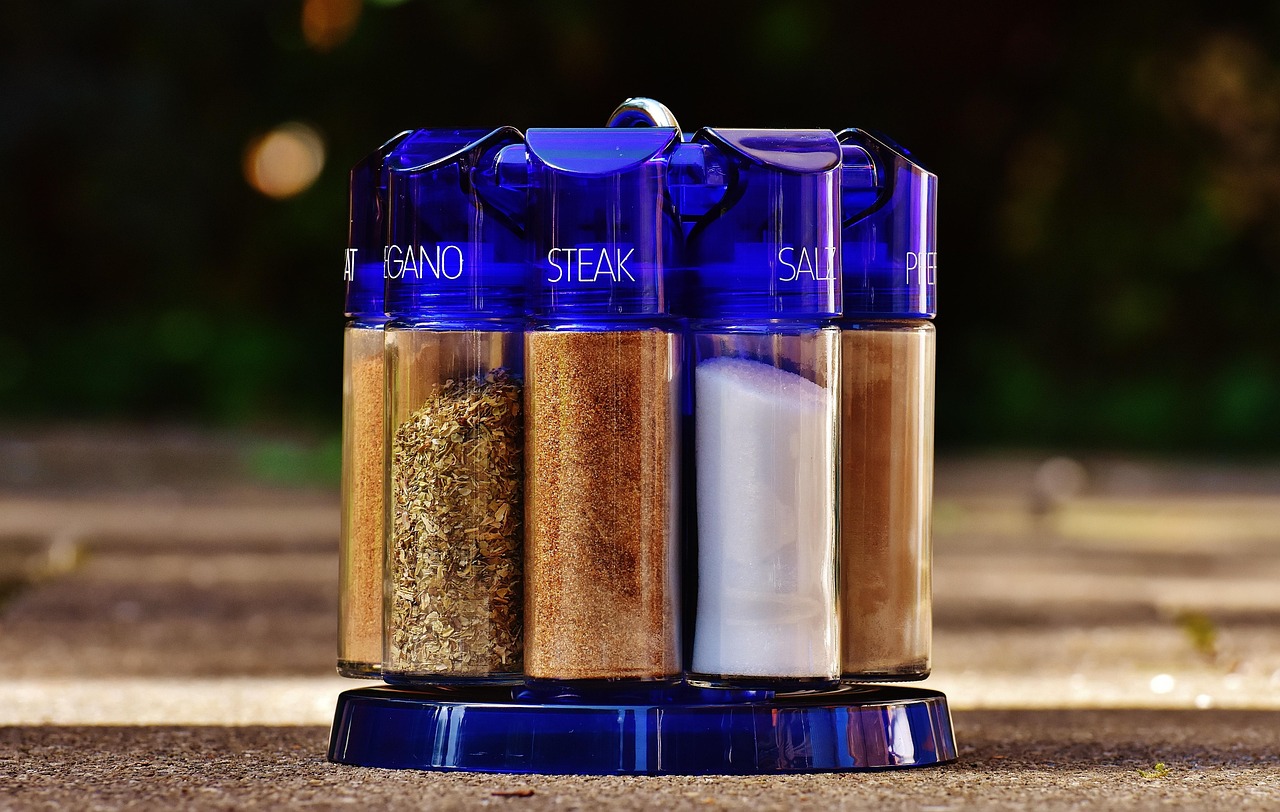
Consider transferring spices from their original packaging into small mason jars with tight-fitting lids. Label each jar with the spice name and purchase date. This organization system prevents waste and helps you rotate stock, using older spices first before they lose their punch.
Toast Before Using for Intensified Flavor
One professional chef secret transforms even budget spice kits into premium seasonings: toasting. Heat a dry skillet over medium heat and add whole or ground spices for 30-60 seconds, stirring constantly until fragrant. This simple technique awakens the essential oils in spices, intensifying their flavor dramatically.
Toasted spices mean you can use less to achieve the same impact, making your spice kits last longer. The difference in taste is remarkable—your kitchen will smell like a high-end restaurant, and your dishes will have depth that seems far more expensive than their actual cost.
Budget-Friendly Recipes That Showcase Spice Kit Magic ✨
Theory is valuable, but practical application demonstrates how spice kits transform inexpensive ingredients into restaurant-quality meals. These recipe ideas work with common spice kit varieties and budget proteins and vegetables.
Transforming Rice and Beans
Rice and beans represent one of the most economical meal foundations, yet they’re often dismissed as bland. A Mexican spice kit changes everything. Sauté onions and garlic, add rice, toast briefly, then add water or broth with a tablespoon of your spice blend. The rice becomes savory and aromatic rather than neutral.
For the beans, simmer canned black or pinto beans with tomatoes, a teaspoon of cumin, chili powder, and oregano from your kit. The result is a complete protein meal costing less than $3 per serving that tastes like it came from a beloved local taqueria. Top with cheese, sour cream, or avocado if budget allows, but the spices provide so much flavor that even plain versions satisfy.
Elevating Chicken Thighs
Chicken thighs cost significantly less per pound than breasts but contain more flavor. They’re also more forgiving during cooking, staying moist even if slightly overcooked. A Mediterranean spice kit turns these budget-friendly cuts into weeknight magic.
Rub bone-in, skin-on thighs with olive oil and a generous coating of oregano, garlic powder, lemon pepper, and basil from your kit. Roast at 425°F for 35-40 minutes until the skin crisps and the meat reaches 165°F internally. The combination of rendered fat and Mediterranean spices creates a dish that tastes indulgent while costing approximately $1.50 per serving.
Vegetable Stir-Fry Revolution
Frozen vegetable medleys offer excellent nutrition at rock-bottom prices, but they need flavor assistance. An Asian spice kit provides that transformation. Heat oil in a wok or large skillet until shimmering, add frozen vegetables directly (no thawing necessary), and season with ginger, garlic powder, and five-spice powder.
The high heat creates caramelization on the vegetables while the spices perfume every bite. Add soy sauce, a splash of vinegar, and a pinch of sugar to create a simple sauce. Serve over rice for a complete meal under $2 per person that rivals takeout quality without the premium price tag.
Building Your Spice Kit Collection Strategically 🎯
Rather than purchasing every spice kit available, strategic acquisition ensures you build a collection suited to your cooking style and family preferences while staying within budget.
Start With Versatile Basics
Your first spice kit should be maximally versatile. An all-purpose seasoning blend or Italian herb collection works across proteins, grains, and vegetables. These foundational kits establish your baseline capability before you specialize.
After mastering one kit, add collections that align with dishes your family already enjoys. If taco night is a weekly tradition, a Mexican spice kit becomes immediately useful. If you frequently make pasta, Mediterranean seasonings provide consistent value. This approach ensures every kit purchase receives regular use rather than languishing in your pantry.
Subscription Services vs. One-Time Purchases
Some companies offer spice kit subscriptions that deliver new blends monthly or quarterly. These services introduce you to global flavors and include recipe cards, making them excellent for adventurous cooks who want culinary education alongside seasonings. However, subscriptions require ongoing commitment and may deliver spices faster than you can use them.
One-time purchases from retailers or online marketplaces offer more control. You select exactly which kits you need when you need them. Many brands sell sampler packs containing 4-6 mini spice blends, allowing you to test various options before committing to full-size versions. This testing approach prevents expensive mistakes and helps identify your favorites.
DIY Spice Kit Creation for Ultimate Budget Control
The most economical approach involves creating your own spice kits using bulk spices from warehouse stores, international markets, or online suppliers. This DIY method requires more upfront effort but delivers exceptional value for frequent cooks.
Bulk Buying Basics
Stores like Costco, ethnic grocery stores, and online spice merchants sell common spices in large quantities at dramatically reduced per-ounce prices. Buying a one-pound bag of cumin costs only slightly more than a tiny grocery store jar containing one ounce, making the per-use cost negligible.
Share bulk purchases with friends or family to divide costs without having excessive quantities. Four households splitting a bulk spice order each receive variety and freshness at wholesale prices. Create a spice-buying cooperative within your community or social circle for ongoing savings.
Creating Custom Blends
With basic spices in your pantry, creating signature blends becomes simple. Mexican seasoning typically follows this ratio: 4 parts chili powder, 2 parts cumin, 1 part paprika, 1 part oregano, plus garlic powder, onion powder, and cayenne to taste. Mix in larger batches and store in airtight containers for months of use.
For Indian-inspired curries, combine equal parts turmeric, coriander, and cumin as your base, then add smaller amounts of garam masala, ginger, and cayenne for heat. Adjust proportions based on your family’s preferences—more turmeric for earthiness, extra ginger for brightness, or additional cayenne for spice lovers.
Document your successful blends with written recipes. Over time, you’ll develop a personalized collection that reflects your family’s tastes better than any commercial kit. Label jars with ingredient lists and suggested uses to maintain consistency across batches.
Common Spice Kit Mistakes to Avoid 💡
Even affordable spice kits represent wasted money when used incorrectly. Avoiding these common pitfalls ensures you maximize both flavor and value from your investment.
Over-Seasoning Disasters
Enthusiasm for new spice kits often leads to heavy-handed application. Start conservatively—you can always add more seasoning, but you cannot remove excess salt or overpowering spices once they’re incorporated. For a family meal serving four, begin with 1-2 teaspoons of spice blend, taste, then adjust upward as needed.
Salt content varies significantly between spice blends. Some contain substantial salt as a base ingredient, while others are salt-free. Always taste your food before adding table salt, or risk creating an unpalatably salty dish that requires dilution or disposal.
Timing Matters
When you add spices during cooking affects their final impact. Toasting spices in oil at the beginning of cooking creates deep, developed flavors throughout the dish. Adding spices to boiling liquids often results in muted, less complex taste. Finishing with a pinch of fresh spice blend just before serving brightens the overall flavor profile.
Delicate herbs and spices like basil, cilantro, and dill lose potency with extended cooking. Reserve these for final additions. Robust spices like cumin, coriander, and black pepper develop complexity during longer cooking times, making them ideal for the beginning stages of braises, stews, and slow-cooked meals.
Finding the Best Deals on Quality Spice Kits
Smart shopping strategies help you acquire premium spice kits at budget prices, ensuring quality without overspending.
Online Retailers and Direct Purchases
Companies selling directly to consumers through their websites often offer better prices than retail stores due to eliminated middleman costs. Look for email signup discounts, typically 10-20% off first purchases. Many spice companies run seasonal sales around major holidays when gift sets are promoted.
Amazon and similar marketplaces feature numerous spice kit sellers with competitive pricing. Read reviews carefully, focusing on freshness, potency, and flavor accuracy. Subscribe-and-save options provide additional discounts if you’re confident you’ll use the product regularly.
Store Brand vs. Premium Options
Grocery store house brands offer excellent value for common spices. Their paprika, cumin, and oregano provide comparable flavor to premium brands at 30-50% lower prices. However, for complex blends requiring specialized ingredients, established spice companies often deliver superior results worth modest premium pricing.
International markets provide exceptional spice values, particularly for cuisines matching their cultural focus. Indian grocery stores sell authentic curry blends and whole spices at a fraction of mainstream supermarket prices. Mexican markets offer bulk chili powders, cumin, and oregano that surpass chain store quality while costing significantly less.
Maximizing Meal Variety With Limited Spice Kits
Even with just two or three spice kits, creative application generates impressive meal variety throughout the week.
Breakfast to Dinner Versatility
Spice kits aren’t limited to dinner applications. A Mexican spice blend transforms scrambled eggs into breakfast tacos or adds depth to hash browns. Mediterranean seasonings elevate yogurt into a savory breakfast bowl when combined with cucumbers and tomatoes.
Asian spice kits work beautifully in breakfast fried rice using leftover rice and vegetables. The same seasonings create flavorful lunch wraps when mixed with hummus or cream cheese as spreads. This cross-meal versatility means each spice kit purchase serves multiple daily occasions.
Fusion Cooking Creativity
Combining elements from different spice kits creates fusion dishes that feel restaurant-innovative. Mediterranean spices on tacos create Greek-Mexican fusion. Indian curry spices mixed with Italian pasta yield unexpected but delicious combinations. This experimental approach keeps meals interesting while using only the spice kits you already own.
Document successful fusion combinations for future reference. You’re essentially creating new recipes that reflect your family’s unique preferences while maximizing the utility of every spice blend in your collection.
Teaching Budget-Conscious Cooking Skills Through Spices 👨🍳
Beyond immediate meal improvements, spice kits provide educational value for developing long-term cooking competency.
Learning to taste critically represents essential culinary education. As you experiment with different spice combinations, you develop palate sensitivity that recognizes which flavors pair naturally. This skill transfers to all cooking, enabling you to improvise successfully with whatever ingredients are affordable or available.
Children benefit tremendously from cooking with diverse spices. Exposure to varied flavors during childhood creates adventurous eaters less dependent on processed convenience foods later in life. Making spice education fun—having kids smell different blends, guess ingredients, or choose tonight’s seasoning—builds positive food relationships while teaching practical skills.
The confidence gained from successfully seasoning meals reduces reliance on expensive pre-seasoned products and restaurant dining. You realize that restaurant-quality flavor comes primarily from proper seasoning technique rather than expensive ingredients. This revelation fundamentally changes your relationship with food budgeting, making home cooking both economical and genuinely desirable.
Your Flavorful Future Starts Today
Affordable spice kits represent one of the highest-return investments available for budget-conscious home cooks. They transform inexpensive proteins, grains, and vegetables into meals you’ll genuinely look forward to eating, eliminating the monotony that often derails budget cooking efforts.
Start with one versatile spice kit that matches your family’s current preferences. Master its application across multiple dishes before expanding your collection. As your confidence grows, experiment with new flavor profiles and cuisines, gradually building a spice arsenal that makes every meal an opportunity for delicious exploration rather than a budgetary burden.
The path from bland, forgettable budget meals to flavorful feasts doesn’t require expensive ingredients or culinary school training. It requires only the willingness to embrace spices as your most powerful kitchen allies. With strategic spice kit selection and creative application, you’ll discover that eating well on a budget isn’t about sacrifice—it’s about smart seasoning that makes every bite memorable. 🌟