Keeping your pantry organized and your staples fresh isn’t just about saving money—it’s about reducing waste and ensuring delicious, safe meals every time you cook.

We’ve all experienced that disappointing moment when we reach for flour only to find it clumpy, discover weevils in our rice, or realize our spices have lost all their aroma. The good news? With proper storage techniques and a few expert strategies, you can significantly extend the life of your pantry essentials while maintaining their quality, flavor, and nutritional value. Let’s dive into the comprehensive guide that will transform how you store your kitchen staples.
🌾 Understanding Why Pantry Staples Deteriorate
Before we explore storage solutions, it’s essential to understand what causes your pantry items to go bad. The main culprits include exposure to air (oxidation), moisture, light, heat, and pests. Each of these factors accelerates the degradation process differently depending on the ingredient.
Oils in nuts, seeds, and whole grains become rancid when exposed to oxygen and warmth. Moisture invites mold growth and clumping in dry goods like flour and sugar. Light breaks down vitamins and causes colors to fade in spices and dried herbs. Meanwhile, pantry pests like weevils and moths are attracted to improperly sealed containers, turning your carefully stocked pantry into their feeding ground.
The key to preservation lies in creating barriers against these destructive elements while maintaining the ideal environment for each specific ingredient type.
Essential Storage Containers That Make a Difference 📦
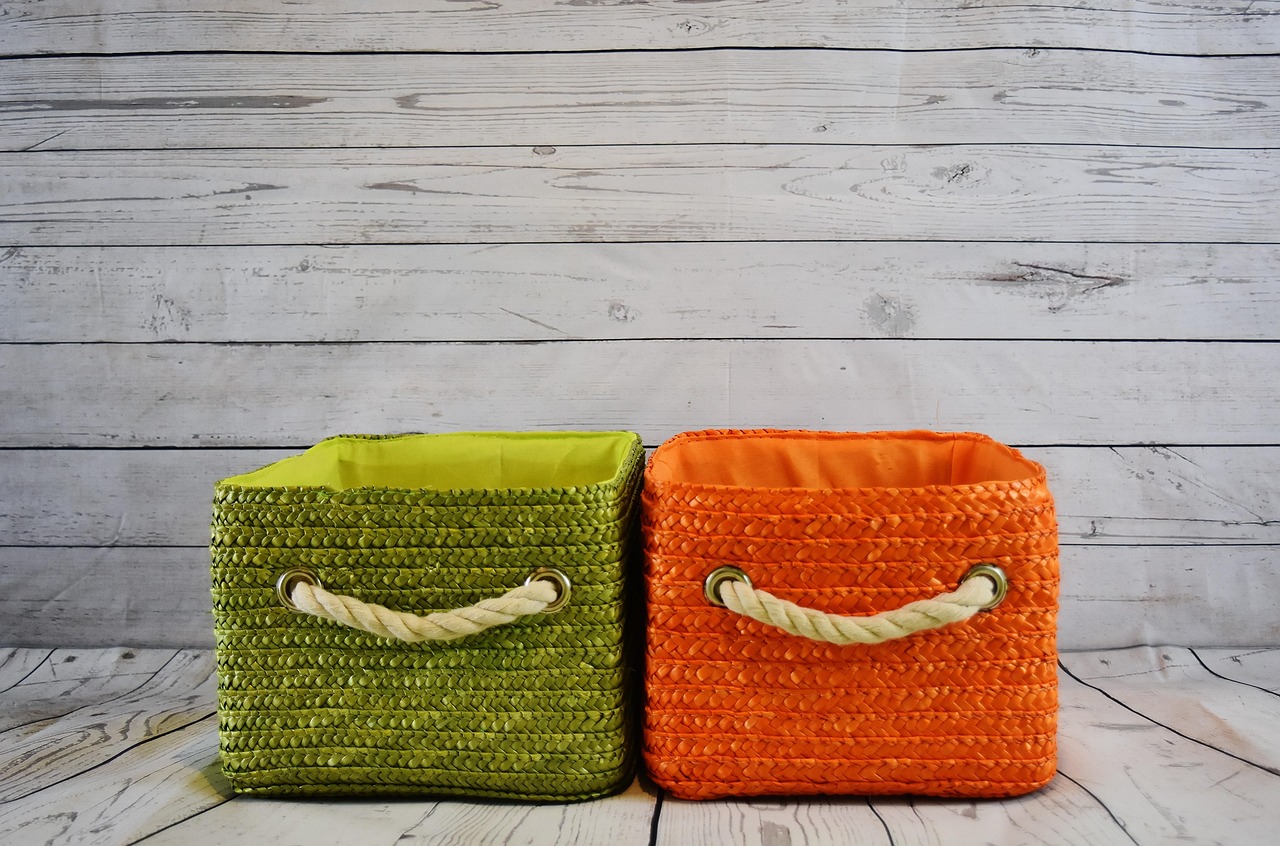
Investing in quality storage containers is the foundation of pantry longevity. Not all containers are created equal, and choosing the right ones for specific ingredients can dramatically impact shelf life.
Airtight Glass Containers
Glass containers with airtight seals are the gold standard for pantry storage. They don’t absorb odors, are non-reactive with acidic ingredients, and allow you to see contents at a glance. Use them for flours, sugars, pasta, rice, and dried beans. The transparency helps you monitor freshness and track inventory levels effortlessly.
Food-Grade Plastic Containers with Secure Lids
BPA-free plastic containers offer a lightweight, shatterproof alternative to glass. They’re particularly useful for storing bulk items and heavier staples on higher shelves where glass might pose a safety risk. Look for containers with silicone gaskets that create truly airtight seals.
Vacuum-Sealed Bags and Containers
For ultimate freshness, especially with items you won’t use frequently, vacuum-sealing removes air and dramatically extends shelf life. This method works exceptionally well for nuts, seeds, coffee beans, and specialty flours that you purchase in bulk.
Flour Power: Keeping Different Flours Fresh 🍞
Flour storage varies significantly based on the type you’re working with. All-purpose white flour, being more processed with the oils removed, can last 6-8 months at room temperature in an airtight container. However, whole grain flours containing natural oils require more careful handling.
Whole wheat, rye, and specialty flours should be stored in airtight containers in the refrigerator or freezer to prevent the oils from going rancid. When stored properly in the freezer, whole grain flours can maintain their quality for up to a year. Always bring flour to room temperature before using it in recipes for best results.
Consider adding a bay leaf to your flour containers—this natural pest deterrent helps keep bugs away without affecting the flour’s flavor or quality.
Sugar and Sweeteners: Preventing Clumps and Hardening 🍯
White granulated sugar can last indefinitely when stored properly in an airtight container away from moisture. Brown sugar, however, is notorious for hardening into an unusable brick. The solution lies in maintaining its moisture content.
Store brown sugar in an airtight container with a terra cotta brown sugar saver or a slice of bread to maintain the right moisture level. If your brown sugar has already hardened, place it in a microwave-safe bowl with a damp paper towel on top, cover loosely, and microwave in 20-second intervals until softened.
Powdered sugar should be kept in a cool, dry place in its original packaging placed inside an airtight container to prevent clumping. Honey and maple syrup maintain best quality when stored in glass containers at room temperature, though refrigeration extends their shelf life even further.
Rice, Grains, and Pasta: Long-Term Storage Strategies 🍚
White rice is one of the most shelf-stable pantry items, lasting 4-5 years or more when stored in airtight containers in a cool, dark place. Brown rice, containing more natural oils, should be refrigerated or frozen for storage beyond 6 months.
Quinoa, farro, barley, and other whole grains follow similar rules to brown rice—the more intact and natural the grain, the more vulnerable it is to rancidity. Store these in airtight containers in the refrigerator for 3-6 months or in the freezer for up to a year.
Dried pasta maintains quality for 1-2 years in its original packaging or transferred to airtight containers. Keep pasta away from moisture and strong odors, as it can absorb both. For homemade dried pasta, ensure it’s completely dry before storage to prevent mold growth.
Preventing Rice and Grain Pests
To prevent weevils and other pests in rice and grains, freeze the items for 3-4 days immediately after purchase to kill any eggs that might be present. Then transfer to airtight containers with bay leaves for ongoing protection.
Oils and Vinegars: Protecting Liquid Gold 🫒
Cooking oils are particularly vulnerable to rancidity caused by heat, light, and air exposure. Store oils in dark glass bottles or in a dark pantry away from the stove. Delicate oils like extra virgin olive oil, walnut oil, and flaxseed oil should be refrigerated after opening, though they may become cloudy (this doesn’t affect quality).
Most oils maintain best quality for 3-6 months after opening when properly stored. Purchase smaller bottles that you’ll use within this timeframe rather than buying in bulk. The exception is coconut oil, which remains stable at room temperature due to its high saturated fat content.
Vinegars are naturally self-preserving due to their acidity and can last indefinitely when stored in their original bottles away from heat sources. However, some sediment formation is normal and doesn’t indicate spoilage.
Spices and Dried Herbs: Preserving Flavor and Potency 🌿
The aromatic compounds that make spices and herbs valuable deteriorate over time, especially when exposed to air, light, and heat. Whole spices maintain their potency much longer than ground versions—up to 4 years compared to 2-3 years for ground spices.
Store spices in small glass jars with tight-fitting lids away from the stove and direct sunlight. A cool, dark pantry or drawer is ideal. Avoid storing spices in decorative racks near cooking surfaces, as attractive as they may look.
Label all spices with purchase dates to track freshness. Test potency by rubbing a small amount between your fingers and smelling—if the aroma is weak, it’s time to replace. Consider buying whole spices and grinding them as needed with a spice grinder or mortar and pestle for maximum freshness and flavor.
Nuts, Seeds, and Nut Butters: Battling Rancidity 🥜
The healthy fats in nuts and seeds make them nutritious but also vulnerable to oxidation. Unopened packages of nuts can last several months in the pantry, but once opened, refrigeration or freezing is essential for maintaining quality.
Store nuts and seeds in airtight containers in the refrigerator for up to 6 months or in the freezer for up to a year. They can be used directly from frozen in most recipes without thawing. Always smell nuts before using—a bitter or paint-like odor indicates rancidity.
Natural nut butters without stabilizers should be refrigerated after opening to prevent separation and rancidity. Stabilized commercial nut butters can remain at room temperature but will stay fresh longer when refrigerated. Store upside down to make stirring easier with natural varieties.
Dried Beans and Legumes: Nearly Immortal with Proper Care 🫘
Dried beans, lentils, and peas are pantry champions with impressive longevity. When stored in airtight containers in a cool, dark, dry place, they can last 2-3 years or longer while maintaining nutritional value.
However, older beans require longer cooking times and may never fully soften. For best results, purchase from stores with good turnover and use within a year. Adding a strip of kombu seaweed during cooking helps soften older beans and improves digestibility.
Canned beans offer convenience and a shelf life of 2-5 years. Store cans in a cool, dry place and rotate stock, using oldest cans first. Once opened, transfer unused portions to airtight containers and refrigerate for up to 4 days.
Baking Essentials: Leaveners, Chocolate, and More 🍰
Baking powder and baking soda lose potency over time, affecting your baked goods’ rise and texture. Store both in their original containers with lids tightly sealed in a dry place. Test baking powder by mixing a teaspoon with hot water—it should bubble vigorously if still active. Test baking soda with vinegar for the same fizzy reaction.
Chocolate and cocoa powder should be stored in cool, dark, dry places. The white bloom that sometimes appears on chocolate is cocoa butter rising to the surface and doesn’t indicate spoilage, though it may affect texture. Cocoa powder maintains quality for 2-3 years when properly stored.
Yeast requires careful handling—active dry yeast and instant yeast should be stored in the refrigerator or freezer after opening, maintaining viability for several months beyond the expiration date when frozen.
Creating the Ideal Pantry Environment 🌡️
Beyond individual storage solutions, your overall pantry environment significantly impacts food longevity. The ideal pantry temperature ranges from 50-70°F (10-21°C) with humidity levels between 50-60%.
Avoid storing pantry items near heat sources like ovens, dishwashers, or sunny windows. If your pantry gets warm, consider relocating temperature-sensitive items to a cooler closet or basement storage area.
Install ventilation if possible to prevent moisture buildup. Avoid storing anything directly on the floor where temperature fluctuations and potential water exposure pose risks. Use shelf risers and organizers to maximize space and improve air circulation around containers.
First In, First Out: Smart Rotation Systems 🔄
Professional kitchens use the FIFO method—First In, First Out—to ensure older items get used before newer purchases. Implement this system at home by organizing items with nearest expiration dates at the front of shelves.
When restocking, move older items forward and place new purchases behind them. Label all containers with contents and dates, either when purchased or when transferred from original packaging. This simple system prevents waste and ensures you’re always using ingredients at peak quality.
Conduct quarterly pantry audits to identify items approaching their use-by dates. Create meal plans incorporating these ingredients before they decline in quality.
Recognizing When Staples Have Gone Bad ⚠️
Even with excellent storage practices, knowing when to discard items is crucial for food safety. Trust your senses—unusual odors, visible mold, insect activity, or significant texture changes all indicate it’s time to dispose of an item.
Rancid oils and nuts smell like paint or crayons. Flour infested with pests shows webbing or moving specks. Spices that have lost their aroma won’t contribute flavor to your cooking. Brown sugar that refuses to soften after moisture treatment has likely absorbed odors and should be replaced.
When in doubt, throw it out. The cost of replacing a questionable pantry staple is far less than the risk of foodborne illness or ruined recipes.
Sustainable Practices for Pantry Management ♻️
Extending the life of pantry staples isn’t just economical—it’s environmentally responsible. Food waste contributes significantly to greenhouse gas emissions, and thoughtful storage directly reduces your household’s environmental impact.
Buy staples in bulk quantities you’ll realistically use, prioritizing package-free or minimally packaged options when available. Bring your own containers to bulk stores to eliminate packaging waste entirely.
Repurpose glass jars from purchased products as storage containers rather than buying new ones. Mason jars, pasta sauce jars, and pickle jars all work beautifully once labels are removed.
Compost any pantry items that have gone bad rather than sending them to landfills. Many items like stale grains, old flour, and expired spices can enrich your compost pile.
Your Fresh Pantry Awaits 🌟
Transforming your pantry from a chaotic collection of aging ingredients to an organized system of fresh, ready-to-use staples requires initial investment—both in proper containers and in establishing good habits. However, the payoff extends far beyond financial savings.
Fresh ingredients mean better-tasting food with superior nutritional value. An organized pantry reduces meal preparation stress and inspires creativity in the kitchen. You’ll waste less food, save money, and enjoy the satisfaction of being a more conscious consumer.
Start small by addressing your most-used items first. Gradually upgrade storage containers, implement rotation systems, and optimize your pantry environment. Within weeks, you’ll notice the difference—ingredients that stay fresh longer, fewer unpleasant surprises when reaching for staples, and a more enjoyable cooking experience overall.
The expert tips shared here represent years of collective wisdom from food scientists, professional chefs, and home cooking enthusiasts. Apply them consistently, and your pantry staples will reward you with extended freshness, maintained quality, and reliable performance every time you cook. Your future self—and your taste buds—will thank you for the effort invested today.