Snacking doesn’t have to break the bank! With smart planning and strategic shopping, you can create a pantry full of delicious treats that satisfy cravings without emptying your wallet.

Building a budget-friendly snack pantry is one of the smartest moves you can make for your household finances and daily convenience. When hunger strikes between meals, having affordable, tasty options readily available prevents expensive impulse purchases and unhealthy fast-food runs. The key lies in knowing what to buy, where to shop, and how to maximize every dollar spent. This comprehensive guide will walk you through everything you need to know about stocking your snack pantry without sacrificing quality or taste.
🛒 Understanding the Budget Snack Pantry Philosophy
Creating an affordable snack pantry isn’t about buying the cheapest items available—it’s about finding the best value for your money. This means considering cost per serving, nutritional content, shelf life, and versatility. A well-stocked budget pantry should offer variety, satisfy different cravings, and provide options for various dietary preferences within your household.
The foundation of budget snacking lies in purchasing items that offer multiple servings at a lower per-unit cost. Bulk buying, generic brands, and sales-driven shopping become your best friends. Additionally, choosing snacks with longer shelf lives reduces waste and allows you to take advantage of deals when they appear.
Smart Shopping Strategies That Save Serious Money
Before you even step into a store, your budget snack success begins with preparation. Create a master list of snacks your family enjoys and track prices at different retailers. Many grocery stores now offer apps that show weekly deals and allow you to clip digital coupons before shopping.
Timing Your Purchases for Maximum Savings 📅
Seasonal shopping makes a significant difference in snack costs. Holiday periods often bring deep discounts on candy, nuts, and baking supplies. Stock up after major holidays when retailers clear inventory at 50-75% off. Similarly, back-to-school sales in late summer offer excellent deals on individually packaged snacks and bulk items.
Shopping on specific days can also yield savings. Many stores mark down items nearing their sell-by dates midweek. While these products are perfectly safe to consume, they’re sold at reduced prices. For shelf-stable snacks, this presents an excellent opportunity to save.
Store Selection and Comparison Shopping
Different retailers excel at different categories. Warehouse clubs like Costco and Sam’s Club offer unbeatable prices on bulk items, while discount grocers like Aldi and Lidl provide incredible value on packaged snacks. Dollar stores surprisingly stock many name-brand snacks at significantly lower prices than traditional supermarkets.
Don’t overlook ethnic grocery stores, which often sell snacks like rice crackers, dried fruits, nuts, and unique treats at fraction of mainstream grocery prices. These stores typically have less overhead and pass savings directly to customers.
The Budget Snack Pantry Essentials List 🥜
Building your snack inventory requires balancing variety with practicality. Here are the cornerstone items that deliver maximum value and satisfaction:
Salty and Savory Foundations
Popcorn kernels represent perhaps the best value in snacking. A large bag costing just a few dollars produces dozens of servings. Air-popped or stove-top popped corn costs pennies per serving compared to pre-packaged microwave bags. Season with various spices, nutritional yeast, or butter alternatives to create endless flavor variations.
Store-brand crackers offer substantial savings over name brands with virtually identical taste and quality. Saltines, graham crackers, and plain water crackers serve as versatile bases for countless snack combinations. Pair them with affordable cheese, peanut butter, or hummus for more substantial options.
Pretzels, when purchased in bulk bags rather than individual servings, provide satisfying crunch at minimal cost. Both traditional twisted pretzels and pretzel sticks offer excellent per-serving value and pair well with dips or standalone munching.
Sweet Treats Without the Steep Price
Generic sandwich cookies cost half the price of name brands while delivering similar taste satisfaction. The same applies to store-brand vanilla wafers, animal crackers, and fig bars—all offering sweet snacking at budget-friendly prices.
Dried fruits purchased from bulk bins rather than pre-packaged containers save considerable money. Raisins, dried cranberries, and banana chips provide natural sweetness, fiber, and energy. Mix them with bulk nuts and chocolate chips to create custom trail mix at a fraction of pre-mixed varieties.
Baking supplies like chocolate chips, graham crackers, and marshmallows allow you to create homemade versions of expensive store-bought treats. The initial investment pays dividends through multiple snack-making sessions.
Protein-Packed Options
Peanut butter remains one of the most affordable protein sources available. A single jar provides weeks of snacking when paired with crackers, apple slices, celery, or eaten by the spoonful. Store brands offer identical nutritional profiles to name brands at significantly lower prices.
Bulk nuts and seeds, while initially appearing expensive, break down to reasonable per-serving costs. Peanuts, sunflower seeds, and when on sale, almonds provide satisfying protein and healthy fats that keep hunger at bay longer than carbohydrate-only snacks.
Canned chickpeas transform into roasted chickpea snacks with simple seasoning and oven time. At less than a dollar per can, these provide protein-rich alternatives to expensive packaged protein snacks.
DIY Snacks That Slash Your Spending 🍪
Making snacks from scratch delivers the greatest cost savings while allowing complete control over ingredients and flavors. The time investment pays off through superior quality and significantly reduced expenses.
Simple Homemade Favorites
Granola bars cost pennies to make compared to store-bought versions. Basic recipes require oats, honey or maple syrup, peanut butter, and mix-ins like chocolate chips or dried fruit. One batch produces a week’s worth of grab-and-go snacks at roughly one-third the retail cost.
Energy balls combining oats, nut butter, honey, and add-ins like coconut or mini chocolate chips take minutes to prepare. These no-bake treats store well in the refrigerator and cost approximately 25 cents per serving versus $2-3 for comparable store-bought options.
Homemade baked goods like muffins, brownies, or simple cookies provide fresh, delicious snacks at minimal cost. Baking from scratch using basic pantry staples—flour, sugar, eggs, butter—produces treats for mere pennies per serving.
Transforming Basic Ingredients
Tortilla chips made from stack of tortillas cut and baked cost dramatically less than bagged versions. Season with salt, lime, or spices before baking for customized flavors.
Kale chips, sweet potato chips, and other vegetable crisps turn affordable produce into trendy snacks without the premium price tag. Simple preparation—slice, season, bake—yields restaurant-quality results at home prices.
Organization Systems That Prevent Waste 📦
Even the most affordable snacks become expensive when they spoil or get forgotten in pantry corners. Proper organization maximizes your investment and ensures nothing goes to waste.
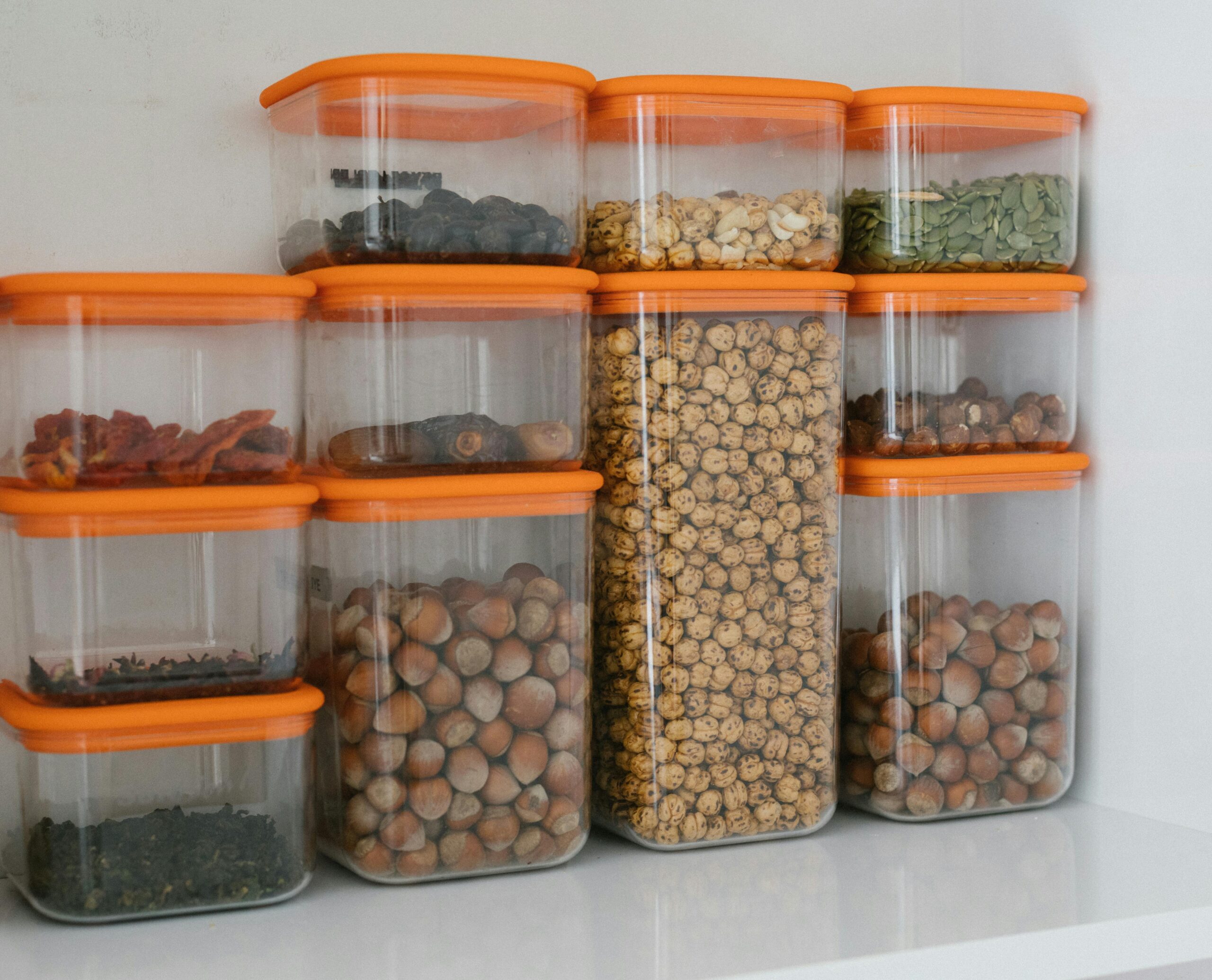
Clear containers allow you to see exactly what you have and monitor quantities. Transfer bulk purchases into airtight containers with labels indicating purchase dates. This system prevents staleness and makes inventory management effortless.
Implement a first-in, first-out rotation system. Place newer purchases behind older items to ensure nothing sits too long. This simple practice eliminates waste from expired or stale snacks.
Create a dedicated snack zone in your pantry at eye level. This designated area makes selection easy and prevents purchasing duplicates of items you already own. Use baskets or bins to group similar snacks together—one for sweet treats, another for salty options, and a third for healthier choices.
Maximizing Value Through Smart Portioning 🥤
Buying in bulk saves money initially, but proper portioning ensures those savings aren’t lost to overconsumption. Pre-portioning snacks immediately after shopping creates convenience comparable to expensive single-serve packages.
Invest in reusable snack bags or small containers. Spend thirty minutes after shopping dividing bulk purchases into individual servings. This practice controls portions, prevents mindless eating, and creates grab-and-go convenience without the premium price.
Standard serving sizes typically measure smaller than people realize. A single serving of nuts equals about a quarter cup, while one serving of crackers ranges from 5-7 pieces depending on size. Measuring initially helps calibrate appropriate portions, stretching your snack budget further.
Seasonal and Sale-Based Stocking Strategies 🎯
Strategic timing transforms snack shopping from routine expense to budget victory. Understanding seasonal patterns and sale cycles allows you to stock up when prices hit rock bottom.
Post-holiday clearances provide prime opportunities for non-perishable treats. Valentine’s Day, Easter, Halloween, and Christmas all generate deep discounts on candy, cookies, and specialty snacks. Purchase these items at 50-75% off for year-round enjoyment at unbeatable prices.
Summer brings sales on picnic and outdoor entertaining snacks. Stock up on chips, crackers, and packaged cookies during Memorial Day and Fourth of July promotions. Fall back-to-school sales offer excellent deals on lunch box-friendly items that work equally well for home snacking.
Budget-Friendly Healthy Snacking Options 🥕
Healthy snacking needn’t cost more than junk food alternatives. With smart choices, nutritious options actually save money while supporting better health.
Fresh produce snacks like apples, bananas, and carrots cost less per serving than packaged alternatives. Baby carrots, celery sticks, and cucumber slices paired with affordable hummus or ranch dip made from dry seasoning mix provide satisfying, nutritious snacks.
Air-popped popcorn seasoned with nutritional yeast creates a cheesy, protein-rich snack for pennies per serving. Plain yogurt purchased in large containers rather than individual cups, then portioned and flavored with fruit or honey, delivers probiotic benefits affordably.
Frozen fruits bought in bulk bags offer smoothie bases, frozen treats, or thawed fruit cups at significantly lower costs than fresh equivalents. These items maintain nutritional value while eliminating waste from spoilage.
Making Your Dollar Stretch Even Further 💰
Advanced strategies separate truly savvy snack shoppers from casual buyers. These techniques require minimal extra effort but generate substantial savings over time.
Cashback apps and browser extensions automatically find deals and return money on grocery purchases. Apps like Ibotta, Fetch Rewards, and Checkout 51 offer cash back on specific snack items. These rebates effectively reduce your actual cost by 10-50% on participating products.
Store loyalty programs accumulate points toward future discounts. Most major retailers now offer free membership programs that provide exclusive deals, digital coupons, and personalized offers based on shopping history. Consistently shopping at one or two primary stores maximizes these benefits.
Generic and store brands typically cost 20-40% less than name brands with identical ingredients and comparable taste. Blind taste tests repeatedly show consumers cannot distinguish between many generic and name-brand snacks. Overcoming brand loyalty unlocks immediate savings.
Creative Combinations That Feel Luxurious ✨
Budget snacking doesn’t mean boring options. Combining affordable basics creates sophisticated treats that rival expensive specialty items.
Plain crackers topped with cream cheese (purchased in block form rather than spreads), a small amount of jam, and sliced almonds mimic expensive gourmet crackers at a fraction of the cost. Similarly, graham crackers spread with peanut butter and topped with banana slices create satisfying mini sandwiches.
Mixing plain popcorn with small amounts of higher-end items like dark chocolate chips, dried cherries, or candied nuts creates gourmet popcorn mixes comparable to $10-per-bag boutique versions for under $2 per batch.
Frozen banana slices dipped in melted chocolate chips and refrozen create chocolate-covered banana bites identical to expensive frozen dessert snacks. The entire batch costs less than a single box of the commercial equivalent.
Teaching Kids Budget Snacking Habits 👨👩👧👦
Involving children in snack pantry management teaches valuable financial lessons while ensuring they enjoy available options. Kids who help select and prepare snacks show more enthusiasm for eating them.
Create a weekly snack selection routine where children choose favorites from a budget-appropriate list. This involvement increases their satisfaction with available options and reduces requests for expensive convenience store snacks.
Teaching simple snack preparation skills empowers kids to make their own treats. Even young children can assemble trail mix, spread peanut butter on crackers, or portion pretzels into bags. These skills serve them throughout life while reducing your workload.
Long-Term Pantry Planning for Sustained Savings 📊
True budget mastery requires thinking beyond individual shopping trips to long-term pantry management. This perspective shift transforms snacking from continuous expense to controlled, predictable cost.
Maintain a price book tracking the lowest prices you’ve found for frequently purchased items. This reference guide helps you recognize genuine deals versus false sales. When items hit their lowest price points, purchase extra to carry you through higher-price periods.
Set a monthly snack budget and track spending against this target. This awareness prevents impulse purchases and encourages strategic shopping. Most households can reduce snack spending by 30-50% through conscious management without sacrificing variety or satisfaction.
Review and rotate your snack inventory monthly. This practice identifies slow-moving items to avoid repurchasing and highlights favorites worthy of stocking more heavily. Continuous refinement optimizes your pantry for your household’s specific preferences and consumption patterns.
Creating Your Sustainable Snack System 🔄
The ultimate goal isn’t just saving money once but establishing a sustainable system that consistently delivers affordable, delicious snacking without constant effort or thought.
Develop a master shopping list template including your core snack items. This list evolves over time but provides a starting framework preventing forgotten items or impulse additions. Shop from this list, only deviating for exceptional sales on pantry-stable items you’ll eventually use.
Schedule regular restocking sessions rather than shopping reactively when snacks run low. Planned shopping prevents emergency convenience store runs where prices multiply several times over grocery store costs. A consistent schedule also allows you to shop sales strategically rather than paying full price from necessity.
Building a budget-friendly snack pantry represents one of the easiest ways to reduce household expenses while maintaining quality of life. The strategies outlined here—smart shopping, DIY preparation, proper organization, and strategic timing—combine to create a system that saves hundreds of dollars annually. Your pantry becomes a source of convenient, delicious treats that satisfy cravings without guilt or financial stress. Start implementing these tips today, and you’ll quickly discover that affordable snacking doesn’t require sacrifice—just smarter choices and a bit of planning. Your wallet and your taste buds will thank you! 🎉