Food presentation transforms ordinary meals into extraordinary dining experiences. When you combine vibrant colors with diverse textures, every plate becomes a canvas that delights both the eyes and the palate.

The art of plating goes far beyond simply arranging food on a dish. It’s about creating harmony between visual appeal and taste, telling a story through ingredients, and engaging all the senses before the first bite. Whether you’re a home cook looking to elevate weeknight dinners or an aspiring chef perfecting your craft, mastering color and texture will revolutionize how you approach every meal.
🎨 Understanding the Psychology of Color on Your Plate
Colors influence our perception of flavor before we even taste food. Research shows that we eat with our eyes first, and the colors on our plate can affect appetite, mood, and even perceived taste intensity. Warm colors like reds, oranges, and yellows stimulate appetite and suggest sweetness or ripeness, while cool colors like greens and purples convey freshness and health.
The most visually appealing plates typically feature three to five different colors. This variety signals nutritional diversity and creates natural focal points that guide the eye across the dish. Consider how a vibrant red tomato contrasts against creamy white mozzarella, or how golden-brown seared protein pops against emerald green vegetables.
White plates remain the gold standard in professional kitchens because they provide a neutral canvas that makes colors appear more vibrant. However, don’t be afraid to experiment with different plate colors once you understand basic principles. Dark plates can make lighter foods dramatic, while colored plates can complement or contrast your ingredients strategically.
Building Your Color Palette with Natural Ingredients
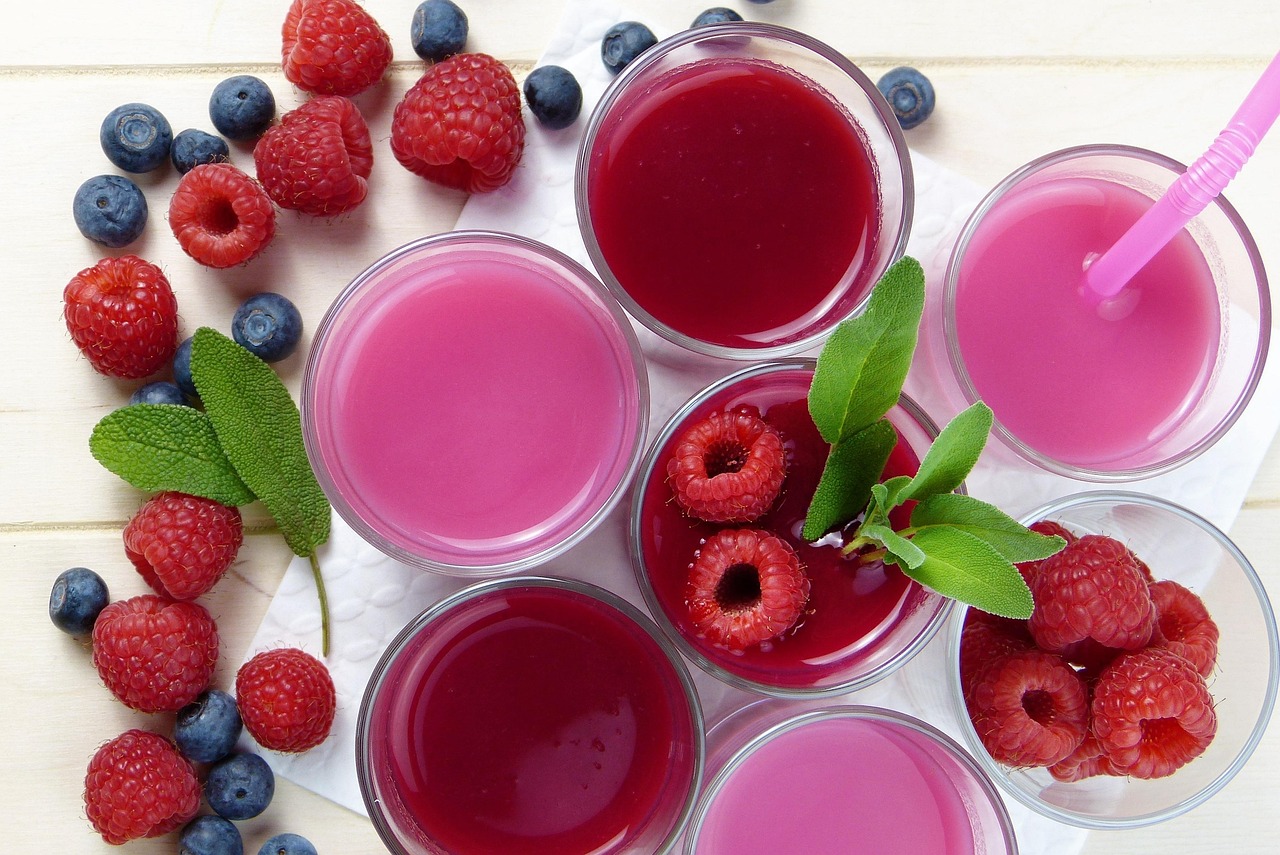
Nature provides an incredible spectrum of colors, each bringing unique flavors and nutritional benefits. Red ingredients like tomatoes, peppers, and strawberries contain lycopene and anthocyanins. Orange and yellow foods such as carrots, squash, and citrus offer beta-carotene and vitamin C. Green vegetables from spinach to avocados deliver chlorophyll and essential minerals.
Purple and blue foods like eggplant, cabbage, and blueberries provide powerful antioxidants. Even white and brown ingredients—cauliflower, mushrooms, whole grains—contribute important textures and neutral tones that allow brighter colors to shine. By understanding these natural palettes, you can design plates that are both beautiful and nutritionally balanced.
✨ The Essential Role of Texture in Memorable Dishes
Texture creates the physical experience of eating, engaging our sense of touch through the mouth. A successful dish balances multiple textures: crispy, creamy, crunchy, tender, smooth, and chewy elements working together to keep each bite interesting. This contrast prevents palate fatigue and adds layers of sophistication to even simple recipes.
Consider a classic salad transformed through texture. Instead of merely tossing greens with dressing, add toasted nuts for crunch, creamy goat cheese for smoothness, crispy croutons for contrast, and tender grilled chicken for substance. Each component maintains its distinct texture while contributing to a cohesive whole.
Cooking Techniques That Enhance Texture
Different cooking methods produce distinct textures that you can leverage strategically. Roasting caramelizes natural sugars and creates crispy exteriors with tender interiors. Steaming preserves delicate textures and vibrant colors. Searing develops complex crusts while keeping centers moist. Braising breaks down tough fibers into melt-in-your-mouth tenderness.
Temperature also affects texture perception. Serve components at their ideal temperatures—hot proteins, room temperature grains, chilled garnishes—to maximize textural contrast. This attention to detail elevates your presentation from good to exceptional.
🍽️ Fundamental Plating Techniques for Stunning Presentations
Professional plating follows principles that guide the eye and create balance. The rule of thirds, borrowed from photography, suggests dividing your plate into a grid and placing focal elements at intersection points. This creates natural visual interest rather than centering everything, which can appear static.
Height adds drama and sophistication to plating. Instead of laying everything flat, build vertical elements by stacking components, leaning proteins against vegetables, or using ring molds to create towers. This three-dimensional approach makes plates more dynamic and restaurant-worthy.
The Power of Negative Space
Resist the urge to fill every inch of the plate. Negative space—the empty areas around your food—focuses attention on the dish itself and creates an elegant, refined appearance. Think of your plate as a frame, with the food as artwork that needs breathing room to be appreciated.
This principle applies to portion sizes too. Overfilled plates appear cluttered and overwhelming, while appropriately portioned dishes with strategic spacing look intentional and upscale. Use larger plates than you think you need, allowing the composition to breathe.
🌿 Strategic Garnishing: The Final Touch That Matters
Garnishes should never be afterthoughts or merely decorative. Every element on the plate should be edible and contribute to the overall flavor profile. Fresh herbs add bright color and aromatic complexity. Microgreens provide delicate texture and concentrated flavors. Edible flowers introduce unexpected colors and subtle tastes.
Think about complementary and contrasting garnishes. A rich, creamy soup benefits from a drizzle of herb oil and crispy garnish on top. A perfectly seared steak might need only a sprinkle of flaky sea salt and fresh cracked pepper to highlight its quality. Citrus zest adds both color and bright flavor without adding bulk.
Sauce Application Techniques
Sauces unify dishes visually and flavor-wise, but application matters. Instead of pouring sauce over everything, try these professional techniques: create a swoosh by dragging sauce across the plate with the back of a spoon, dot sauce artistically around the plate, use squeeze bottles for precise lines and dots, or pool sauce beneath proteins to anchor them visually.
Multiple sauce colors can create stunning visual effects. A vibrant green herb sauce alongside a deep red reduction provides color contrast and flavor options, allowing diners to customize each bite.
📸 Creating Instagram-Worthy Food Photography
In our visual culture, food photography skills complement plating abilities. Natural light remains the most flattering for food—position dishes near windows and avoid harsh overhead lighting. The golden hour just before sunset provides warm, appealing light that makes food look delicious.
Angles matter significantly. Overhead shots work beautifully for flat compositions, bowls, and dishes with interesting patterns. Forty-five-degree angles showcase height and layers. Straight-on shots emphasize tall elements like burgers or layered desserts. Experiment with different perspectives to find what best showcases each dish.
Styling Tips for Maximum Visual Impact
Food styling involves strategic choices that translate well to photographs. Use props sparingly—a simple napkin, rustic wooden board, or complementary utensils add context without distraction. Keep backgrounds simple and uncluttered. Consider the story you’re telling: rustic comfort food suits different backgrounds than elegant fine dining.
Action shots add dynamism. Capture the moment sauce drizzles over a dish, steam rises from a hot bowl, or a fork breaks into a perfectly cooked egg yolk. These moments convey freshness and invite viewers into the eating experience.
🥗 Practical Applications: From Everyday Meals to Special Occasions
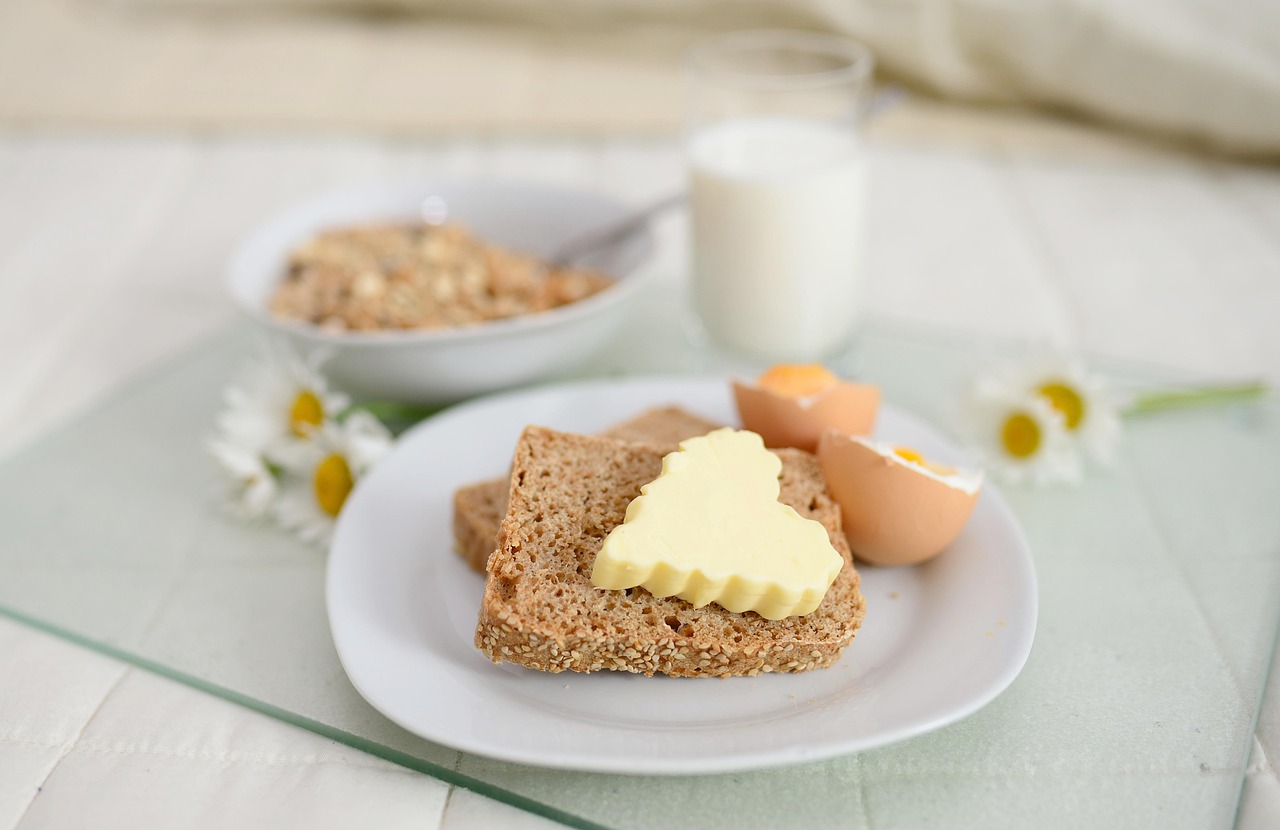
You don’t need special occasions to practice artful plating. Elevating everyday meals builds skills and makes daily cooking more enjoyable. Transform breakfast by arranging avocado slices in a fan, adding colorful berries to yogurt in deliberate patterns, or creating height with stacked pancakes garnished with fresh mint.
Lunch bowls benefit tremendously from thoughtful composition. Instead of mixing everything together, arrange components in sections creating a color wheel effect. Place proteins, grains, vegetables, and garnishes in distinct areas with a sauce drizzled artfully across the top. This approach looks stunning and allows diners to enjoy flavors individually or combined.
Special Occasion Plating Strategies
For dinner parties and celebrations, invest extra time in presentation. Use odd numbers of components—three scallops, five ravioli, seven asparagus spears—as odd numbers appear more natural and appealing than even numbers. Create a focal point with your main protein and support it with complementary sides rather than competing elements.
Consider the complete dining experience. Coordinate plates with table settings, lighting, and overall ambiance. Dim lighting suits romantic dinners while brighter settings showcase intricate plating details during daytime gatherings.
🌍 Drawing Inspiration from Global Culinary Traditions
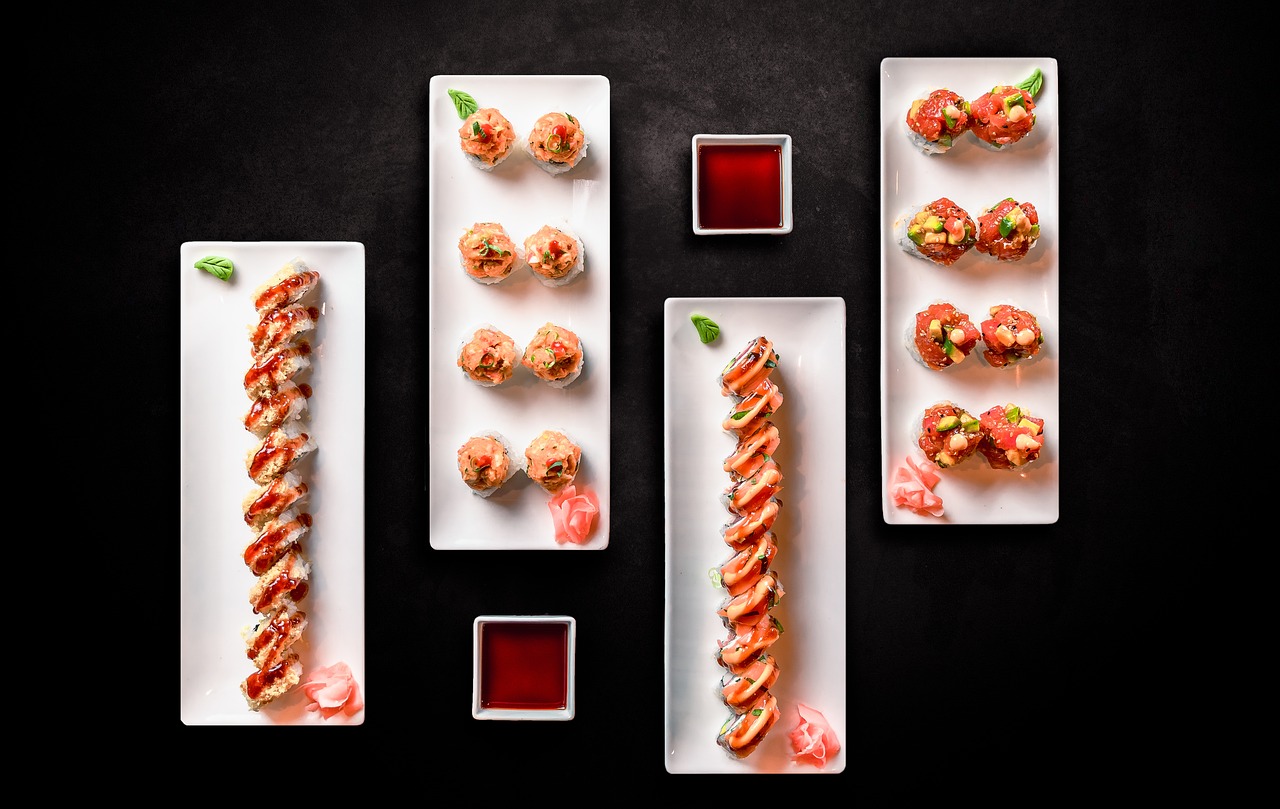
Different cultures approach food presentation with unique philosophies worth studying. Japanese kaiseki emphasizes seasonal ingredients, natural beauty, and harmony between colors, textures, and flavors. Each course tells a seasonal story through carefully selected components and minimalist plating.
French haute cuisine pioneered many modern plating techniques, emphasizing precision, refinement, and classical composition. Mediterranean traditions celebrate abundance with colorful mezze spreads and family-style presentations. Modern Nordic cuisine focuses on foraged ingredients, natural colors, and plates that evoke landscapes.
Adapting Cultural Techniques to Your Style
You don’t need to replicate entire culinary traditions—instead, borrow elements that resonate with you. Adopt Japanese minimalism by reducing components to essentials. Embrace Mediterranean generosity through shared plates bursting with colors. Incorporate French precision in sauce work and protein preparation. Your personal style emerges from synthesizing diverse influences.
Study cookbooks, watch cooking shows, and follow chefs on social media for continuous inspiration. Notice what draws your eye and analyze why certain plates appeal to you. This visual education trains your eye to recognize balance, harmony, and creative composition.
🔧 Essential Tools for Better Plating
While creativity matters more than equipment, certain tools facilitate better plating. Squeeze bottles allow precise sauce application. Offset spatulas help spread components smoothly and create swooshes. Tweezers enable delicate garnish placement. Ring molds create perfectly shaped stacks. Small spoons facilitate precise portioning of sauces and garnishes.
Invest in quality plates in various sizes. Having both large and small plates, shallow bowls, and serving platters expands your presentation options. White remains versatile, but add a few statement pieces in complementary colors or interesting shapes for variety.
💡 Common Plating Mistakes to Avoid
Overcrowding plates ranks among the most common errors. When too many elements compete for attention, nothing stands out. Similarly, overusing garnishes creates clutter rather than enhancement. Every component should have a purpose—if it doesn’t contribute to flavor or visual appeal, remove it.
Neglecting cleanliness shows lack of care. Wipe plate edges before serving, removing drips and smudges. Clean plates signal professionalism and respect for diners. Additionally, avoid plating food too far in advance—many ingredients lose optimal texture and temperature when sitting too long.
Poor color combinations create muddy, unappealing presentations. All-brown plates lack visual interest, while clashing colors create discord. Study color theory basics and practice combining colors thoughtfully for maximum impact.
🚀 Developing Your Personal Plating Style
Your plating style should reflect your culinary philosophy and personal aesthetic. Some cooks prefer rustic, abundant presentations that convey comfort and generosity. Others gravitate toward minimalist, precise arrangements emphasizing quality over quantity. Neither approach is superior—authenticity matters most.
Practice regularly and photograph your plates to track progress. You’ll notice patterns in what you find appealing and develop signature techniques. Don’t fear experimentation—some of the most innovative plating ideas emerge from playful exploration and happy accidents.
Seek feedback from trusted friends and family. Ask specific questions: Does the plate look balanced? Are colors appealing? Does the presentation make them excited to eat? Constructive feedback accelerates improvement and reveals blind spots in your approach.
🎯 Making Every Meal a Masterpiece
Transforming meals through color and texture isn’t about perfection—it’s about intention and practice. Start with simple improvements: add one contrasting color to tonight’s dinner, incorporate a crunchy element to a smooth soup, or arrange components thoughtfully instead of haphazardly. Small changes accumulate into significant improvements over time.
Remember that delicious food always takes priority over appearance. Beautiful plating enhances great flavors but never compensates for poor cooking. Master fundamental techniques first, then layer on presentation skills that showcase your culinary talents.
The journey toward impressive plating is ongoing. Even professional chefs continually refine their approaches and seek inspiration. Embrace this creative process, celebrate small victories, and enjoy the process of making every meal more beautiful, flavorful, and memorable. Your dinner table will never look the same—and everyone who shares your meals will notice and appreciate the extra care you bring to every plate.