Struggling to figure out what and how much to eat every day? You’re not alone. The Plate Method offers a visual, intuitive approach to building balanced meals without counting calories or weighing portions obsessively.

This straightforward nutritional strategy transforms complicated dietary guidelines into something anyone can understand and implement immediately. Whether you’re managing diabetes, trying to lose weight, or simply wanting to eat healthier, mastering the Plate Method can revolutionize your relationship with food and nutrition.
🍽️ What Exactly Is the Plate Method?
The Plate Method is a visual meal planning approach that divides your plate into specific sections for different food groups. Developed by nutrition experts and endorsed by organizations like the American Diabetes Association, this technique eliminates the need for complex calculations while ensuring nutritional balance.
At its core, the method uses a standard 9-inch dinner plate as your guide. Instead of measuring cups or food scales, you simply allocate portions of your plate to vegetables, proteins, and carbohydrates in specific proportions. This intuitive system works because it addresses portion control and nutritional variety simultaneously.
The beauty of this approach lies in its simplicity. You don’t need specialized knowledge, expensive tools, or hours of meal prep planning. Your plate becomes your measuring tool, making healthy eating accessible regardless of your cooking skills or nutritional expertise.
Breaking Down Your Plate: The Perfect Proportions
Understanding how to divide your plate correctly forms the foundation of successful implementation. The standard Plate Method follows a specific formula that maximizes nutrition while controlling portions naturally.
Half Your Plate: Non-Starchy Vegetables 🥗
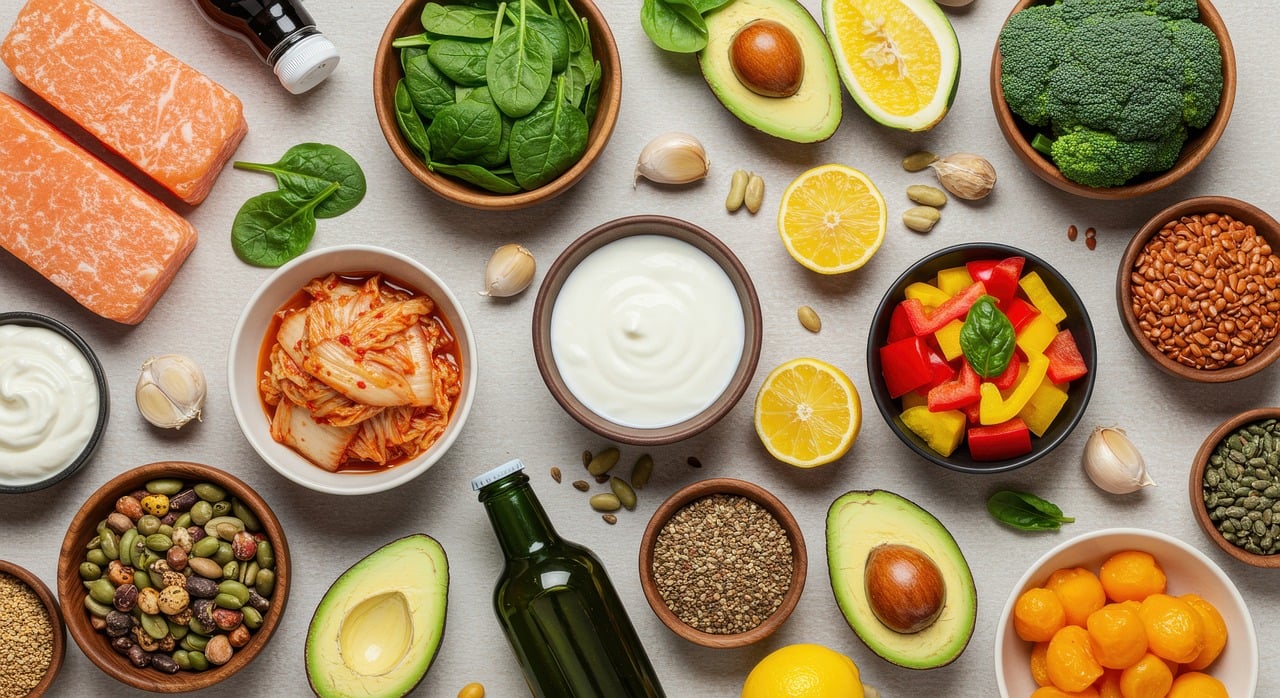
Fill half your plate with non-starchy vegetables. This substantial portion ensures you’re getting adequate fiber, vitamins, minerals, and antioxidants while keeping calories relatively low. These vegetables include leafy greens like spinach and kale, cruciferous options like broccoli and cauliflower, and colorful choices like bell peppers, tomatoes, cucumbers, and zucchini.
The high fiber content in these vegetables promotes satiety, helping you feel full without overeating. Additionally, the volume of food on your plate looks satisfying, which addresses the psychological aspect of feeling adequately fed. Aim for variety in colors to ensure you’re getting a diverse array of nutrients throughout the week.
One Quarter: Lean Protein Sources 🍗
Reserve one quarter of your plate for protein-rich foods. Protein is essential for muscle maintenance, immune function, hormone production, and satiety. Quality protein sources include skinless poultry, fish and seafood, lean cuts of beef or pork, eggs, tofu, tempeh, and legumes.
When selecting proteins, consider preparation methods carefully. Grilled, baked, roasted, or steamed options are healthier than fried alternatives. For those following plant-based diets, combining different protein sources throughout the day ensures you’re getting all essential amino acids your body needs.
One Quarter: Complex Carbohydrates 🍠
The remaining quarter belongs to carbohydrate-rich foods, preferably complex carbohydrates that provide sustained energy. Excellent choices include whole grains like brown rice, quinoa, and whole wheat pasta, starchy vegetables such as sweet potatoes, corn, and peas, and legumes like beans and lentils that also contribute protein.
Complex carbohydrates digest more slowly than refined options, preventing blood sugar spikes and crashes. They also contain more fiber, vitamins, and minerals than their processed counterparts. This section of your plate fuels your body and brain while supporting digestive health.
Why the Plate Method Works So Effectively
The effectiveness of the Plate Method extends beyond its simplicity. Several psychological and physiological factors contribute to its success as a long-term nutritional strategy.
Visual Simplicity Beats Complicated Calculations
Human brains process visual information faster and more easily than numerical data. When you look at your plate, you immediately know if your portions are correct without consulting charts, apps, or nutrition labels. This visual feedback system works automatically, reducing decision fatigue and making healthy choices sustainable.
Unlike calorie counting, which requires constant vigilance and can become obsessive, the Plate Method provides structure without rigidity. You maintain control without feeling controlled by your diet, which significantly improves adherence over time.
Natural Portion Control Without Deprivation
The method inherently controls portions without making you feel restricted. You’re not eliminating entire food groups or severely limiting quantities—you’re simply balancing them appropriately. This balance prevents the feelings of deprivation that often lead to diet abandonment and binge eating.
Because half your plate consists of high-volume, low-calorie vegetables, you’re eating satisfying amounts of food while naturally reducing calorie density. This approach works with your body’s hunger signals rather than against them.
Flexibility Across Dietary Preferences
The Plate Method adapts seamlessly to various dietary patterns. Whether you’re vegetarian, vegan, paleo, Mediterranean, or follow cultural eating traditions, the basic framework remains consistent. You simply choose appropriate foods from each category that align with your preferences and requirements.
This flexibility makes the method sustainable across different life circumstances. When dining out, traveling, or eating at social gatherings, you can apply the same visual principles without needing special accommodations.
🎯 Implementing the Plate Method in Real Life
Knowing the theory is one thing; applying it consistently is another. Success with the Plate Method requires practical strategies that fit into your actual lifestyle.
Starting Your Morning Right: Breakfast Applications
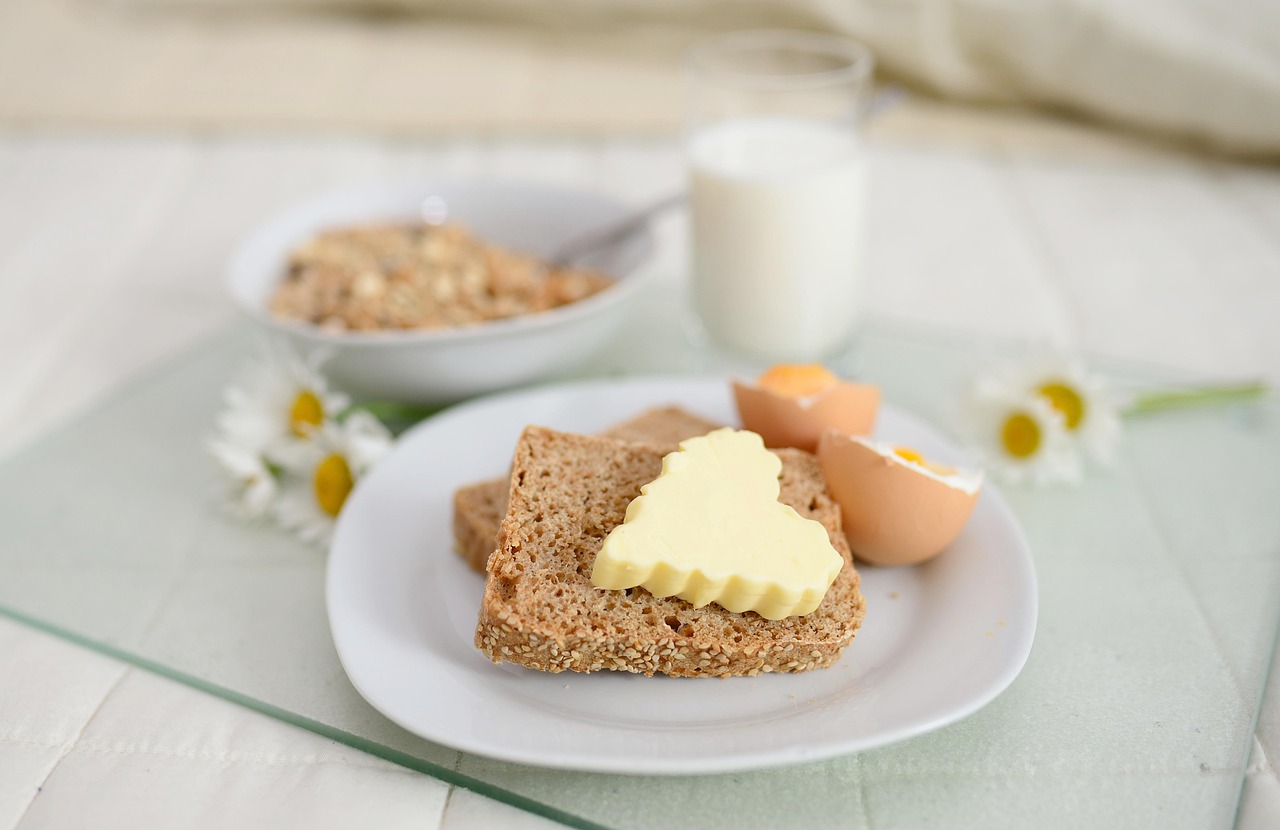
Breakfast presents unique challenges since traditional morning meals often don’t naturally fit the plate model. However, you can adapt the principles effectively. Consider an omelet filled with vegetables (half your plate equivalent), served alongside whole grain toast (carbohydrate quarter) with the eggs providing protein.
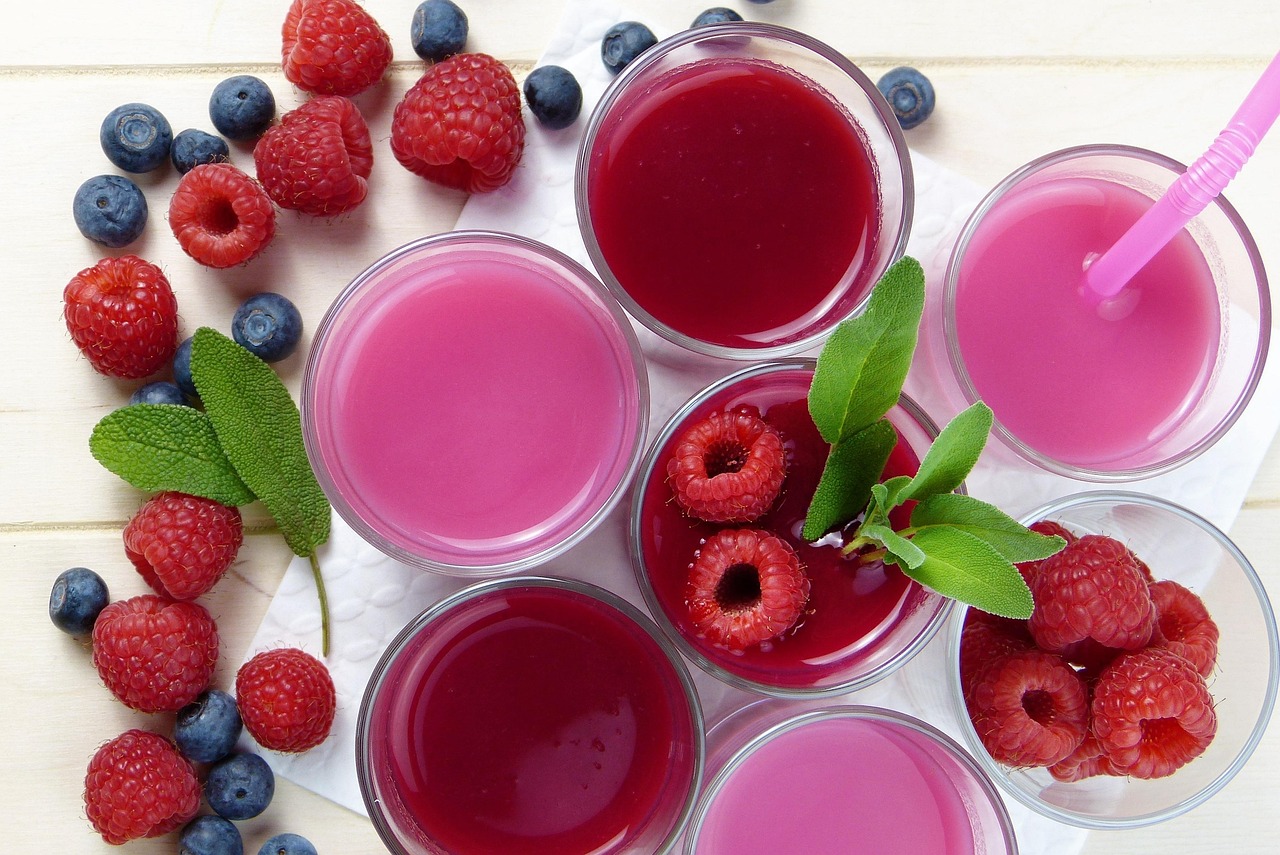
Alternatively, Greek yogurt (protein) topped with berries and nuts, served with oatmeal (carbohydrate) and a side of sliced vegetables or a green smoothie can fulfill the method’s requirements. The key is thinking creatively about how to incorporate all three components.
Lunch and Dinner: Where the Method Shines
Main meals provide the easiest application of the Plate Method. A typical dinner might include a large mixed salad with roasted vegetables (half plate), grilled chicken breast (protein quarter), and quinoa or brown rice (carbohydrate quarter).
Batch cooking components separately gives you flexibility throughout the week. Prepare several protein options, multiple vegetable dishes, and various whole grains, then mix and match according to your preferences each day.
Navigating Restaurants and Social Situations
Restaurant portions typically exceed appropriate serving sizes, but you can still apply Plate Method principles. Request extra vegetables instead of fries, ask for dressings and sauces on the side, and don’t hesitate to take half your meal home immediately upon arrival.
At buffets or potlucks, use a single plate and visualize the divisions before serving yourself. Fill the vegetable section first, which naturally limits space for other components and prevents overloading your plate.
Common Mistakes and How to Avoid Them
Even with its simplicity, people make predictable errors when starting the Plate Method. Recognizing these pitfalls helps you navigate them successfully.
The Starchy Vegetable Confusion
Many people mistakenly count potatoes, corn, and peas as part of their vegetable half. These starchy vegetables belong in the carbohydrate quarter instead. Your vegetable half should consist primarily of non-starchy options that are lower in calories and carbohydrates but high in fiber and nutrients.
Making this distinction ensures you’re not inadvertently consuming excess carbohydrates while shortchanging yourself on the nutrient-dense vegetables that should dominate your plate.
Portion Creep and Plate Size Matters
Using oversized plates defeats the method’s purpose. A 9-inch plate is the recommended standard—significantly smaller than the 12-inch or larger plates common in many households. If your plates are larger, either switch to smaller ones or mentally adjust the proportions to maintain appropriate serving sizes.
Similarly, piling food high or going back for seconds of only certain categories undermines the balance. Keep portions relatively flat across your plate for the most accurate representation.
Forgetting About Beverages and Additions
The Plate Method addresses solid foods but doesn’t automatically account for beverages, cooking oils, or condiments. These additions significantly impact your nutritional intake. Pair your balanced plate with water, unsweetened tea, or other zero-calorie beverages rather than sugary drinks.
Be mindful of added fats in cooking and at the table. While healthy fats are essential, they’re calorie-dense. A small serving of nuts, avocado, or olive oil complements your plate without overwhelming it nutritionally.
📊 Comparing the Plate Method to Other Approaches
Understanding how the Plate Method stacks up against alternative nutritional strategies helps you appreciate its unique benefits.
| Approach | Complexity | Flexibility | Sustainability | Equipment Needed |
|---|---|---|---|---|
| Plate Method | Very Low | High | Excellent | None |
| Calorie Counting | High | Moderate | Moderate | Apps/Scales |
| Macro Tracking | Very High | Moderate | Low | Apps/Scales |
| Meal Plans | Moderate | Low | Low | Recipes |
| Intuitive Eating | Low | Very High | Variable | None |
The Plate Method occupies a sweet spot: structured enough to provide clear guidance but flexible enough to accommodate individual preferences and circumstances. Unlike restrictive diet plans, it teaches principles rather than prescribing specific foods.
Adapting the Method for Specific Health Goals
While the basic Plate Method works beautifully for general health, slight modifications can address specific nutritional needs or health conditions.
Diabetes Management and Blood Sugar Control
The Plate Method originated partly as a tool for diabetes management. Its balanced approach naturally regulates carbohydrate intake while emphasizing fiber-rich foods that moderate blood sugar responses. People with diabetes might focus particularly on choosing low-glycemic carbohydrates and monitoring their carbohydrate quarter carefully.
Pairing carbohydrates with protein and healthy fats further slows digestion and prevents glucose spikes. This built-in balance makes the Plate Method superior to many alternatives for blood sugar management.
Weight Loss Without Calorie Obsession
For weight loss, the Plate Method works by naturally creating a calorie deficit through increased vegetable consumption and controlled portions of calorie-dense foods. The high fiber content promotes satiety, reducing overall calorie intake without conscious restriction.
To enhance weight loss results, focus on the lowest-calorie vegetables for your half-plate portion, choose the leanest proteins, and select minimally processed whole grains. Avoid adding excessive fats during cooking or at the table.
Athletic Performance and Muscle Building
Athletes with higher energy needs might adjust proportions slightly, potentially increasing the carbohydrate quarter to fuel intense training. Those focused on muscle building might emphasize protein quantity while maintaining the overall balance framework.
Timing matters for athletic performance. Consider eating larger portions of carbohydrates before and after workouts when your body needs fuel most urgently, while maintaining standard proportions during other meals.
🌟 Building Lasting Habits Around the Plate Method
Long-term success requires transforming the Plate Method from a conscious technique into an automatic habit. Several strategies accelerate this transition.
Meal Prepping with the Method in Mind
Dedicate time weekly to prepare components for each plate section. Roast multiple types of vegetables, cook several protein options, and prepare whole grains in batches. Store them separately in portioned containers, making meal assembly quick and mindless throughout the week.
This preparation removes decision-making during busy moments when you’re most likely to abandon healthy intentions. Having pre-prepared components ready makes following the Plate Method easier than ordering takeout.
Teaching Family Members and Creating Shared Meals
When everyone in your household understands and follows the Plate Method, it becomes the default rather than a special effort. Teach children the principle early, making it a natural part of how they think about food rather than a diet they might one day need.
Serve meals family-style with separate bowls for each component, allowing everyone to build their own balanced plates. This approach teaches autonomy while maintaining nutritional structure.
Tracking Progress Beyond the Scale
While weight might change when following the Plate Method, other markers better indicate success. Notice improved energy levels, better sleep quality, more stable moods, improved digestion, and reduced cravings for unhealthy foods.
Take periodic photos of your meals to verify you’re maintaining proper proportions. Over time, your eyes will naturally calibrate to recognize balanced plates without conscious effort.
Overcoming Plateaus and Staying Motivated
Even the best nutritional approach can feel monotonous without conscious effort to maintain interest and progress.
Challenge yourself to try one new vegetable weekly, expanding your half-plate options continuously. Experiment with different cooking methods, seasonings, and cultural cuisines that maintain the basic structure while providing novelty. International cuisines often naturally align with the Plate Method, offering inspiration from Mediterranean, Asian, and Latin American traditions.
If weight loss stalls despite consistent application, evaluate your beverage choices, cooking methods, and portion accuracy. Sometimes subtle shifts in plate size or additions like oils and dressings create unexpected calorie increases.
Connect with communities of others using the Plate Method for accountability and inspiration. Share favorite combinations, restaurant successes, and creative adaptations that keep the approach fresh and engaging.
🚀 Your Action Plan: Starting Today
Ready to implement the Plate Method immediately? Follow this straightforward action plan to begin your journey toward balanced nutrition.
First, measure your current dinner plates. If they exceed 9 inches, purchase appropriately sized plates or use salad plates for main courses initially. Physical plate size dramatically impacts your success with this method.
Second, stock your kitchen with appropriate foods for each plate section. Shop the produce section extensively for diverse vegetables, select several lean protein sources, and choose whole grain options you genuinely enjoy eating.
Third, plan your first week of meals using the Plate Method framework. Start with familiar foods arranged in new proportions rather than attempting complicated new recipes. Simplicity increases adherence initially.
Fourth, prepare a meal using the method mindfully. Take a photo before eating to document your starting point. Eat slowly, noticing how the balanced combination affects your satiety and satisfaction differently than previous eating patterns.
Finally, commit to consistency for at least three weeks. Research suggests this timeframe allows new behaviors to feel more automatic. After 21 days, assess how you feel physically and emotionally, then adjust as needed.
Embracing Simplicity as Your Path to Nutritional Excellence
The Plate Method represents a fundamental truth about sustainable healthy eating: simplicity beats complexity every time. Complicated dietary systems might work temporarily, but they rarely become lifelong habits. When healthy eating becomes as simple as looking at your plate, you’ve removed the primary barrier to nutritional success.
This visual approach respects both nutritional science and human psychology. It provides structure without rigidity, guidance without obsession, and results without deprivation. Whether you’re managing a health condition, pursuing fitness goals, or simply wanting to feel better daily, the Plate Method offers a practical framework that actually works in real life.
Start implementing this approach today. Your body doesn’t need perfection—it needs consistency with balanced, nourishing meals. The Plate Method delivers exactly that, transforming healthy eating from a complicated challenge into a simple, sustainable practice that serves you for life. Your journey toward balanced nutrition begins with a single properly portioned plate. Make yours count! 🎉