Eating healthy doesn’t have to mean complicated meal plans or hours spent in the kitchen. The plate method simplifies nutrition while meal prep with reusable containers makes it sustainable and convenient for your busy lifestyle.

If you’ve struggled with portion control, confusing diet rules, or endless food waste, you’re not alone. Many people abandon healthy eating because it feels overwhelming. But what if there was a visual, intuitive approach that takes the guesswork out of balanced meals while supporting environmental sustainability? That’s exactly what combining the plate method with smart meal prep in reusable containers offers.
🍽️ Understanding the Plate Method: Your Visual Guide to Balanced Nutrition
The plate method is a simple, science-backed approach to creating nutritionally balanced meals without counting calories or weighing food. Originally developed by diabetes educators and nutritionists, this method uses your plate as a visual template to ensure you’re getting the right proportions of vegetables, proteins, and carbohydrates at every meal.
The basic principle divides your plate into three sections: half the plate for non-starchy vegetables, one quarter for lean protein, and one quarter for whole grains or starchy vegetables. This visual approach makes healthy eating accessible to everyone, regardless of nutritional knowledge or cooking experience.
What makes the plate method so effective is its flexibility. Unlike rigid diets that restrict entire food groups or require meticulous tracking, this approach works with your preferences and cultural food traditions. You can adapt it to vegetarian, vegan, Mediterranean, or any other eating style while maintaining nutritional balance.
Breaking Down Your Plate: The Perfect Proportions
Let’s examine each section of your plate in detail to understand how these proportions support optimal health and energy levels throughout your day.
Half Your Plate: Non-Starchy Vegetables 🥗
This largest section should be filled with colorful, nutrient-dense vegetables that are low in calories but high in vitamins, minerals, and fiber. Think leafy greens, broccoli, bell peppers, tomatoes, cucumbers, zucchini, cauliflower, asparagus, and mushrooms.
These vegetables provide essential micronutrients while adding volume to your meals, helping you feel satisfied without excessive calories. The fiber content supports digestive health and helps stabilize blood sugar levels, preventing energy crashes between meals.
Variety is crucial here. Different colored vegetables provide different phytonutrients, so aim for a rainbow on your plate throughout the week. This diversity ensures you’re getting a comprehensive range of protective compounds that support immune function and reduce inflammation.
One Quarter: Lean Protein Sources 💪
Protein is essential for muscle maintenance, immune function, hormone production, and satiety. This quarter of your plate should feature lean protein sources like chicken breast, fish, turkey, tofu, tempeh, legumes, eggs, or Greek yogurt.
The amount should be roughly the size of your palm or a deck of cards. This portion provides adequate protein without excess saturated fat or calories. Rotating your protein sources throughout the week ensures you get different amino acid profiles and nutrients.
Plant-based proteins like beans, lentils, and chickpeas offer the added benefit of fiber, making them particularly filling. When using these legumes, they can count toward both your protein and carbohydrate quarters, adjusting your plate accordingly.
One Quarter: Whole Grains and Starchy Vegetables 🌾
This section provides the energy-giving carbohydrates your body needs for physical activity and brain function. Choose whole grains like brown rice, quinoa, whole wheat pasta, oats, or farro, or starchy vegetables like sweet potatoes, regular potatoes, corn, or winter squash.
Whole grains contain fiber, B vitamins, and minerals that refined grains lack. They digest more slowly, providing sustained energy rather than blood sugar spikes. This quarter should be about the size of your clenched fist.
Don’t fear carbohydrates—they’re an important macronutrient. The key is choosing complex carbohydrates with fiber rather than refined, processed options. This approach supports athletic performance, cognitive function, and overall vitality.
🥡 Why Reusable Containers Transform Your Meal Prep Game
Once you understand the plate method, transferring this knowledge to meal prep with reusable containers creates a powerful system for consistent healthy eating. The right containers make it easy to portion meals correctly, store them safely, and grab them when you’re rushing out the door.
Reusable containers offer environmental benefits that disposable options simply can’t match. By investing in quality containers, you eliminate single-use plastic waste while saving money over time. Many modern containers are designed to last for years with proper care.
The transparency of many reusable containers lets you see your meal at a glance, making it easier to ensure you’ve followed the plate method proportions. Compartmentalized containers are particularly useful for keeping different food components separate until you’re ready to eat.
Choosing the Right Reusable Containers for Plate Method Meal Prep
Not all containers are created equal. The best options for plate method meal prep have specific features that make portioning and storage more effective.
Glass Containers: The Premium Choice ✨
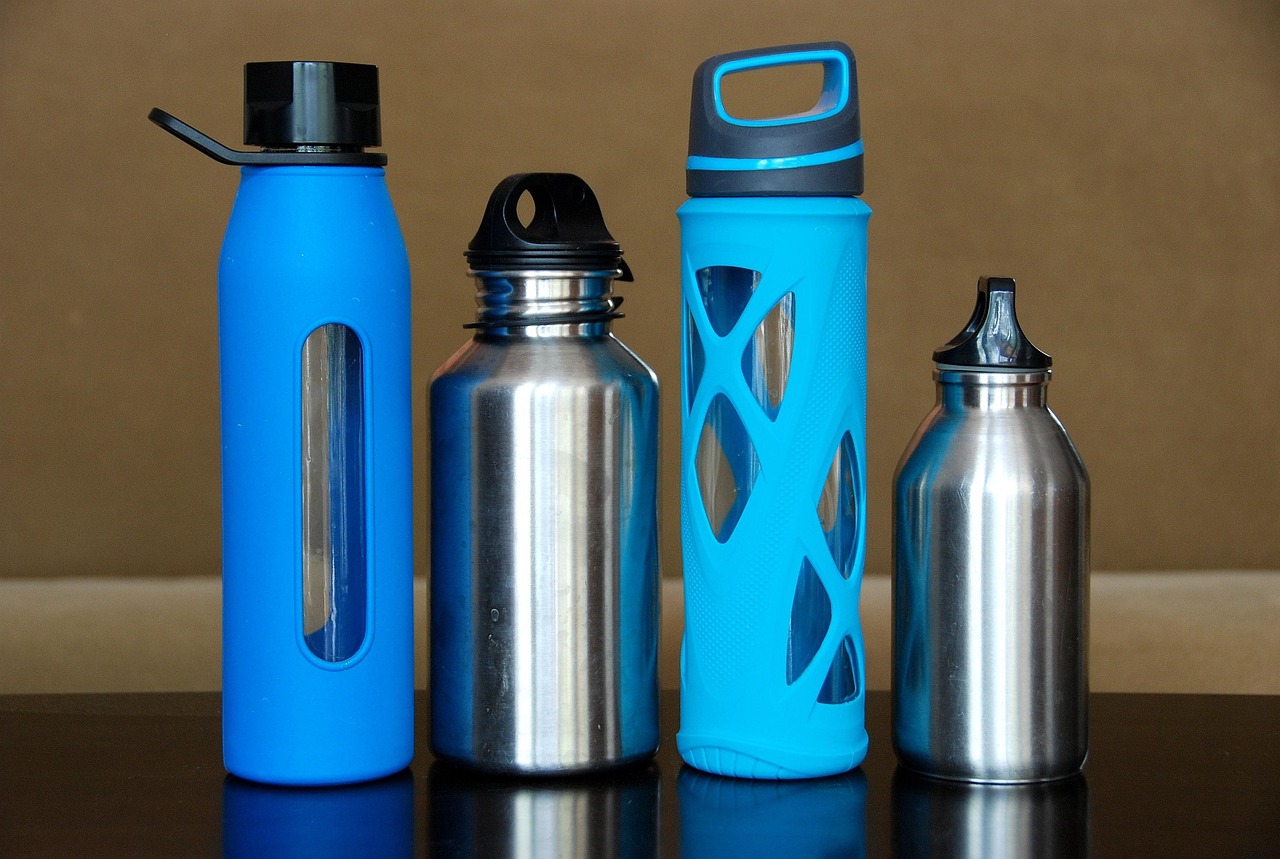
Glass containers are durable, non-toxic, and don’t absorb odors or stains. They’re microwave, oven, and dishwasher safe, offering maximum versatility. The weight makes them less portable but ideal for home meal prep and storage.
Look for borosilicate glass, which resists thermal shock and won’t crack from temperature changes. Snap-lock lids with silicone seals prevent leaks while keeping food fresh longer. Many glass containers now come with divided sections perfect for plate method portioning.
Stainless Steel: Lightweight and Durable 🔧
Stainless steel containers are lighter than glass, making them excellent for taking meals to work or school. They’re virtually indestructible and naturally antibacterial. However, they’re not microwave-safe and you can’t see the contents without opening them.
Choose food-grade 304 or 316 stainless steel, and look for containers with secure locking mechanisms. Some designs include removable dividers that let you customize compartment sizes based on your meal.
BPA-Free Plastic: Budget-Friendly and Practical 💰
High-quality BPA-free plastic containers offer a lightweight, affordable option. They’re transparent, microwave-safe (check manufacturer instructions), and come in numerous sizes and configurations. The downside is they may stain, absorb odors, and degrade over time.
Look for containers marked as BPA-free, phthalate-free, and food-safe. Polypropylene (marked with recycling symbol #5) is generally considered one of the safer plastics for food storage. Replace plastic containers when they become scratched or cloudy.
📦 Mastering Meal Prep with the Plate Method: Step-by-Step
Combining the plate method with organized meal prep creates a sustainable routine that saves time, reduces stress, and ensures you always have healthy meals ready. Here’s how to implement this system effectively.
Step 1: Plan Your Weekly Menu
Dedicate 15-20 minutes each week to planning your meals. Choose 2-3 protein sources, 3-4 different vegetables, and 2-3 carbohydrate options. This variety prevents boredom while keeping shopping and prep manageable.
Consider your schedule when planning. If you have late meetings on Wednesdays, prepare something quick to reheat. If weekends are more relaxed, you might cook fresh rather than reheating prepped meals. Flexibility is key to sustainability.
Step 2: Shop with Purpose 🛒
Create a shopping list organized by store sections: produce, proteins, grains, and pantry staples. Stick to your list to avoid impulse purchases and food waste. Buy vegetables in various colors and textures for visual appeal and nutritional diversity.
Consider batch-friendly items that store well and can be used in multiple meals. Frozen vegetables are excellent time-savers and often more nutritious than fresh produce that’s been sitting for days.
Step 3: Batch Cook Strategic Components
Rather than preparing complete meals, cook each component separately. Roast several sheet pans of vegetables with different seasonings. Cook 2-3 proteins using different methods. Prepare 2-3 types of grains or starches in your rice cooker or Instant Pot.
This approach, called component cooking, gives you mix-and-match flexibility throughout the week. You can create different flavor combinations while following the same plate method proportions, preventing meal fatigue.
Step 4: Portion into Your Containers
This is where the plate method truly shines. Using your containers, fill half with vegetables, one quarter with protein, and one quarter with your carbohydrate source. If using divided containers, the proportions should reflect the plate method ratios.
Add healthy fats mindfully—a drizzle of olive oil, a small portion of avocado, or a sprinkle of nuts or seeds. These don’t get a plate section but are important for nutrient absorption and satisfaction.
Label containers with contents and date if desired. Store properly in the refrigerator for meals you’ll eat within 3-4 days, and freeze the rest for later in the week or next week.
🌟 Flavor Strategies That Keep Meal Prep Exciting
The biggest complaint about meal prep is taste fatigue. When you eat the same flavors repeatedly, even healthy food becomes unappealing. These strategies keep your plate method meals interesting and delicious.
The Sauce and Seasoning Solution
Prepare your components with minimal seasoning, then add bold sauces and dressings just before eating. Store homemade vinaigrettes, pesto, tahini sauce, salsa, or curry paste in small containers. A tablespoon of flavorful sauce transforms plain grilled chicken and vegetables into an entirely different meal.
This approach also allows family members with different taste preferences to customize their meals from the same prepped components. Kids might want ranch dressing while adults prefer balsamic vinaigrette.
Global Flavor Rotations 🌍
Theme your meals around different cuisines. Mexican-inspired bowls one day, Asian-style the next, then Mediterranean. The plate method works beautifully across all cuisines—the proportions remain constant while ingredients and seasonings change.
Keep your pantry stocked with diverse spices and condiments: cumin, turmeric, ginger, soy sauce, coconut aminos, hot sauce, and herbs. These small additions create big flavor impacts without additional prep time.
Common Plate Method Meal Prep Mistakes and How to Avoid Them
Even with a simple system, certain pitfalls can undermine your success. Recognizing these common mistakes helps you troubleshoot before giving up entirely.
Mistake 1: Over-Prepping and Food Waste
Enthusiasm often leads to preparing seven days of meals on Sunday, only to tire of them by Wednesday. Start with 3-4 days of meals. You can always prep again mid-week if your schedule allows, ensuring fresher food and more variety.
Mistake 2: Neglecting Texture Variety
All mushy or all crunchy gets boring quickly. Include different textures: crispy roasted vegetables, tender proteins, chewy grains, and crunchy additions like nuts or fresh vegetables added before eating. Texture variety makes meals more satisfying and enjoyable.
Mistake 3: Forgetting About Proper Food Safety 🌡️
Cool foods quickly before refrigerating by spreading them on sheet pans. Store containers in the coldest part of your refrigerator (usually the back of lower shelves). Reheat thoroughly to 165°F (74°C) for food safety.
Don’t let prepped meals sit in the “danger zone” (40-140°F or 4-60°C) for extended periods. If taking meals to work, use an insulated bag with ice packs if refrigeration isn’t immediately available.
⏱️ Time-Saving Hacks for Efficient Meal Prep
Efficiency transforms meal prep from a chore into a manageable weekly routine. These strategies minimize time in the kitchen while maximizing results.
Use sheet pan dinners where vegetables and protein cook simultaneously. While those roast, prepare grains in a rice cooker or Instant Pot. This parallel cooking approach cuts active prep time significantly.
Prep ingredients on weekends but cook some components fresh on weeknights. Pre-chopped vegetables and marinated proteins make weeknight cooking faster while maintaining the fresh-cooked taste some people prefer.
Leverage your freezer strategically. Cooked grains, roasted vegetables, and most proteins freeze beautifully. Prepare double batches and freeze half for future weeks when you’re too busy to prep.
Adapting the Plate Method for Special Dietary Needs
The flexibility of the plate method makes it adaptable to virtually any dietary approach or health condition. Here’s how to modify it for common situations.
Plant-Based and Vegan Eating 🌱
Replace animal proteins with legumes, tofu, tempeh, seitan, or high-protein grains like quinoa. When using beans or lentils as your protein, reduce your carbohydrate quarter slightly since legumes provide both protein and carbohydrates.
Pay attention to getting complete proteins by combining complementary plant sources throughout the day. Add nutritional yeast, hemp seeds, or nut butters for additional protein and healthy fats.
Low-Carb or Keto Approaches
Increase the protein quarter and add healthy fats while reducing or eliminating the carbohydrate section. Fill that space with additional non-starchy vegetables or healthy fats like avocado, nuts, or olive oil. This maintains the visual simplicity while adjusting macronutrient ratios.
Blood Sugar Management and Diabetes
The plate method was actually developed for diabetes management, making it ideal for blood sugar control. Focus on high-fiber carbohydrates, lean proteins, and plenty of non-starchy vegetables. This combination slows glucose absorption and prevents spikes.
Pair carbohydrates with protein and fat to further moderate blood sugar response. Monitor your individual response to different foods and adjust portions as needed with guidance from your healthcare team.
🎯 Making It Sustainable: Building Long-Term Habits
The goal isn’t perfect meal prep every single week—it’s creating a flexible system that supports your health goals over months and years. Sustainability beats perfection every time.
Start small if full meal prep feels overwhelming. Begin by prepping just lunches, or even just washing and chopping vegetables so they’re grab-and-go ready. Small consistent habits build momentum better than ambitious plans that quickly collapse.
Give yourself permission to use convenience items strategically. Pre-washed greens, rotisserie chicken, or microwaveable rice aren’t cheating—they’re tools that make healthy eating more accessible when time is tight.
Create a meal prep routine that fits your lifestyle. Some people thrive with Sunday batch cooking sessions. Others prefer splitting prep between two shorter sessions. Some do better preparing ingredients but cooking fresh. Experiment to find what you’ll actually maintain.
Environmental and Financial Benefits of This Approach 🌍
Beyond personal health, this system offers broader benefits that make it even more appealing. Using reusable containers dramatically reduces single-use plastic waste from takeout containers and disposable packaging.
Meal prep reduces food waste by using ingredients purposefully and storing them properly. When you plan meals around what you have, fewer vegetables rot in your crisper drawer and less protein gets freezer-burned and eventually discarded.
Financially, preparing meals at home costs significantly less than restaurant meals or even many meal kit services. The initial investment in quality reusable containers pays for itself within weeks compared to regularly buying takeout.
Buying ingredients in appropriate quantities for your planned meals prevents overbuying. This conscious shopping approach saves money while reducing waste, creating a positive cycle for your budget and the environment.
Your Action Plan: Getting Started This Week
Knowledge means nothing without implementation. Here’s your concrete plan to start mastering balanced eating with the plate method and reusable containers this week.
First, assess your current container situation. Gather what you have and determine if you need to invest in additional containers. Aim for at least 5-7 containers to start, allowing for lunches throughout the work week.
Next, plan just three simple meals using the plate method formula. Choose familiar proteins and vegetables you already know how to cook. Keep it simple—this isn’t about culinary artistry but about establishing the system.
Schedule 2-3 hours this weekend for your first prep session. Put on music or a podcast, and batch cook your chosen components. Portion them into containers following the plate method proportions, and store them properly.
Throughout the week, notice what works and what doesn’t. Did you enjoy the meals? Was the portion size right? Did they stay fresh? Use these observations to refine your approach for next week.
Remember that mastery comes with practice. Your tenth week of meal prep will be dramatically more efficient and effective than your first. Be patient with yourself as you develop this valuable skill that will serve your health for years to come.