Managing diabetes doesn’t have to feel overwhelming, especially when your kitchen becomes your greatest ally. A well-organized, diabetes-friendly pantry can transform your daily routine.

When you open your pantry doors, what do you see? Is it a chaotic jumble of half-opened packages, mystery boxes, and expired items hiding in the back? Or is it a streamlined space where healthy choices are visible and accessible? For anyone managing diabetes, the answer to this question matters more than you might think. Your pantry is the foundation of your meal planning success, and organizing it strategically can make the difference between struggling with blood sugar management and thriving with confidence.
🏠 Why Your Pantry Matters More Than Ever with Diabetes
Living with diabetes means making conscious food choices every single day. When your pantry is disorganized, you’re more likely to reach for convenient but unhealthy options or feel frustrated trying to plan meals. A diabetes-friendly pantry removes decision fatigue and makes healthy eating the path of least resistance.
Research consistently shows that meal preparation and planning are critical components of successful diabetes management. When nutritious ingredients are visible, organized, and ready to use, you’re significantly more likely to prepare balanced meals that support stable blood sugar levels. Your pantry becomes a tool for success rather than a source of stress.
The psychological impact shouldn’t be underestimated either. Opening a well-organized pantry filled with foods that support your health creates a positive mindset. It reinforces your commitment to self-care and makes you feel more in control of your condition.
🧹 The Complete Pantry Purge: Starting Fresh
Before you can create your diabetes-friendly haven, you need to clear the decks. This isn’t about deprivation—it’s about making room for foods that truly serve your health goals.
Items to Remove or Relocate
Begin by removing obvious culprits: sugary cereals, white bread, regular pasta, sweetened beverages, candy, cookies, and processed snacks high in refined carbohydrates. Don’t forget about hidden sugar sources like flavored coffee creamers, sweetened condiments, and jarred sauces loaded with added sugars.
Check expiration dates on everything. Expired foods lose nutritional value and can pose health risks. Be ruthless—if you haven’t used something in six months, it’s probably not going to happen.
Consider relocating foods that don’t support your diabetes management but are used by other family members. Creating a designated “family favorites” section separate from your diabetes-friendly zones can help reduce temptation while respecting others’ preferences.
Reading Labels Like a Pro
As you evaluate each item, practice reading nutrition labels with a diabetes-focused lens. Look beyond just sugar content. Check total carbohydrates, fiber content, serving sizes, and ingredient lists. Foods with whole grains listed first, high fiber content (at least 3 grams per serving), and minimal added sugars should stay.
🥫 Essential Diabetes-Friendly Pantry Staples
Now for the exciting part—stocking your pantry with foods that support stable blood sugar, provide sustained energy, and taste delicious. These staples form the foundation of countless diabetes-friendly meals.
Complex Carbohydrates and Whole Grains
Replace refined grains with whole grain alternatives that digest slowly and have less impact on blood sugar levels. Stock quinoa, brown rice, wild rice, steel-cut oats, whole grain pasta, barley, and bulgur wheat. These provide essential nutrients and fiber while keeping you satisfied longer.
Don’t forget about alternative flours for baking. Almond flour, coconut flour, and whole wheat flour allow you to prepare diabetes-friendly baked goods without blood sugar spikes.
Lean Proteins That Last
Canned fish like salmon, tuna, and sardines provide omega-3 fatty acids and protein without refrigeration needs. Dried beans, lentils, and chickpeas are affordable protein sources that also deliver fiber and complex carbohydrates. Nuts and seeds—almonds, walnuts, chia seeds, flaxseeds, and pumpkin seeds—offer protein, healthy fats, and satisfying crunch.
Healthy Fats for Flavor and Satisfaction
Extra virgin olive oil, avocado oil, and coconut oil should have prominent places in your pantry. Natural nut butters without added sugar (check those labels!) provide both protein and healthy fats. Keep a variety on hand for different culinary applications.
Flavor Boosters Without the Blood Sugar Impact
Herbs and spices are your best friends for creating delicious meals without adding carbohydrates or sodium. Build a collection including cinnamon (which may help with insulin sensitivity), turmeric, garlic powder, cumin, paprika, oregano, basil, and more.
Stock low-sodium broths, tomato paste, vinegars (apple cider, balsamic, red wine), mustards, and sugar-free hot sauces. These add depth to recipes without compromising blood sugar control.
📦 Smart Organization Strategies That Work
Having the right foods is only half the battle. How you organize them determines whether you’ll actually use them effectively.
Zone Your Pantry by Function
Create dedicated zones based on how you use ingredients. Establish a breakfast zone with oats, nuts, seeds, and sugar-free toppings. Set up a baking section with alternative flours and sugar substitutes. Designate an area for quick meal staples like canned fish, beans, and whole grain pasta.
This functional organization means you can quickly locate what you need when planning meals or preparing food, reducing the likelihood of grabbing less healthy convenience options.
The Eye-Level Rule
Place your most frequently used diabetes-friendly items at eye level where they’re immediately visible. This prime real estate should go to foods you want to eat regularly. Less healthy options (if you keep any) should go on higher or lower shelves where they’re out of sight and require extra effort to access.
Container and Labeling Systems
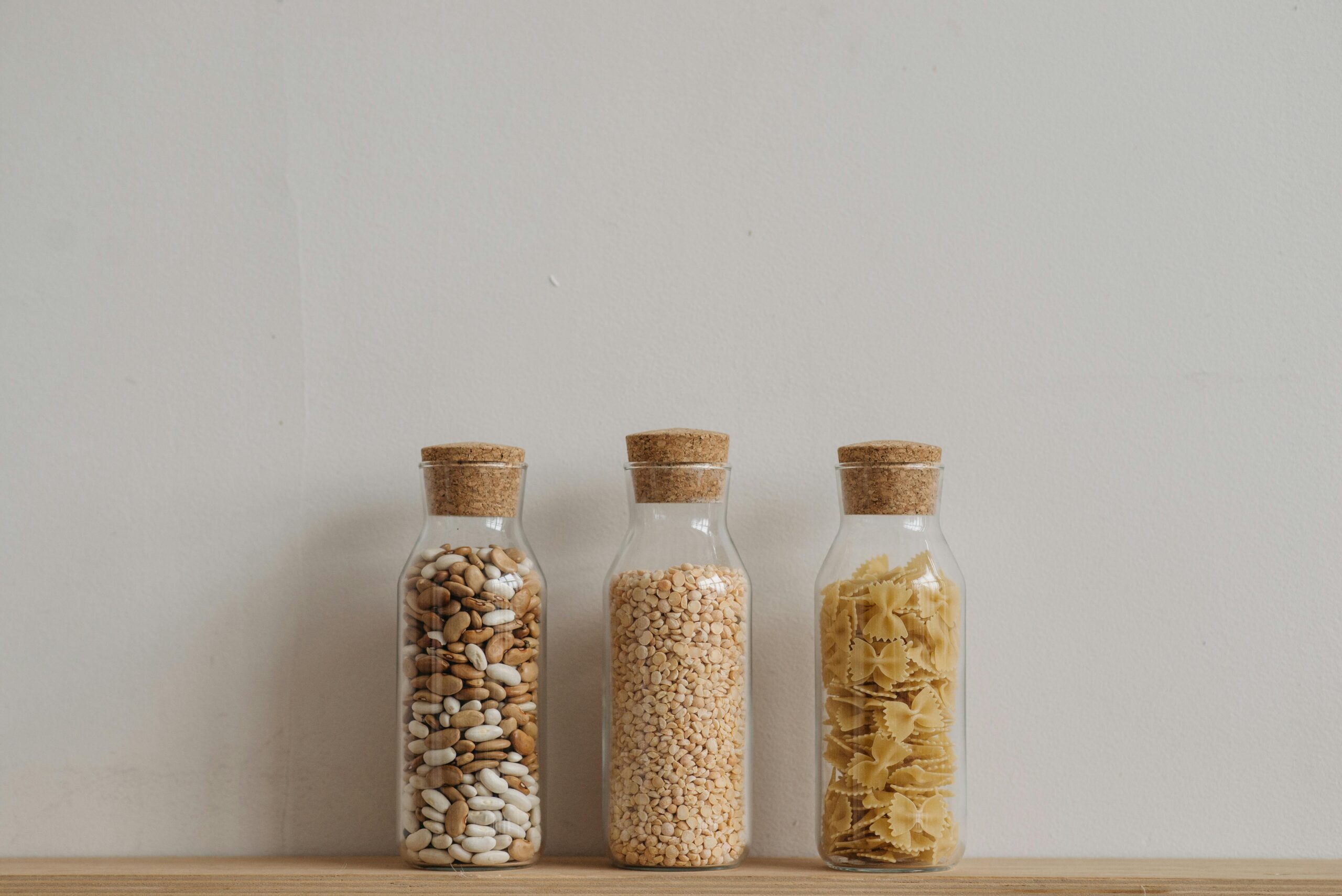
Transfer dry goods into clear, airtight containers. This serves multiple purposes: you can see when supplies are running low, ingredients stay fresher longer, and the visual consistency creates a calming, organized appearance.
Label everything with both the contents and the date you opened or transferred it. For items like flour and grains that might look similar, add nutritional information to the label—especially carbohydrate content per serving.
First In, First Out Rotation
Adopt the restaurant industry practice of rotating stock. When you purchase new items, place them behind existing ones so you use older products first. This minimizes waste and ensures you’re eating foods at peak freshness and nutritional value.
🍽️ Meal Prep Made Simple with Strategic Organization
An organized pantry dramatically simplifies meal preparation, which is crucial for maintaining consistent blood sugar control.
Create Meal Theme Stations
Group ingredients by meal themes you frequently prepare. Have a “Mexican night” section with beans, whole grain tortillas, salsa, and spices. Set up an “Asian-inspired” zone with brown rice, low-sodium soy sauce, sesame oil, and rice vinegar. This clustering makes meal planning intuitive and speeds up preparation.
Pre-Portion Snacks and Ingredients
Dedicate a pantry section to pre-portioned snacks in small containers or bags. Measure out appropriate serving sizes of nuts, seeds, whole grain crackers, or homemade trail mix. Having grab-and-go options with known carbohydrate counts removes guesswork and prevents overeating.
Keep a Running Inventory
Maintain a simple list—either on paper attached to the inside of your pantry door or digitally on your phone—of what you have and what needs replenishing. This prevents duplicate purchases and ensures you always have essentials on hand for meal preparation.
📱 Technology Tools for Pantry Management
Several apps can help you track pantry inventory, plan diabetes-friendly meals, and maintain organization. While a simple notepad works well, digital tools offer added convenience.
Meal planning apps with diabetes-specific features can suggest recipes based on your pantry inventory while calculating carbohydrate content. Some apps allow you to scan barcodes to quickly add items to your digital pantry and track nutritional information.
Barcode scanning apps help you evaluate new products while shopping, giving instant access to detailed nutritional information and ingredient lists. This supports making informed decisions before items even enter your home.
🛒 Strategic Shopping for Pantry Success
Maintaining your diabetes-friendly pantry requires intentional shopping habits.
Never Shop Without a List
Create your shopping list directly from your pantry inventory and weekly meal plan. This focused approach prevents impulse purchases of foods that don’t support your health goals. Organize your list by store sections to make shopping more efficient.
Read Every Label, Every Time
Even products you’ve purchased before can change formulations. Always check nutrition labels and ingredient lists, looking specifically at total carbohydrates, fiber, added sugars, and serving sizes. Compare brands to find the best options for blood sugar management.
Bulk Buying Wisely
Purchasing diabetes-friendly staples in bulk can save money, but only if you’ll use them before they expire. Focus bulk buying on shelf-stable items you use regularly: nuts, seeds, whole grains, beans, and lentils. Ensure you have adequate storage containers to maintain freshness.
💡 Troubleshooting Common Pantry Challenges
Limited Space Solutions
If your pantry is small, maximize vertical space with stackable containers and shelf risers. Use the inside of the pantry door for hanging storage racks that hold spices, snacks, or small items. Under-shelf baskets create additional storage without requiring extra space.
Prioritize keeping only diabetes-friendly essentials you actually use. A small, well-organized pantry filled with the right foods is infinitely more useful than a large, cluttered one.
Family Members with Different Dietary Needs
Designate specific shelves or sections for diabetes-friendly foods versus family items. Use different colored containers or labels to distinguish between the two. Involve family members in understanding why certain foods are in specific locations, building support for your health management.
Staying Motivated Through the Process
Take before and after photos of your pantry transformation. When motivation wanes, these visual reminders show how far you’ve come. Set a calendar reminder for monthly pantry reviews to check expiration dates, reorganize as needed, and refresh your system.
🎯 Maintaining Your Diabetes-Friendly System Long-Term
Creating the perfect pantry is just the beginning—maintaining it requires building sustainable habits.
Weekly Mini-Audits
Dedicate 10 minutes each week to quick pantry maintenance. Check for items nearing expiration, reorganize anything that’s gotten messy, update your inventory list, and plan the next week’s meals based on what you have.
Quarterly Deep Reorganizations
Every three months, perform a more thorough pantry review. Remove everything, wipe down shelves, reassess your organization system, donate unopened items you won’t use, and refine your setup based on what’s working and what isn’t.
Continuous Learning and Adaptation
As you discover new diabetes-friendly foods and recipes, integrate them into your pantry system. Stay informed about nutrition research and product developments. Your pantry should evolve with your knowledge and changing needs.
🌟 Real-Life Impact: Beyond Organization
The benefits of a well-organized, diabetes-friendly pantry extend far beyond neat shelves and tidy containers.
When healthy ingredients are accessible and meal preparation is simplified, you’re more likely to cook at home rather than relying on restaurant meals or processed foods. This consistency supports better blood sugar control, which reduces diabetes complications and improves overall health outcomes.
The financial impact matters too. Less food waste from expired products, fewer impulse purchases, and reduced restaurant spending can significantly lower your food costs. Investing time in pantry organization literally pays dividends.
Perhaps most importantly, taking control of your pantry empowers you to take control of your diabetes management. The confidence that comes from knowing you have the tools, ingredients, and systems to succeed creates positive momentum in all areas of health management.
🚀 Your Journey Starts Today
Transforming your pantry into a diabetes-friendly haven doesn’t require perfection—it requires starting. You don’t need to overhaul everything in one day. Begin with one shelf, one zone, or one category of foods. Small, consistent improvements create lasting change.
Remember that this pantry is uniquely yours. While the principles of diabetes-friendly organization remain constant, how you implement them should reflect your cooking style, food preferences, cultural traditions, and household dynamics. There’s no single “right way”—only the way that works for you.
As you work through this process, be patient with yourself. Organization skills develop with practice. Some systems will work immediately while others need adjustment. That’s not failure—it’s learning what serves your specific needs.
Your diabetes-friendly pantry becomes more than a storage space. It’s a daily reminder of your commitment to health, a tool that simplifies meal preparation, and a foundation for stable blood sugar management. Every time you open those doors and easily find exactly what you need to prepare a nutritious meal, you’re investing in your long-term wellbeing.
The pantry transformation you create today ripples into better food choices tomorrow, improved blood sugar control next week, and enhanced quality of life for years to come. Your future self will thank you for the effort you invest now in creating a space that truly supports your health journey. Take that first step today—your diabetes-friendly haven awaits.