Managing type 2 diabetes doesn’t have to be complicated. The plate method offers a simple, visual approach to balanced eating that helps control blood sugar without constant measuring or counting.

If you’ve recently been diagnosed with type 2 diabetes, you’re probably feeling overwhelmed by dietary advice. Complex carbohydrate calculations, food exchanges, and nutrition labels can seem daunting. That’s where the plate method comes in—a straightforward visual guide that transforms meal planning from a mathematical challenge into an intuitive, sustainable habit that supports your health goals.
🍽️ What Is the Plate Method for Diabetes Management?
The plate method is a practical meal-planning strategy recommended by diabetes educators and nutritionists worldwide. Instead of weighing food or counting every gram of carbohydrate, you simply divide your plate into sections dedicated to different food groups. This visual approach ensures proper portion sizes and nutrient balance at every meal.
The standard diabetes plate method uses a 9-inch dinner plate divided into three sections. Half the plate goes to non-starchy vegetables, one quarter to lean proteins, and the remaining quarter to carbohydrates. This simple division naturally limits carbohydrate intake while maximizing fiber and nutrients—exactly what your body needs to maintain stable blood sugar levels throughout the day.
What makes this approach particularly effective for T2D beginners is its flexibility. You don’t need special foods, complicated recipes, or expensive meal plans. The plate method works with foods you already enjoy and adapts easily to different cuisines, dietary preferences, and social situations.
Breaking Down Your Diabetes-Friendly Plate
Half Your Plate: Non-Starchy Vegetables 🥗
Non-starchy vegetables should occupy the largest portion of your plate—a full 50%. These nutrient-dense foods are low in calories and carbohydrates but packed with vitamins, minerals, and fiber that help slow glucose absorption and keep you feeling satisfied.
Excellent non-starchy vegetable choices include leafy greens like spinach, kale, and lettuce; cruciferous vegetables such as broccoli, cauliflower, and Brussels sprouts; peppers, tomatoes, cucumbers, zucchini, green beans, asparagus, mushrooms, and eggplant. These colorful options provide antioxidants that combat inflammation—a common concern for people with diabetes.
The beauty of filling half your plate with these vegetables is that you can eat generous portions without worrying about blood sugar spikes. Whether steamed, roasted, grilled, or raw in salads, these vegetables add volume, texture, and flavor to your meals while supporting better glucose control.
One Quarter: Lean Protein Sources 🍗
Protein occupies one quarter of your plate and plays a crucial role in blood sugar management. Unlike carbohydrates, protein doesn’t directly raise blood glucose levels. It helps you feel full longer, preserves muscle mass, and slows the digestion of carbohydrates eaten at the same meal—all important factors for diabetes management.
Quality protein choices include skinless chicken or turkey, fish and seafood (especially fatty fish like salmon, mackerel, and sardines rich in omega-3 fatty acids), lean cuts of beef or pork, eggs, tofu and tempeh, low-fat cottage cheese, and legumes like beans and lentils. Plant-based proteins often come with the added benefit of fiber, which further supports blood sugar stability.
Aim for about 3-4 ounces of protein per meal, roughly the size of a deck of cards or the palm of your hand. Preparation methods matter too—grilling, baking, broiling, or sautéing with minimal oil keeps protein portions diabetes-friendly without adding unnecessary calories or unhealthy fats.
One Quarter: Carbohydrate Foods 🌾
The final quarter of your plate is designated for carbohydrate-containing foods. This is the section that most directly impacts blood sugar, so choosing wisely makes a significant difference in your glucose response.
Focus on complex carbohydrates and whole grains that provide sustained energy rather than quick spikes. Excellent options include quinoa, brown rice, whole wheat pasta, oats, barley, whole grain bread, sweet potatoes, winter squash, corn, peas, and beans. These foods contain fiber that slows digestion and helps prevent rapid blood sugar increases.
Portion control is essential here. That quarter-plate serving typically translates to about 1/2 to 2/3 cup of cooked grains or starchy vegetables. While it may seem small compared to what you’re used to, when combined with the protein and abundant vegetables, it creates a satisfying, balanced meal that keeps blood sugar in check.
Completing Your Meal: The Extras That Matter
Adding Healthy Fats 🥑
While not represented as a separate section on the plate, healthy fats play an important supporting role in diabetes-friendly eating. Small amounts of healthy fats improve nutrient absorption, add flavor, and increase meal satisfaction.
Include sources like olive oil, avocado, nuts, seeds, and fatty fish. Use fats sparingly—a tablespoon of olive oil for cooking, a quarter of an avocado, or a small handful of nuts. These portions provide benefits without excessive calories that could lead to weight gain, which can worsen insulin resistance.
Beverage Choices 💧
Your drink selection matters as much as what’s on your plate. Water should be your primary beverage choice. Unsweetened tea, coffee, and sparkling water are also excellent options that won’t raise blood sugar.
If you prefer milk, choose low-fat or skim varieties and remember to account for their carbohydrate content. A cup of milk contains about 12 grams of carbohydrates. Avoid regular sodas, sweetened teas, fruit juices, and energy drinks—these liquid sugars cause rapid blood glucose spikes without providing satiety.
Practical Tips for Implementing the Plate Method
Start With the Right Plate Size
Plate size matters more than you might think. The standard recommendation uses a 9-inch dinner plate. Many modern dinner plates measure 11-13 inches, which can unconsciously lead to larger portions and excess carbohydrate intake. Investing in appropriately sized plates makes portion control automatic and effortless.
Visualize Before You Fill
Before adding food, mentally divide your plate into the three sections. This mental preparation helps you plan your meal composition and prevents the common mistake of filling your plate randomly and ending up with disproportionate servings.
Build Your Plate in Order
Fill your plate strategically. Start with non-starchy vegetables first—this ensures you don’t shortchange this crucial category. Next, add your protein portion. Finally, add carbohydrates last. This sequence helps prevent accidentally overfilling the carbohydrate section, which is the most common portioning error for diabetes management.
Adapting the Plate Method to Different Meals and Cuisines
Breakfast Application 🍳
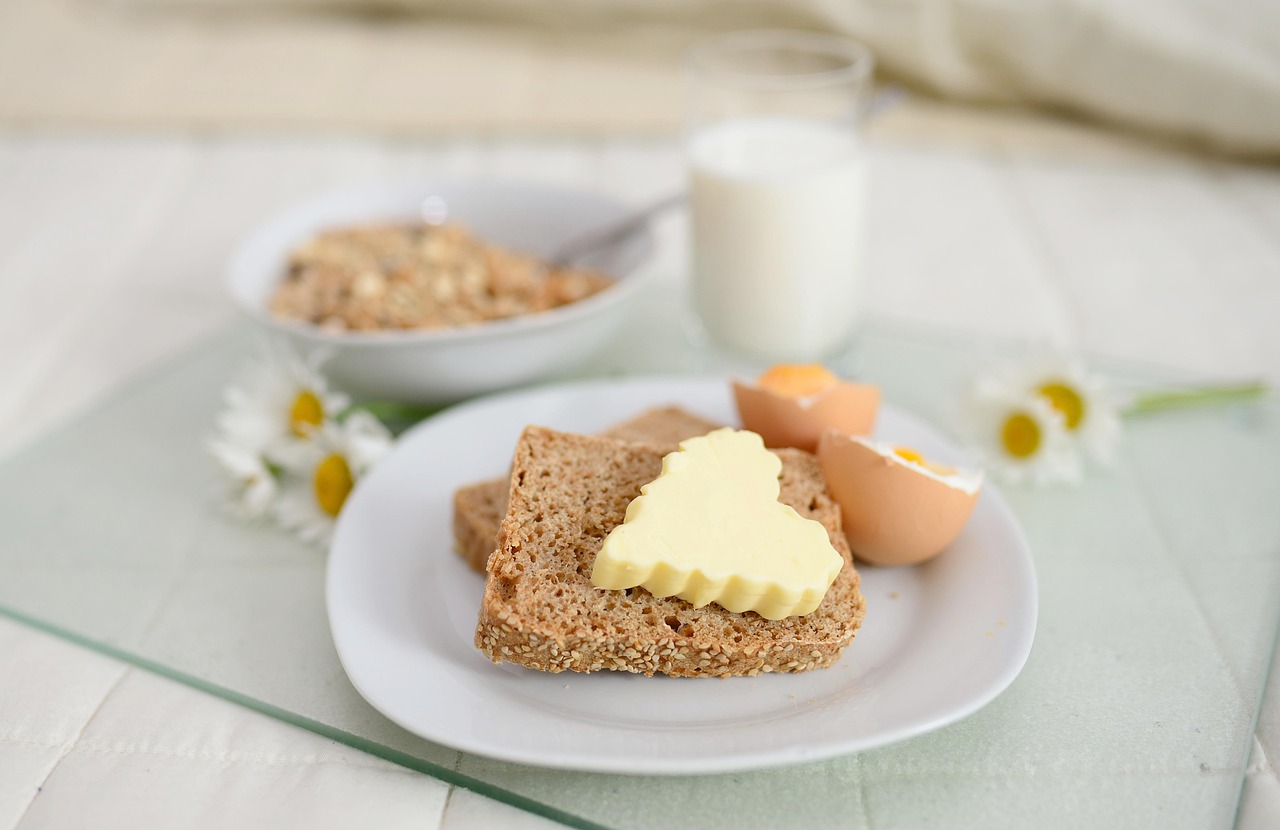
The plate method works beautifully for breakfast, though the foods look different than lunch or dinner. Fill half your plate with vegetables like sautéed spinach, mushrooms, tomatoes, or peppers. Add a quarter-plate of protein such as eggs, Greek yogurt, or cottage cheese. The carbohydrate quarter might include whole grain toast, oatmeal, or a small serving of fruit.
A practical breakfast example: a two-egg omelet filled with vegetables (half the plate), a slice of whole grain toast (carbohydrate quarter), and the eggs themselves provide the protein quarter. Add a small piece of fruit and you’ve created a perfectly balanced diabetes-friendly breakfast.
International Cuisine Adaptations 🌮
The plate method adapts seamlessly to various cuisines. For Mexican meals, fill half your plate with fajita vegetables or a side salad, add grilled chicken or beans for protein, and limit tortillas or rice to the quarter-plate carbohydrate section. Italian meals might feature a large side salad, grilled fish or chicken, and a modest portion of whole wheat pasta.
Asian cuisine works wonderfully too. Load up on stir-fried vegetables, include tofu or lean meat for protein, and keep rice or noodles to that quarter-plate serving. The key is maintaining those proportions regardless of cuisine style—the plate method’s universal framework makes healthy eating accessible across all food traditions.
Common Mistakes and How to Avoid Them
Misjudging Starchy Vegetables
One frequent error involves placing starchy vegetables in the wrong category. Potatoes, corn, peas, and winter squash are carbohydrates, not non-starchy vegetables. They belong in the quarter-plate carbohydrate section, not the half-plate vegetable section. This distinction significantly impacts blood sugar control.
Drowning Vegetables in High-Calorie Additions
Loading vegetables with butter, cream sauces, cheese, or bacon can transform a healthy choice into a calorie bomb. While vegetables themselves are unlimited on the diabetes plate, their toppings aren’t. Use herbs, spices, lemon juice, vinegar, or small amounts of healthy oils to flavor vegetables without compromising their nutritional benefits.
Ignoring Liquid Carbohydrates
Many people successfully portion their plate but forget that beverages also affect blood sugar. Fruit juice, regular soda, sweet tea, and even milk contain carbohydrates that impact glucose levels. Always consider what you’re drinking as part of your total carbohydrate intake for that meal.
Tracking Your Success Without Obsessing
Monitoring Blood Sugar Patterns 📊
The plate method’s effectiveness becomes clear when you monitor blood glucose responses. Check your blood sugar before meals and two hours afterward to see how different plate combinations affect you personally. This feedback helps you fine-tune your approach and identify which carbohydrate sources work best for your body.
Keep simple notes about what you ate and your corresponding blood sugar readings. Over time, patterns emerge that guide you toward the most effective food choices for your individual metabolism. This personalized data is far more valuable than generic dietary advice.
Using Technology to Support Your Journey 📱
Several apps can help you visualize the plate method and track your meals. Digital tools provide visual reminders, portion guides, and tracking features that reinforce healthy habits while you’re learning. Many apps designed for diabetes management include built-in plate method guides with photo examples and educational resources.
Building Sustainable Habits Beyond the Plate
Meal Timing Consistency ⏰
When you eat matters almost as much as what you eat. Establishing consistent meal times helps regulate blood sugar patterns and makes medication management more predictable. Aim to eat breakfast, lunch, and dinner at roughly the same times each day, spacing meals about 4-5 hours apart.
This consistency helps your body anticipate and prepare for incoming nutrients, improving insulin response. Erratic eating schedules can cause blood sugar fluctuations that make diabetes management unnecessarily difficult, even when food choices are otherwise appropriate.
Mindful Eating Practices
The plate method isn’t just about what’s on your plate—it’s also about how you eat. Slow down and savor your meals. Eating too quickly leads to overeating because satiety signals take 15-20 minutes to reach your brain. Put your fork down between bites, chew thoroughly, and engage in conversation if dining with others.
This mindful approach helps you recognize true fullness, prevents unnecessary second helpings, and improves digestion. It also makes meals more enjoyable, transforming eating from a rushed necessity into a pleasurable, health-supporting activity.
Shopping and Meal Prep Strategies
Grocery Shopping With the Plate in Mind 🛒
Your shopping cart should reflect the plate method proportions. Fill most of your cart with fresh or frozen non-starchy vegetables. Add lean proteins, whole grains, and healthy fats in appropriate amounts. Shopping this way naturally limits processed foods, added sugars, and refined carbohydrates that complicate blood sugar management.
Shop the perimeter of the grocery store first, where fresh produce, proteins, and dairy are typically located. The interior aisles contain more processed, packaged foods that should make up a smaller portion of your purchases. This shopping pattern automatically supports diabetes-friendly eating.
Batch Preparation for Busy Days
Prepare components in advance to make plate method meals quick and convenient. Wash and chop vegetables for the week, cook batches of grains and proteins, and store them in portioned containers. When mealtime arrives, simply assemble your plate from pre-prepared components following the visual guidelines.
This preparation eliminates the “I don’t have time to eat healthy” excuse and prevents impulsive choices when you’re hungry and rushed. Investing a few hours on the weekend creates a week of stress-free, diabetes-friendly meals.

Moving Forward With Confidence
The plate method transforms diabetes management from an overwhelming challenge into a manageable daily practice. Its visual simplicity removes guesswork while its flexibility accommodates personal preferences and real-world situations. You don’t need to be perfect—consistency matters more than perfection.
As you practice, the plate method becomes second nature. You’ll start automatically visualizing proper portions and making better choices without conscious effort. This intuitive approach to eating supports not just blood sugar control but overall health, energy levels, and quality of life.
Remember that managing type 2 diabetes is a marathon, not a sprint. The plate method provides a sustainable framework that works for the long term because it’s based on normal foods and practical portions, not restrictive diets or temporary fixes. Give yourself grace as you learn, celebrate small victories, and trust that each properly balanced plate moves you toward better health.
Start with one meal today. Visualize that plate divided into sections, fill it according to the guidelines, and notice how you feel afterward. That single meal is the beginning of mastering your diabetes management—one plate at a time. Your journey to confident, diabetes-friendly eating starts now, and the plate method is your reliable guide every step of the way.