The plate method transforms the way we approach nutrition by combining portion control with cultural diversity. This ancient yet modern approach to balanced eating celebrates global flavors while maintaining optimal health.

Food is more than sustenance—it’s a passport to understanding different cultures, traditions, and the wisdom accumulated over centuries. By embracing culturally inspired plate-method collections, we discover that healthy eating doesn’t mean sacrificing the rich, complex flavors that make meals memorable and satisfying.
🌍 Understanding the Plate Method Across Cultures
The plate method is a visual approach to portion control that divides your plate into specific sections for different food groups. Traditionally, this means half your plate filled with vegetables, a quarter with lean protein, and a quarter with whole grains or starchy vegetables. However, this framework becomes infinitely more exciting when we view it through a multicultural lens.
Different cultures have intuitively practiced balanced eating for generations, long before modern nutritional science codified these principles. From the Japanese concept of “hara hachi bu” (eating until 80% full) to the Mediterranean emphasis on plant-based foods with quality fats, traditional cuisines offer remarkable templates for healthy, flavorful eating.
The Universal Language of Balance
What makes the plate method so adaptable is its fundamental simplicity. Regardless of whether you’re preparing Thai curry, Mexican tacos, or Indian dal, the basic principles remain constant. The magic happens when you apply these principles while honoring the authentic flavors, ingredients, and cooking techniques that define each cuisine.
This approach eliminates the false choice between eating for health and eating for pleasure. When you savor Korean bibimbap with its colorful arrangement of vegetables, protein, and rice, you’re experiencing both nutritional balance and culinary artistry simultaneously.
🍜 Asian-Inspired Plate Collections
Asian cuisines offer perhaps the most natural alignment with plate-method principles, as many traditional dishes already emphasize vegetable abundance, moderate protein portions, and complex carbohydrates.
Japanese Harmony on a Plate
The Japanese “ichiju-sansai” (one soup, three dishes) meal structure exemplifies balanced eating. A typical plate might include miso soup rich in probiotics, grilled salmon for omega-3 fatty acids, a generous portion of seasoned spinach or other greens, pickled vegetables for gut health, and a modest serving of brown rice.
The visual appeal of Japanese plating—with its attention to color, texture, and seasonal ingredients—naturally encourages mindful eating. This aesthetic consideration isn’t mere decoration; it’s a practice that slows consumption and enhances satisfaction with smaller portions.
Chinese Balance Through Variety
Chinese cuisine’s emphasis on variety within a single meal creates natural portion control. A plate-method approach might feature stir-fried bok choy and mushrooms (vegetables), steamed fish or tofu (protein), and a small portion of congee or brown rice (grains). The wok’s high-heat cooking preserves nutrients while developing deep flavors with minimal oil.
The Chinese concept of “yin and yang” in food—balancing cooling and warming foods, different colors and textures—aligns beautifully with modern nutritional diversity recommendations.
Southeast Asian Spice and Balance
Thai, Vietnamese, and Indonesian cuisines demonstrate how bold flavors can coexist with nutritional balance. A Thai-inspired plate might showcase green papaya salad loaded with vegetables, grilled lemongrass chicken, and jasmine rice, all enhanced with herbs like cilantro, mint, and basil that add flavor without calories.
Vietnamese pho bowls naturally follow plate-method proportions when served deconstructed—abundant fresh herbs and bean sprouts (vegetables), rice noodles (grains), and sliced beef or chicken (protein) in an aromatic, nutrient-rich broth.
🌮 Latin American Vibrance and Nutrition
Latin American cuisines prove that comfort food can be nutritionally balanced when traditional ingredients and preparations are honored.
Mexican Plates Beyond Stereotypes
Authentic Mexican cuisine, stripped of Americanized modifications, offers exceptional nutritional value. A balanced plate features fajita vegetables like peppers and onions, black or pinto beans providing both protein and fiber, a modest portion of corn or whole-grain tortillas, and fresh salsa packed with lycopene-rich tomatoes.
The traditional Mexican breakfast of huevos rancheros exemplifies plate-method balance: eggs for protein, corn tortillas for whole grains, black beans for additional protein and fiber, and fresh pico de gallo adding vegetables without excess calories.
South American Diversity
Brazilian, Peruvian, and Argentine cuisines offer distinct approaches to balanced eating. A Peruvian-inspired plate might include ceviche (protein-rich fish “cooked” in citrus), quinoa (the complete-protein grain native to the Andes), and a generous serving of sliced tomatoes, onions, and cilantro.
The Argentine custom of serving grilled meats with chimichurri sauce and large vegetable salads provides a template for balancing protein-centric meals with plant foods. The key is adjusting proportions—treating the meat as one component rather than the centerpiece.
🥗 Mediterranean Mastery
The Mediterranean diet consistently ranks among the world’s healthiest eating patterns, making it a natural foundation for plate-method collections.
Greek Island Wisdom
A Greek-inspired plate celebrates vegetables through dishes like horiatiki salad (tomatoes, cucumbers, olives, and feta), grilled fish or chicken souvlaki for lean protein, and a portion of whole-grain pita or bulgur wheat. The liberal use of olive oil provides heart-healthy fats that enhance nutrient absorption.
Greek cuisine’s emphasis on legumes—from lentil soup to chickpea dishes—offers plant-based protein options that align perfectly with contemporary nutrition recommendations.
Italian Simplicity
Italian cuisine’s “cucina povera” (peasant cooking) tradition demonstrates that simple ingredients, properly balanced, create both satisfaction and nutrition. A plate-method Italian meal might feature a large arugula salad with cherry tomatoes, grilled chicken or white beans, and a modest portion of whole-grain pasta dressed simply with garlic, olive oil, and herbs.
The Italian practice of serving salad after the main course encourages vegetable consumption when you’re already somewhat full—a clever strategy for portion control.
🍛 Middle Eastern and North African Treasures
These regions offer perhaps the most legume-rich cuisines in the world, making plant-based protein accessibility a defining feature.
Lebanese Meze Magic
The Lebanese meze tradition of sharing multiple small dishes naturally creates variety and balance. A plate might include tabbouleh (bulgur wheat with abundant parsley and vegetables), hummus (chickpea protein), baba ganoush (vegetable-based), and a small portion of grilled kebab, all accompanied by whole-grain pita.
This approach to meal composition encourages sampling diverse flavors and nutrients without overconsuming any single food group.
Moroccan Spice Routes
Moroccan cuisine’s signature tagines provide an ideal one-dish plate-method meal. A chicken and vegetable tagine served over a modest portion of couscous delivers protein, abundant vegetables cooked with aromatic spices, and whole grains, all in proper proportion.
The Moroccan use of spices like cumin, coriander, and turmeric not only creates complex flavors but also provides anti-inflammatory compounds that support overall health.
🌾 African Continent Contributions
African cuisines, often overlooked in Western dietary discussions, offer remarkable examples of plant-forward, balanced eating.
West African Whole Foods
Nigerian, Ghanaian, and Senegalese cuisines center on vegetable-rich stews served with whole-grain staples. A plate might feature egusi soup (made with leafy greens and ground melon seeds for protein), a portion of brown rice or whole-grain fufu, and grilled fish.
The extensive use of okra, tomatoes, peppers, and leafy greens ensures high vegetable intake, while traditional fermented foods support digestive health.
East African Balanced Traditions
Ethiopian cuisine’s injera (fermented teff flatbread) served with multiple vegetable and legume wot (stews) creates natural variety and balance. The communal eating style from a shared platter encourages mindful consumption and social connection—factors that contribute to satisfaction independent of quantity.
🥘 Building Your Culturally Inspired Plate Collection
Creating your personal collection of culturally inspired, balanced plates requires both knowledge and flexibility.
Essential Strategies for Success
Start by identifying cuisines that naturally align with your taste preferences and the ingredients available in your area. There’s no need to pursue authenticity at the expense of practicality—adaptations that maintain nutritional balance while working with accessible ingredients are perfectly valid.
Invest time in learning fundamental flavor profiles of different cuisines. Understanding that Thai food balances sweet, sour, salty, and spicy, or that Middle Eastern food features cumin, coriander, and lemon, allows you to create balanced plates without following recipes rigidly.
Stocking a Multicultural Pantry
A well-stocked pantry makes culturally diverse, balanced eating sustainable. Essential items include various whole grains (quinoa, bulgur, brown rice, farro), canned legumes (chickpeas, black beans, lentils), quality olive and sesame oils, and a spice collection representing different regional traditions.
Fresh herbs transform simple plates into cultural experiences. Cilantro, mint, basil, and parsley are particularly versatile across multiple cuisines and add nutrients along with flavor.
🍽️ Practical Plate Assembly Guide
Regardless of the cuisine you’re exploring, these principles ensure balanced, satisfying meals:
- Half your plate: Non-starchy vegetables prepared using traditional cooking methods (stir-frying, grilling, steaming, or serving raw)
- One quarter: Lean protein from animal or plant sources characteristic of the cuisine
- One quarter: Whole grains or starchy vegetables traditional to the region
- Healthy fats: Added through cooking methods or garnishes (olive oil, nuts, avocado, coconut)
- Flavor enhancers: Herbs, spices, citrus, and fermented condiments that add minimal calories but maximum satisfaction
Sample Weekly Menu Framework
Creating a weekly rotation that spans multiple cuisines ensures both nutritional variety and sustained interest in healthy eating. Monday might feature Japanese-inspired grilled salmon with sesame bok choy and brown rice, while Tuesday offers Mexican black bean tacos with abundant vegetable toppings.
Wednesday could showcase Mediterranean chickpea and vegetable stew over bulgur, Thursday brings Thai basil chicken with mixed vegetables and jasmine rice, and Friday features Ethiopian-style lentil and collard green stew with whole-grain flatbread.
🔥 Flavor Without Compromise
One common misconception suggests that healthy eating requires bland food. Culturally inspired plates prove otherwise—traditional cuisines developed complex flavoring techniques precisely because they centered on plant foods and modest protein portions.
Spice as Medicine and Pleasure
Many traditional spices offer both flavor and health benefits. Turmeric provides anti-inflammatory compounds, cinnamon helps regulate blood sugar, ginger aids digestion, and chili peppers may boost metabolism. Using spices generously allows you to reduce salt and added fats while increasing meal satisfaction.
Learning to build flavor layers through techniques like toasting spices, creating herb pastes, and using citrus strategically transforms simple ingredients into memorable meals.
💪 Nutrition Meets Cultural Celebration
The plate method’s true power emerges when it becomes a tool for cultural exploration rather than dietary restriction. This mindset shift transforms meal planning from a chore into an adventure.
Teaching Through Food
For families, culturally inspired plate-method eating offers opportunities to discuss geography, history, and cultural diversity while developing healthy habits. Children who grow up experiencing diverse cuisines develop more adventurous palates and greater cultural awareness.
Making meal preparation collaborative—involving family members in choosing cuisines to explore, shopping for ingredients, and cooking together—builds food literacy and positive associations with balanced eating.
🎯 Sustainability and Global Connection
Embracing diverse culinary traditions connects us to global food systems and sustainability issues. Many traditional cuisines evolved in resource-constrained environments, making them inherently sustainable with their emphasis on plant foods, whole grains, and minimal waste.
When we prepare plates inspired by global traditions, we participate in food cultures that have sustained communities for generations. This perspective shift can deepen our appreciation for ingredients and reduce food waste—both aligning with contemporary sustainability goals.
✨ Your Flavorful Journey Forward
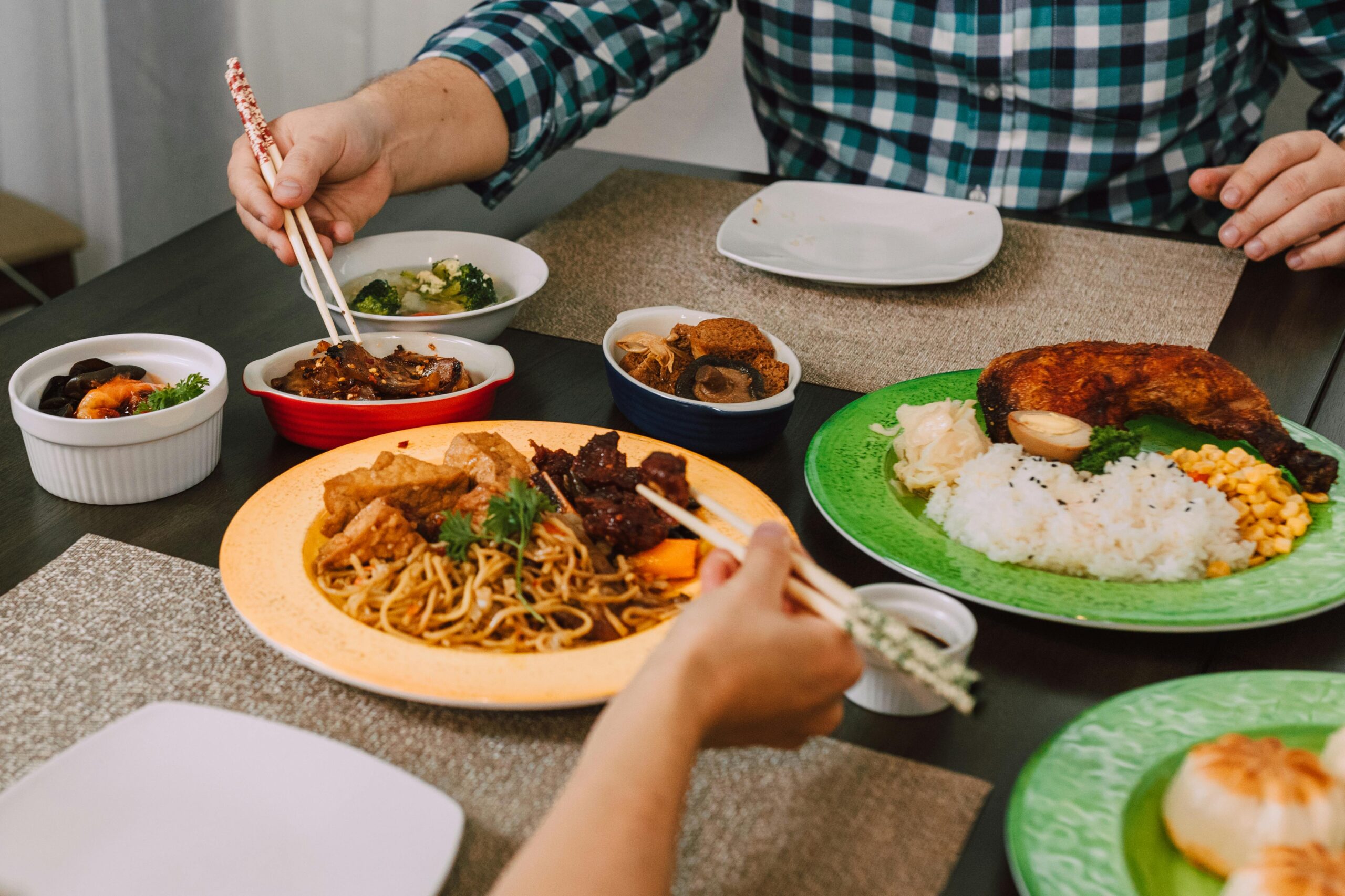
Creating a personal collection of culturally inspired, balanced plates is a lifelong journey rather than a destination. Each cuisine you explore expands your repertoire of satisfying, nutritious meals and deepens your connection to global food wisdom.
Start with one new cultural plate per week, gradually building a diverse collection that reflects your tastes and nutritional needs. Document your favorites, note which techniques work best in your kitchen, and don’t hesitate to create fusion plates that honor multiple traditions.
The beauty of this approach lies in its flexibility and abundance rather than restriction. By savoring the world through thoughtfully composed plates, you discover that balanced eating and culinary adventure are not opposing goals but complementary paths to a more flavorful, nourished life. 🌏