Managing blood sugar doesn’t mean spending hours in the kitchen or dirtying every pot and pan you own. One-pan cooking offers a perfect solution for creating nutritious, blood sugar-friendly meals with minimal cleanup and maximum flavor.

The beauty of one-pan dinners lies in their simplicity and efficiency. Whether you’re dealing with diabetes, prediabetes, or simply want to maintain steady energy levels throughout the day, these meal solutions combine lean proteins, fiber-rich vegetables, and healthy fats in perfectly balanced portions. The best part? Everything cooks together, allowing flavors to meld beautifully while you focus on other priorities.
🍳 Why One-Pan Cooking Works for Blood Sugar Management
One-pan meals naturally encourage balanced eating by incorporating multiple food groups in appropriate portions. When you’re working with a single cooking surface, you’re more likely to create a well-rounded meal that includes protein, vegetables, and healthy fats—the exact combination needed to prevent blood sugar spikes.
The method also promotes consistent meal timing. When dinner preparation takes 30 minutes or less, you’re more likely to eat at regular intervals rather than skipping meals or reaching for processed convenience foods. This consistency is crucial for maintaining stable glucose levels throughout the day.
Another significant advantage is portion control. One-pan recipes typically yield specific servings, making it easier to manage your carbohydrate intake without complicated calculations or excessive measuring. You can see exactly what’s going into your meal and adjust ingredients as needed for your specific dietary requirements.
Essential Ingredients for Blood Sugar-Friendly One-Pan Meals
Building a well-stocked kitchen with the right ingredients makes creating balanced one-pan dinners effortless. Focus on whole, minimally processed foods that provide sustained energy without causing rapid glucose fluctuations.
Protein Powerhouses 💪
Lean proteins form the foundation of blood sugar-balanced meals. Chicken breast, turkey, fish fillets, shrimp, and lean cuts of beef or pork work beautifully in one-pan preparations. Plant-based options like firm tofu, tempeh, and chickpeas also excel when roasted or sautéed alongside vegetables.
Protein slows digestion and helps prevent the rapid absorption of glucose into your bloodstream. Aim for 3-4 ounces of protein per serving, which typically provides 20-30 grams of protein—enough to support stable blood sugar for several hours.
Vegetable Variety
Non-starchy vegetables should comprise the largest portion of your one-pan meals. Broccoli, cauliflower, Brussels sprouts, bell peppers, zucchini, asparagus, green beans, and leafy greens are excellent choices. These vegetables are packed with fiber, vitamins, and minerals while containing minimal carbohydrates that impact blood sugar.
Root vegetables like sweet potatoes, carrots, and beets can be included in moderation. While they contain more carbohydrates, their fiber content helps moderate their glycemic impact. Keep portions to about 1/2 cup of cooked root vegetables per serving.
Healthy Fats
Incorporating healthy fats into your one-pan meals improves satiety and slows carbohydrate absorption. Extra virgin olive oil, avocado oil, coconut oil, nuts, seeds, and avocados are excellent additions that enhance flavor while supporting metabolic health.
Five Game-Changing One-Pan Dinner Recipes
Mediterranean Chicken and Vegetables 🌿
This colorful sheet pan dinner combines boneless chicken thighs with cherry tomatoes, bell peppers, red onion, and Kalamata olives. Toss everything with olive oil, garlic, oregano, and lemon juice, then roast at 400°F for 30-35 minutes. The result is a protein-rich meal with healthy fats from olives and olive oil, plus fiber from the vegetables.
The glycemic impact remains low thanks to the absence of starchy ingredients, while the Mediterranean herbs and lemon provide antioxidants that support overall metabolic health. Serve with a small portion of quinoa or cauliflower rice if desired.
Asian-Inspired Salmon with Broccoli
Salmon provides omega-3 fatty acids that help reduce inflammation and improve insulin sensitivity. For this one-pan wonder, place salmon fillets on a lined baking sheet surrounded by broccoli florets. Whisk together sesame oil, low-sodium soy sauce, fresh ginger, and a touch of rice vinegar, then brush over the salmon and drizzle over the vegetables.
Bake at 425°F for 12-15 minutes until the salmon flakes easily. The high protein content combined with the fiber-rich broccoli creates a perfectly balanced meal that won’t spike your blood sugar. Garnish with sesame seeds and green onions for added texture and flavor.
Mexican-Style Beef and Pepper Skillet 🌶️
This stovetop one-pan meal comes together in under 25 minutes. Brown lean ground beef in a large skillet, then add sliced bell peppers, onions, and zucchini. Season with cumin, chili powder, garlic powder, and a pinch of cayenne pepper. Cook until vegetables are tender-crisp.
The combination of protein from the beef and fiber from the vegetables creates a satisfying meal with minimal carbohydrate content. Top with diced avocado, a dollop of Greek yogurt, and fresh cilantro for additional healthy fats and protein. This meal typically contains less than 15 grams of carbohydrates per serving.
Italian Sausage and Vegetable Bake
Choose chicken or turkey sausage to keep saturated fat in check while still enjoying robust Italian flavors. Slice the sausage and arrange on a sheet pan with cherry tomatoes, zucchini, yellow squash, and mushrooms. Drizzle with olive oil and sprinkle with Italian seasoning, garlic powder, and red pepper flakes.
Roast at 400°F for 25-30 minutes, stirring halfway through. The natural fats from the sausage help satisfy hunger while the variety of vegetables provides essential nutrients and fiber. Add fresh basil and a sprinkle of Parmesan cheese during the last five minutes of cooking for an extra flavor boost.
Lemon Herb Shrimp and Asparagus
This elegant yet simple one-pan meal cooks in just 15 minutes. Toss large shrimp with asparagus spears, minced garlic, lemon zest, and olive oil. Spread on a preheated sheet pan and roast at 450°F for 8-10 minutes until shrimp are pink and asparagus is tender.
Shrimp provides high-quality protein with virtually no carbohydrates, while asparagus offers fiber and important B vitamins. The quick cooking time preserves nutrients and makes this an ideal option for busy weeknights. Finish with fresh lemon juice and chopped parsley.
Strategic Seasoning for Blood Sugar Balance 🧂
Certain herbs and spices do more than add flavor—they actively support healthy blood sugar levels. Incorporating these ingredients into your one-pan meals provides additional metabolic benefits beyond basic nutrition.
Cinnamon has been shown to improve insulin sensitivity and lower fasting blood sugar levels. While traditionally associated with sweet dishes, it works beautifully in savory preparations with chicken, sweet potatoes, and carrots. Turmeric contains curcumin, a compound that reduces inflammation and may improve glucose metabolism. Add it to roasted vegetables or meat marinades for both color and health benefits.
Garlic and ginger both demonstrate blood sugar-lowering properties in research studies. These aromatic ingredients form the flavor foundation of many cuisines and enhance virtually any one-pan preparation. Fresh is best, but dried versions still provide benefits when fresh isn’t available.
Fenugreek, cayenne pepper, and black pepper all show promise for blood sugar regulation. Experiment with these spices in your one-pan meals to discover new flavor combinations while supporting your metabolic health.
Meal Prep Strategies for One-Pan Success
Advance preparation makes blood sugar-friendly one-pan dinners even more accessible on busy evenings. Dedicate an hour on the weekend to washing and chopping vegetables, portioning proteins, and mixing spice blends.
Store prepped ingredients in clear containers so you can quickly assemble meals throughout the week. Create “meal kits” by combining the protein and vegetables for specific recipes in single containers with the seasoning mix attached. When dinner time arrives, simply spread everything on your pan and cook.
Batch cooking is another effective strategy. Most one-pan recipes scale easily, allowing you to double or triple the recipe and have leftovers for several meals. Properly stored, most cooked one-pan dinners remain fresh for 3-4 days in the refrigerator.
Timing Your Meals for Optimal Blood Sugar Control ⏰
When you eat matters almost as much as what you eat for blood sugar management. Consistent meal timing helps regulate your body’s insulin response and prevents the excessive hunger that leads to overeating and glucose spikes.
Aim to eat dinner at roughly the same time each evening, ideally at least three hours before bedtime. This timing allows your body to process the meal before sleep, when metabolic processes naturally slow down. Late-night eating is associated with poorer blood sugar control and increased insulin resistance.
If your schedule varies significantly, focus on maintaining consistent intervals between meals rather than specific clock times. Most people benefit from eating every 4-6 hours, which typically means three meals daily with the option of one or two small snacks if needed.
Adapting One-Pan Recipes for Different Dietary Needs
One-pan cooking accommodates various dietary preferences and restrictions while maintaining blood sugar balance. For ketogenic dieters, simply increase the fat content by adding more olive oil, butter, or cheese while keeping carbohydrates below 20 grams per meal.
Vegetarians can substitute plant-based proteins like tempeh, extra-firm tofu, or legumes for animal proteins. When using beans or lentils, which contain more carbohydrates, reduce portion sizes to about 1/2 cup and increase non-starchy vegetables to maintain balance.
Those following paleo or whole30 protocols will find one-pan meals naturally align with these approaches. Focus on grass-fed meats, wild-caught seafood, and organic vegetables when possible, and use compliant cooking fats like coconut oil or ghee.
Common Mistakes to Avoid
Even with simple one-pan cooking, certain pitfalls can undermine your blood sugar goals. Overcrowding the pan prevents proper browning and can result in steamed, soggy vegetables instead of the caramelized flavors you want. Use a large sheet pan or skillet and spread ingredients in a single layer with space between pieces.
Another common error is using high-sugar sauces and marinades. Many bottled products contain added sugars that can significantly impact your blood glucose. Make your own simple marinades using oil, vinegar or citrus juice, herbs, and spices for maximum flavor without hidden sugars.
Don’t neglect appropriate cooking temperatures. Most one-pan meals benefit from high heat (400-450°F for roasting) which promotes browning and develops complex flavors. Cooking at too low a temperature results in bland, mushy results that may leave you feeling unsatisfied.
Tracking Your Results and Fine-Tuning 📊
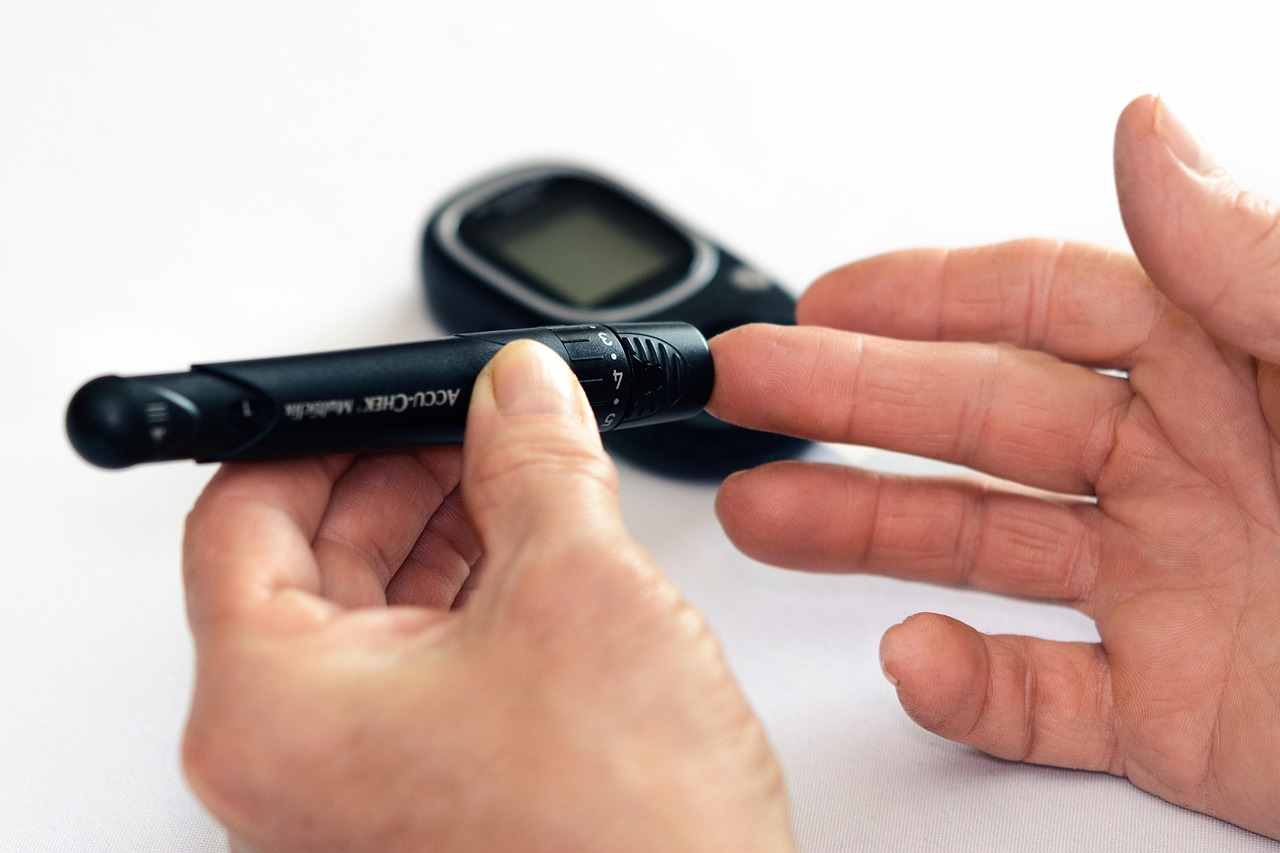
Individual responses to foods vary, making personal monitoring essential for optimal blood sugar management. Consider using a continuous glucose monitor or regular fingerstick testing to observe how different one-pan meals affect your levels.
Keep a simple food journal noting which recipes you prepare and your blood sugar readings before and two hours after eating. Over time, patterns will emerge showing which ingredient combinations work best for your body. You might discover that you tolerate sweet potatoes better than you expected, or that certain protein sources keep you satisfied longer.
Pay attention to portion sizes as well. Even blood sugar-friendly foods can cause elevations if consumed in excessive quantities. Start with the suggested serving sizes in recipes, then adjust based on your hunger levels and glucose response.
Making One-Pan Dinners a Sustainable Habit 🌱
The key to long-term blood sugar management isn’t perfection—it’s consistency. One-pan meals succeed because they’re realistic for everyday life. You don’t need culinary expertise or hours of free time to create nutritious, balanced dinners that support stable glucose levels.
Start by incorporating one-pan dinners twice weekly, then gradually increase frequency as you become more comfortable with the method. Build a rotation of five to seven favorite recipes that you can prepare almost automatically. This repetition might seem boring, but it actually reduces decision fatigue and ensures you always have a reliable plan.
Remember that managing blood sugar through diet is a marathon, not a sprint. Small, consistent improvements in your eating patterns yield more significant long-term results than dramatic short-term changes. One-pan dinners provide a practical framework for creating those sustainable habits that support your metabolic health for years to come.
By embracing the simplicity of one-pan cooking while prioritizing blood sugar-friendly ingredients, you create a powerful strategy for better health without sacrificing flavor or spending excessive time in the kitchen. These meals prove that taking care of yourself can be both delicious and remarkably uncomplicated.