Managing diabetes doesn’t mean sacrificing flavor or satisfaction at the dinner table. With the right lean protein recipes, you can enjoy delicious meals that support healthy blood sugar levels while tantalizing your taste buds.

The intersection of flavor, nutrition, and diabetes management has never been more exciting. Today’s approach to diabetic-friendly cooking emphasizes whole foods, lean proteins, and creative seasoning techniques that transform simple ingredients into memorable meals. Whether you’re newly diagnosed or have been managing diabetes for years, discovering recipes that combine health benefits with exceptional taste can revolutionize your relationship with food and make meal planning something to look forward to rather than dread.
🍗 Why Lean Proteins Are Essential for Diabetic Diets
Lean proteins serve as the foundation of diabetes-friendly eating for several compelling reasons. Unlike carbohydrates, proteins have minimal impact on blood glucose levels, providing steady energy without causing dramatic spikes. When you choose lean protein sources, you’re also avoiding excessive saturated fats that can contribute to cardiovascular complications—a significant concern for individuals with diabetes.
Protein-rich meals promote satiety, helping you feel fuller longer and reducing the temptation to snack on high-carb options between meals. This sustained fullness can assist with weight management, which is crucial since maintaining a healthy weight often improves insulin sensitivity and overall diabetes control.
The best lean protein options include skinless poultry, fish, seafood, lean cuts of beef and pork, eggs, legumes, and plant-based alternatives like tofu and tempeh. Each offers unique nutritional benefits while keeping fat content low and protein quality high.
🐟 Magnificent Fish and Seafood Creations
Herb-Crusted Baked Salmon with Lemon
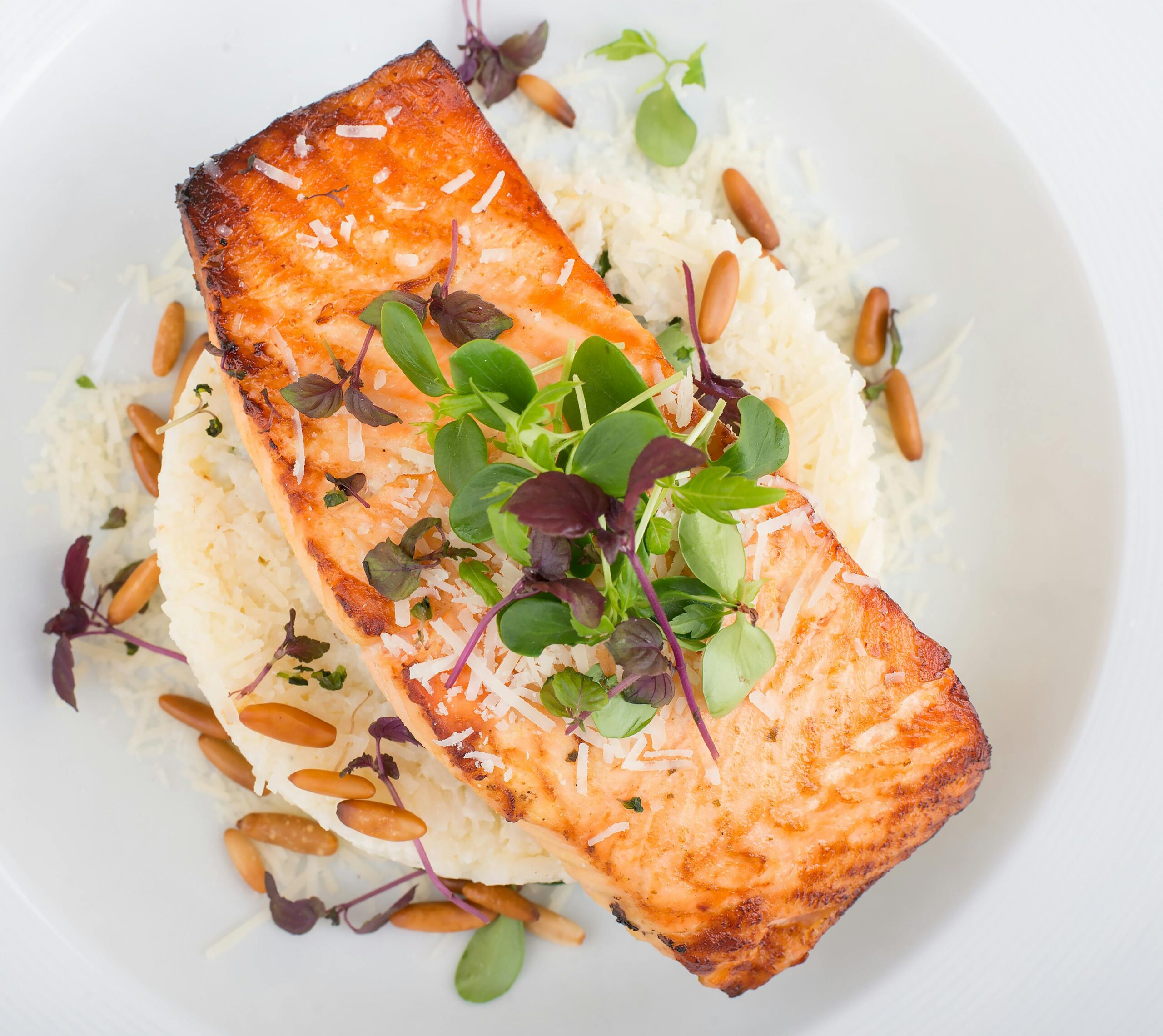
Salmon ranks among the healthiest proteins available, packed with omega-3 fatty acids that support heart health—particularly important for diabetics. This simple preparation method enhances the natural richness of salmon without adding unnecessary calories or carbohydrates.
Start by preheating your oven to 400°F. Combine fresh dill, parsley, minced garlic, lemon zest, and a touch of olive oil to create an aromatic herb paste. Pat salmon fillets dry, season with salt and pepper, then spread the herb mixture generously over the top. Bake for 12-15 minutes until the fish flakes easily with a fork. Serve with roasted vegetables or a crisp green salad for a complete, blood-sugar-friendly meal.
Spicy Grilled Shrimp Skewers
Shrimp delivers impressive protein content with virtually no carbohydrates, making it ideal for diabetes management. These skewers bring bold flavor through spices rather than sugary marinades. Mix paprika, cumin, garlic powder, cayenne pepper, and lime juice to create a zesty coating. Thread large shrimp onto skewers and grill for 2-3 minutes per side until pink and slightly charred.
The beauty of this recipe lies in its versatility—serve over cauliflower rice, alongside zucchini noodles, or wrapped in lettuce leaves for a low-carb taco alternative. Each serving provides approximately 25 grams of protein with less than 2 grams of carbohydrates.
🍖 Satisfying Poultry Preparations
Mediterranean Chicken Breast with Olives and Tomatoes
Chicken breast epitomizes lean protein, and this Mediterranean-inspired dish proves it can be anything but boring. The key is building layers of flavor through aromatic vegetables, herbs, and healthy fats. Sear chicken breasts in a hot skillet until golden, then set aside. In the same pan, sauté onions, garlic, cherry tomatoes, and Kalamata olives until fragrant.
Return the chicken to the pan, add chicken broth and fresh oregano, then simmer until the chicken reaches an internal temperature of 165°F. The result is tender, juicy chicken infused with Mediterranean flavors that transport your palate while keeping your blood sugar stable. This dish pairs beautifully with steamed green beans or a quinoa pilaf for those who can accommodate moderate carbohydrates.
Asian-Style Turkey Lettuce Wraps
Ground turkey offers an economical lean protein option that readily absorbs flavors from sauces and seasonings. These lettuce wraps deliver satisfying texture and taste without the carbohydrate load of traditional wraps or tortillas. Brown lean ground turkey with minced ginger, garlic, and a splash of low-sodium soy sauce or coconut aminos.
Add diced water chestnuts for crunch, chopped scallions for freshness, and a drizzle of sesame oil for depth. Spoon the mixture into butter lettuce or romaine leaves, top with shredded carrots and cilantro, and enjoy a hands-on meal that feels indulgent while supporting your health goals. Each wrap contains roughly 15 grams of protein with minimal carbohydrates.
🥩 Lean Red Meat Delights
Herb-Marinated Sirloin Steak
Red meat can absolutely fit into a diabetic-friendly diet when you select lean cuts and control portion sizes. Sirloin steak, trimmed of visible fat, provides rich flavor along with essential nutrients like iron and B vitamins. Create a marinade using olive oil, balsamic vinegar, rosemary, thyme, and cracked black pepper.
Marinate the steak for at least two hours or overnight for maximum flavor penetration. Grill or pan-sear to your preferred doneness, then let rest for five minutes before slicing against the grain. A 4-ounce serving delivers approximately 30 grams of protein and pairs excellently with roasted Brussels sprouts or a mixed green salad dressed with a simple vinaigrette.
Pork Tenderloin with Mustard and Herb Rub
Pork tenderloin rivals chicken breast in leanness while offering a different flavor profile that adds variety to your weekly meal rotation. This preparation method highlights pork’s natural sweetness while adding savory complexity. Combine Dijon mustard, minced garlic, fresh thyme, and rosemary to create a flavorful paste.
Coat the tenderloin evenly, then roast at 425°F for 20-25 minutes until the internal temperature reaches 145°F. The high heat creates a beautiful crust while keeping the interior tender and juicy. Slice into medallions and serve alongside roasted root vegetables or sautéed spinach for a restaurant-quality meal at home.
🥚 Egg-Cellent Protein Options
Vegetable-Packed Frittata
Eggs represent one of nature’s most perfect proteins, offering complete amino acids along with vitamins and minerals. A frittata transforms simple eggs into an elegant dish suitable for any meal of the day. Sauté bell peppers, onions, mushrooms, and spinach until tender. Whisk eggs with a splash of milk, salt, and pepper, then pour over the vegetables in an oven-safe skillet.
Cook on the stovetop until the edges begin to set, then transfer to a preheated oven at 375°F to finish cooking through. The result is a fluffy, protein-rich dish that can be enjoyed hot or cold, making it perfect for meal prep. Add fresh herbs or a small amount of reduced-fat cheese for additional flavor without significantly impacting blood sugar.
🌱 Plant-Based Protein Powerhouses
Grilled Tofu Steaks with Ginger-Garlic Glaze
Tofu provides excellent lean protein for those following plant-based diets or simply seeking variety. The key to delicious tofu lies in proper preparation and bold flavoring. Press extra-firm tofu to remove excess moisture, then slice into thick steaks. Create a glaze using fresh grated ginger, minced garlic, low-sodium soy sauce, rice vinegar, and a touch of sesame oil.
Brush the tofu steaks generously with the glaze and grill or pan-sear until golden and slightly crispy on the outside. The tofu absorbs the savory-sweet flavors while maintaining a satisfying texture that even meat-eaters appreciate. Serve over a bed of stir-fried vegetables or alongside brown rice for those who can include moderate complex carbohydrates.
Lentil and Vegetable Soup
Lentils offer impressive protein and fiber content, making them particularly valuable for blood sugar management. This hearty soup combines nutrition with comfort food appeal. Sauté onions, carrots, and celery in a large pot, then add dried lentils, vegetable broth, diced tomatoes, and warming spices like cumin and turmeric.
Simmer until the lentils are tender, approximately 30-40 minutes, adding fresh spinach or kale during the last few minutes of cooking. The fiber in lentils slows digestion and helps prevent blood sugar spikes, while the protein keeps you satisfied for hours. This soup freezes beautifully, making it ideal for batch cooking and future quick meals.
💡 Smart Cooking Techniques for Maximum Flavor
The cooking methods you choose significantly impact both the nutritional profile and taste of your lean proteins. Grilling, baking, roasting, and steaming preserve the natural qualities of protein sources while allowing you to add flavor through herbs, spices, and citrus rather than heavy sauces or excessive fats.
Marinating proteins before cooking infuses them with flavor while often tenderizing tougher cuts. Use acid-based marinades with vinegar or citrus juice, combined with herbs and spices, to create complex flavor profiles without added sugars. Allow proteins to marinate for at least 30 minutes, though longer periods intensify the taste.
Seasoning blends become your best friend when cooking for diabetes management. Create custom spice mixtures that deliver bold flavor without salt, sugar, or unhealthy fats. Consider combinations like Italian herbs, Cajun spices, curry blends, or Mexican-inspired mixes. Store these in airtight containers and use them liberally to keep your meals exciting and varied.
🍽️ Building Balanced Diabetic-Friendly Plates
While lean proteins form the centerpiece of diabetes-friendly meals, creating balanced plates ensures optimal nutrition and blood sugar control. Follow the diabetes plate method: fill half your plate with non-starchy vegetables, one-quarter with lean protein, and one-quarter with complex carbohydrates or additional vegetables.
Non-starchy vegetables like leafy greens, broccoli, cauliflower, peppers, and zucchini provide essential nutrients and fiber with minimal impact on blood glucose. These should be your most abundant food group at every meal. Their high fiber content also aids in slowing carbohydrate absorption from other foods on your plate.
When including carbohydrates, choose complex options like quinoa, brown rice, sweet potatoes, or legumes in controlled portions. These provide sustained energy without the rapid blood sugar spikes associated with refined carbohydrates. Measuring portions initially helps you develop an intuitive sense of appropriate serving sizes over time.
📊 Understanding Portion Sizes and Protein Needs
Determining appropriate protein portions supports both diabetes management and overall health. Most adults need approximately 0.8 grams of protein per kilogram of body weight daily, though individual needs vary based on activity level, age, and health status. For reference, a 3-4 ounce serving of cooked protein—roughly the size of a deck of cards—provides approximately 21-28 grams of protein.
Distributing protein intake throughout the day, rather than concentrating it in one meal, helps maintain stable blood sugar levels and supports muscle preservation. Aim to include a source of lean protein at each meal and consider protein-rich snacks like hard-boiled eggs, Greek yogurt, or a small handful of nuts when needed between meals.
Tracking your meals initially can provide valuable insights into your eating patterns and how different foods affect your blood sugar. Various apps can help monitor nutrition and blood glucose responses, allowing you to identify which recipes and portion sizes work best for your individual needs.
🌿 Fresh Herbs and Spices: The Secret Weapons
Fresh herbs and spices transform lean proteins from bland to spectacular without adding calories, carbohydrates, or unhealthy fats. Beyond flavor enhancement, many herbs and spices offer additional health benefits particularly relevant for diabetes management. Cinnamon, for instance, may help improve insulin sensitivity, while turmeric provides anti-inflammatory properties.
Stock your pantry with versatile spices like cumin, paprika, garlic powder, onion powder, black pepper, cayenne, and dried herbs including oregano, thyme, basil, and rosemary. Keep fresh herbs like parsley, cilantro, basil, and dill in your refrigerator for finishing touches that add brightness and complexity to completed dishes.
Experiment with different flavor profiles to keep your meals interesting. Try Middle Eastern spices like za’atar or sumac, Asian flavors with ginger and five-spice powder, or Latin American seasonings featuring cumin and chili powder. This culinary exploration prevents meal fatigue and makes diabetes-friendly eating feel like an adventure rather than a restriction.
🥗 Complementary Side Dishes That Complete Your Meals
The sides you pair with lean proteins can make or break your blood sugar management efforts. Focus on fiber-rich vegetables prepared with minimal added fats. Roasted vegetables develop natural sweetness and satisfying texture—try cauliflower, broccoli, asparagus, or Brussels sprouts tossed with a small amount of olive oil and your favorite seasonings.
Salads offer endless variety and nutritional benefits when built thoughtfully. Start with dark leafy greens, add colorful vegetables for antioxidants and visual appeal, include a source of healthy fat like avocado or nuts, and dress with vinaigrettes made from olive oil and vinegar or citrus juice. Avoid commercially prepared dressings that often contain hidden sugars and excessive sodium.
Cauliflower rice and zucchini noodles provide low-carbohydrate alternatives to traditional grains and pasta, allowing you to enjoy familiar meal formats while supporting blood sugar control. These vegetable substitutes absorb flavors beautifully and add extra servings of vegetables to your plate without feeling like you’re missing out on comfort foods.
🎯 Meal Prep Strategies for Sustained Success
Consistency forms the cornerstone of effective diabetes management, and meal preparation makes consistency achievable even during busy weeks. Dedicate a few hours on weekends to batch-cooking lean proteins that can be incorporated into various meals throughout the week. Grill several chicken breasts, bake a large salmon fillet, or cook a pot of lentils that can serve multiple purposes.
Prepare versatile components rather than complete meals to maintain variety and prevent boredom. Store cooked proteins, washed and chopped vegetables, and prepared whole grains in separate containers. This modular approach allows you to mix and match components based on your preferences and schedule each day.
Invest in quality storage containers that keep foods fresh and make portioning easier. Clear containers let you see contents at a glance, encouraging you to use prepared foods before they spoil. Label containers with preparation dates to ensure food safety and optimal freshness.
✨ Making Diabetic-Friendly Cooking a Lifestyle
Transitioning to diabetic-friendly cooking represents more than dietary changes—it’s a shift toward prioritizing your long-term health and wellbeing. The lean protein recipes and strategies outlined here provide a foundation for delicious, satisfying meals that support stable blood sugar levels while delivering the flavors you crave.
Remember that perfection isn’t the goal; consistency and progress matter most. Each healthy meal represents an investment in your future health. Celebrate your successes, learn from challenges, and continue exploring new recipes and techniques that keep your diabetes-friendly cooking journey exciting and sustainable.
The combination of lean proteins, vibrant vegetables, smart cooking techniques, and bold seasonings proves that managing diabetes doesn’t mean sacrificing culinary pleasure. With these tools and recipes, you can savor every bite while confidently supporting your health goals, transforming diabetes management from a burden into an opportunity to discover new favorites and develop cooking skills that serve you for life.