The Mediterranean diet has long been celebrated as one of the healthiest eating patterns in the world, offering a delicious pathway to balanced blood sugar levels and overall wellness.

This time-tested approach to eating combines vibrant flavors, wholesome ingredients, and scientifically-backed nutritional principles that naturally support glucose regulation. Whether you’re managing diabetes, prediabetes, or simply seeking to optimize your metabolic health, Mediterranean cuisine offers an abundance of satisfying recipes that nourish both body and soul without sacrificing taste or enjoyment.
🌊 Understanding the Mediterranean Approach to Glucose Balance
The Mediterranean diet isn’t just a meal plan—it’s a lifestyle philosophy rooted in the traditional eating patterns of countries bordering the Mediterranean Sea. What makes this dietary approach particularly effective for blood sugar management is its emphasis on whole, minimally processed foods that work synergistically to prevent glucose spikes and promote sustained energy throughout the day.
At its core, this eating pattern prioritizes complex carbohydrates with low glycemic indexes, healthy fats that slow digestion, and lean proteins that provide satiety. The combination creates meals that release glucose gradually into the bloodstream, avoiding the dramatic peaks and valleys that characterize less balanced diets.
The Science Behind Mediterranean Meals and Blood Sugar
Research consistently demonstrates that Mediterranean dietary patterns improve insulin sensitivity and reduce the risk of type 2 diabetes. The secret lies in the nutrient composition: high fiber content from vegetables, legumes, and whole grains slows carbohydrate absorption, while monounsaturated fats from olive oil and nuts enhance cellular glucose uptake.
Additionally, the abundance of antioxidants and anti-inflammatory compounds found in Mediterranean staples like tomatoes, leafy greens, and fatty fish helps protect pancreatic beta cells—the insulin-producing powerhouses of your body. This protective effect supports long-term metabolic health and glucose regulation.
🥗 Essential Ingredients for Glucose-Friendly Mediterranean Cooking
Building a Mediterranean pantry centered on blood sugar balance starts with selecting the right foundational ingredients. These staples form the backbone of countless recipes that deliver both exceptional flavor and metabolic benefits.
Healthy Fats That Support Metabolism
Extra virgin olive oil stands as the cornerstone of Mediterranean cooking, providing monounsaturated fats that improve insulin sensitivity. Beyond olive oil, incorporating nuts like almonds, walnuts, and pistachios adds protein, fiber, and healthy fats that moderate glucose absorption. Fatty fish such as salmon, sardines, and mackerel deliver omega-3 fatty acids that reduce inflammation and support cellular health.
Complex Carbohydrates and Fiber-Rich Foods
Choose whole grains like bulgur, farro, quinoa, and barley over refined alternatives. These ancient grains contain intact fiber and nutrients that slow digestion. Legumes—chickpeas, lentils, white beans, and fava beans—provide both protein and soluble fiber, creating a powerful combination for blood sugar control. Vegetables should dominate your plate, with particular emphasis on non-starchy varieties like leafy greens, peppers, eggplant, zucchini, and tomatoes.
Herbs, Spices, and Flavor Enhancers
Mediterranean cuisine relies heavily on aromatic herbs and spices that not only elevate flavor but also provide metabolic benefits. Cinnamon has been shown to improve insulin sensitivity, while garlic and oregano possess anti-inflammatory properties. Fresh herbs like basil, parsley, mint, and cilantro add brightness without calories or impact on blood sugar.
🍽️ Breakfast Recipes to Start Your Day Right
Mediterranean breakfasts break from the traditional sweet-heavy morning meals that spike blood sugar. Instead, they emphasize savory options with balanced macronutrients that provide sustained energy.
Greek Yogurt Bowl with Nuts and Berries
Start with full-fat Greek yogurt, which provides protein and probiotics while containing less lactose than regular yogurt. Top with a handful of mixed berries—their fiber and antioxidants slow sugar absorption—along with chopped walnuts, a drizzle of olive oil, and a sprinkle of cinnamon. This combination delivers approximately 20 grams of protein with minimal impact on glucose levels.
Vegetable Frittata with Fresh Herbs
Whisk together eggs with sautéed spinach, tomatoes, onions, and bell peppers. Add crumbled feta cheese and fresh herbs. Bake until set and golden. This protein-rich breakfast provides essential nutrients while keeping carbohydrates minimal. Serve alongside a small portion of whole grain bread brushed with olive oil for a complete meal.
🥙 Satisfying Lunch Options That Sustain Energy
Midday meals in the Mediterranean tradition are typically the largest of the day, featuring generous portions of vegetables, moderate protein, and healthy fats that prevent afternoon energy crashes.
Mediterranean Chickpea Salad with Lemon Tahini Dressing
Combine cooked chickpeas with diced cucumbers, cherry tomatoes, red onion, Kalamata olives, and fresh parsley. Dress with a mixture of tahini, lemon juice, garlic, and olive oil. The chickpeas provide both protein and resistant starch, which actually improves insulin sensitivity. The healthy fats in tahini slow carbohydrate absorption, creating a perfectly balanced glucose response.
Grilled Fish with Roasted Vegetables
Season white fish or salmon with lemon, garlic, and herbs, then grill until flaky. Serve alongside roasted Mediterranean vegetables—zucchini, eggplant, bell peppers, and red onions—tossed in olive oil. Add a side of bulgur wheat pilaf cooked with vegetable broth and fresh herbs. This combination provides omega-3 fatty acids, fiber, and complex carbohydrates in ideal proportions.
🍲 Hearty Dinner Recipes for Blood Sugar Balance
Evening meals should be satisfying yet not overly heavy, focusing on vegetables as the star with protein and whole grains in supporting roles.
Lentil and Vegetable Stew
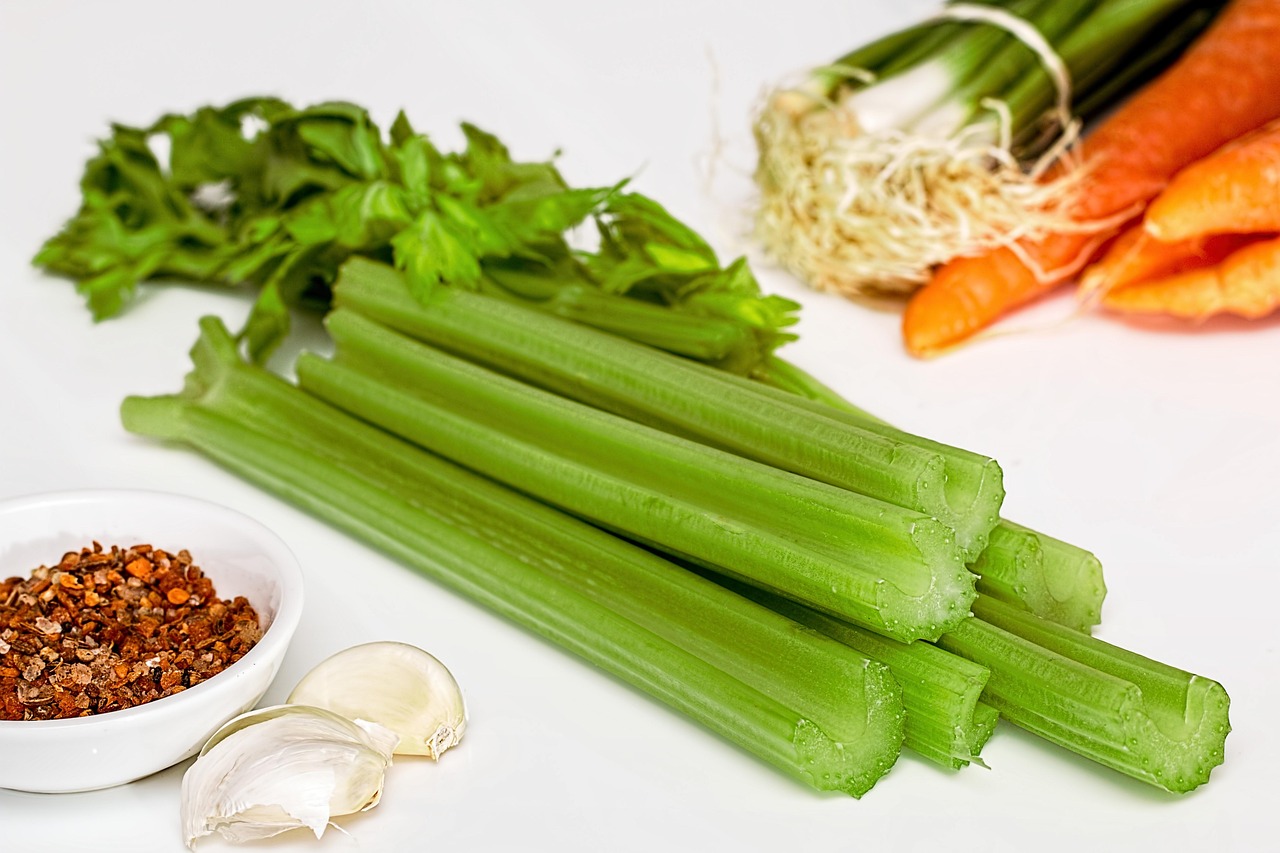
Sauté onions, carrots, and celery in olive oil until softened. Add brown or green lentils, diced tomatoes, vegetable broth, cumin, and paprika. Simmer until lentils are tender. Stir in spinach at the end and finish with a squeeze of lemon juice. This fiber-rich stew has a low glycemic load while providing complete nutrition. Lentils are particularly beneficial for glucose control, as studies show they can lower blood sugar response to subsequent meals.
Herb-Crusted Chicken with Cauliflower Tabbouleh
Coat chicken breasts in a mixture of olive oil, minced garlic, oregano, thyme, and lemon zest, then bake until golden. For the tabbouleh, pulse raw cauliflower into rice-sized pieces and mix with abundant chopped parsley, mint, tomatoes, cucumbers, lemon juice, and olive oil. This grain-free version of the classic dish dramatically reduces carbohydrate content while maintaining authentic flavors.
Stuffed Bell Peppers Mediterranean Style
Hollow out bell peppers and fill with a mixture of quinoa, ground turkey or lamb, diced tomatoes, onions, pine nuts, raisins, and warm spices like cinnamon and allspice. Bake until peppers are tender. The combination of lean protein, whole grain, and fiber-rich vegetables creates a complete meal with minimal glucose impact. The addition of cinnamon provides an extra metabolic boost.
🥗 Smart Snacking the Mediterranean Way
Between-meal snacks should combine protein, healthy fats, and fiber to maintain stable blood sugar levels without causing spikes.
- Hummus with vegetable crudités: Chickpea-based hummus paired with raw bell peppers, cucumbers, and celery provides protein and fiber
- Handful of mixed nuts: Almonds, walnuts, and pistachios offer healthy fats and protein with virtually no impact on glucose
- Greek yogurt with cucumber and dill: This savory snack provides probiotics and protein while remaining low in carbohydrates
- Olives and cheese: A small portion of olives paired with feta or aged cheese delivers satisfying fats and protein
- Whole grain crackers with avocado: Choose crackers with at least 3 grams of fiber per serving and top with mashed avocado and tomato
📊 Building Balanced Mediterranean Plates
Understanding proper portion sizes and meal composition ensures optimal glucose control while enjoying Mediterranean cuisine fully.
| Plate Component | Portion Size | Examples |
|---|---|---|
| Non-Starchy Vegetables | 50% of plate | Leafy greens, tomatoes, cucumbers, peppers, eggplant, zucchini |
| Lean Protein | 25% of plate | Fish, chicken, legumes, eggs, modest portions of lean red meat |
| Complex Carbohydrates | 25% of plate | Whole grains, starchy vegetables, legumes |
| Healthy Fats | 1-2 tablespoons | Olive oil, nuts, seeds, avocado |
🌿 Cooking Techniques That Preserve Nutrients and Flavor
How you prepare food matters as much as what you eat. Mediterranean cooking methods maximize both nutritional value and taste while supporting blood sugar goals.
Gentle Sautéing and Braising
Rather than high-heat frying, Mediterranean cooking favors gentle sautéing in olive oil at moderate temperatures. This preserves the beneficial compounds in olive oil while developing rich flavors. Braising tougher cuts of meat or vegetables in broth with herbs creates tender, flavorful dishes without added sugars or refined carbohydrates.
Grilling and Roasting
These dry-heat methods concentrate flavors without adding fats or carbohydrates. Grilled vegetables develop natural sweetness, while roasted fish and poultry remain moist with just a brushing of olive oil and herbs. The caramelization that occurs enhances taste without compromising glucose management.
🍷 Beverages and Blood Sugar Management
What you drink significantly impacts glucose levels, and the Mediterranean approach offers refreshing, health-supporting options.
Water remains the primary beverage, often infused with lemon, cucumber, or fresh mint for added flavor. Herbal teas like chamomile, sage, and mountain tea provide antioxidants without affecting blood sugar. Coffee, consumed in moderation, has been associated with reduced diabetes risk. Red wine, when consumed moderately with meals (one glass for women, up to two for men), may offer cardiovascular benefits, though this remains optional and individual.
🎯 Meal Planning Strategies for Consistent Glucose Control
Success with Mediterranean eating for blood sugar balance requires thoughtful planning and preparation.
Weekly Preparation Techniques
Dedicate time each week to prepare staples that streamline daily cooking. Cook a large batch of whole grains like quinoa or farro, roast several trays of mixed vegetables, prepare homemade hummus, and wash and chop salad vegetables. Having these components ready makes assembling balanced meals effortless, reducing the temptation to reach for less healthy convenience options.
Mindful Eating Practices
The Mediterranean lifestyle emphasizes eating slowly, savoring each bite, and dining socially when possible. These practices naturally support portion control and allow your body time to register fullness, preventing overeating that can stress blood sugar regulation. Put down utensils between bites, engage in conversation, and focus on the sensory experience of your meal.
💪 Combining Mediterranean Eating with Lifestyle Factors
Dietary choices work synergistically with other lifestyle elements to optimize glucose balance and overall health.
Regular physical activity enhances insulin sensitivity and glucose uptake by muscles. The Mediterranean lifestyle traditionally includes natural movement throughout the day—walking, gardening, and active recreation—rather than structured exercise alone. Aim for at least 150 minutes of moderate activity weekly, with strength training twice per week.
Stress management through social connection, adequate sleep, and mindful practices supports healthy cortisol levels, which directly impact blood sugar regulation. The Mediterranean emphasis on community, family meals, and work-life balance provides a model for sustainable wellness beyond just food choices.
🔄 Adapting Traditional Recipes for Modern Needs
While traditional Mediterranean cuisine naturally supports glucose balance, some classic dishes benefit from minor modifications for those with specific blood sugar concerns.
For pasta dishes, choose whole grain or legume-based pasta and reduce portion sizes to about one cup cooked, paired with abundant vegetables and lean protein. When making traditional sweets like baklava, reserve them for special occasions and reduce honey or sugar content by one-third, compensating with extra cinnamon and vanilla extract.
🌟 Sustaining Your Mediterranean Journey
Embracing Mediterranean eating for glucose balance isn’t about perfection or rigid rules—it’s about consistently making choices that nourish your body while celebrating food as a source of pleasure and connection.
Start by incorporating one or two Mediterranean meals per week, gradually expanding your repertoire as you discover new favorites. Focus on adding beneficial foods rather than restricting yourself, which creates a positive, sustainable relationship with eating. Remember that traditional Mediterranean cultures didn’t follow rules—they simply ate the wholesome, delicious foods available to them with gratitude and enjoyment.
As you explore these recipes and principles, you’ll likely notice improvements not only in blood sugar levels but also in energy, mood, and overall wellbeing. The Mediterranean approach offers a lifetime of culinary discovery, with endless variations on themes that keep meals exciting while supporting your health goals. By savoring each meal, choosing quality ingredients, and preparing food with care, you create a powerful foundation for balanced glucose levels and vibrant, healthy living that extends far beyond the dinner table.