In today’s fast-paced world, finding snacks that satisfy your cravings without sending your blood sugar on a rollercoaster ride can feel like searching for a needle in a haystack.

The good news? You don’t have to choose between delicious and healthy anymore. Smart snacking is not just a trend—it’s a sustainable approach to maintaining energy levels, supporting metabolic health, and keeping those pesky sugar crashes at bay. Whether you’re managing diabetes, trying to lose weight, or simply wanting to feel better throughout the day, understanding how to choose snacks that won’t spike your blood sugar is a game-changer for your overall wellness journey.
🍎 Understanding the Sugar Spike Dilemma
Before diving into snack solutions, it’s essential to understand what happens in your body when you consume high-sugar foods. When you eat something loaded with refined carbohydrates or added sugars, your blood glucose levels surge rapidly. Your pancreas responds by releasing insulin to shuttle that sugar into your cells. This spike is often followed by a dramatic crash, leaving you feeling tired, irritable, and—ironically—even hungrier than before.
This blood sugar rollercoaster doesn’t just affect your energy levels. Repeated spikes and crashes can lead to insulin resistance over time, increased inflammation, weight gain, and a higher risk of developing type 2 diabetes. The key to avoiding this cycle lies in choosing snacks with a low glycemic index, adequate protein, healthy fats, and fiber—the trifecta of stable blood sugar.
🥑 The Building Blocks of Blood Sugar-Friendly Snacks
Creating the perfect smart snack isn’t rocket science, but it does require understanding a few nutritional principles. The most effective snacks combine multiple macronutrients to slow digestion and provide sustained energy.
Protein: Your Satiety Superstar
Protein takes longer to digest than simple carbohydrates, which means it keeps you feeling fuller for longer and prevents rapid blood sugar spikes. Excellent protein sources for snacking include Greek yogurt, hard-boiled eggs, nuts, seeds, cottage cheese, and lean meats like turkey or chicken.
Healthy Fats: The Energy Sustainer
Fats slow down the absorption of glucose into your bloodstream, making them perfect partners for any snack. Avocados, nuts, seeds, olive oil, and nut butters provide essential fatty acids while keeping your blood sugar stable. Don’t fear fat—embrace the right kinds in appropriate portions.
Fiber: The Unsung Hero
Fiber, particularly soluble fiber, forms a gel-like substance in your digestive tract that slows sugar absorption. Vegetables, fruits (especially berries), whole grains, legumes, and seeds are excellent fiber sources that should feature prominently in your snacking repertoire.
🌟 Deliciously Smart Snack Ideas That Actually Work
Now for the practical part—what should you actually eat? Here are creative, satisfying snack options that check all the boxes for taste and blood sugar stability.
Savory Satisfaction Options
Veggie sticks with hummus: Crisp cucumber, bell peppers, carrots, and celery paired with protein-rich hummus create a satisfying crunch with fiber and healthy fats. The chickpeas in hummus provide both protein and complex carbohydrates that digest slowly.
Cheese and nuts combo: A small handful of almonds or walnuts paired with a piece of quality cheese delivers protein, healthy fats, and minimal carbohydrates. This classic combination keeps hunger at bay for hours.
Deviled eggs with avocado: Transform regular hard-boiled eggs by mashing the yolks with avocado instead of mayo. You’ll get omega-3s, protein, and a creamy texture that feels indulgent without the sugar.
Roasted chickpeas: Season chickpeas with your favorite spices and roast until crispy for a crunchy alternative to chips. They’re packed with fiber and protein while satisfying that craving for something crispy and savory.
Sweet Treats Without the Spike
Greek yogurt parfait: Layer unsweetened Greek yogurt with fresh berries, a sprinkle of nuts, and a dash of cinnamon. The protein in Greek yogurt combined with the fiber in berries creates a dessert-like treat that won’t sabotage your blood sugar.
Apple slices with almond butter: This classic combination provides the perfect balance of natural sweetness, fiber, protein, and healthy fats. Choose a tart apple variety like Granny Smith for even lower sugar content.
Dark chocolate and nuts: A small square of dark chocolate (70% cacao or higher) paired with almonds satisfies sweet cravings while providing antioxidants, magnesium, and healthy fats. The key is portion control and choosing quality chocolate with minimal added sugar.
Chia seed pudding: Mix chia seeds with unsweetened almond milk and let sit overnight. Top with berries and coconut flakes for a creamy, pudding-like treat packed with omega-3s and fiber that stabilizes blood sugar beautifully.
Quick Grab-and-Go Solutions
Trail mix (homemade): Skip the store-bought versions loaded with dried fruit and chocolate. Make your own with raw nuts, seeds, unsweetened coconut flakes, and just a few dark chocolate chips for a balanced portable snack.
String cheese with cherry tomatoes: This simple duo requires zero preparation and delivers protein, healthy fats, and vitamins. Perfect for busy days when you need something fast.
Beef or turkey jerky: Choose brands without added sugars for a protein-packed option that’s shelf-stable and travel-friendly. Pair with a few nuts for added satisfaction.
📊 Smart Snacking Timing and Portions
Even the healthiest snack can work against you if consumed at the wrong time or in excessive amounts. Understanding when and how much to eat is just as important as what you eat.
Aim to snack when there’s a gap of more than four hours between meals, or when you feel genuine hunger rather than boredom or emotional triggers. A good rule of thumb is to keep snacks between 150-250 calories, depending on your individual energy needs and activity level.
Pay attention to portion sizes, especially with calorie-dense foods like nuts and nut butters. A serving of nuts is typically about a small handful (roughly 1 ounce or 28 grams). Pre-portioning snacks into small containers can prevent mindless overeating and help you stay on track.
🛒 Smart Shopping Strategies for Better Snacking
Your snacking success starts at the grocery store. Having the right ingredients on hand makes healthy choices easy and convenient.
Stock your kitchen with whole, unprocessed foods as much as possible. Fresh vegetables, quality proteins, nuts, seeds, and minimal-ingredient products should fill your cart. When buying packaged snacks, become a label detective—look for products with less than 5 grams of added sugar per serving, minimal ingredients you can pronounce, and a good balance of protein, fiber, and healthy fats.
Shop the perimeter of the store where fresh produce, dairy, and proteins typically live. The center aisles often house heavily processed foods with added sugars and unhealthy fats. When you do venture into the middle aisles, stick to specific items on your list rather than browsing.
🍽️ Meal Prep Magic for Snacking Success
Preparation is the secret weapon of successful smart snackers. Dedicating just an hour or two each week to snack prep can transform your eating habits and make healthy choices effortless.
Start by washing and chopping vegetables immediately after grocery shopping. Store them in clear containers at eye level in your refrigerator so they’re the first thing you see when hunger strikes. Pre-portion nuts, seeds, and trail mix into small bags or containers for grab-and-go convenience.
Prepare hard-boiled eggs in batches—they keep for up to a week in the refrigerator and serve as a protein foundation for countless snack combinations. Make a big batch of roasted chickpeas or kale chips on Sunday to have crispy snacks ready throughout the week.
💡 Hydration: The Often-Forgotten Snack Strategy
Sometimes what feels like hunger is actually thirst in disguise. Dehydration can mimic hunger signals and lead to unnecessary snacking. Before reaching for food, drink a glass of water and wait 10-15 minutes to see if the craving passes.
Herbal teas, sparkling water with a squeeze of citrus, or infused water with cucumber and mint can satisfy the desire for flavor without adding calories or affecting blood sugar. Staying well-hydrated throughout the day can reduce overall snacking frequency and improve your body’s ability to regulate blood sugar effectively.
🧠 Mindful Eating: The Mental Game of Smart Snacking
Smart snacking isn’t just about what you eat—it’s also about how and why you eat. Emotional eating, stress eating, and boredom eating can sabotage even the healthiest snack choices through excessive portions or frequency.
Before snacking, pause and ask yourself: “Am I physically hungry, or am I eating for another reason?” If it’s true hunger, enjoy your snack mindfully without distractions like phones or computers. Chew slowly, savor the flavors and textures, and put your food down between bites. This mindful approach helps you recognize fullness signals and prevents overeating.
If you discover you’re eating for emotional reasons, develop alternative coping strategies like taking a short walk, calling a friend, practicing deep breathing, or engaging in a hobby you enjoy. Breaking the automatic food-equals-comfort connection takes time but pays dividends for your overall health.
🏃 Matching Snacks to Your Activity Level
Not all snacks need to be created equal—your activity level should influence your choices. If you’re leading a sedentary day at the office, a lighter snack like vegetable sticks with hummus or a small handful of nuts might suffice. However, if you’re about to hit the gym or just finished an intense workout, you’ll need more substantial fuel.
Pre-workout snacks should include easily digestible carbohydrates paired with a small amount of protein—think a banana with a tablespoon of almond butter or Greek yogurt with berries. Post-workout, prioritize protein to support muscle recovery alongside some complex carbohydrates to replenish glycogen stores.
🌍 Cultural Inspirations for Smart Snacking
Looking beyond typical American snacks opens up a world of delicious, blood sugar-friendly options from various cultures. Mediterranean countries offer olives, feta cheese, and raw vegetables. Japanese cuisine features edamame and seaweed snacks. Middle Eastern traditions include labneh (strained yogurt) with za’atar and olive oil.
Indian cuisine offers roasted chickpeas with spices, while Mexican flavors shine in jicama with lime and chili powder. Exploring international snack traditions not only adds variety to your diet but also introduces new flavors and nutrient profiles that support stable blood sugar.
🎯 Troubleshooting Common Smart Snacking Challenges
Even with the best intentions, obstacles arise. Late-night cravings, social situations, travel, and busy schedules can derail your smart snacking plans. The key is developing strategies for these predictable challenges.
For late-night cravings, establish a kitchen closing time and stick to it. If you must snack, choose something light and protein-rich like a small portion of Greek yogurt or a few slices of turkey. In social situations, eat a small, balanced snack before attending parties or gatherings so you’re not ravenously hungry when faced with tempting options.
When traveling, pack portable snacks like nuts, protein bars (with minimal sugar), and fruit in your carry-on. Having your own food eliminates the temptation to grab whatever’s available at airport kiosks or gas stations, which typically offer primarily high-sugar, processed options.
🔬 The Science-Backed Benefits of Smart Snacking
Choosing blood sugar-friendly snacks isn’t just about avoiding crashes—research shows numerous health benefits from this approach. Studies indicate that maintaining stable blood sugar levels throughout the day improves cognitive function, mood stability, energy levels, and metabolic health.
People who snack smartly tend to have better weight management outcomes because they avoid the extreme hunger that leads to overeating at meals. Stable blood sugar also reduces inflammation markers in the body, which is linked to decreased risk of chronic diseases including heart disease, Alzheimer’s, and certain cancers.
Furthermore, when you consistently choose nutrient-dense snacks over empty-calorie options, you improve your overall nutrient intake, ensuring your body gets the vitamins, minerals, and antioxidants it needs to function optimally.
🌱 Making Smart Snacking a Sustainable Lifestyle
The goal isn’t perfection—it’s progress and consistency. Smart snacking becomes second nature when you focus on adding nutritious options rather than obsessing over restrictions. Give yourself grace when you indulge occasionally, then simply return to your healthy patterns without guilt or shame.
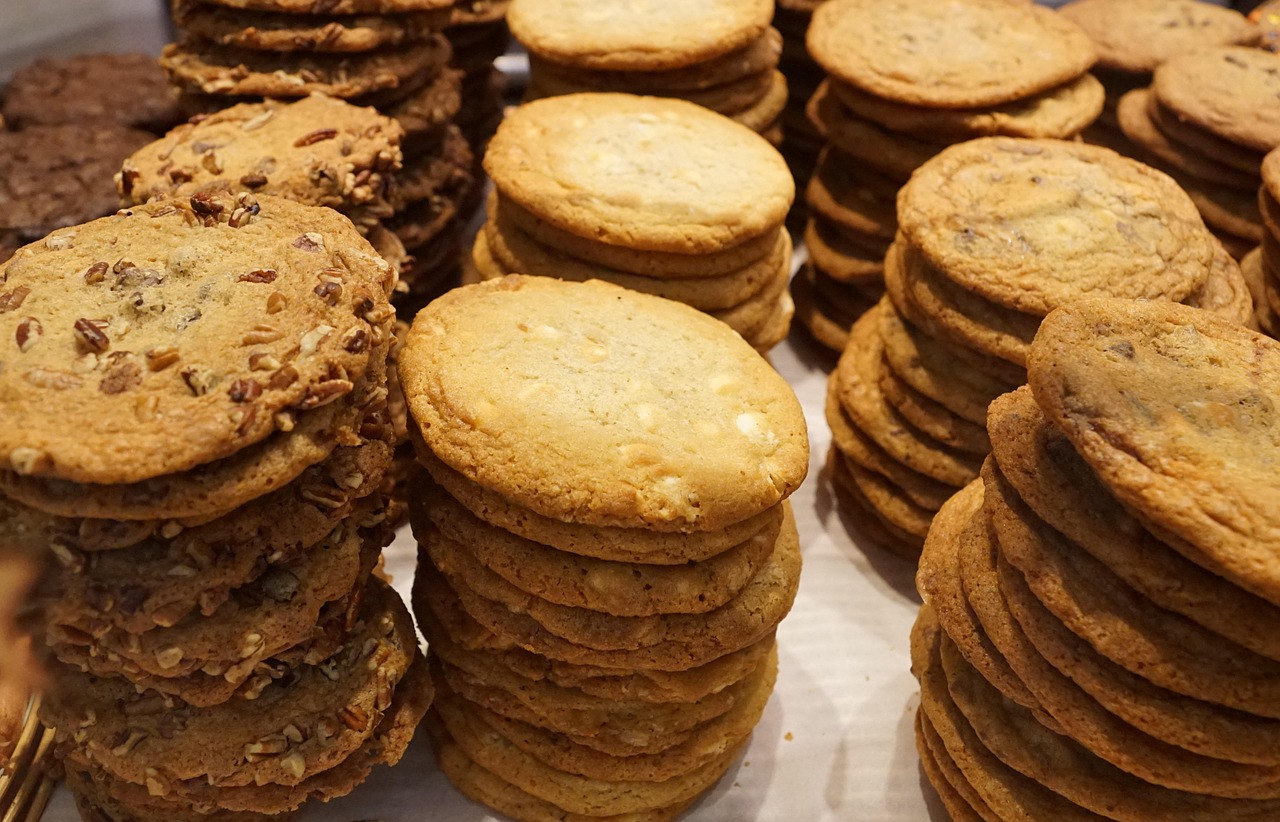
Start by replacing just one daily snack with a smarter option, then gradually expand from there. Celebrate small victories like choosing apple slices over cookies or reaching for water instead of automatically snacking. Over time, these small changes compound into significant health improvements and a transformed relationship with food.
Remember that smart snacking is ultimately about nourishing your body, maintaining steady energy, and feeling your best throughout the day. When you approach it from a place of self-care rather than restriction, it becomes an enjoyable, sustainable part of your lifestyle rather than another diet rule to follow.
By understanding the principles of blood sugar stability, keeping nutritious options readily available, and developing mindful eating habits, you can satisfy your cravings deliciously while supporting your long-term health. Your body—and your taste buds—will thank you for making these smart choices that prove healthy eating doesn’t have to be boring or complicated.