Managing blood sugar levels through dietary choices has become a crucial health priority for millions worldwide. Low-glycemic cooking offers a practical, sustainable approach to creating delicious meals that support metabolic health without sacrificing flavor or satisfaction.

The glycemic index revolution has transformed how we think about food and its impact on our bodies. Rather than simply counting calories or avoiding entire food groups, low-glycemic cooking focuses on choosing and preparing ingredients that provide steady energy release, prevent blood sugar spikes, and support long-term wellness for everyone from diabetics to health-conscious individuals.
🔬 Understanding the Science Behind Low-Glycemic Eating
The glycemic index (GI) measures how quickly foods raise blood glucose levels after consumption. Foods are ranked on a scale from 0 to 100, with pure glucose scoring 100. Low-GI foods (55 or below) digest slowly, releasing glucose gradually into the bloodstream. Medium-GI foods range from 56-69, while high-GI foods (70 and above) cause rapid blood sugar elevation.
When you consume high-glycemic foods, your pancreas releases large amounts of insulin to manage the sudden glucose surge. This cycle leads to energy crashes, increased hunger, and over time, can contribute to insulin resistance, weight gain, and type 2 diabetes. Low-glycemic cooking disrupts this harmful pattern by selecting ingredients and preparation methods that naturally moderate glucose response.
The glycemic load (GL) provides an even more practical measurement by considering both the glycemic index and the quantity of carbohydrates in a typical serving. A food might have a high GI but low GL if you consume it in small amounts, making this combined approach essential for realistic meal planning.
🥗 Strategic Ingredient Selection for Blood Sugar Control
Mastering low-glycemic cooking begins at the grocery store with informed ingredient choices. Whole grains like quinoa, steel-cut oats, barley, and bulgur offer significantly lower glycemic responses than refined alternatives. These intact grains retain their fiber-rich outer layers, slowing digestion and glucose absorption.
Legumes represent one of nature’s perfect low-glycemic foods. Lentils, chickpeas, black beans, and kidney beans combine protein, fiber, and complex carbohydrates that stabilize blood sugar while providing exceptional nutritional density. Incorporating legumes into soups, salads, and main dishes adds substance without compromising glycemic control.
Non-starchy vegetables form the foundation of low-glycemic eating. Leafy greens, cruciferous vegetables, peppers, tomatoes, and zucchini contain minimal carbohydrates while offering vitamins, minerals, and phytonutrients. These foods can be consumed abundantly without significant blood sugar impact, making them ideal for volume eating that satisfies hunger.
Protein and Fat: Your Blood Sugar Allies
Including adequate protein with every meal dramatically improves glycemic control. Lean meats, fish, eggs, Greek yogurt, and plant-based proteins like tofu slow carbohydrate absorption and increase satiety. The amino acids in protein also support stable energy levels throughout the day.
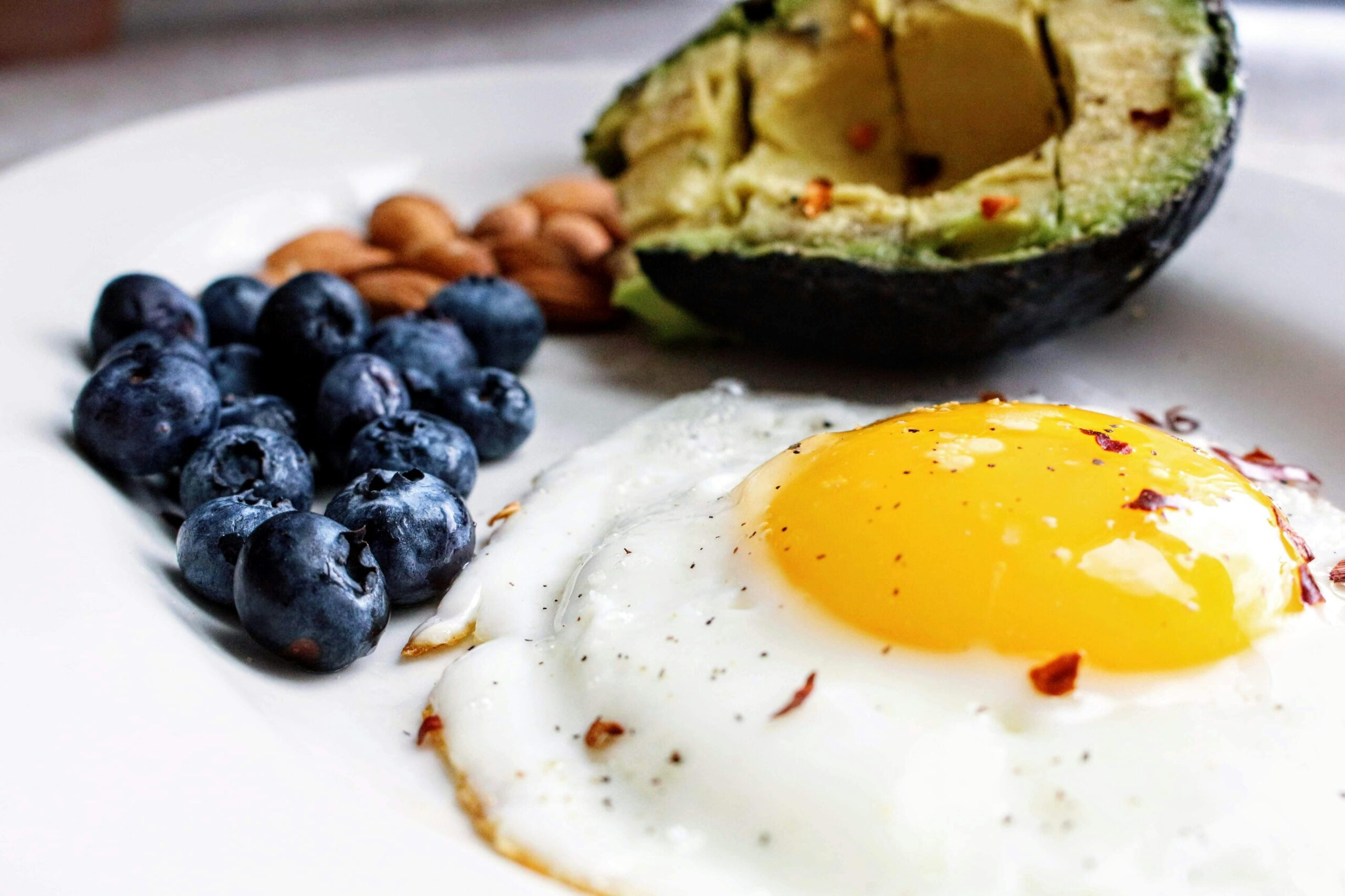
Healthy fats from sources like avocados, nuts, seeds, olive oil, and fatty fish further moderate blood sugar response. Fat slows gastric emptying, meaning carbohydrates enter your bloodstream more gradually. This combination of protein and healthy fats with complex carbohydrates creates the optimal macronutrient balance for glycemic management.
👨🍳 Cooking Techniques That Lower Glycemic Impact
How you prepare food significantly affects its glycemic index. Cooking methods that preserve food structure and fiber content generally maintain lower glycemic values, while techniques that break down starches increase digestibility and glycemic response.
Al dente pasta preparation exemplifies this principle perfectly. Pasta cooked until just firm retains more resistant starch, which behaves more like fiber than rapidly digestible carbohydrate. Overcooked pasta has a substantially higher glycemic index because the starch granules swell and become more accessible to digestive enzymes.
Cooling cooked starches creates another fascinating glycemic advantage. When you refrigerate cooked potatoes, rice, or pasta, some of the starch crystallizes into resistant starch during the cooling process. Reheating these foods doesn’t reverse this transformation, meaning your potato salad or fried rice may have a lower glycemic impact than freshly cooked versions.
Temperature and Texture Transformations
Minimal processing preserves the natural structure of foods, keeping their glycemic index lower. Whole apples have a substantially lower GI than applesauce or apple juice because the intact cell walls and fiber matrix slow sugar absorption. Similarly, steel-cut oats cause a gentler blood sugar response than instant oatmeal because they require more digestive breakdown.
Roasting vegetables at moderate temperatures caramelizes their natural sugars without dramatically increasing glycemic load. This technique intensifies flavor through the Maillard reaction while maintaining nutritional integrity. Steaming and sautéing with minimal oil also preserve vegetable structure better than boiling, which leaches nutrients and softens fiber.
🍽️ Meal Composition Strategies for Optimal Glycemic Control
The sequence and combination of foods you eat influences your glycemic response as much as individual ingredient choices. Starting meals with vegetables or protein rather than carbohydrates can reduce the overall blood sugar spike from that meal by up to 40% according to recent research.
Creating balanced plates following the low-glycemic formula ensures success: half your plate with non-starchy vegetables, one quarter with lean protein, and one quarter with whole grains or starchy vegetables. This visual approach simplifies portion control while automatically balancing macronutrients for glycemic management.
Adding acidic components like vinegar, lemon juice, or fermented foods to meals lowers the glycemic impact of the entire dish. Acetic acid slows gastric emptying and starch digestion, making a simple vinaigrette or pickled vegetables a smart addition to higher-carbohydrate meals.
Smart Substitutions That Transform Recipes
Successful low-glycemic cooking doesn’t require abandoning favorite dishes but rather adapting them with intelligent substitutions. Replacing white rice with cauliflower rice or quinoa dramatically reduces glycemic load while adding nutritional value. Spiralized vegetables create pasta alternatives that satisfy texture cravings without blood sugar consequences.
Flour alternatives open new possibilities for low-glycemic baking. Almond flour, coconut flour, and chickpea flour provide lower-carbohydrate, higher-protein alternatives to refined wheat flour. These substitutions require recipe adjustments for moisture and binding, but the glycemic benefits make experimentation worthwhile.
Natural sweeteners like stevia, monk fruit, and erythritol allow you to create desserts and treats without blood sugar spikes. While not suitable for all recipes due to different properties from sugar, these alternatives enable occasional indulgences within a low-glycemic lifestyle.
📱 Technology Tools for Low-Glycemic Success
Modern technology provides valuable support for mastering low-glycemic cooking. Numerous applications help track food glycemic values, plan meals, and monitor blood sugar responses to different foods. These digital tools transform abstract concepts into practical daily actions.
Continuous glucose monitors (CGMs) have revolutionized personalized nutrition by revealing individual responses to specific foods. These devices show that glycemic response varies significantly between people, allowing you to identify your personal trigger foods and optimize your dietary choices based on real data rather than general guidelines.
🥘 Practical Low-Glycemic Recipes for Everyday Cooking
Building a repertoire of reliable low-glycemic recipes makes this eating style sustainable long-term. Breakfast options like Greek yogurt parfaits with nuts and berries, vegetable omelets, or overnight oats with chia seeds provide sustained morning energy without mid-morning crashes.
Lunch bowls combining legumes, mixed greens, roasted vegetables, and tahini dressing offer complete nutrition with excellent glycemic control. These versatile meals accommodate various dietary preferences and can be prepared in advance for convenient workday eating.
Dinner showcases where low-glycemic cooking truly shines with endless possibilities. Herb-crusted salmon with roasted Brussels sprouts and quinoa pilaf, chicken stir-fry loaded with colorful vegetables over cauliflower rice, or Mediterranean chickpea stew with whole grain bread demonstrate that blood sugar-friendly eating never means boring food.
Satisfying Snacks That Stabilize Energy
Strategic snacking prevents the blood sugar dips that lead to poor food choices. Combining protein with fiber creates snacks that truly satisfy. Apple slices with almond butter, vegetables with hummus, or a handful of nuts with cheese provide balanced mini-meals that maintain stable glucose levels between meals.
Homemade energy balls made from dates, nuts, seeds, and dark chocolate offer sweet satisfaction without refined sugars. These portable snacks prove that low-glycemic eating accommodates real-world schedules and cravings when you plan thoughtfully.
🌍 Cultural Adaptations of Low-Glycemic Principles
Low-glycemic cooking principles adapt beautifully across cuisines worldwide. Mediterranean diets naturally emphasize many low-GI foods through their focus on vegetables, legumes, whole grains, and healthy fats. Traditional dishes like tabbouleh, lentil soup, and grilled fish with vegetable sides exemplify this approach.
Asian cuisines offer tremendous potential for low-glycemic adaptations. Substituting white rice with brown or black rice varieties, loading stir-fries with vegetables, and using traditional fermented foods all align with glycemic management. The emphasis on tea, particularly green tea, provides additional metabolic benefits.
Latin American cooking traditions centered on beans, squash, and corn can be optimized by choosing whole corn preparations, adding abundant vegetables, and using beans as primary protein sources. These cultural staples already provide excellent nutritional foundations when prepared traditionally rather than with modern processed shortcuts.
💡 Overcoming Common Low-Glycemic Cooking Challenges
Time constraints present the most frequent obstacle to consistent low-glycemic eating. Batch cooking whole grains, roasting large quantities of vegetables, and preparing proteins in advance creates building blocks for quick meal assembly throughout the week. Investing a few hours on weekends yields weekday convenience without compromising glycemic goals.
Family members with different dietary preferences or requirements can make meal planning complex. Creating customizable meals with separate components allows everyone to build plates according to their needs. Taco bars, grain bowl stations, or build-your-own salad nights accommodate various preferences while maintaining low-glycemic options.
Budget concerns sometimes discourage people from pursuing healthier eating patterns. However, low-glycemic staples like dried beans, seasonal vegetables, eggs, and whole grains rank among the most economical foods available. Focusing on these foundations rather than expensive specialty products makes this approach financially accessible.
🎯 Long-Term Success Strategies and Mindset Shifts
Sustainable low-glycemic eating requires moving beyond diet mentality toward lifestyle integration. Rather than viewing certain foods as forbidden, understand how different choices affect your body and make informed decisions. This empowerment approach proves more effective than rigid restriction for long-term adherence.
Gradual implementation prevents overwhelm and allows your palate to adjust. Start by adding more non-starchy vegetables to meals, then experiment with whole grain alternatives, and progressively incorporate more low-glycemic cooking techniques. This incremental approach builds sustainable habits rather than triggering the all-or-nothing thinking that derails many dietary changes.
Tracking your progress through energy levels, mood stability, and how clothes fit provides more meaningful feedback than scale obsession. Many people discover improved mental clarity, better sleep, and reduced inflammation as glycemic control improves—benefits that motivate continued commitment more powerfully than weight changes alone.
🌟 Advanced Techniques for Glycemic Optimization
Once you master basic low-glycemic cooking, advanced strategies further refine your approach. Food pairing research shows that combining specific foods creates synergistic effects on blood sugar control. Pairing cinnamon with oatmeal, turmeric with cauliflower, or vinegar with potatoes enhances the glycemic benefits beyond individual ingredients.
Meal timing influences glycemic response independently of food choices. Eating larger meals earlier in the day when insulin sensitivity naturally peaks and lighter dinners aligns with circadian metabolism rhythms. This approach, sometimes called chrononutrition, optimizes when you eat in addition to what you eat.
Understanding your personal glycemic responses through experimentation transforms general guidelines into customized practices. Testing the same food prepared different ways or eaten at different times reveals patterns specific to your metabolism, allowing unprecedented precision in managing blood sugar through cooking choices.
Mastering low-glycemic cooking represents an investment in long-term health that pays dividends through stable energy, reduced disease risk, and genuine enjoyment of nourishing food. These techniques transform everyday cooking from a potential health hazard into a powerful tool for wellness, proving that supporting your metabolism and satisfying your palate aren’t competing goals but complementary achievements in a well-designed kitchen.