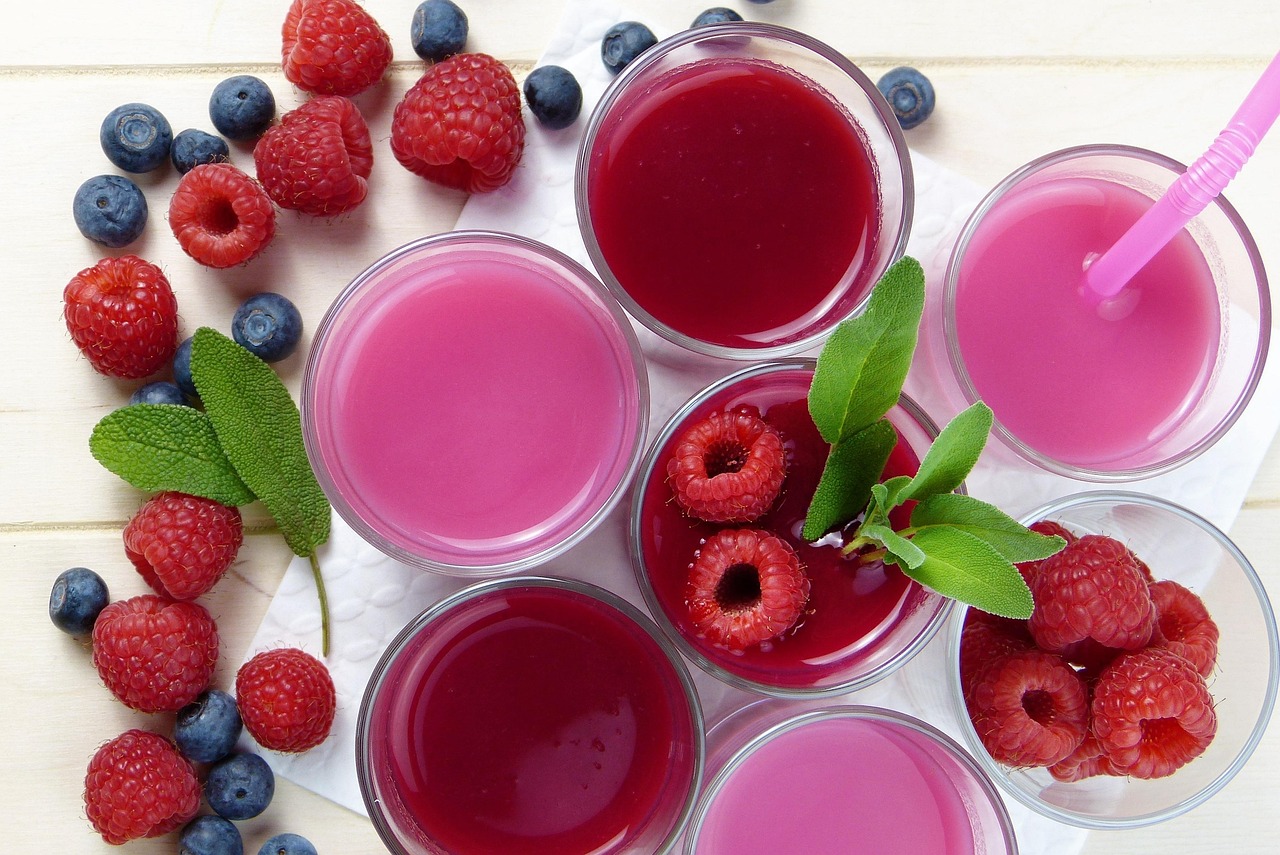
Living with diabetes or prediabetes doesn’t mean sacrificing the natural sweetness and nutritional power of fruits. The key lies in understanding how to incorporate these nutritious foods strategically into your daily meals.

Managing blood sugar levels while enjoying flavorful, satisfying meals is an art that anyone can master with the right knowledge and approach. Fruits offer essential vitamins, minerals, fiber, and antioxidants that support overall health, but their natural sugars require thoughtful consideration when planning A1C-friendly meals.
🍎 Understanding the Fruit and Blood Sugar Connection
Before diving into meal planning strategies, it’s crucial to understand how fruits affect your blood glucose levels. Not all fruits impact blood sugar equally, and the way you consume them makes a significant difference in their glycemic response.
The glycemic index (GI) measures how quickly foods raise blood sugar levels. Low-GI fruits like berries, cherries, and apples cause slower, more gradual increases, while high-GI options like watermelon and pineapple can trigger faster spikes. However, the glycemic load (GL), which considers both the GI and portion size, provides a more practical measure for meal planning.
Fiber content plays a protective role in blood sugar management. Whole fruits contain fiber that slows digestion and sugar absorption, creating a gentler impact on glucose levels compared to fruit juices or processed fruit products. This is why eating an orange is vastly different from drinking orange juice when it comes to blood sugar control.
The Role of Fructose and Natural Sugars
Fruits contain primarily fructose, a natural sugar that metabolizes differently than glucose. While fructose has a lower immediate impact on blood sugar, excessive consumption can still affect A1C levels over time. The body processes fructose through the liver, and when consumed in whole fruit form with fiber, this process is regulated more effectively.
🥗 Strategic Fruit Pairing for Stable Blood Sugar
The secret to enjoying fruits without blood sugar spikes lies in strategic pairing with other macronutrients. Never eat fruit alone—especially on an empty stomach. Combining fruits with protein, healthy fats, or fiber-rich foods creates a balanced response that prevents rapid glucose elevation.
Protein slows gastric emptying and reduces the overall glycemic response of a meal. When you pair apple slices with almond butter, the protein and fat in the nut butter buffer the sugar absorption from the fruit. Similarly, adding Greek yogurt to berries creates a balanced snack that satisfies sweet cravings while maintaining stable blood sugar.
Power Combinations That Work
Here are proven fruit-pairing strategies that support healthy A1C levels:
- Berries with cottage cheese: The high protein content of cottage cheese perfectly complements the antioxidant-rich berries
- Apple slices with cheese: Combining the fiber in apples with the protein and fat in cheese creates sustained energy
- Pear wedges with walnuts: Heart-healthy omega-3s from walnuts slow the absorption of fruit sugars
- Citrus segments with avocado: Healthy monounsaturated fats balance the natural sugars while adding satisfying texture
- Cherries with unsweetened yogurt: Probiotics and protein work synergistically with cherry’s low glycemic profile
📊 The Best Fruits for Blood Sugar Management
Not all fruits are created equal when managing A1C levels. Some varieties offer superior benefits for blood sugar control while delivering maximum nutritional value. Focus on these diabetes-friendly options for the foundation of your fruit intake.
| Fruit | Glycemic Index | Serving Size | Key Benefits |
|---|---|---|---|
| Blueberries | 53 (Low) | 3/4 cup | High in anthocyanins, supports insulin sensitivity |
| Strawberries | 40 (Low) | 1 cup | Rich in vitamin C, low in total carbohydrates |
| Cherries | 22 (Very Low) | 1 cup | Contains compounds that may reduce inflammation |
| Grapefruit | 25 (Low) | 1/2 fruit | May improve insulin response, high in fiber |
| Apples | 36 (Low) | 1 medium | Soluble fiber helps slow sugar absorption |
| Pears | 38 (Low) | 1 medium | Excellent fiber content for digestive health |
Berries: The Diabetes Superfood
Berries deserve special attention in A1C-friendly meal planning. Raspberries, blackberries, strawberries, and blueberries all rank low on the glycemic index while providing exceptional nutritional density. They’re packed with anthocyanins and other polyphenols that research suggests may improve insulin sensitivity and reduce diabetes-related complications.
The fiber-to-sugar ratio in berries is particularly favorable. A cup of raspberries contains 8 grams of fiber against only 5 grams of sugar, making them an ideal choice for satisfying sweet cravings without compromising blood sugar goals.
⏰ Timing Matters: When to Eat Fruits
The timing of fruit consumption can significantly impact blood sugar response. Strategic timing helps your body process fruit sugars more efficiently while preventing unwanted spikes that affect your A1C over time.
Morning consumption, especially as part of a balanced breakfast with protein and healthy fats, allows your body to utilize fruit sugars for energy throughout the day. However, eating fruit late at night when insulin sensitivity naturally decreases may result in higher blood sugar readings the following morning.
Post-Exercise Fruit Window
One of the best times to enjoy higher-sugar fruits is immediately after exercise. Physical activity increases insulin sensitivity for up to 48 hours, meaning your muscles are primed to absorb glucose efficiently. This natural window makes post-workout an ideal time for slightly higher-glycemic fruits like bananas or mangoes, which also provide potassium for muscle recovery.
🍽️ Building A1C-Friendly Meals Around Fruits
Creating satisfying meals that feature fruits without causing blood sugar disruption requires thoughtful construction. The foundation should always be non-starchy vegetables and lean proteins, with fruits serving as complementary elements rather than central features.
For breakfast, consider a spinach and mushroom omelet topped with a small handful of blueberries on the side, accompanied by a slice of whole-grain toast with avocado. This combination provides protein, fiber, healthy fats, and antioxidants while keeping carbohydrate intake moderate and well-balanced.
Lunch and Dinner Integration
Fruits can enhance savory meals beautifully. Add diced apple or pear to a mixed green salad with grilled chicken, walnuts, and a vinaigrette dressing. The fruit adds natural sweetness and texture without overwhelming the meal’s protein and vegetable base. Citrus segments work wonderfully in fish dishes, providing brightness while complementing omega-3-rich seafood.
For dinner, consider a small serving of roasted vegetables with grilled salmon and a side of arugula salad featuring pomegranate seeds. The antioxidants in pomegranate have shown promise in supporting cardiovascular health, which is particularly important for those managing diabetes.
🚫 Fruits to Approach with Caution
While all whole fruits can fit into a diabetes-friendly diet in moderation, some require more careful portion control due to their higher sugar content or glycemic impact. This doesn’t mean eliminating them entirely, but rather consuming them mindfully and in smaller quantities.
Tropical fruits like pineapple, mango, and papaya tend to have higher glycemic indices. When you do enjoy them, keep portions small—think 1/4 cup rather than a full cup—and always pair them with protein or fat sources. Dried fruits concentrate sugars significantly, so a small handful of raisins or dried cranberries contains as much sugar as a much larger portion of fresh fruit.
The Juice Trap
Fruit juices, even 100% juice varieties, remove the beneficial fiber that helps regulate blood sugar absorption. A glass of orange juice can spike blood sugar as rapidly as a soft drink, making whole fruits the far superior choice. If you enjoy juice flavors, consider adding a splash to sparkling water rather than drinking it by the glass.
📱 Tracking Your Personal Response
Individual responses to fruits vary considerably based on genetics, activity level, medication, and overall diet quality. What causes minimal blood sugar increase in one person might trigger a significant spike in another. Continuous monitoring helps you identify your personal tolerance and optimal fruit choices.
Testing blood sugar before eating and two hours afterward reveals how specific fruits and combinations affect your individual response. Keep a food journal noting which fruits, portions, and pairings work best for maintaining stable glucose levels. Over time, these patterns become clear, allowing you to customize your fruit intake for optimal A1C management.
🥄 Portion Control Without Deprivation
Managing portions doesn’t mean feeling restricted or deprived. Visual cues help estimate appropriate serving sizes without obsessive measuring. A tennis ball represents roughly one cup of berries or cubed melon. Your closed fist approximates one medium apple or pear. A handful of grapes equals about 15-17 grapes, a standard serving.
Pre-portioning fruits at the beginning of the week eliminates guesswork and prevents overconsumption. Wash and divide berries into single-serving containers. Cut melons into measured portions. Separate grapes into small bags. These simple preparation steps make grabbing appropriate portions effortless throughout the week.
Mindful Eating Practices
Eating slowly and mindfully allows you to savor fruit’s natural sweetness while giving your body time to register satisfaction. Put away distractions, focus on the flavors and textures, and chew thoroughly. This practice not only enhances enjoyment but also improves digestion and helps prevent overeating.
🌟 Seasonal Fruit Strategies
Embracing seasonal fruits offers multiple benefits for A1C management. Seasonal produce is fresher, more flavorful, and often more affordable, encouraging consistent fruit intake without budget strain. Summer’s abundant berries provide low-glycemic options, while fall’s apples and pears offer satisfying fiber content.
Winter citrus fruits deliver immune-boosting vitamin C when fresh produce options narrow. Spring brings cherries, one of the lowest-glycemic fruits available. Planning meals around seasonal availability creates natural variety that prevents boredom while ensuring optimal nutrient intake throughout the year.
💡 Creative Preparation Methods
How you prepare fruits can enhance their blood-sugar-friendly properties. Freezing berries doesn’t significantly impact their nutritional value and makes them convenient for smoothies paired with protein powder and spinach. Roasting fruits like peaches or plums with cinnamon concentrates flavors while adding a diabetes-friendly spice that may improve insulin sensitivity.
Grilling fruits caramelizes natural sugars, creating dessert-like satisfaction without added sweeteners. Try grilled peach halves topped with Greek yogurt and a sprinkle of chopped nuts for a balanced, A1C-friendly dessert that feels indulgent while supporting health goals.
Incorporating Fruits Into Savory Dishes
Fruits in savory contexts often feel less like “dessert” while providing the same nutritional benefits. Add diced strawberries to balsamic-dressed salads. Include apple chunks in chicken salad with celery and walnuts. Mix pomegranate seeds into quinoa with herbs and vegetables. These applications distribute fruit throughout balanced meals rather than concentrating them in sweet-focused dishes.
🔬 The Science of Fiber and Blood Sugar
Understanding fiber’s protective role transforms how you approach fruit consumption. Soluble fiber, abundant in apples, pears, and citrus fruits, forms a gel-like substance in the digestive tract that slows sugar absorption. This creates a gentler blood sugar curve rather than sharp spikes and crashes.
Aim for fruits with at least 2-3 grams of fiber per serving. The fiber content partially offsets the sugar content, creating a more favorable net carbohydrate impact. This is why whole fruits consistently perform better than processed fruit products in blood sugar management studies.

🎯 Your Personalized Fruit Strategy
Developing a sustainable fruit strategy requires balancing enjoyment with blood sugar goals. Start by identifying three to five fruits that you genuinely enjoy and that demonstrate minimal blood sugar impact through personal testing. Build your meal plans around these core options while occasionally incorporating small portions of other varieties for variety.
Create go-to combinations that you can rely on when planning gets difficult. Perhaps it’s Greek yogurt with berries for breakfast, apple slices with almond butter for mid-afternoon snacks, and a small pear after dinner. Having reliable patterns reduces decision fatigue while ensuring consistent blood sugar management.
Remember that managing A1C levels isn’t about perfection but about consistent, sustainable choices that support long-term health. Fruits provide too many essential nutrients to eliminate entirely, and with strategic incorporation, they enhance both the nutritional quality and enjoyment of your diet. The natural sweetness of fruits can satisfy cravings that might otherwise lead to less healthy choices, making them valuable allies in diabetes management rather than foods to fear.
By mastering the art of balancing fruits in A1C-friendly meals, you’re not just managing numbers—you’re creating a sustainable, enjoyable approach to eating that supports vibrant health without feeling restrictive. The sweetness of life, much like the sweetness of fruit, is meant to be savored mindfully, creating a relationship with food that nourishes both body and spirit. With knowledge, strategy, and attention to your body’s unique responses, you can enjoy nature’s candy while maintaining the stable blood sugar levels that support optimal wellness for years to come.