The holiday season brings joy, laughter, and tables laden with delicious food. Yet, it’s possible to enjoy festive celebrations without compromising your health goals or feeling guilty about every bite.

Traditional holiday recipes often overflow with refined sugars, heavy creams, and processed carbohydrates that leave us feeling sluggish and regretful. The good news is that with some creative substitutions and mindful ingredient choices, you can transform classic festive dishes into nutritious masterpieces that satisfy both your taste buds and your wellness objectives. This comprehensive guide will walk you through delightful holiday recipes featuring smarter carbohydrate choices, ensuring your celebrations remain both memorable and health-conscious.
🎄 Understanding Smarter Carbohydrate Choices for Holiday Cooking
Before diving into recipes, it’s essential to understand what makes certain carbohydrates “smarter” than others. Smart carbs are those that provide sustained energy, fiber, vitamins, and minerals while avoiding blood sugar spikes that lead to energy crashes and increased hunger.
Complex carbohydrates from whole grains, legumes, vegetables, and fruits contain fiber that slows digestion and promotes satiety. These options contrast sharply with refined carbohydrates found in white flour, white sugar, and processed foods that strip away nutritional value. During the holidays, swapping refined carbs for their whole-food counterparts can dramatically improve how you feel while still enjoying festive flavors.
The glycemic index (GI) and glycemic load (GL) serve as helpful tools when selecting carbohydrate sources. Low-GI foods release glucose gradually into the bloodstream, preventing the rollercoaster effect of sugar highs and crashes. Incorporating these principles into your holiday menu planning ensures guests enjoy sustained energy throughout celebrations rather than experiencing post-meal lethargy.
🍽️ Breakfast and Brunch Recipes to Start Celebrations Right
Cranberry-Orange Quinoa Breakfast Bake
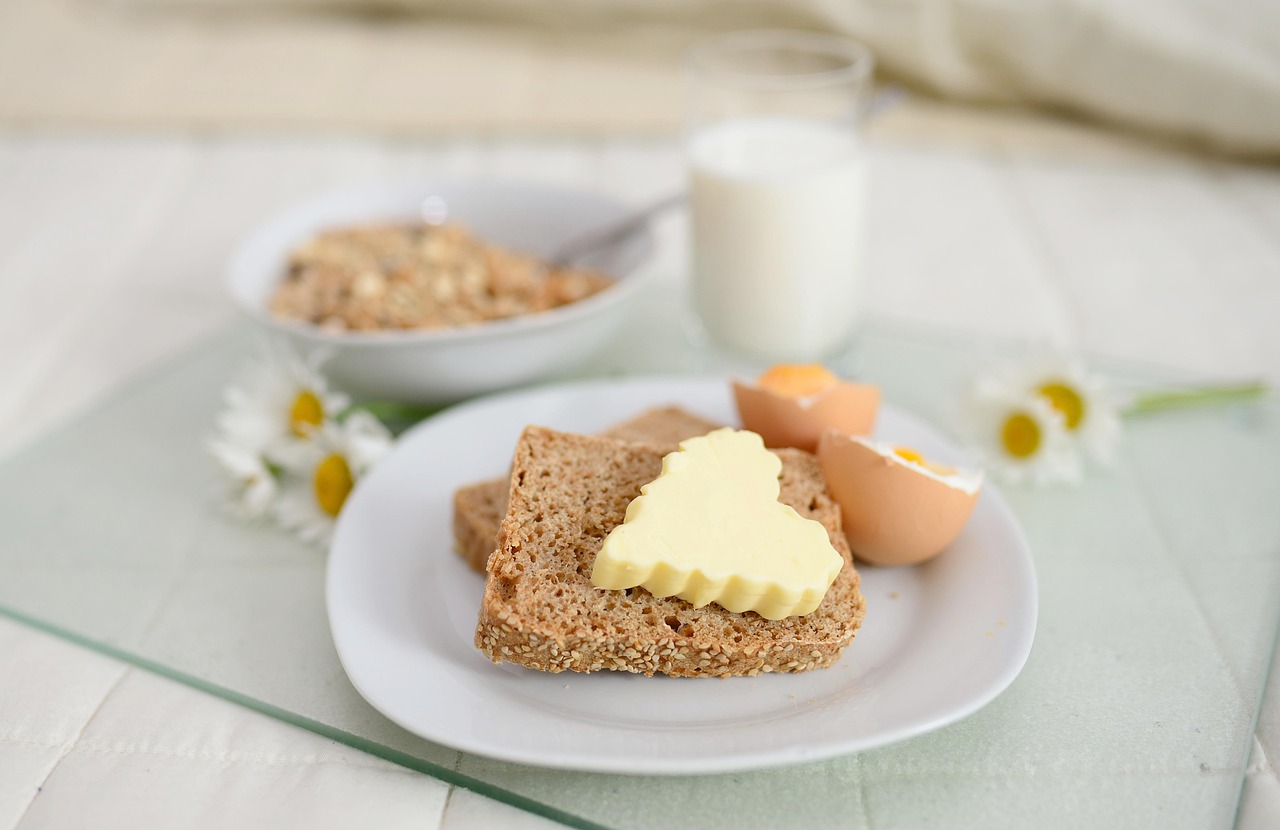
This protein-rich breakfast casserole replaces traditional refined grain options with quinoa, a complete protein containing all nine essential amino acids. The natural sweetness from oranges and cranberries eliminates the need for excessive added sugars.
Combine cooked quinoa with unsweetened almond milk, eggs, fresh cranberries, orange zest, cinnamon, and a touch of pure maple syrup. Bake until golden and serve warm with a dollop of Greek yogurt. This dish provides approximately 8 grams of protein per serving alongside complex carbohydrates that fuel morning activities without causing energy dips.
Sweet Potato and Herb Frittata
Sweet potatoes offer a nutritious carbohydrate base loaded with beta-carotene, vitamin C, and fiber. Their natural sweetness pairs beautifully with savory herbs in this elegant brunch option that looks impressive yet remains simple to prepare.
Dice roasted sweet potatoes and fold them into whisked eggs with fresh rosemary, thyme, caramelized onions, and crumbled goat cheese. Cook on the stovetop before finishing under the broiler for a golden top. Each slice delivers balanced macronutrients that keep hunger at bay while guests mingle over morning coffee.
🥗 Appetizers and Starters That Impress Without the Guilt
Cauliflower “Breadsticks” with Marinara
These ingenious breadstick alternatives use riced cauliflower as the base, dramatically reducing carbohydrate content while increasing vegetable intake. The texture surprisingly mimics traditional breadsticks when prepared correctly.
Mix cauliflower rice with almond flour, eggs, mozzarella cheese, and Italian seasonings. Press into a thin layer on a baking sheet and bake until crispy. Cut into strips and serve alongside sugar-free marinara sauce for dipping. Your guests will marvel at the flavor while benefiting from the cauliflower’s vitamin K, folate, and antioxidants.
Butternut Squash Hummus with Vegetable Crudités
Traditional hummus already offers healthy complex carbs from chickpeas, but adding roasted butternut squash elevates both nutrition and seasonal flavor profiles. The vibrant orange color makes a stunning presentation on any appetizer table.
Blend chickpeas, roasted butternut squash, tahini, garlic, lemon juice, and cumin until smooth. Drizzle with extra virgin olive oil and sprinkle with pomegranate seeds for visual appeal. Serve with colorful bell peppers, cucumber rounds, celery sticks, and endive leaves rather than refined crackers.
🍗 Main Course Makeovers for Festive Dinners
Herb-Crusted Turkey with Cauliflower Stuffing
The centerpiece turkey remains traditional, but the stuffing receives a modern makeover by replacing bread cubes with cauliflower florets. This substitution cuts carbohydrates significantly while adding cruciferous vegetable benefits including cancer-fighting compounds.
Prepare the stuffing by sautéing cauliflower florets with celery, onions, mushrooms, and fresh sage. Add vegetable broth and bake separately from the turkey to achieve crispy edges. The savory flavors satisfy stuffing cravings without the heaviness of bread-based versions that often leave diners uncomfortably full.
Glazed Salmon with Citrus and Pomegranate
For families seeking alternatives to traditional holiday roasts, salmon provides omega-3 fatty acids and high-quality protein. A glaze made from orange juice reduction, pomegranate molasses, and Dijon mustard adds festive flavor without refined sugars.
Roast the salmon until just cooked through and brush with the glaze during the final minutes of cooking. Garnish with fresh pomegranate arils and orange segments. Serve alongside roasted Brussels sprouts and wild rice pilaf for a complete meal featuring smart carbohydrate choices that support heart health and cognitive function.
Mushroom and Lentil Wellington
This vegetarian main course option uses phyllo dough instead of traditional puff pastry, significantly reducing fat content while creating impressive layers. Lentils provide plant-based protein and low-GI carbohydrates that stabilize blood sugar.
Create a filling from sautéed mushrooms, cooked green lentils, walnuts, and thyme. Wrap in phyllo sheets brushed lightly with olive oil rather than butter. Bake until golden and crispy, then slice to reveal the layered interior. This stunning entrée satisfies vegetarians and meat-eaters alike while delivering substantial nutrition.
🥘 Side Dishes That Steal the Show
Mashed Cauliflower with Roasted Garlic
Perhaps the most popular smart carb substitution, cauliflower mash offers creamy comfort without the blood sugar impact of traditional mashed potatoes. Roasted garlic adds depth and sweetness without any added sugars.
Steam cauliflower until very tender, then blend with roasted garlic cloves, Greek yogurt, butter or olive oil, and fresh chives. The texture rivals traditional mashed potatoes when properly prepared, and the 75% reduction in carbohydrates compared to potatoes makes this swap worthwhile for anyone monitoring carbohydrate intake.
Maple-Roasted Root Vegetables
Root vegetables provide complex carbohydrates, fiber, and essential minerals. Their natural sweetness intensifies during roasting, requiring only minimal added sweeteners for a satisfying side dish bursting with color.
Toss cubed parsnips, carrots, beets, and turnips with a small amount of pure maple syrup, olive oil, fresh thyme, and sea salt. Roast at high temperature until caramelized. The variety of vegetables ensures diverse nutrient profiles including vitamin A, potassium, and folate.
Green Bean Almondine with Shallots
This classic French preparation highlights vegetables as the star rather than drowning them in heavy sauces. Green beans provide fiber and vitamins while almonds contribute healthy fats and protein for balanced nutrition.
Blanch green beans briefly to maintain their vibrant color and crisp texture. Sauté with sliced shallots and toasted almonds in a touch of butter or olive oil. Finish with lemon zest and juice for brightness that cuts through richer holiday dishes.
🍰 Desserts That Satisfy Sweet Cravings Mindfully
Flourless Chocolate Avocado Cake
Avocados create incredibly moist cakes while contributing healthy monounsaturated fats, fiber, and a creamy texture. Combined with almond flour and cocoa powder, this dessert delivers rich chocolate flavor without refined flour or excessive sugar.
Blend ripe avocados with eggs, cocoa powder, almond flour, pure vanilla extract, and coconut sugar or maple syrup. Bake until set but still fudgy in the center. The result resembles a flourless chocolate cake with added nutritional benefits and lower glycemic impact than traditional versions.
Spiced Pear and Almond Crisp
Fruit crisps allow seasonal produce to shine while using nut-based toppings instead of refined flour and butter combinations. Pears provide natural sweetness and fiber, particularly when left unpeeled.
Arrange sliced pears in a baking dish with cinnamon, nutmeg, and a touch of maple syrup. Top with a mixture of almond flour, chopped almonds, oats, coconut oil, and spices. Bake until the fruit bubbles and the topping turns golden. Serve warm with a scoop of Greek yogurt instead of ice cream for added protein.
Pumpkin Mousse with Coconut Cream
This light, airy dessert captures pumpkin pie flavor without the crust and condensed milk typically involved. Pumpkin puree provides vitamin A, fiber, and natural sweetness that requires minimal enhancement.
Whip coconut cream until fluffy, then fold in pumpkin puree, pumpkin pie spice, vanilla extract, and a small amount of maple syrup or honey. Chill thoroughly before serving in elegant glasses topped with a sprinkle of cinnamon and chopped pecans. Each serving contains significantly fewer carbohydrates than traditional pumpkin pie while delivering similar flavors guests expect during holiday celebrations.
🥤 Beverages to Complete Your Healthy Holiday Menu
Cranberry-Ginger Sparkler
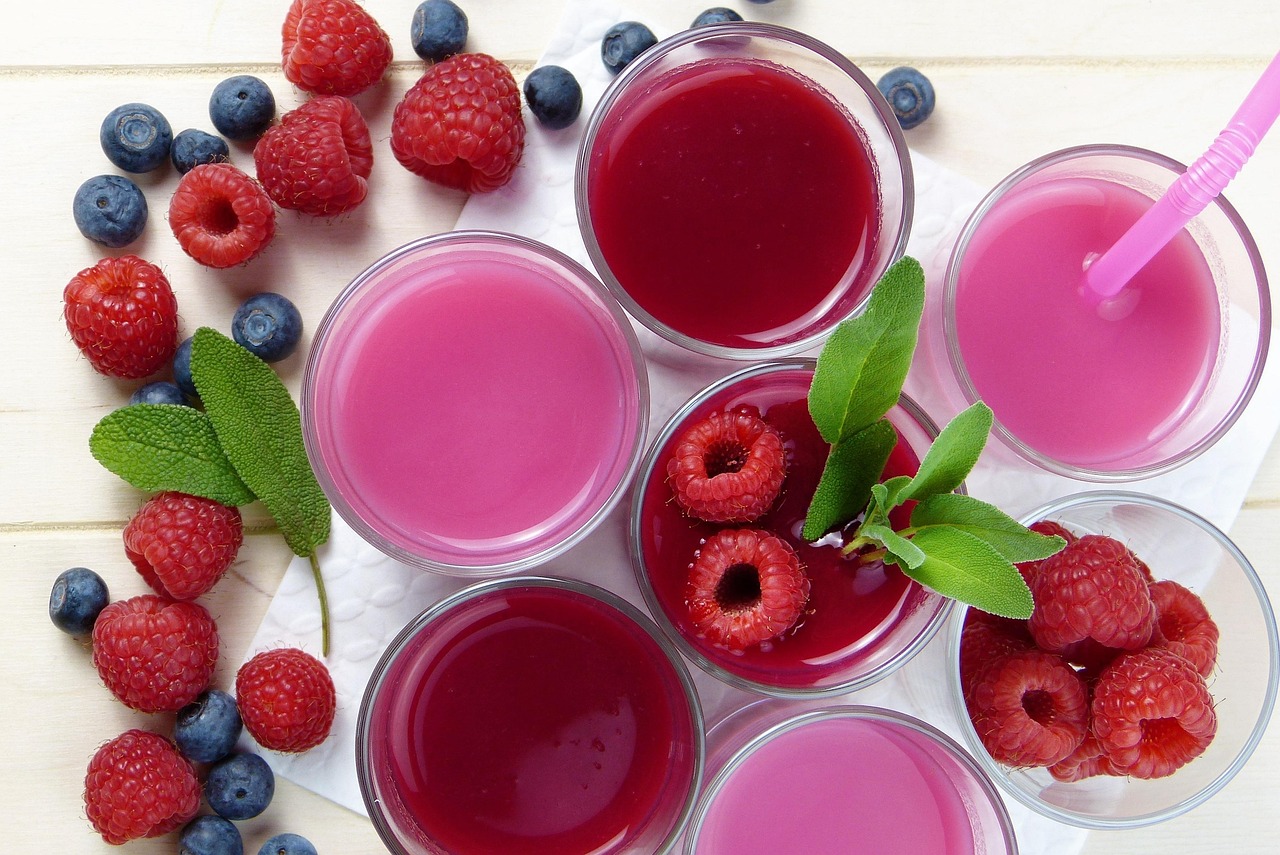
Holiday beverages often contain shocking amounts of sugar. This refreshing drink uses unsweetened cranberry juice balanced with fresh ginger and sparkling water for festivity without the sugar crash.
Muddle fresh ginger in the bottom of glasses, add unsweetened cranberry juice, a squeeze of fresh lime, and top with sparkling water. Garnish with frozen cranberries and fresh mint. The tartness of cranberries provides antioxidants while the ginger adds digestive benefits particularly appreciated after large meals.
Spiced Apple Cider (Sugar-Free)
Traditional apple cider swimming in added sugar becomes unnecessary when starting with quality apple juice and allowing spices to create complexity. Warming spices like cinnamon, cloves, and star anise transform simple apple juice into something special.
Simmer unsweetened apple juice with cinnamon sticks, whole cloves, star anise, and orange slices for at least 30 minutes. Strain and serve hot in mugs garnished with cinnamon sticks. The natural fruit sugars provide sweetness while spices offer antioxidants and anti-inflammatory compounds.
✨ Practical Tips for Hosting Healthier Holiday Gatherings
Successfully implementing these healthier recipes requires strategic planning and presentation. Announce your menu thoughtfully, emphasizing flavor and satisfaction rather than dietary restrictions or health lectures that might make guests uncomfortable.
Prepare dishes with the same care and attention you’d give traditional recipes. Beautiful presentation on quality serving ware signals that these dishes deserve celebration despite being healthier versions. Garnish generously with fresh herbs, colorful fruits, and artistic drizzles that appeal visually before guests even taste the food.
Consider offering a mix of traditional and healthier options during your first year of implementation. This allows guests to compare directly and discover that healthier versions can match or exceed traditional recipes in flavor. Pay attention to which dishes disappear first and solicit honest feedback for future menu planning.
Portion control matters even with healthier ingredients. Serve reasonable portions and encourage guests to return for seconds if desired rather than overwhelming plates from the start. This approach allows everyone to sample various dishes without overindulging and experiencing digestive discomfort.
🎁 Making Smart Carb Swaps Sustainable Beyond the Holidays
The strategies and recipes presented here extend far beyond holiday entertaining. Incorporating smart carbohydrate choices into everyday cooking improves energy levels, supports weight management goals, and reduces inflammation throughout the body.
Start by identifying your most frequently prepared dishes and researching one or two simple swaps. Perhaps cauliflower rice replaces white rice in stir-fries, or spiralized zucchini occasionally substitutes for pasta. Gradual changes feel less overwhelming and allow your palate to adjust naturally to new flavors and textures.
Stock your pantry with smart carb staples including quinoa, wild rice, sweet potatoes, various beans and lentils, almond flour, coconut flour, and old-fashioned oats. Having these ingredients readily available makes healthier cooking more convenient than defaulting to refined options when time feels limited.
Experiment with recipes when you’re not under the pressure of hosting. This builds confidence and allows you to refine techniques before presenting dishes to guests. Many smart carb recipes require slightly different cooking methods than their traditional counterparts, and practice ensures successful results.
🌟 Embracing Joy Without Compromising Wellness Goals
The ultimate goal of healthier holiday cooking isn’t perfection or completely eliminating indulgence. Instead, it’s about finding balance that allows you to participate fully in celebrations while honoring your body’s needs and your long-term health objectives.
Some occasions warrant traditional preparations enjoyed mindfully in smaller portions. Other times, experimenting with healthier versions brings satisfaction without any sacrifice. The key lies in expanding your culinary repertoire so you always have options regardless of your current health focus or guests’ dietary needs.
Remember that stress and restriction can undermine health just as much as poor food choices. Approach holiday cooking with curiosity and creativity rather than rigid rules. When you genuinely enjoy preparing and eating nourishing foods, those choices become sustainable lifestyle habits rather than temporary diet measures.
These festive feasts made healthier demonstrate that celebrations and wellness coexist beautifully. By incorporating smarter carbohydrate choices, you create memorable meals that nourish bodies and spirits simultaneously. Your guests will leave feeling energized and satisfied rather than uncomfortably stuffed and regretful. This holiday season, embrace the possibility of guilt-free celebrations that honor both tradition and health, proving that the most delicious gifts we can give ourselves and loved ones include vitality, joy, and truly nourishing food. 🎉