Managing your blood sugar doesn’t have to drain your bank account. With smart meal prep strategies and budget-friendly ingredients, you can maintain healthy A1C levels while keeping your finances in check.

The rising cost of groceries has made many people with diabetes worry about affording healthy foods. However, eating well to manage your blood sugar is possible without breaking the bank. This guide will show you practical, affordable meal prep ideas that support balanced glucose levels while respecting your budget constraints.
Understanding the A1C and Blood Sugar Connection 🩸
Your A1C level reflects your average blood sugar over the past two to three months. Keeping this number in a healthy range requires consistent dietary choices that prevent dramatic spikes and crashes in glucose levels. The good news is that blood sugar-friendly foods don’t have to be expensive specialty items.
Foods with a low glycemic index, adequate protein, healthy fats, and fiber help stabilize blood sugar naturally. Many affordable staples like beans, eggs, oats, and seasonal vegetables fit perfectly into this category. The key is learning how to combine these ingredients strategically throughout your week.
Budget-Friendly Staples for Blood Sugar Management
Building a solid foundation of affordable, diabetes-friendly staples makes meal prep easier and more cost-effective. These ingredients offer excellent nutrition per dollar spent and have long shelf lives, reducing food waste.
Protein Powerhouses That Won’t Break the Bank 💪
Protein is essential for blood sugar stability, and fortunately, many affordable options exist. Eggs remain one of the most economical protein sources, typically costing less than a dollar for multiple servings. A dozen eggs can provide protein for numerous meals throughout the week.
Canned tuna and salmon offer omega-3 fatty acids and quality protein at reasonable prices. When purchased in bulk or on sale, chicken thighs cost significantly less than breasts while providing more flavor and staying moist during meal prep. Dried beans and lentils are incredibly inexpensive and provide both protein and fiber that helps regulate blood sugar.
Greek yogurt, especially store brands, delivers double the protein of regular yogurt at competitive prices. Ground turkey often goes on sale and can be portioned and frozen for future use. Cottage cheese provides high protein content and works well in both savory and sweet meal prep recipes.
Complex Carbohydrates for Sustained Energy
Not all carbohydrates affect blood sugar equally. Complex carbs with fiber digest slowly, preventing glucose spikes. Old-fashioned oats are extremely affordable and versatile for breakfast meal prep. A large container costs just a few dollars and lasts for weeks.
Brown rice, while slower cooking than white rice, offers more fiber and nutrients. Buying larger bags reduces the per-serving cost significantly. Sweet potatoes frequently go on sale and can be batch-cooked for various meals. Whole wheat pasta costs only slightly more than refined pasta but provides better blood sugar control.
Quinoa might seem expensive initially, but a little goes a long way when mixed with vegetables and protein. Barley is an underutilized whole grain that’s incredibly budget-friendly and has a low glycemic index. Frozen vegetables maintain their nutrients while costing less than fresh and producing zero waste from spoilage.
Weekly Meal Prep Strategy for Blood Sugar Balance
Successful meal prep starts with a strategic plan. Dedicate one day weekly to prepare components that can be mixed and matched throughout the week. This approach prevents boredom while maximizing efficiency and cost-effectiveness.
The Sunday Batch Cooking Method 🍳
Start by preparing your protein sources for the week. Bake several chicken thighs seasoned simply with salt, pepper, and herbs. Hard boil a dozen eggs for quick protein additions. Cook a large pot of beans or lentils that can serve multiple purposes throughout the week.
Prepare two to three different vegetables using various cooking methods. Roast a sheet pan of mixed vegetables like broccoli, cauliflower, and bell peppers. Steam green beans or asparagus. Spiralize zucchini for low-carb noodle alternatives. These prepared vegetables become building blocks for different meals.
Cook your chosen complex carbohydrates in batches. Prepare brown rice, quinoa, or barley to have ready in the refrigerator. Make a batch of overnight oats with different flavor profiles for grab-and-go breakfasts. Portion these items into containers to control serving sizes and simplify weekday assembly.
Affordable A1C-Friendly Breakfast Ideas
Breakfast often challenges people managing blood sugar, but affordable prep-ahead options exist. These meals provide protein and fiber to start your day with stable glucose levels.
Savory Egg Muffin Cups
Whisk together eggs with chopped vegetables like spinach, tomatoes, and onions. Add cooked ground turkey or crumbled turkey bacon for extra protein. Pour the mixture into greased muffin tins and bake at 350°F for 20 minutes. These store beautifully in the refrigerator for up to five days and reheat quickly in the microwave.
Each muffin costs approximately 50 cents to make and provides substantial protein without carbohydrate overload. Pair with a small piece of fruit or some berries for a complete breakfast that supports healthy blood sugar levels throughout the morning.
Overnight Oats Variations 🥣
Combine old-fashioned oats with Greek yogurt, milk or unsweetened almond milk, and chia seeds. The chia seeds add omega-3s and help slow sugar absorption. Prepare five jars at once with different flavor combinations to prevent meal fatigue.
Try cinnamon apple with diced apples and cinnamon, peanut butter banana with natural peanut butter and sliced banana, or berry vanilla with mixed frozen berries and vanilla extract. These preparations cost roughly one dollar per serving and provide sustained energy without blood sugar spikes.
Lunch and Dinner Meal Prep Combinations
Creating interchangeable lunch and dinner components gives you flexibility while maintaining blood sugar control. The Buddha bowl concept works perfectly for this approach.
Build-Your-Own Bowl Components
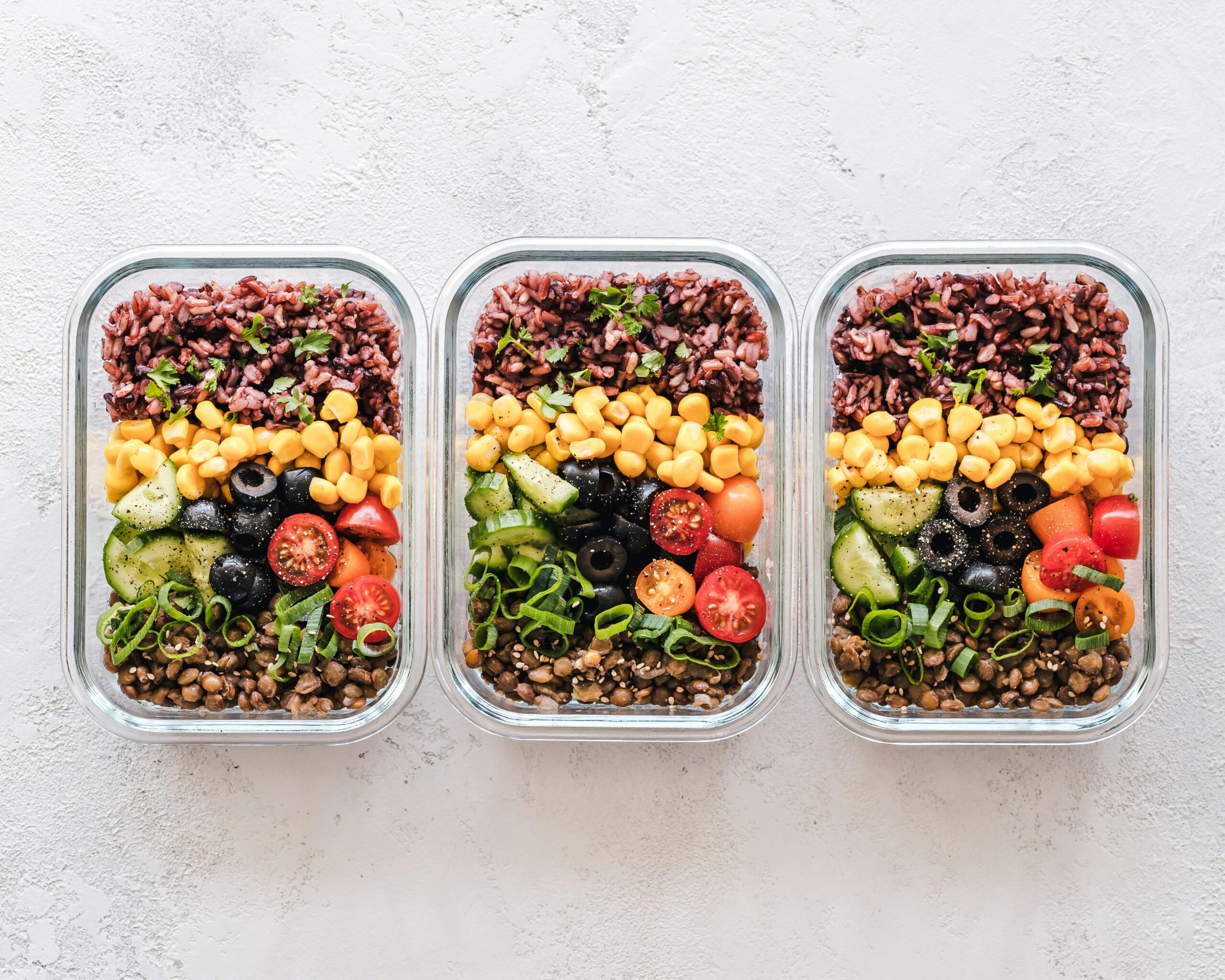
Prepare separate containers of grains, proteins, vegetables, and healthy fats. Each day, combine different elements to create varied meals. Start with a base of quinoa, brown rice, or cauliflower rice. Add your chosen protein: baked chicken, grilled salmon, seasoned beans, or hard-boiled eggs.
Layer on roasted or raw vegetables for different textures and nutrients. Include healthy fats like avocado slices, nuts, seeds, or a drizzle of olive oil. Top with herbs, lemon juice, or a small amount of homemade dressing. This modular approach prevents monotony while simplifying preparation.
Sheet Pan Dinners for Maximum Efficiency 🍽️
Sheet pan meals minimize cleanup while producing multiple servings. Place protein sources on one side of a large baking sheet and surround them with chopped vegetables. Season everything with herbs and spices, drizzle with olive oil, and roast at 400°F.
Try lemon herb chicken thighs with Brussels sprouts and sweet potato chunks. Or bake salmon fillets alongside green beans and cherry tomatoes. These complete meals take minimal active preparation time and create several portions suitable for lunch or dinner throughout the week.
Smart Snack Prep for Blood Sugar Stability
Strategic snacking prevents extreme hunger that leads to poor food choices and blood sugar fluctuations. Preparing snacks in advance ensures you always have blood sugar-friendly options available.
Protein-Packed Snack Ideas
Portion Greek yogurt into small containers and add a measured amount of berries and nuts. Create homemade trail mix with raw almonds, pumpkin seeds, and a small amount of dark chocolate chips. Cut vegetables like carrots, celery, and bell peppers, storing them with individual portions of hummus.
Make energy balls combining natural peanut butter, oats, flax seeds, and a small amount of honey. These no-bake snacks provide protein, fiber, and healthy fats. String cheese paired with a small apple offers a balanced combination of protein and carbohydrates that won’t spike blood sugar.
Money-Saving Shopping Strategies 💰
How you shop matters as much as what you buy. Strategic shopping habits can reduce your grocery bill by thirty to forty percent while maintaining nutritious, blood sugar-friendly meals.
Seasonal and Sale Shopping
Purchase produce that’s in season for the best prices and quality. Join store loyalty programs that provide digital coupons and personalized discounts. Compare unit prices rather than package prices to identify true value. Generic or store brands often match national brands in quality while costing significantly less.
Buy proteins when they’re on sale and freeze portions for later use. Stock up on non-perishable staples during sales. Shop at discount grocery stores or ethnic markets where prices on produce, grains, and spices are often lower. Consider buying certain items in bulk, but only if you’ll use them before they expire.
Reducing Food Waste
Food waste directly impacts your budget. Use vegetable scraps to make homemade broth. Freeze herbs in olive oil in ice cube trays for easy seasoning additions. Store produce properly to extend freshness. Plan meals around ingredients you already have before shopping for new items.
Freeze extra portions of prepared meals for weeks when time or energy is limited. Transform leftovers into new meals rather than eating the same thing repeatedly. Wilting vegetables can become soups, stir-fries, or smoothie additions rather than trash.
Sample Weekly Meal Prep Menu
Here’s a practical example of an affordable week of A1C-friendly meals that costs approximately forty to fifty dollars for one person.
| Meal | Monday-Wednesday | Thursday-Sunday |
|---|---|---|
| Breakfast | Egg muffin cups with berries | Overnight oats with peanut butter |
| Lunch | Chicken and quinoa bowls with roasted vegetables | Tuna salad over mixed greens with chickpeas |
| Dinner | Sheet pan salmon with green beans and sweet potato | Turkey and bean chili with cauliflower rice |
| Snacks | Greek yogurt with nuts, vegetable sticks with hummus | Hard-boiled eggs, apple with almond butter |
Adapting Recipes for Individual Needs
Everyone’s blood sugar responds differently to foods. Monitor your glucose levels to identify which meal combinations work best for your body. Some people tolerate certain grains better than others. Individual protein needs vary based on activity level and body composition.
Keep a simple food journal noting what you eat and how you feel afterward. Track your blood sugar readings to identify patterns. This personalized data helps you refine your meal prep strategy over time, ensuring the best possible A1C management within your budget constraints.
Making It Sustainable Long-Term 🌱
The best meal prep strategy is one you’ll actually maintain. Start small rather than overwhelming yourself with elaborate plans. Begin by prepping just breakfasts or lunches, then expand as you build confidence and routine.
Allow flexibility in your system. Life happens, and some weeks you’ll prep more than others. Keep frozen vegetables and canned proteins as backup options for busy periods. Don’t aim for perfection—aim for consistency and progress.
Involve family members in meal prep to make it more efficient and enjoyable. Children can wash vegetables, adults can chop ingredients, and everyone benefits from healthier meals. Making meal prep a shared activity reduces the burden on one person and teaches valuable life skills.
Your Path to Balanced Blood Sugar and Budget
Managing your A1C through affordable meal prep is entirely achievable with planning and smart choices. Focus on whole food staples, batch cooking, and strategic shopping to maximize both nutrition and savings. The initial time investment pays dividends in improved health markers, reduced stress, and lower grocery bills.
Remember that small, consistent changes create lasting results. You don’t need expensive superfoods or specialty products to manage your blood sugar effectively. Simple, affordable ingredients prepared with intention provide everything your body needs to maintain healthy glucose levels. Start with one or two strategies from this guide, master them, then gradually incorporate more as they become habit.
Your health is worth the investment of time and attention, and with these affordable meal prep ideas, you can achieve better blood sugar control without financial stress. Take action today by choosing just one recipe or strategy to implement this week, and build from there toward a healthier, more balanced future.