Managing blood sugar levels while maintaining steady energy throughout the day doesn’t require complicated meal plans or expensive supplements. The secret might already be sitting in your pantry: legumes, those humble powerhouses packed with fiber, protein, and nutrients that transform ordinary meals into blood sugar-balancing champions.

For centuries, cultures worldwide have relied on beans, lentils, chickpeas, and other legumes as dietary staples. Modern science now confirms what traditional wisdom always knew: these foods offer remarkable benefits for metabolic health, sustained energy, and overall wellness. Whether you’re managing diabetes, seeking weight management support, or simply wanting to feel energized throughout your day, legume-based meals deserve a prominent place on your plate.
🌱 Why Legumes Are Your Blood Sugar’s Best Friend
Legumes possess a unique nutritional profile that makes them exceptionally effective for blood sugar management. Their high fiber content, particularly soluble fiber, slows the digestion and absorption of carbohydrates, preventing the sharp glucose spikes that follow many meals. This gradual release means your body receives a steady stream of energy rather than the rollercoaster of highs and crashes associated with refined carbohydrates.
The glycemic index (GI) of most legumes falls in the low to medium range, typically between 20 and 40. Compare this to white bread at 75 or white rice at 73, and the difference becomes striking. When you choose lentil curry over white rice alone, you’re making a choice that supports stable blood sugar for hours.
Beyond fiber, legumes deliver impressive amounts of plant-based protein, which further moderates blood sugar response. Protein triggers slower gastric emptying and stimulates insulin secretion in a controlled manner. A single cup of cooked lentils provides approximately 18 grams of protein alongside 16 grams of fiber—a combination that creates lasting satiety and sustained energy release.
The Science Behind Sustained Energy From Legumes
Energy crashes typically occur when blood sugar drops rapidly after initial spikes. Legumes prevent this pattern through multiple mechanisms. Their resistant starch content passes through the small intestine without complete digestion, eventually feeding beneficial gut bacteria and producing short-chain fatty acids that improve insulin sensitivity.
Research published in nutritional science journals consistently demonstrates that meals containing legumes result in better glucose control not only immediately after eating but also at subsequent meals—a phenomenon called the “second meal effect.” Your morning chickpea scramble could actually help stabilize your blood sugar at lunch, even if that second meal contains higher glycemic foods.
The mineral content of legumes also contributes to energy metabolism. Magnesium, zinc, and iron play crucial roles in cellular energy production. Iron deficiency, common especially among women, directly causes fatigue. A cup of cooked lentils provides nearly 37% of daily iron needs, supporting oxygen transport and energy generation at the cellular level.
🍽️ Delicious Legume Varieties to Explore
The legume family extends far beyond basic canned beans. Each variety offers distinct flavors, textures, and nutritional nuances worth discovering:
- Lentils: Quick-cooking and versatile, available in red, green, brown, and black varieties. Red lentils break down into creamy textures perfect for soups and dahls, while green and black lentils hold their shape beautifully in salads.
- Chickpeas: Nutty and substantial, ideal for everything from hummus to roasted snacks. They contain particularly high amounts of folate and manganese.
- Black beans: Rich, earthy flavor with especially high antioxidant content. Their dark color indicates anthocyanins, compounds linked to improved insulin sensitivity.
- Cannellini beans: Mild and creamy, perfect for Mediterranean-inspired dishes. They blend seamlessly into soups and pair excellently with tomatoes and herbs.
- Mung beans: Traditional in Asian cuisines, easily digestible and sproutable. Sprouted mung beans offer enhanced nutrient bioavailability.
- Split peas: Budget-friendly and comforting, they create naturally thick soups without added thickeners.
Morning Power: Legume-Based Breakfast Ideas
Starting your day with legumes sets a stable blood sugar foundation that carries through morning hours. A savory chickpea flour pancake, known as “besan chilla” in Indian cuisine, combines chickpea flour with vegetables and spices for a protein-rich alternative to traditional pancakes. These cook quickly on a griddle and pair wonderfully with avocado or yogurt.
White bean and vegetable breakfast hash transforms leftover roasted vegetables into a satisfying morning meal. Sauté cannellini beans with sweet potatoes, bell peppers, and greens, then top with a poached egg for additional protein. The combination provides complex carbohydrates, fiber, protein, and healthy fats—everything needed for sustained morning energy.
For those preferring sweeter breakfasts, black bean brownies or chickpea cookie dough offer surprisingly delicious options. When blended smooth, these legumes create moist, fiber-rich bases for treats that won’t spike blood sugar like conventional baked goods. Add nut butter and berries for a balanced breakfast bowl that satisfies sweet cravings while supporting metabolic health.
Quick Breakfast Hummus Toast Variations
Hummus isn’t just for snacking. Spread generously on whole grain toast and top with creative combinations: sliced cucumber and za’atar, roasted red peppers and feta, or smashed avocado and hemp seeds. Each variation delivers protein and fiber from both the hummus and whole grain base, creating a breakfast that sustains energy for hours.
🥗 Midday Meals That Maintain Your Energy
Lunch should bridge morning and afternoon without creating the dreaded post-meal slump. Legume-based meals excel at this task. A Mediterranean chickpea salad with cucumbers, tomatoes, olives, and lemon-herb dressing provides refreshing flavors alongside balanced nutrition. The chickpeas anchor the meal with staying power while fresh vegetables add volume, nutrients, and crunch.
Lentil and vegetable soup remains one of the most practical blood sugar-friendly lunches. Prepare a large batch on weekends using green or brown lentils, carrots, celery, onions, tomatoes, and leafy greens. Season with cumin, turmeric, and black pepper for both flavor and anti-inflammatory benefits. This soup reheats beautifully and actually tastes better the next day as flavors meld.
Black bean burgers offer satisfying substance without the blood sugar spike of bun-heavy fast food. Mash black beans with oats, spices, and finely chopped vegetables, form into patties, then bake or pan-fry. Serve on whole grain buns with plenty of vegetables, or skip the bun entirely and serve over mixed greens for a lower-carbohydrate option.
The Perfect Legume Bowl Formula
Building balanced legume bowls follows a simple template that ensures both nutrition and satisfaction. Start with a base of leafy greens or whole grains, add one cup of cooked legumes, include two to three types of colorful vegetables, incorporate a healthy fat source like avocado or tahini dressing, and finish with flavor-boosting toppings like fresh herbs, seeds, or fermented vegetables.
This formula adapts to any cuisine preference. Create Mexican-inspired bowls with black beans, cilantro-lime quinoa, grilled peppers, corn, avocado, and pumpkin seeds. Or build Mediterranean versions featuring chickpeas, cucumber-tomato salad, olives, hummus, and za’atar. The possibilities remain endless while the blood sugar benefits stay consistent.
Evening Meals for Restorative Energy
Dinner legume dishes should satisfy without causing nighttime blood sugar fluctuations that disrupt sleep. A creamy red lentil dal with coconut milk provides comfort and warmth. Red lentils cook quickly—about 15 minutes—making this an accessible weeknight option. The coconut milk adds healthy fats that further moderate blood sugar response while creating luxurious texture.
White bean and kale stew with tomatoes showcases how simple ingredients create nourishing meals. Sauté onions and garlic, add canned tomatoes and cannellini beans, simmer until flavors blend, then stir in chopped kale until just wilted. This one-pot meal requires minimal effort yet delivers maximum nutrition, with the beans providing lasting fullness that prevents late-night snacking.
For special occasions, consider stuffed bell peppers filled with seasoned lentils, quinoa, and vegetables. The presentation impresses while the nutritional profile supports stable overnight blood sugar. Bake until peppers soften and filling heats through, then top with fresh herbs and a drizzle of tahini sauce.
🌮 Global Legume Traditions Worth Adopting
Cultures worldwide have developed legume preparations that maximize both flavor and nutrition. Indian cuisine offers countless dal variations, from simple toor dal to complex mixed lentil preparations. The addition of spices like turmeric, cumin, coriander, and fenugreek not only enhances taste but also provides anti-inflammatory and blood sugar-regulating compounds.
Middle Eastern cuisine celebrates legumes through dishes like mujadara (lentils and rice with caramelized onions), ful medames (stewed fava beans), and countless hummus varieties. These preparations often include olive oil, lemon, and garlic—ingredients that complement legumes’ blood sugar benefits with additional cardiovascular and metabolic support.
Latin American traditions feature beans at nearly every meal. Cuban black beans, Mexican refried pintos, and Brazilian feijoada each showcase different preparation methods and flavor profiles. The common thread remains beans as a dietary cornerstone rather than an occasional side dish.
Practical Tips for Legume Preparation
Many people avoid legumes due to perceived preparation difficulty or digestive concerns. Both obstacles have simple solutions. Canned legumes offer convenience without sacrificing nutrition—just rinse thoroughly to remove excess sodium. For those preferring dried legumes, an Instant Pot or pressure cooker dramatically reduces cooking time. Dried chickpeas that traditionally require hours of simmering cook in just 35 minutes under pressure.
Digestive concerns often stem from oligosaccharides, complex sugars that humans cannot fully digest. Gradual introduction allows gut bacteria to adapt. Start with smaller portions and well-cooked legumes, gradually increasing amounts as tolerance builds. Adding kombu seaweed to cooking water, thoroughly rinsing canned varieties, and choosing more easily digested options like lentils or mung beans also helps.
Soaking dried legumes overnight before cooking reduces both cooking time and oligosaccharide content. Discard soaking water and cook in fresh water for best results. This traditional practice, common across legume-loving cultures, makes perfect sense from both culinary and digestive perspectives.
🥙 Legume Snacks for Steady Energy Between Meals
Strategic snacking prevents blood sugar dips that trigger cravings and energy crashes. Roasted chickpeas, seasoned with spices and baked until crunchy, provide portable protein and fiber. Prepare large batches with different seasonings—curry powder, smoked paprika, cinnamon and maple, or simple salt and pepper.
Edamame, young soybeans, offer convenient snacking straight from the freezer. Steam for five minutes, sprinkle with sea salt, and enjoy. These green gems contain all nine essential amino acids, making them a complete protein source rare in the plant kingdom.
Homemade hummus paired with vegetable sticks creates a satisfying afternoon snack that bridges lunch and dinner without disrupting blood sugar. Experiment beyond traditional chickpea hummus with white bean versions, black bean hummus with lime and cilantro, or lentil hummus with roasted red peppers.
Combining Legumes With Other Blood Sugar-Balancing Foods
While legumes shine independently, pairing them strategically amplifies their benefits. Whole grains like quinoa, brown rice, or barley complement legumes nutritionally, creating complete protein profiles while adding additional fiber and minerals. The combination provides more sustained energy than either food alone.
Non-starchy vegetables bulk up legume dishes without adding many calories or carbohydrates. Leafy greens, cruciferous vegetables, peppers, and tomatoes contribute vitamins, minerals, and phytonutrients that support overall metabolic health. Aim for at least two cups of vegetables per meal alongside your legume serving.
Healthy fats from avocados, nuts, seeds, and olive oil slow digestion further while improving the absorption of fat-soluble vitamins. A lentil salad dressed with olive oil and lemon provides superior blood sugar control compared to the same salad with fat-free dressing. The fat doesn’t hinder the legumes’ benefits—it enhances them.
Meal Planning Strategies for Legume Success
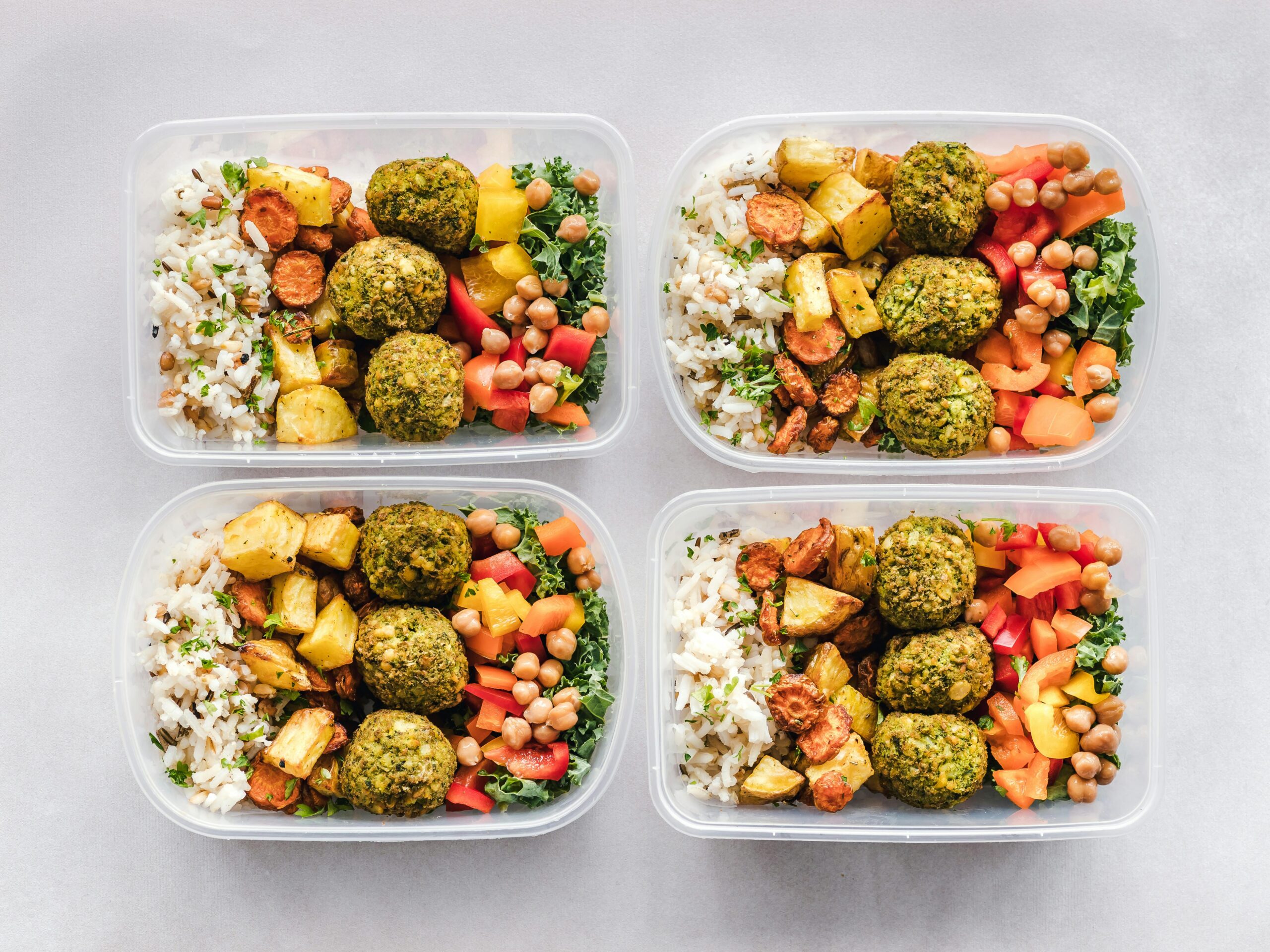
Incorporating legumes regularly requires minimal planning but yields maximum results. Dedicate time weekly to prepare several legume varieties in quantity. Cooked legumes refrigerate well for five days and freeze excellently for months. Having cooked chickpeas, black beans, and lentils ready transforms them from occasional additions to daily staples.
Create a rotation of favorite legume recipes to prevent monotony. Designate Monday for lentil soup, Wednesday for bean bowls, and Friday for chickpea curry. This structure simplifies grocery shopping and meal decisions while ensuring consistent legume consumption.
Keep pantry staples on hand that quickly transform legumes into complete meals: canned tomatoes, coconut milk, vegetable broth, whole grains, and a variety of spices. With these basics available, nutritious legume meals come together in under 30 minutes, competing with fast food for convenience while vastly surpassing it nutritionally.
🎯 Tracking Your Energy and Blood Sugar Response
Individual responses to foods vary based on genetics, gut microbiome composition, activity levels, and overall diet patterns. Paying attention to how different legume meals affect your personal energy and blood sugar helps optimize your approach. Notice which preparations keep you satisfied longest, which combinations prevent afternoon energy dips, and which varieties you genuinely enjoy enough to eat regularly.
For those managing diabetes or prediabetes, monitoring blood glucose levels before and two hours after legume-based meals demonstrates their effectiveness firsthand. Most people discover that legume meals produce notably lower glucose responses compared to meals centered on refined grains or starchy vegetables.
Energy tracking need not be complicated. Simply note your alertness, focus, and physical energy levels throughout the day, comparing days when you emphasize legumes versus days when they’re absent. The pattern typically becomes clear within a week or two of consistent attention.
Overcoming Common Legume Obstacles
Despite their benefits, some people struggle to embrace legumes. Taste preferences developed in childhood can be difficult to shift, especially if previous legume experiences involved bland or poorly prepared versions. The solution lies in exploring diverse cuisines and preparation methods. Someone who dislikes plain boiled beans might love spicy Indian dal, smoky Mexican refried beans, or crispy roasted chickpeas.
Time constraints represent another common barrier. Modern life moves quickly, and dried beans require planning. However, canned varieties offer genuine convenience without meaningful nutritional compromise. A can of black beans, drained and rinsed, adds protein and fiber to any meal in seconds—mixed into scrambled eggs, tossed with salad greens, stirred into soup, or mashed onto toast.
Budget concerns rarely apply to legumes, as they rank among the most economical protein sources available. Dried legumes cost pennies per serving, and even organic canned versions remain affordable. For those seeking nutrient density per dollar spent, legumes are virtually unbeatable.
Your Plate, Powered Up and Balanced
Transforming your diet to emphasize legumes doesn’t require perfection or dramatic overnight changes. Small, consistent steps create lasting habits. Start by incorporating one legume-based meal daily, perhaps replacing a sandwich with lentil soup or choosing chickpea pasta over regular varieties. As comfort and confidence grow, legumes naturally claim more space on your plate, bringing their blood sugar-balancing and energy-sustaining benefits along.
The beauty of legume-based eating lies in its flexibility and accessibility. Whether you’re cooking elaborate Indian feasts or simply opening a can of beans to add to a salad, you’re making choices that support stable energy and metabolic health. These humble foods prove that powerful nutrition need not be complicated, expensive, or time-consuming—it just needs to be consistent.
Your plate holds tremendous power over how you feel throughout each day. By featuring legumes regularly, you harness that power intentionally, creating a foundation of balanced blood sugar and lasting energy that supports everything else you want to accomplish. The path to better energy doesn’t require supplements, special programs, or complicated protocols—it might just require more beans, lentils, and chickpeas on your fork. 🌟