Ever feel like you’re trapped on an energy rollercoaster, soaring high after meals only to crash hard an hour later? The secret to breaking free lies in understanding how different foods affect your blood sugar and, ultimately, your entire day.

Low-GI eating isn’t just another diet trend—it’s a science-backed approach to fueling your body that transforms how you feel, think, and perform. By choosing foods that release energy slowly and steadily, you can say goodbye to the afternoon slump, endless cravings, and that constant search for your next snack. This guide will show you exactly how to harness the power of low-glycemic foods to create lasting energy, balanced hunger, and a healthier relationship with eating.
🔬 Understanding the Glycemic Index: Your Body’s Fuel Gauge
The glycemic index (GI) is a ranking system that measures how quickly carbohydrate-containing foods raise your blood glucose levels. Foods are scored on a scale from 0 to 100, with pure glucose sitting at the top as the reference point.
Low-GI foods (55 or below) digest slowly, causing a gradual rise in blood sugar. Medium-GI foods (56-69) fall in the middle, while high-GI foods (70 and above) spike your blood sugar rapidly, triggering a cascade of hormonal responses that often leave you hungrier than before.
When you eat high-GI foods, your pancreas releases a surge of insulin to manage the sudden glucose spike. This insulin rush doesn’t just lower your blood sugar—it often overcorrects, dropping your levels below where they started. The result? Hunger pangs, fatigue, irritability, and intense cravings that send you searching for another quick fix.
Why Blood Sugar Stability Matters More Than You Think
Stable blood sugar isn’t just about avoiding diabetes or managing weight—it affects virtually every aspect of your daily life. Your brain relies almost exclusively on glucose for fuel, so when your blood sugar fluctuates wildly, your cognitive function suffers. Concentration wavers, decision-making becomes harder, and your mood can swing dramatically.
Consistent energy levels mean better productivity at work, more patience with loved ones, improved athletic performance, and the mental clarity to make healthier choices throughout your day. When you master your blood sugar, you master your energy.
🍽️ The Low-GI Food Arsenal: What to Fill Your Plate With
Building a low-GI lifestyle starts with knowing which foods naturally provide sustained energy without the crash. These foods become the foundation of your meals, keeping you satisfied for hours.
Protein-Rich Champions
Most protein sources have a minimal impact on blood sugar, making them essential allies in low-GI eating. Eggs, fish, chicken, turkey, lean beef, tofu, tempeh, and Greek yogurt all provide satisfying protein without spiking glucose levels. Combining protein with carbohydrates in the same meal significantly lowers the overall glycemic impact.
Non-Starchy Vegetables: Eat Abundantly
Leafy greens, broccoli, cauliflower, bell peppers, zucchini, mushrooms, tomatoes, and cucumbers are all extremely low-GI and packed with fiber, vitamins, and minerals. These should form the bulk of your vegetable intake, and you can eat them generously without worrying about blood sugar spikes.
Smart Carbohydrate Choices
Not all carbs are created equal. Steel-cut oats, quinoa, barley, bulgur, sweet potatoes, legumes (lentils, chickpeas, black beans), and most fruits have low to moderate GI values. The key is choosing whole, minimally processed versions that retain their fiber and nutrient content.
Whole grain pasta cooked al dente has a lower GI than soft-cooked pasta. Similarly, sourdough bread has a lower GI than regular white bread due to the fermentation process. These small distinctions can make significant differences in how your body responds.
Healthy Fats: The Energy Extenders
Avocados, nuts, seeds, olive oil, and fatty fish don’t directly affect blood sugar, but they slow down the digestion of carbohydrates eaten at the same meal. This means adding healthy fats to your meals is a strategic way to lower the overall glycemic load of what you’re eating.
⚡ Building the Perfect Low-GI Meal: The Formula
Creating meals that sustain your energy for hours isn’t complicated once you understand the basic formula. Every plate should contain a balance of macronutrients designed to stabilize blood sugar and satisfy hunger.
Start with a generous portion of non-starchy vegetables—aim for half your plate. These provide volume, fiber, and nutrients with minimal impact on blood sugar. Add a palm-sized portion of protein to anchor the meal and promote satiety. Include a fist-sized serving of low-GI carbohydrates for sustained energy. Finally, incorporate healthy fats through cooking methods, dressings, or toppings.
Breakfast: Setting the Tone for Your Day
Breakfast might be the most important meal for establishing blood sugar stability. A high-GI breakfast (think sugary cereal or white toast with jam) sets you up for energy crashes and cravings all day long.
Instead, try Greek yogurt with berries, nuts, and a drizzle of honey. Scrambled eggs with vegetables and a slice of sourdough toast. Steel-cut oats with almond butter, chia seeds, and apple slices. Or a vegetable omelet with avocado and a small portion of quinoa.
These combinations provide protein, fiber, and healthy fats that keep your blood sugar stable and your hunger at bay until lunch.
Lunch: Maintaining Momentum
The afternoon slump is real, but it’s not inevitable. A well-constructed lunch prevents the 3 PM energy crash that sends so many people to the vending machine or coffee pot.
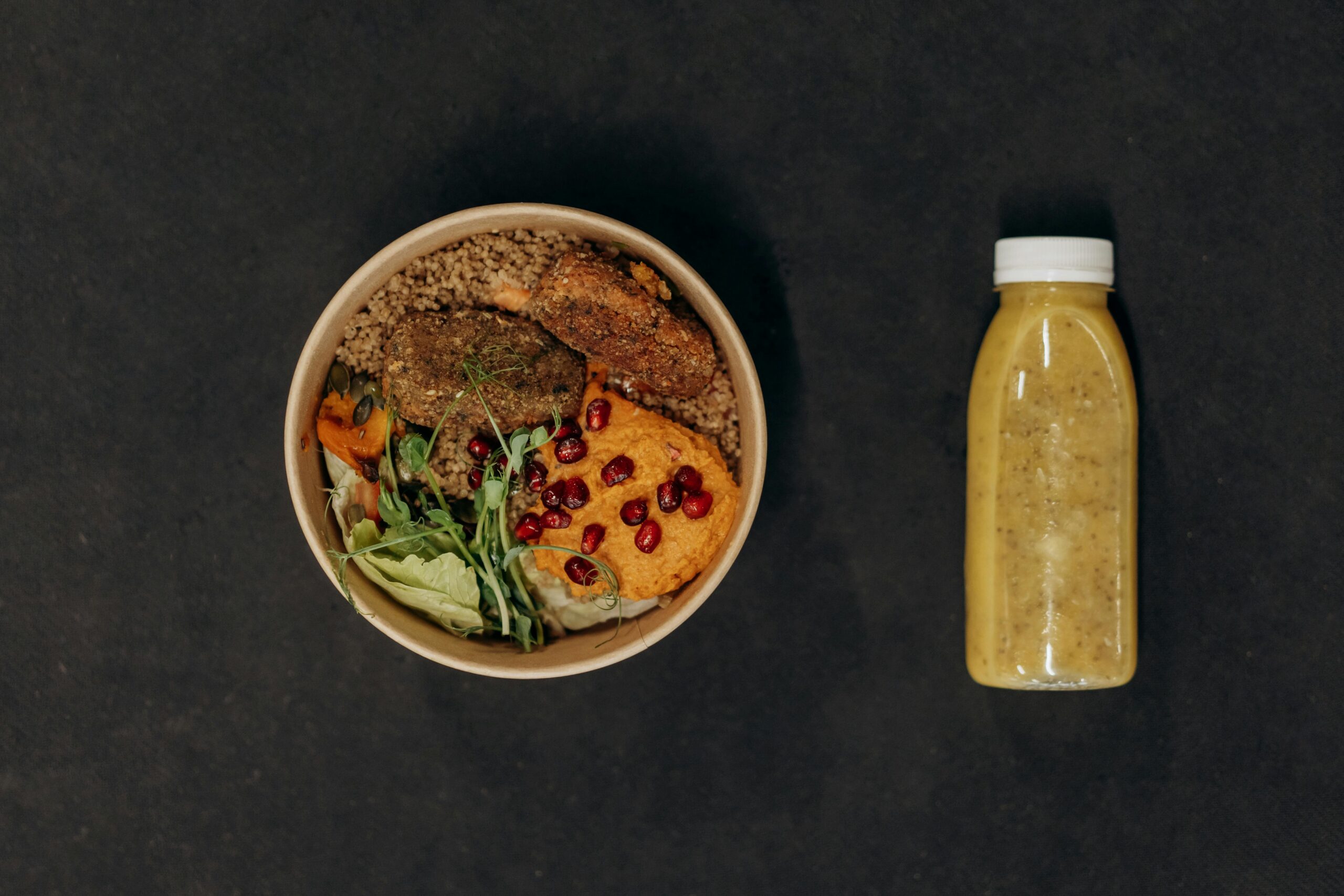
Build your lunch around lean protein and vegetables. A large salad with grilled chicken, chickpeas, olive oil dressing, and a small portion of sweet potato. A Buddha bowl with quinoa, roasted vegetables, tahini sauce, and baked salmon. Lentil soup with a side of mixed greens and whole grain crackers. Turkey and avocado wrap using a whole wheat tortilla with plenty of lettuce and tomato.
Dinner: Ending Strong
Evening meals should be satisfying but not overly heavy, especially if you eat late. Focus on vegetables, quality protein, and moderate portions of low-GI carbs if you’ve been active during the day.
Stir-fried vegetables with tofu and a small portion of brown rice. Grilled fish with roasted Brussels sprouts and quinoa. Chicken breast with cauliflower mash and a colorful salad. Vegetable curry with chickpeas served over barley.
🎯 Strategic Snacking: Between-Meal Energy Without the Crash
Snacking gets a bad reputation, but strategic snacks can actually help maintain stable blood sugar between meals—especially if you have long gaps between eating or lead an active lifestyle.
The key is choosing snacks that combine protein or healthy fat with fiber-rich carbohydrates. Apple slices with almond butter. Carrot sticks with hummus. A small handful of nuts with a few berries. Greek yogurt with pumpkin seeds. Hard-boiled eggs with cherry tomatoes. Celery with cashew butter.
Avoid snacking out of boredom or habit. Listen to your body’s genuine hunger signals. If you’re eating balanced low-GI meals, you may find you need fewer snacks than you thought.
📊 Tracking Your Journey: Apps and Tools That Help
While you don’t need technology to eat low-GI, certain apps can accelerate your learning curve by providing instant GI information and helping you identify patterns in how foods affect your energy levels.
Glucose tracking apps that sync with continuous glucose monitors can be eye-opening, showing you in real-time how different foods affect your blood sugar. Even without a monitor, food diary apps that include GI values can help you make informed choices until low-GI eating becomes second nature.
Nutrition tracking applications help you identify hidden sugars and understand the complete nutritional profile of your meals, not just the glycemic index. This comprehensive view ensures you’re not just controlling blood sugar but also meeting all your nutritional needs.
💪 The Athletic Advantage: Low-GI Eating for Performance
Athletes and active individuals can particularly benefit from understanding glycemic timing. Low-GI foods before exercise provide sustained energy without digestive distress. They fuel longer training sessions without the bonk that comes from blood sugar crashes.
In the hour or two before moderate exercise, choose low-GI options like oatmeal with nuts, a banana with almond butter, or Greek yogurt with berries. These digest steadily, providing glucose as you need it without overwhelming your system.
Immediately after intense exercise is actually one time when higher-GI foods can be beneficial. Your muscles are primed to absorb glucose rapidly for recovery. A piece of fruit with protein, a smoothie with banana and protein powder, or even chocolate milk can replenish glycogen stores efficiently.
For everyday activity and general fitness, however, centering your diet around low-GI foods optimizes body composition, reduces inflammation, and improves metabolic flexibility—your body’s ability to efficiently switch between burning carbohydrates and fat for fuel.
🧠 Mental Clarity and Mood: The Brain-Blood Sugar Connection
Your brain consumes about 20% of your body’s total energy, making it extremely sensitive to blood sugar fluctuations. When glucose levels spike and crash, your mental performance follows the same pattern.
Studies consistently show that stable blood sugar improves concentration, memory, decision-making, and emotional regulation. People who eat low-GI diets report fewer mood swings, less anxiety, and better stress management.
The connection goes beyond just glucose availability. High-GI diets promote inflammation throughout the body, including in the brain. Chronic inflammation is linked to depression, anxiety, and cognitive decline. By choosing anti-inflammatory, low-GI foods, you’re protecting both your current mental state and your long-term brain health.
🔄 Common Mistakes and How to Avoid Them
Even with the best intentions, people often stumble when transitioning to low-GI eating. Recognizing these pitfalls helps you navigate around them successfully.
Eliminating All Carbohydrates
Low-GI eating is not the same as low-carb eating. Carbohydrates are essential for energy, fiber, and numerous bodily functions. The goal is choosing the right types, not avoiding them entirely. Many nutrient-dense foods like fruits, legumes, and whole grains are moderate-GI and extremely beneficial.
Ignoring Portion Sizes
Even low-GI foods can raise blood sugar significantly if you eat enormous portions. Glycemic load—which considers both the GI value and the amount consumed—matters just as much as the index itself. A reasonable portion of pasta with lots of vegetables and protein is very different from a huge bowl of pasta, even if it’s whole grain.
Forgetting About Liquid Calories
Fruit juices, smoothies, and sweetened beverages can sabotage blood sugar stability even when the solid food choices are perfect. Liquids digest rapidly and don’t provide the satiety that chewing does. Water, unsweetened tea, and black coffee should be your primary beverages.
Being Too Rigid
Perfection isn’t the goal—consistency is. An occasional higher-GI food in the context of an otherwise balanced meal won’t derail your progress. Life includes celebrations, social events, and moments when the ideal choice isn’t available. Focus on making good decisions most of the time, not all of the time.
🌟 Lifestyle Integration: Making Low-GI Eating Sustainable
The best dietary approach is one you can maintain for life, not just for a few weeks. Low-GI eating has the advantage of being inherently sustainable because it doesn’t require severe restriction or complicated rules.
Meal prep becomes your best friend. Dedicating a few hours on the weekend to prepare proteins, cook grains, and chop vegetables makes weekday eating nearly effortless. When healthy, satisfying food is readily available, you’re far less likely to reach for convenient but high-GI options.
Restaurant eating doesn’t have to be stressful either. Most menus offer low-GI options—you just need to recognize them. Choose grilled proteins over breaded. Ask for extra vegetables instead of fries. Request dressing on the side. Skip the bread basket or limit yourself to one piece. These small adjustments make dining out completely compatible with your goals.
🎁 The Long-Term Rewards: Beyond Blood Sugar
While stable energy and controlled hunger are immediate benefits, the long-term advantages of low-GI eating extend far beyond daily comfort. This approach reduces your risk of type 2 diabetes, heart disease, and certain cancers. It supports healthy weight management without calorie counting or deprivation. It reduces inflammation throughout your body, potentially easing joint pain and improving skin health.
Perhaps most importantly, low-GI eating teaches you to listen to your body’s true hunger and fullness signals rather than being jerked around by blood sugar swings and hormonal chaos. This mindful relationship with food reduces stress around eating and helps you make choices that genuinely serve your wellbeing.
🚀 Taking Your First Steps Toward Energy Mastery
Transforming your energy and hunger doesn’t require a complete overnight overhaul. Start by making breakfast your focus for one week—nail that first meal of the day with low-GI choices. Notice how your mid-morning energy and concentration improve.
The following week, optimize your lunch using the principles you’ve learned. Pay attention to how you feel at 3 PM compared to your old patterns. Then tackle dinner and snacks. Within a month, you’ll have fundamentally changed your eating patterns and will likely feel dramatically different.
Keep a simple journal tracking your energy, mood, hunger levels, and cravings. This feedback loop helps you identify which foods work best for your unique body and reinforces the connection between your choices and how you feel.
Remember that everyone’s response to foods varies slightly based on genetics, gut microbiome, stress levels, sleep quality, and activity. While the glycemic index provides valuable guidance, your personal experience is the ultimate teacher. Use the GI as a framework, then fine-tune based on your body’s feedback.
The journey to mastering your energy through low-GI eating isn’t about perfection—it’s about progress, awareness, and making increasingly better choices that compound over time. Each low-GI meal is an investment in how you’ll feel for the next several hours. Each day of stable blood sugar builds momentum toward long-term health.
Your body is designed to run on steady, sustainable fuel. By aligning your food choices with this biological reality, you unlock energy reserves you forgot you had, silence the constant noise of hunger and cravings, and reclaim control over how you feel throughout your day. The power to transform your energy is on your plate—you just need to choose wisely.