Transforming your kitchen into a haven for healthy, low-glycemic cooking doesn’t require expensive ingredients or complicated techniques. With the right pantry staples, you can create delicious meals that keep your blood sugar stable and your taste buds satisfied.

The secret to sustainable healthy eating lies not in restrictive diets, but in having a well-stocked pantry filled with versatile, nutrient-dense ingredients. When you build your kitchen around low-glycemic staples, preparing wholesome meals becomes second nature, making it easier to maintain balanced blood sugar levels while enjoying every bite.
Understanding Low-Glycemic Cooking and Its Benefits 🌟
Low-glycemic cooking focuses on using ingredients that don’t cause rapid spikes in blood sugar levels. The glycemic index (GI) measures how quickly foods convert to glucose in your bloodstream, with lower values indicating slower, steadier energy release.
Foods with a GI below 55 are considered low-glycemic, those between 56-69 are medium, and anything above 70 is high-glycemic. By centering your meals around low-GI ingredients, you’ll experience sustained energy, reduced cravings, better weight management, and improved metabolic health.
The beauty of low-glycemic eating is that it doesn’t mean sacrificing flavor or satisfaction. Many delicious, wholesome foods naturally fall into the low-GI category, and with the right pantry foundations, you can create endless variations of nutritious meals.
Essential Whole Grains and Ancient Grains for Your Pantry
Whole grains form the backbone of satisfying, low-glycemic meals. Unlike refined grains that have been stripped of their fiber and nutrients, whole grains digest slowly and provide lasting energy.
Quinoa: The Complete Protein Powerhouse
Quinoa stands out as one of the most versatile pantry staples for low-glycemic cooking. With a GI of approximately 53, this ancient grain is technically a seed that contains all nine essential amino acids, making it a complete protein source.
Store both white and red quinoa varieties in airtight containers. It cooks in just 15 minutes and works equally well in savory breakfast bowls, as a rice substitute, in salads, or even in sweet preparations like porridge.
Steel-Cut Oats and Rolled Oats
Oats are a breakfast staple that shouldn’t be overlooked. Steel-cut oats have a lower glycemic index (around 42) compared to instant varieties, and they provide exceptional satiety thanks to their beta-glucan fiber content.
Keep both steel-cut and rolled oats in your pantry. Steel-cut oats require longer cooking but offer superior texture and blood sugar control, while rolled oats work perfectly for overnight oats, homemade granola, and baking.
Barley, Farro, and Bulgur
These ancient grains deserve permanent spots in your low-glycemic pantry. Barley has one of the lowest GI values among grains (around 28), while farro and bulgur provide nutty flavors and chewy textures that elevate everyday dishes.
Use pearl barley in soups and stews, farro in grain bowls and salads, and bulgur as a quick-cooking base for tabbouleh and pilafs.
Legumes and Pulses: Affordable Protein-Rich Staples 🫘
Legumes are champions of low-glycemic eating. They’re packed with protein, fiber, vitamins, and minerals, while maintaining consistently low GI values that keep blood sugar stable.
Dried Lentils in Multiple Varieties
Stock your pantry with red, green, and brown lentils. Red lentils cook quickly and break down into creamy textures perfect for dal and soups. Green and brown lentils hold their shape beautifully in salads and grain bowls.
With a glycemic index around 32, lentils are among the most blood-sugar-friendly foods available. They’re also incredibly economical and don’t require pre-soaking like many other legumes.
Chickpeas, Black Beans, and Kidney Beans
Keep both dried and canned versions of these versatile legumes. Dried beans are more economical and allow you to control sodium content, while canned beans offer unbeatable convenience for quick weeknight meals.
Chickpeas transform into hummus, roasted snacks, curry bases, and salad toppers. Black beans work wonderfully in Latin-inspired dishes, while kidney beans add heartiness to chilis and stews.
Healthy Fats and Oils for Flavor and Nutrition
Quality fats are essential for nutrient absorption, satiety, and flavor development. They also don’t impact blood sugar directly, making them valuable allies in low-glycemic cooking.
Extra Virgin Olive Oil
Invest in good-quality extra virgin olive oil for both cooking and finishing dishes. Its monounsaturated fats support heart health, and its rich flavor enhances everything from roasted vegetables to grain salads.
Store olive oil in a cool, dark place to preserve its delicate compounds. Use it for low to medium-heat cooking and drizzle it generously over finished dishes.
Coconut Oil, Avocado Oil, and Nuts
Coconut oil works beautifully for higher-heat cooking and adds subtle flavor to both sweet and savory preparations. Avocado oil offers a neutral taste and high smoke point, making it ideal for roasting and sautéing.
Raw nuts and seeds—almonds, walnuts, pecans, pumpkin seeds, chia seeds, and flaxseeds—provide healthy fats, protein, and satisfying crunch. They’re perfect for snacking, adding to oatmeal, or grinding into homemade nut butters.
Natural Sweeteners That Won’t Spike Blood Sugar 🍯
Satisfying your sweet tooth while maintaining stable blood sugar is possible with the right natural sweeteners in your pantry.
Pure Stevia and Monk Fruit Sweetener
These zero-calorie, plant-based sweeteners don’t affect blood glucose levels at all. Stevia comes from the stevia plant, while monk fruit sweetener is derived from monk fruit extract.
Both require adjustment periods to get used to their unique flavor profiles, but they’re excellent for beverages, baking, and sweetening yogurt or oatmeal without any glycemic impact.
Raw Honey and Pure Maple Syrup
While these natural sweeteners do contain sugar, they have lower glycemic indices than refined sugar and offer trace minerals and antioxidants. Use them mindfully and in smaller quantities.
Raw honey has a GI around 58, and pure maple syrup around 54, compared to table sugar’s GI of 65. Their intense sweetness means you can often use less while achieving the desired flavor.
Flavor Boosters: Herbs, Spices, and Condiments ✨
Building deep, satisfying flavors without relying on sugar or refined carbohydrates is key to sustainable low-glycemic cooking.
Essential Spice Collection
Curate a robust spice collection including cinnamon, turmeric, cumin, coriander, paprika, cayenne, ginger, garlic powder, and black pepper. Many spices, particularly cinnamon and turmeric, have been studied for their potential blood sugar-regulating properties.
Cinnamon, in particular, may help improve insulin sensitivity when consumed regularly. Add it to oatmeal, smoothies, and baked goods for both flavor and potential metabolic benefits.
Fresh and Dried Herbs
Keep dried herbs like basil, oregano, thyme, and rosemary in your pantry, and grow fresh herbs like parsley, cilantro, and basil if possible. Herbs add complexity and freshness without any impact on blood sugar.
Vinegars and Fermented Condiments
Stock apple cider vinegar, balsamic vinegar, and rice vinegar for dressings and marinades. Research suggests that vinegar consumed with meals may help moderate blood sugar responses.
Fermented condiments like tamari (gluten-free soy sauce), miso paste, and kimchi add umami depth while supporting gut health through their probiotic content.
Smart Flours and Baking Alternatives for Low-GI Treats
Low-glycemic baking is entirely possible with the right flour alternatives that provide fiber, protein, and nutrients while minimizing blood sugar impact.
Almond Flour and Coconut Flour
Almond flour offers a low-carb, protein-rich alternative to wheat flour with a negligible glycemic impact. It works beautifully in pancakes, muffins, and as a coating for proteins.
Coconut flour is highly absorbent and fiber-rich, requiring less quantity in recipes. It pairs well with almond flour to create balanced textures in baked goods.
Chickpea Flour and Oat Flour
Chickpea flour (also called besan or garbanzo bean flour) brings protein and a slightly nutty flavor to savory pancakes, flatbreads, and as a binder in veggie burgers.
Oat flour, easily made by grinding rolled oats, provides soluble fiber and works well in muffins, cookies, and as a partial wheat flour replacement.
Convenient Canned and Jarred Low-Glycemic Essentials 🥫
Strategic canned and jarred items make low-glycemic cooking accessible even on your busiest days.
Canned Tomatoes and Tomato Paste
High-quality canned tomatoes form the base of countless healthy meals. Choose varieties without added sugars, and keep crushed, diced, and whole tomatoes on hand.
Tomatoes have a low glycemic index and provide lycopene, a powerful antioxidant. They’re perfect for quick pasta sauces, soups, stews, and curries.
Canned Wild-Caught Fish
Canned salmon, sardines, and tuna offer convenient protein that requires zero preparation. These omega-3-rich options have no impact on blood sugar and provide essential fatty acids.
Use them in salads, on whole grain crackers, mixed into grain bowls, or as quick protein additions to pasta dishes.
Nut Butters Without Added Sugar
Natural almond butter, peanut butter, and tahini (sesame seed butter) provide healthy fats, protein, and incredible versatility. Choose versions with no added sugars or oils.
These spread beautifully on low-GI breads, blend into smoothies, form the base of satay sauces, and add creaminess to dressings and desserts.
Building Your Low-Glycemic Meal Planning Strategy
Having the right staples is only part of the equation—knowing how to combine them creates the magic of effortless, delicious low-glycemic cooking.
The Balanced Plate Approach
Structure meals around three components: a low-glycemic complex carbohydrate (quinoa, lentils, or barley), a lean protein source, and abundant non-starchy vegetables. Add healthy fats for satiety and nutrient absorption.
This framework ensures balanced blood sugar while providing all essential macronutrients. It’s flexible enough to accommodate various cuisines and personal preferences.
Batch Cooking with Pantry Staples
Dedicate time weekly to batch-cook your pantry staples. Cook large quantities of quinoa, brown rice, lentils, and beans, then refrigerate or freeze in portions.
Having pre-cooked grains and legumes ready transforms meal preparation from a lengthy process into quick assembly. You can create completely different meals throughout the week using the same base ingredients with varied seasonings and vegetables.
Creating Flavor Combinations That Excite Your Palate 🌶️
Low-glycemic eating thrives when meals are genuinely delicious and satisfying. Master a few flavor profiles using your pantry staples to prevent monotony.
Mediterranean Flavors
Combine olive oil, lemon, garlic, oregano, and tomatoes with chickpeas, farro, or lentils. Add feta cheese, olives, and cucumber for authentic Mediterranean bowls bursting with flavor.
Asian-Inspired Combinations
Mix tamari, rice vinegar, ginger, garlic, and sesame oil with quinoa or brown rice. Add edamame, mushrooms, and bok choy for satisfying Asian-fusion meals.
Latin American Profiles
Season black beans with cumin, chili powder, lime, and cilantro. Serve with quinoa, avocado, tomatoes, and a touch of Greek yogurt for a lower-glycemic take on burrito bowls.
Smart Shopping: Stocking Your Pantry on a Budget
Building a low-glycemic pantry doesn’t require breaking the bank. Strategic shopping ensures you have quality staples without overspending.
Buy dried legumes and grains in bulk from stores or online retailers—they’re significantly cheaper than packaged versions and store for months when kept in airtight containers.
Prioritize organic options for the “dirty dozen” produce you buy fresh, but conventional dried goods are perfectly acceptable. Focus your budget on quality oils and a few key spices, then expand your collection gradually.
Shop seasonal produce to accompany your pantry staples. Frozen vegetables are nutritionally comparable to fresh and often more economical, especially for items like spinach, berries, and mixed vegetables.
Making Low-Glycemic Cooking a Sustainable Lifestyle
The true transformation happens when low-glycemic cooking becomes your natural default rather than a temporary diet. Your well-stocked pantry makes this transition seamless.
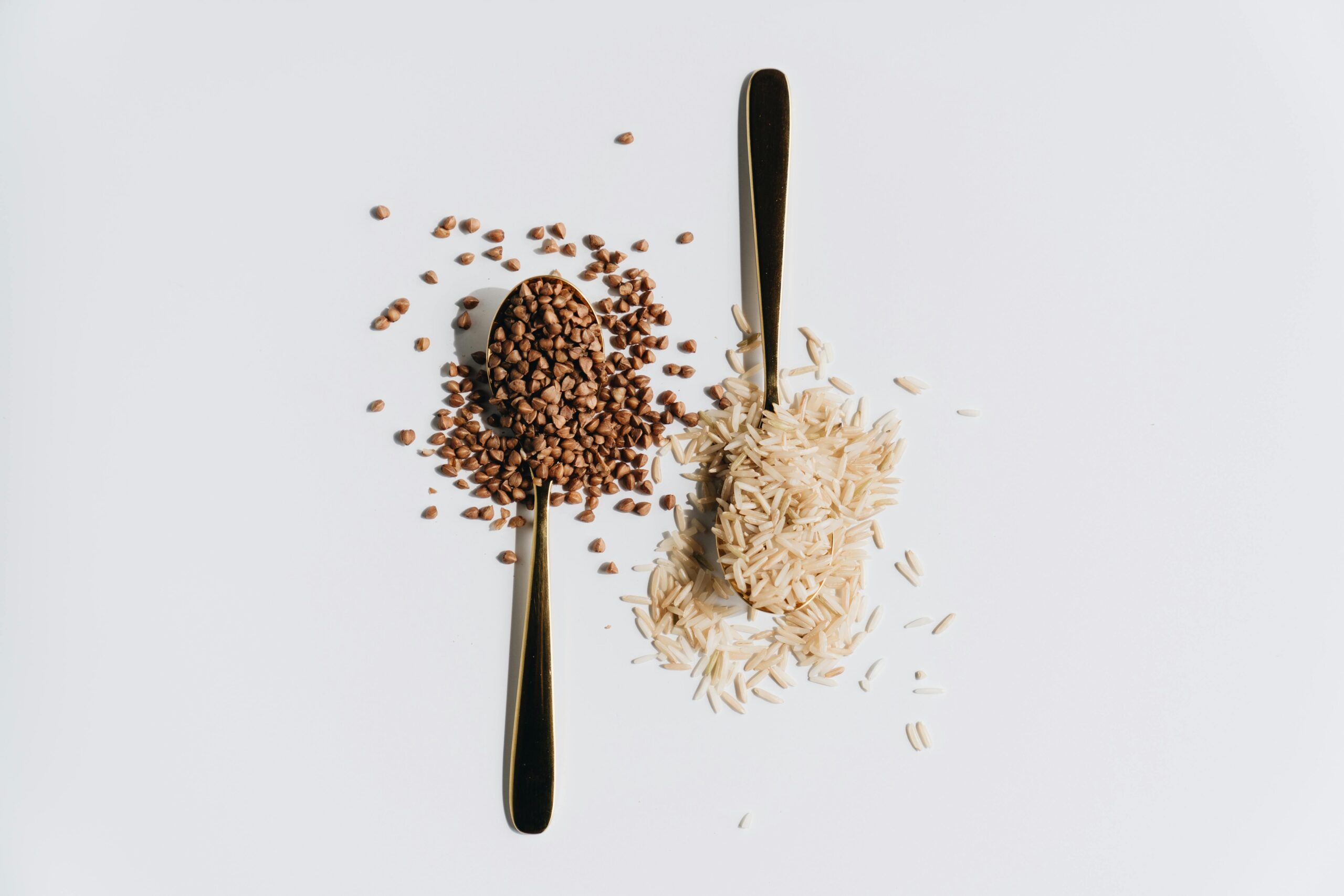
Start by replacing one refined grain with a whole grain alternative, then gradually expand. Swap white rice for quinoa one week, use lentils instead of ground beef the next, and experiment with almond flour in your favorite baking recipe.
Keep your pantry organized with clear labels and containers so you can see what you have at a glance. Place frequently used items at eye level, and store backups of essentials so you never run out mid-recipe.
Remember that perfection isn’t the goal—consistency is. Having these staples readily available removes barriers to healthy eating, making nutritious choices the path of least resistance.
With these top pantry staples forming your kitchen foundation, you’re equipped to create endless variations of delicious, blood-sugar-friendly meals. The transformation isn’t just in your pantry—it’s in how effortlessly you’ll nourish yourself and your loved ones with food that truly supports your health and satisfies your senses. Your kitchen is now a powerful tool for wellness, creativity, and culinary joy. 🍽️