Imagine opening your pantry during a busy weeknight or unexpected situation and discovering you already have everything needed to create amazing meals. No emergency grocery runs required!

The secret to surviving any cooking crisis isn’t stockpiling expensive specialty ingredients or following complicated recipes. It’s about learning to recognize the incredible potential hiding in your everyday pantry staples and understanding how to transform them into satisfying, nutritious meals your whole family will love.
🥫 Understanding Your Pantry’s True Potential
Most households keep a surprisingly robust inventory of shelf-stable ingredients without even realizing it. That can of chickpeas gathering dust, the half-used bag of rice, or those random pasta shapes left over from previous meals all represent building blocks for complete, delicious dishes.
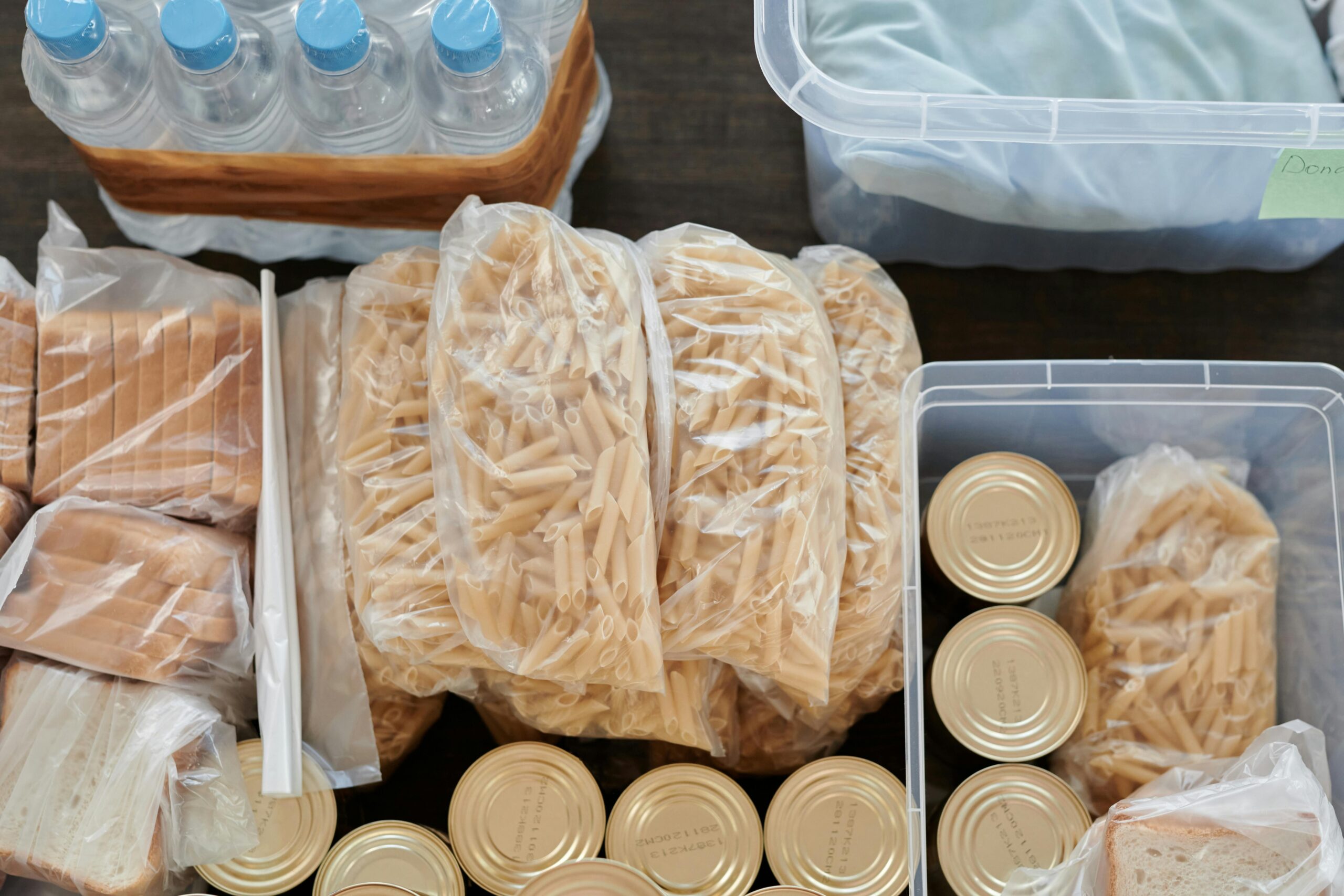
The average kitchen pantry contains approximately 15-30 different shelf-stable items at any given time. These ingredients typically include grains, canned proteins, dried beans, pasta varieties, cooking oils, vinegars, and various spices and condiments. When combined strategically, these humble staples can produce hundreds of different meal combinations.
Learning to cook from your pantry isn’t just about emergency preparedness. It’s a valuable skill that reduces food waste, saves money, and encourages culinary creativity. Instead of letting ingredients expire or making unnecessary shopping trips, you’ll develop the confidence to create satisfying meals from whatever you have available.
Essential Pantry Staples Every Kitchen Needs
Building a functional pantry starts with stocking versatile ingredients that work across multiple cuisines and cooking methods. These foundational items provide the framework for countless emergency meals without requiring refrigeration or special storage conditions.
Grains and Carbohydrates 🌾
Rice, pasta, quinoa, oats, and flour form the backbone of pantry cooking. These long-lasting carbohydrates provide energy, substance, and satisfaction to any meal. White rice stores almost indefinitely when kept dry, while whole grains have a shorter shelf life but offer superior nutrition.
Different pasta shapes aren’t just aesthetic choices—they serve functional purposes. Long noodles work best with oil-based or light sauces, while shaped pasta with ridges and hollows capture chunky sauces beautifully. Keeping variety on hand ensures you can match your pasta to whatever sauce ingredients you’re working with.
Proteins That Last
Canned beans, lentils, chickpeas, tuna, salmon, and chicken provide essential protein without refrigeration. Dried beans offer even longer storage and cost less, though they require soaking and longer cooking times. Nut butters also deliver protein and healthy fats while lasting months in the pantry.
Don’t overlook eggs if you’re thinking short-term pantry cooking—they last weeks when properly refrigerated and bridge the gap between true pantry staples and fresh ingredients. Powdered eggs or egg substitutes work for truly long-term storage situations.
Flavor Builders and Seasonings ✨
Salt, pepper, garlic powder, onion powder, dried herbs, and spices transform basic ingredients into exciting meals. A well-stocked spice cabinet is worth its weight in gold when cooking from the pantry. Soy sauce, hot sauce, vinegars, and bouillon cubes add depth and complexity to simple dishes.
Many home cooks underestimate the importance of acids and umami-rich ingredients. A splash of vinegar or squeeze of preserved lemon juice brightens flavors, while soy sauce, tomato paste, or worcestershire sauce adds savory depth that makes pantry meals taste more complex and satisfying.
Emergency Meal Formulas That Always Work
Rather than memorizing dozens of specific recipes, understanding basic meal formulas allows you to improvise successfully with whatever ingredients you have available. These templates work across cuisines and accommodate substitutions easily.
The Universal Grain Bowl Formula
Start with a cooked grain base (rice, quinoa, couscous, or pasta). Add a protein source (canned beans, chickpeas, tuna, or chicken). Include vegetables (canned tomatoes, frozen vegetables if available, or rehydrated dried vegetables). Top with a flavorful sauce (combination of oil, acid, and seasonings). Finish with texture elements (toasted nuts, seeds, or crispy fried onions if you have them).
This formula adapts infinitely. Mediterranean versions might use chickpeas, canned tomatoes, olive oil, lemon juice, and oregano. Asian-inspired bowls could combine rice, canned salmon, soy sauce, rice vinegar, and sesame oil. Mexican variations work beautifully with black beans, salsa from canned tomatoes, cumin, and chili powder.
One-Pot Pasta Magic 🍝
Combine pasta, liquid (water or broth), canned tomatoes or tomato paste, seasonings, and any proteins or vegetables in a single pot. Bring to a boil, then simmer until the pasta absorbs the liquid and creates its own sauce. The starch released from the pasta naturally thickens the cooking liquid into a coating sauce.
This method requires less water than traditional pasta cooking, intensifying flavors while creating a dish with built-in sauce. Add canned tuna and capers for a puttanesca-style dish, or white beans and dried herbs for a Tuscan-inspired meal.
Transformative Soup Strategy
Soups and stews maximize limited ingredients by stretching them with liquid. Start by creating a flavorful base with sautéed aromatics (onion powder and garlic powder work when fresh aren’t available). Add liquid (water, broth from bouillon, or canned tomatoes), then include grains, pasta, or beans for substance. Season generously and simmer until flavors meld.
A single can of beans combined with pasta, broth, and Italian seasonings creates a satisfying pasta e fagioli. Lentils simmered with curry powder and coconut milk (or regular milk with added oil) become a comforting dal. The possibilities expand exponentially with even a modest pantry.
Creative Substitutions and Swaps
The key to successful pantry cooking lies in understanding ingredient functions rather than following recipes rigidly. When you know why an ingredient appears in a recipe, you can substitute effectively based on what you actually have available.
When You’re Missing Fresh Aromatics 🧅
Fresh onions and garlic form the flavor foundation for countless dishes, but their dried counterparts work remarkably well as substitutes. Use one teaspoon of garlic powder to replace three fresh cloves, and one tablespoon of dried minced onion for a small fresh onion. Toast dried aromatics in oil briefly before adding liquids to bloom their flavors.
Asafoetida powder, common in Indian cooking, provides a pungent onion-garlic flavor in tiny amounts. A small jar lasts years and transforms simple dal or rice dishes when fresh aromatics aren’t available.
Dairy Alternatives From the Pantry
Evaporated milk or powdered milk substitute for fresh dairy in most recipes. Evaporated milk creates surprisingly rich creamy sauces when combined with pasta cooking water and cheese. For “cream” soups without actual cream, blend white beans or cashews (if you stock them) with liquid until smooth.
Coconut milk from a can provides richness to curries, soups, and even pasta sauces. Its distinct flavor works in both sweet and savory applications, and it stores reliably in the pantry for months.
Vegetable Solutions 🥕
Canned and dried vegetables save the day when fresh produce isn’t available. Canned tomatoes offer incredible versatility—whole, diced, crushed, or paste form all serve different purposes. Canned corn, green beans, and carrots work well in soups and casseroles.
Dried mushrooms provide intense umami flavor when rehydrated, and their soaking liquid becomes a rich broth for cooking grains or building sauces. Sun-dried tomatoes, though not technically dried, offer concentrated tomato flavor and chewy texture to pasta dishes and salads.
Quick Pantry Meals in Under 30 Minutes ⏱️
Emergency cooking doesn’t mean spending hours in the kitchen. These fast pantry meals come together quickly while delivering real satisfaction and nutrition.
15-Minute Chickpea Curry
Sauté curry powder in oil until fragrant. Add a can of chickpeas with their liquid, a can of diced tomatoes, and coconut milk if available (or regular milk with extra oil). Simmer for 10 minutes, adjust seasoning, and serve over instant rice or with crackers. The starchy chickpea liquid helps thicken the sauce naturally.
Pantry Fried Rice
Use day-old cooked rice if possible, or cook rice and spread it on a plate to cool quickly. Scramble eggs (or use canned chicken/tuna), set aside, then stir-fry the rice with oil, soy sauce, any vegetables you have, and the protein. Season with garlic powder, white pepper if you have it, and a dash of sesame oil if available. Ready in 15 minutes.
Emergency Pasta Aglio e Olio
This classic Roman dish requires only pasta, olive oil, garlic (fresh or powdered), red pepper flakes, salt, and pasta cooking water. Cook pasta until almost done, reserve cooking water, then toss pasta with olive oil, aromatics, and enough starchy cooking water to create an emulsified sauce. Finish with any dried herbs you have. Total time: 20 minutes.
Building Flavors Without Fresh Ingredients
Pantry cooking challenges us to build complexity using shelf-stable ingredients. Understanding how to layer flavors transforms basic staples into meals that taste carefully crafted rather than thrown together from necessity.
The Importance of Toasting and Blooming 🔥
Toasting dried spices, grains, and aromatics in oil or a dry pan before adding liquids dramatically intensifies their flavors. This technique activates essential oils and creates depth impossible to achieve by simply adding ingredients to a simmering pot.
Toast rice before cooking it pilaf-style, bloom curry powder in oil before building a sauce, or toast pasta in butter before adding cooking liquid. These simple steps take minutes but deliver restaurant-quality depth to simple pantry meals.
Layering Salt and Acid
Professional chefs season throughout cooking rather than only at the end. When building pantry meals, add salt at multiple stages to develop complex seasoning. Similarly, balance richness with acid—vinegar, lemon juice from a bottle, or even the brine from canned goods.
A squeeze of vinegar added just before serving brightens flavors and makes simple dishes taste more vibrant. Keep multiple vinegar varieties on hand since each offers distinct character: balsamic for sweetness, rice vinegar for gentle acidity, and apple cider vinegar for fruity notes.
Organizing Your Pantry for Emergency Cooking Success
A well-organized pantry makes emergency meal preparation significantly easier. When you can quickly assess available ingredients, you’ll create better meals with less stress and reduced food waste.
The FIFO System 📦
First In, First Out prevents ingredients from expiring before use. Place newer purchases behind older items so you naturally use older stock first. Check expiration dates periodically and move soon-to-expire items to the front for priority use.
Clear containers or labels help you instantly see quantities available. Knowing you have two cups of rice remaining versus a full container changes your meal planning approach and prevents mid-cooking surprises.
Zone Organization Strategy
Group similar items together: grains in one area, canned proteins in another, oils and vinegars together, and spices in a dedicated space. This organization system speeds up ingredient gathering and helps you identify missing categories when restocking.
Keep a running inventory list, either handwritten or digital, noting what you have and approximate quantities. This practice prevents overbuying duplicate items while ensuring you maintain sufficient quantities of truly essential ingredients.
Elevating Pantry Meals With Simple Techniques ✨
The difference between a barely-edible emergency meal and something genuinely delicious often comes down to technique rather than ingredients. These methods work with basic pantry staples to create impressive results.
The Art of Pasta Water
Starchy pasta cooking water acts as a magical sauce ingredient, helping emulsify oil and water-based components into smooth, coating sauces. Always reserve at least a cup before draining pasta, then add it gradually to your sauce until reaching desired consistency.
This technique transforms simple oil-and-garlic combinations into silky sauces that cling to noodles beautifully. The starch acts as a natural thickener without requiring flour or cream.
Building Texture Contrast
Even simple pantry meals benefit from textural variety. Toast breadcrumbs or crackers in oil to create crispy toppings for pasta or grain bowls. Crispy fried onions from a can add crunch to casseroles. Toasted nuts or seeds provide satisfying texture to otherwise soft dishes.
Varying cooking methods within a single dish creates interest. If your main components are soft and saucy, add something crispy. If everything is crunchy, include a creamy element from mashed beans or a simple sauce.
Planning Ahead: Rotating Your Pantry Stock 🔄
Successful pantry cooking requires maintaining your inventory over time. Rather than viewing your pantry as emergency rations to ignore until crisis strikes, integrate these ingredients into regular meal rotation while systematically refreshing stock.
Choose one pantry-based meal weekly to naturally rotate through stored ingredients. This practice keeps your skills sharp, prevents waste from expiration, and ensures you’re comfortable cooking this way when truly necessary. You’ll also discover which recipes your family actually enjoys versus theoretical emergency meals nobody wants to eat.
When restocking, focus on ingredients you actually use and enjoy. A pantry full of exotic items purchased for specific recipes but never used again provides less value than reliable staples you incorporate regularly. Build your inventory around your family’s preferences and dietary needs rather than generic emergency food lists.
Turning Limitation Into Creativity 🎨
Cooking from a limited pantry inventory initially feels restrictive, but many home cooks discover it actually sparks creativity. Without infinite options, you’re forced to truly understand ingredients and develop improvisational skills that elevate all your cooking.
Some of the world’s most beloved dishes originated from necessity—peasant foods created by resourceful cooks making do with whatever they had available. Pasta e fagioli, dal, fried rice, and countless other classics prove that simple ingredients combined skillfully create deeply satisfying meals.
Challenge yourself occasionally to create complete meals without shopping, using only current pantry contents. These exercises build confidence, reduce food waste, and often result in surprisingly delicious discoveries. You might stumble upon new family favorites created entirely by accident.
Making Pantry Meals Family-Friendly 👨👩👧👦
Getting family buy-in for pantry meals, especially with children, sometimes requires strategy. Present these dishes as special creations rather than inferior substitutes for “real” meals. Involve kids in the creative process of figuring out what to make with available ingredients.
Many pantry meals naturally appeal to kids—pasta dishes, fried rice, quesadillas made with canned beans and shelf-stable tortillas, or homemade pizza using flour for quick dough and canned tomato sauce. These familiar formats feel comforting rather than unfamiliar emergency rations.
Let family members customize their portions with available toppings or seasonings. Individual control over spice levels, textures, and combinations increases acceptance. A deconstructed burrito bowl with rice, beans, salsa, and cheese lets everyone build exactly what they want.
Your Pantry Powers Await Discovery
The pantry staples sitting quietly on your shelves right now contain more potential than most home cooks realize. With knowledge of basic formulas, smart substitutions, and flavor-building techniques, you can create genuinely delicious meals without emergency shopping trips or complicated preparations.
Start by taking inventory of what you currently have available. You’ll likely discover you already own the building blocks for dozens of satisfying meals. Practice combining these ingredients creatively, developing your improvisational confidence before you truly need these skills.
Pantry power isn’t about surviving on bland, boring emergency rations. It’s about recognizing that you already possess everything necessary to cook delicious, nourishing meals for yourself and your family. The real emergency would be not knowing how to use these incredible resources already at your fingertips.
Transform your relationship with your pantry from forgotten storage space to culinary treasure trove. The cooking confidence and creativity you’ll develop extends far beyond emergency situations, making you a more resourceful, capable cook in every circumstance.